
The Historical Foundations of the Royal Academy
Košice’s Rise as a Medieval and Academic Center
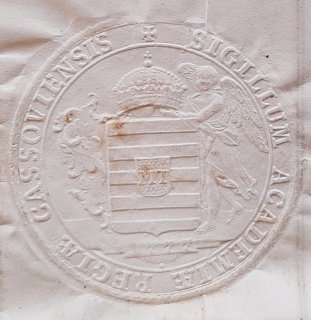
Košice flourished as a medieval city due to its strategic position along major trade routes, achieving distinction as the first city in Europe to receive its own coat of arms in 1369. Its prosperity and royal privileges set the stage for the establishment of the Universitas Cassoviensis (Royal Academy) in 1657, initially as a Jesuit institution and later as a royal-accredited center of higher learning (Visit Košice, Britannica).
The Academy played a transformative role in Košice’s evolution, offering studies in philosophy, law, and theology, and attracting scholars from Slovakia, Hungary, and beyond. It survived significant political and religious changes, including secularization under Empress Maria Theresa and integration into the state system in the late 18th century (Wikipedia).
Architectural and Cultural Significance
Baroque Grandeur and Historicist Influences
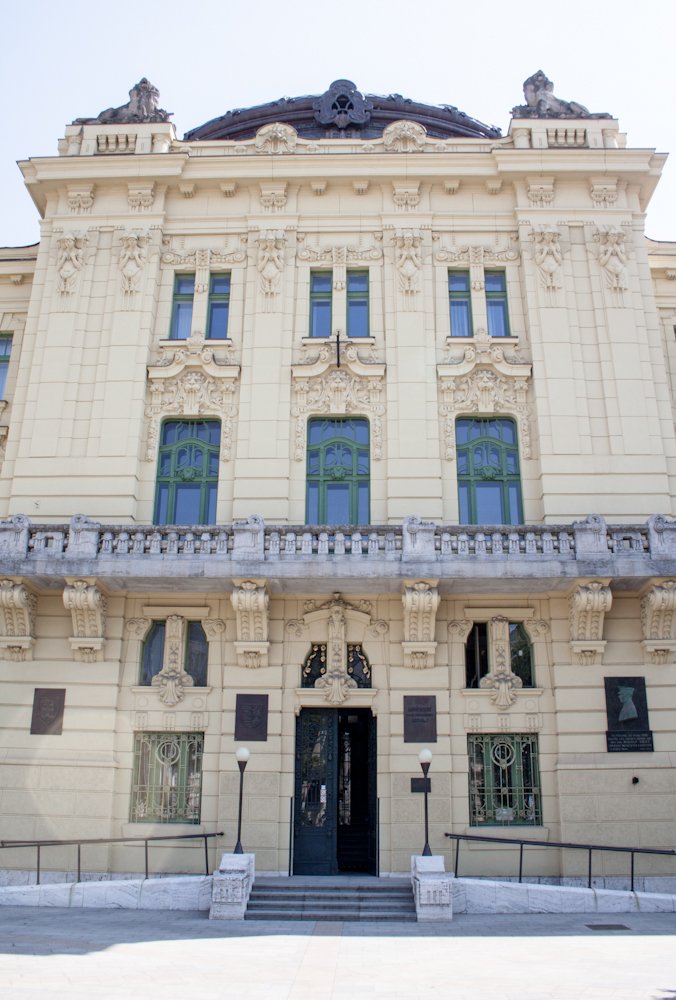
The Royal Academy’s main building stands as a testament to Baroque grandeur, with elements of early Neoclassical and later Historicist styles. The façade features symmetrical lines, pilasters, and ornate stucco work, while the interiors boast vaulted ceilings, period frescoes, and spacious corridors filled with natural light (EAA: 20 Best Architectural Buildings in Slovakia).
In the 19th century, the building was updated with Neo-Renaissance and Neo-Baroque details, blending harmoniously with the original Baroque design. The Academy’s architecture reflects the cultural ambitions of its founders and the city’s centuries-old ties to Central European traditions (MyTravelation).
The Royal Academy’s Educational Legacy
As the first institution of higher learning in Košice—and one of the oldest in Slovakia—the Royal Academy was pivotal in shaping the city’s reputation as a cosmopolitan academic center. Its law faculty trained generations of legal professionals who contributed to regional governance, while its multicultural environment attracted Slovak, Hungarian, German, and Jewish students, fostering a diverse intellectual community (Destination Abroad).
The Academy’s influence endures in Košice’s ongoing academic life, with modern universities such as Pavol Jozef Šafárik University and the Technical University building on its tradition of excellence.
Practical Visitor Information
Location and Accessibility
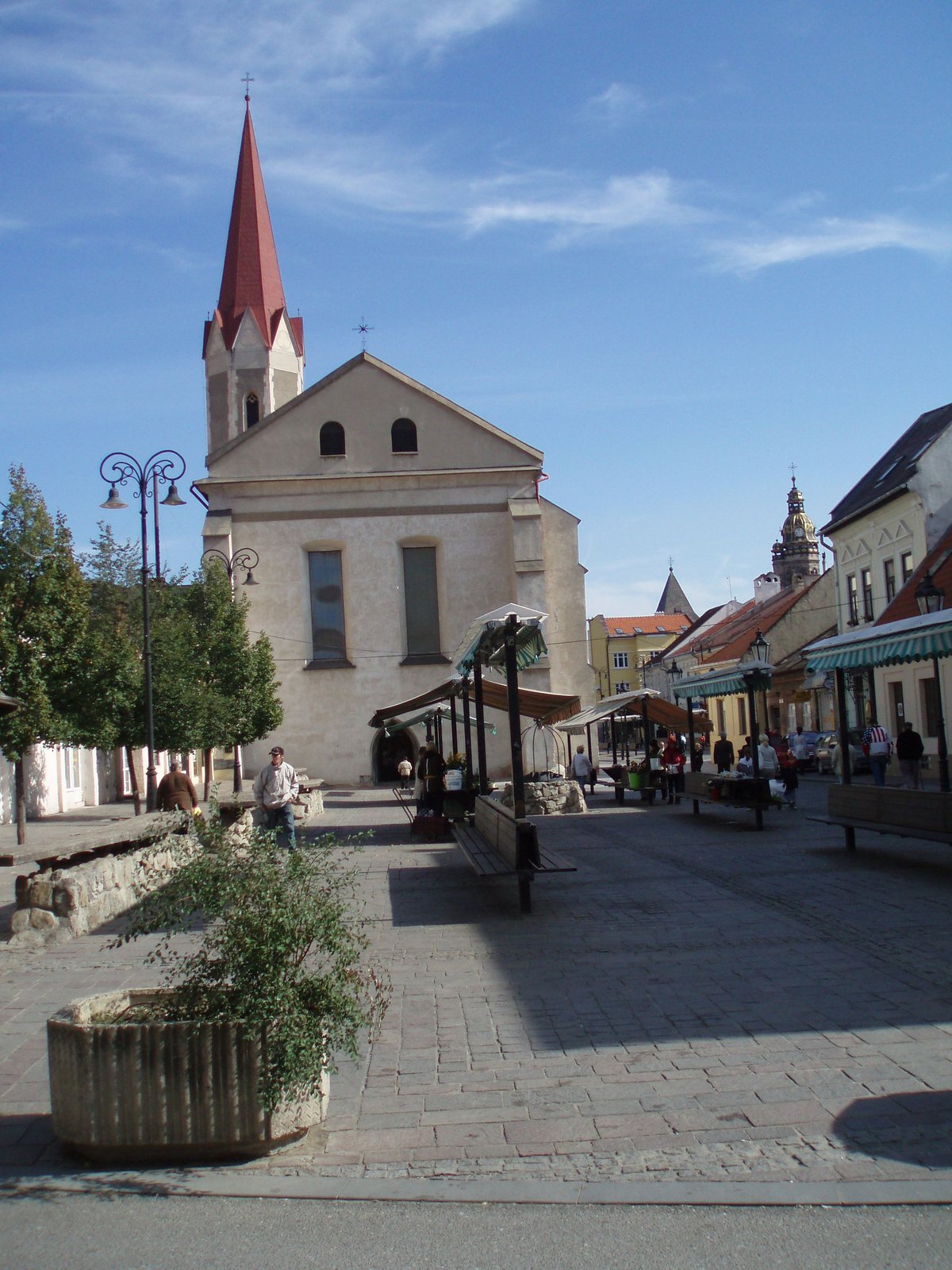
The Royal Academy is centrally located in Košice’s Old Town, steps from Hlavná ulica (Main Street) and near major attractions like St. Elisabeth Cathedral and the Urban Tower (WildTrips). The area is pedestrian-friendly, with trams and buses providing easy access. Limited parking is available around the Old Town.
Wheelchair access is available through the main entrance and select interior areas; visitors with mobility challenges should contact the tourist center in advance for assistance (MyTravelation).
Visiting Hours and Tickets
- Hours Typically open Tuesday to Sunday, 10:00 AM–5:00 PM; closed Mondays and public holidays. Hours may extend for special events.
- Admission Free to the exterior and courtyard. Some exhibitions and guided tours require tickets (€3-5, with discounts for students, seniors, and groups).
- Purchase Tickets can be bought on-site or via the official tourism website.
Check official sources for seasonal updates and special event schedules.
Guided Tours and Special Events
Guided tours—available in Slovak and English—offer expert insights into the Academy’s history, architecture, and cultural significance. Special exhibitions, lectures, and concerts are held throughout the year, particularly during festivals such as the Košice Music Spring and White Night (The Tourist Checklist).
Visitor Amenities
- Cozy café serving local pastries and coffee
- Gift shop with books and souvenirs
- Lockers, cloakroom, and free Wi-Fi
- Audio guides in multiple languages (availability may vary)
- Friendly staff to assist with accessibility needs
Tips for Tourists
- Photography Permitted in most areas (no flash during exhibitions).
- Best Time to Visit May–September for pleasant weather and cultural events (WeWillNomad). Weekday mornings are quieter.
- Dress Code Respectful attire recommended.
- Language English widely spoken; materials often available in German.
- Safety Košice is considered very safe; standard precautions apply.
Nearby Attractions
- St. Elisabeth Cathedral Slovakia’s largest Gothic cathedral (MyTravelation)
- Košice State Theatre Neo-Baroque cultural hub (EAA: 20 Best Architectural Buildings in Slovakia)
- East Slovak Museum Home of the Košice Gold Treasure (MyTravelation)
- Hlavná ulica Central boulevard with shops, cafés, and architectural gems
Frequently Asked Questions (FAQs)
Q: What are the visiting hours of the Royal Academy Košice?
A: Typically Tuesday–Sunday, 10:00 AM–5:00 PM; closed Mondays and public holidays. Confirm on the official site before visiting.
Q: Are guided tours available?
A: Yes, in Slovak and English, by advance request or during special events.
Q: How much do tickets cost?
A: Entry to the exterior and courtyard is free; guided tours or exhibitions are €3-5 (discounts available).
Q: Is the Royal Academy accessible for visitors with disabilities?
A: Yes, with ramps and accessible restrooms. Contact the tourist center for details.
Q: Can I take photographs?
A: Non-flash photography is generally allowed; check for restrictions during events.
Summary and Traveler Recommendations
The Royal Academy in Košice is a cornerstone of the city’s intellectual and cultural identity. Its Baroque and Classical architecture, central location, and vibrant program of tours and events make it a must-visit for anyone interested in Slovakia’s heritage. With modest entry fees, accessible facilities, and proximity to Košice’s top attractions, the Academy is ideal for a deep dive into the city’s past and present (Visit Košice, MyTravelation).
To maximize your visit:
- Book guided tours ahead of time, especially during festivals.
- Download the Audiala app for audio guides and event updates.
- Explore nearby landmarks for a comprehensive Košice experience.
- Check the Košice Cultural Events Calendar for upcoming exhibitions and performances.