

Historical Development
Origins and Growth
Established during a surge of national consciousness in the Austro-Hungarian Empire, the East Slovak Museum was conceived by local intellectuals eager to preserve and interpret the region’s heritage. Its founding mission has remained unchanged: to collect, document, and present the cultural and natural legacy of Eastern Slovakia (kamnavylet.sk). Over the decades, the museum’s holdings have expanded to include more than 500,000 objects, making it one of the largest repositories in Slovakia (trek.zone).
Treasures and Milestones
A defining moment in the museum’s history was the discovery of the Košice Gold Treasure in 1935—a hoard of 2,920 gold coins, ducats, and medals dating from the 15th to 17th centuries. This find, among Europe’s largest, underscores Košice’s historical significance as a trade and cultural crossroads. The museum also weathered two world wars and major political changes, evolving into a dynamic institution that reflects both regional and national identity.
Architectural Significance
Renaissance Main Building
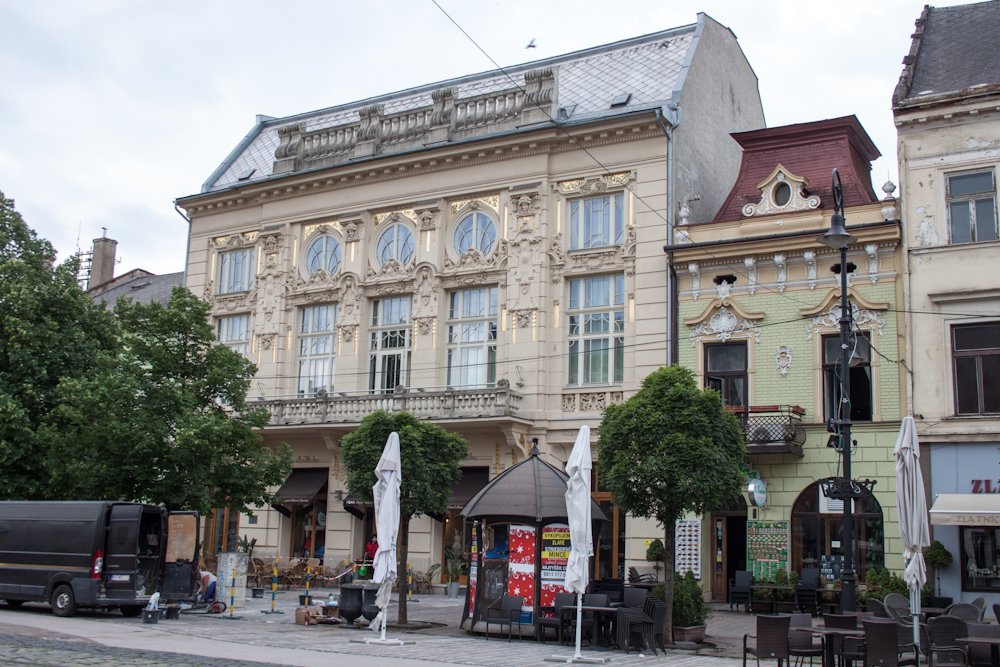
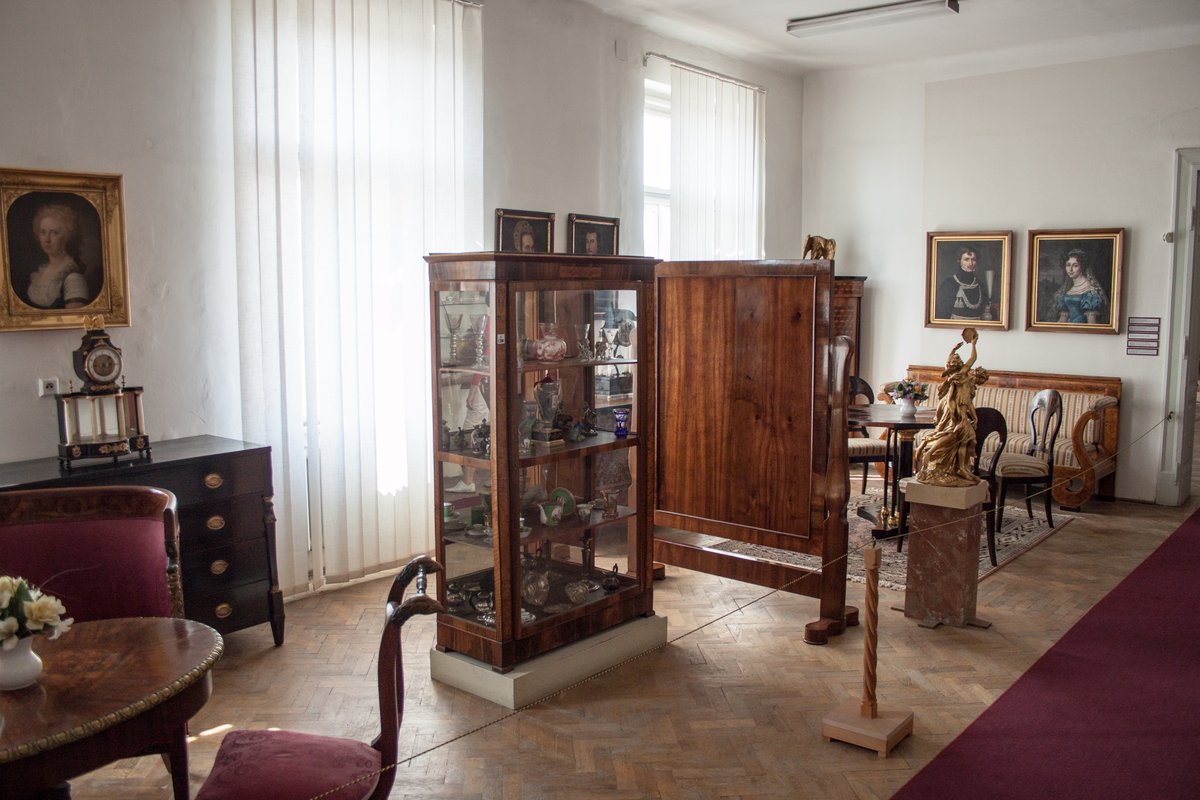
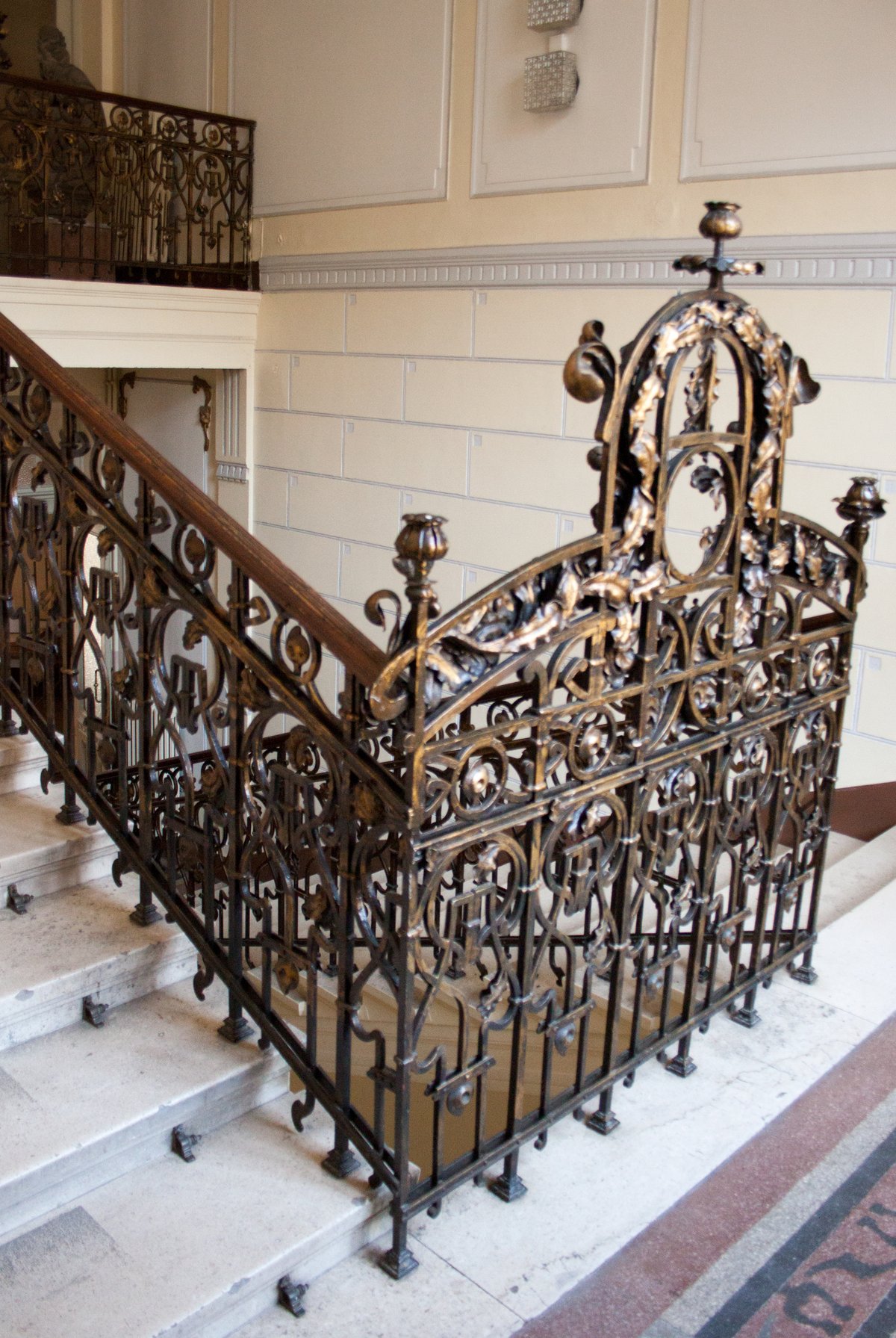
The museum’s Renaissance-style main building at Námestie Maratónu mieru 2 is itself an architectural landmark. Its symmetrical façade, ornate stonework, and spacious interiors exemplify the Renaissance influence on Košice’s urban landscape (facts.net).
Integration with the City
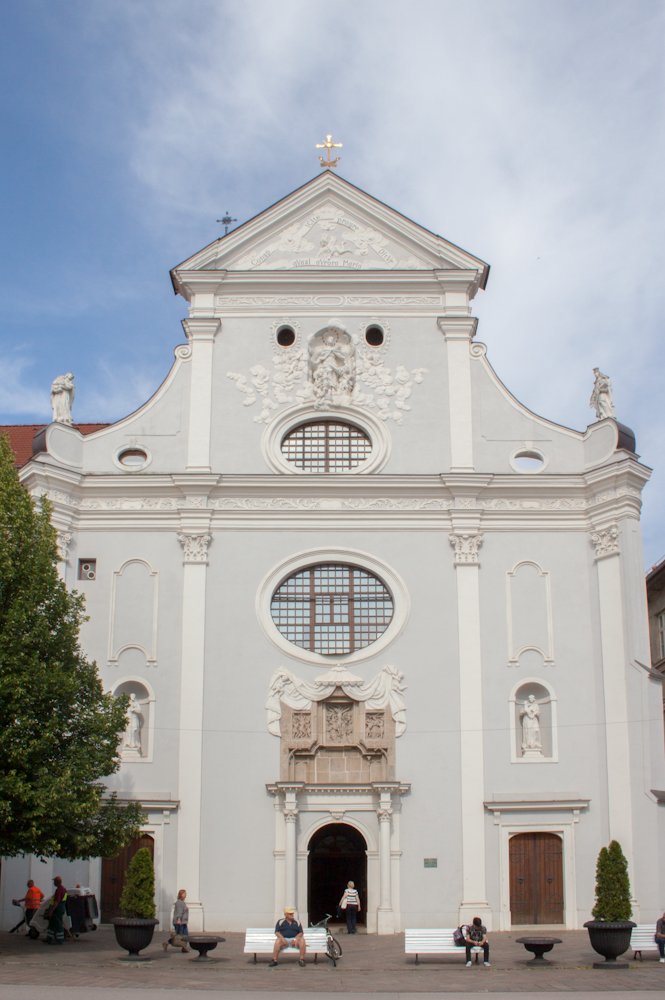
Situated in the historic center, the museum is surrounded by notable sites such as St. Elisabeth Cathedral and the State Theatre. Its courtyard features the Wooden Church of Kožuchovce—a preserved example of traditional wooden ecclesiastical architecture, relocated to highlight regional craftsmanship (kamnavylet.sk).
Modernization and Accessibility
Recent renovations have focused on making exhibitions more accessible, introducing tactile displays for visually impaired visitors, and integrating digital resources like the “Alone in the Museum” app. These upgrades ensure the museum remains inclusive and engaging for all audiences (vsg.sk).
Collections & Exhibitions
Permanent Exhibitions
Košice Gold Treasure: The museum’s centerpiece, showcasing over 2,900 gold coins and medals, is one of Central Europe’s most important numismatic finds.
Archaeology & Early History: Artifacts from prehistoric settlements through the Middle Ages illuminate daily life, trade, and cultural evolution in the region.
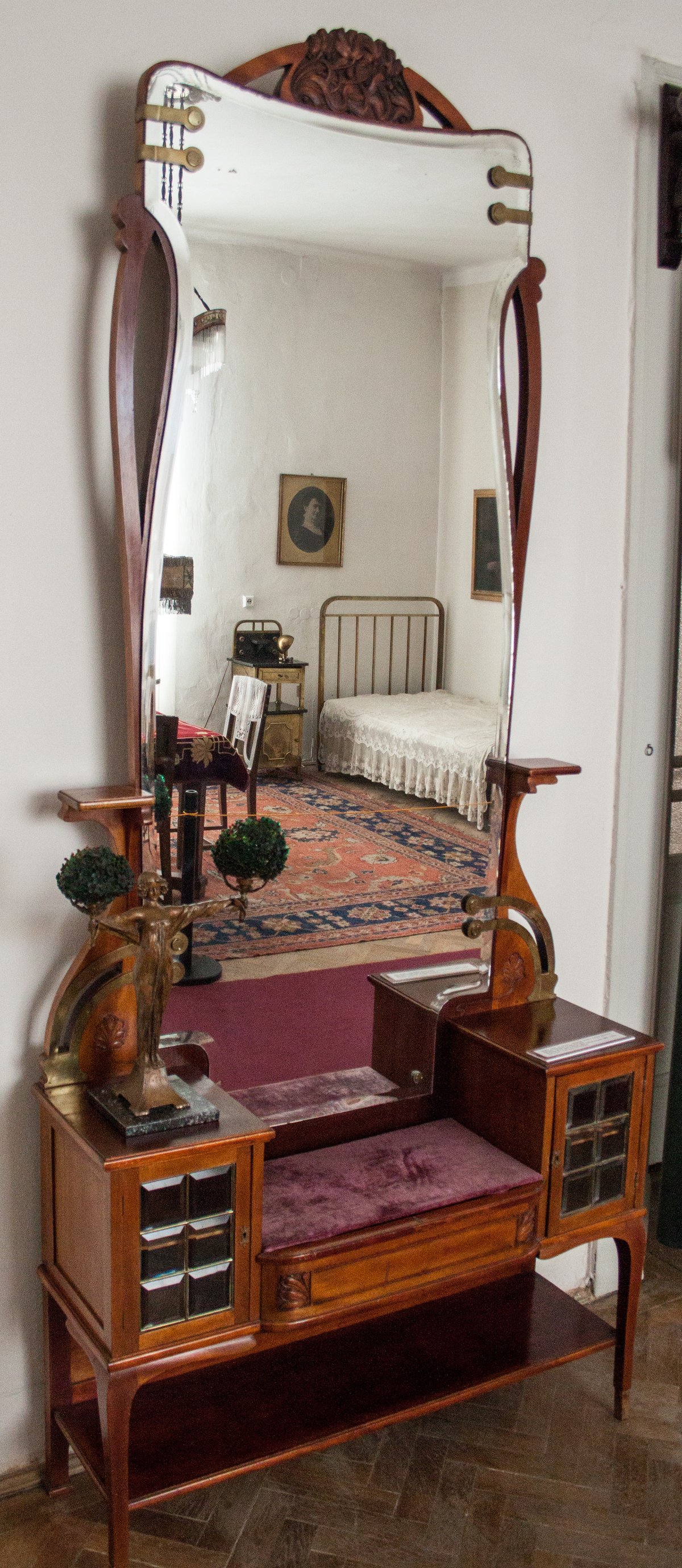
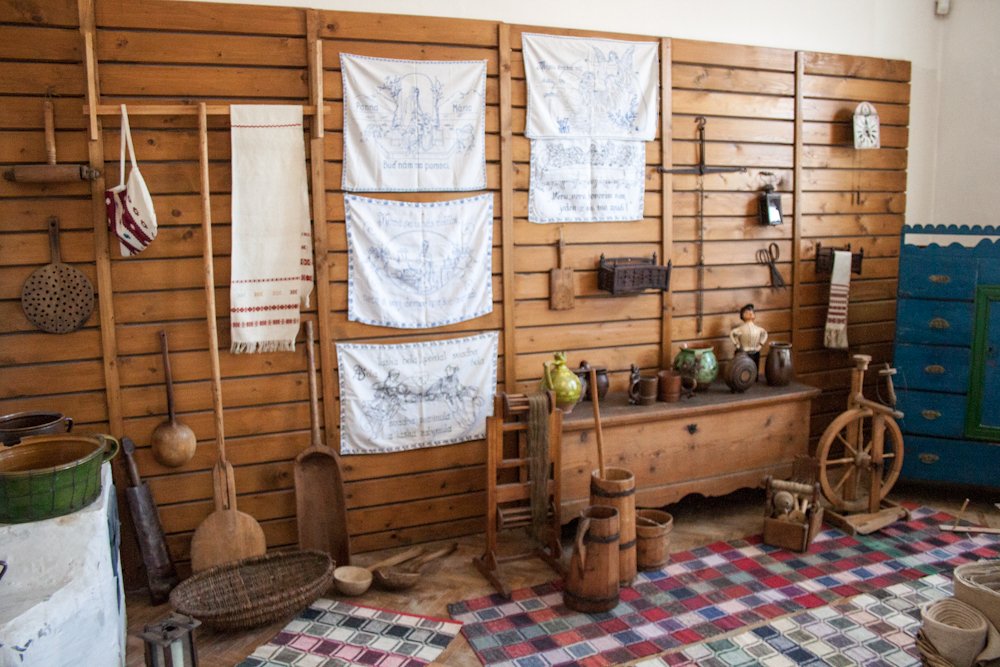
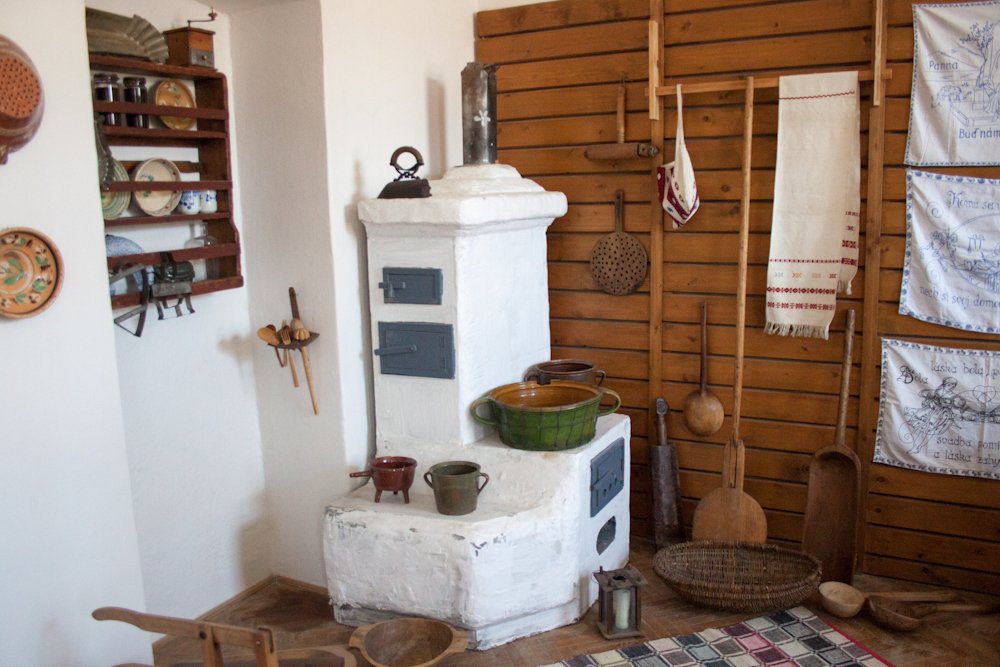
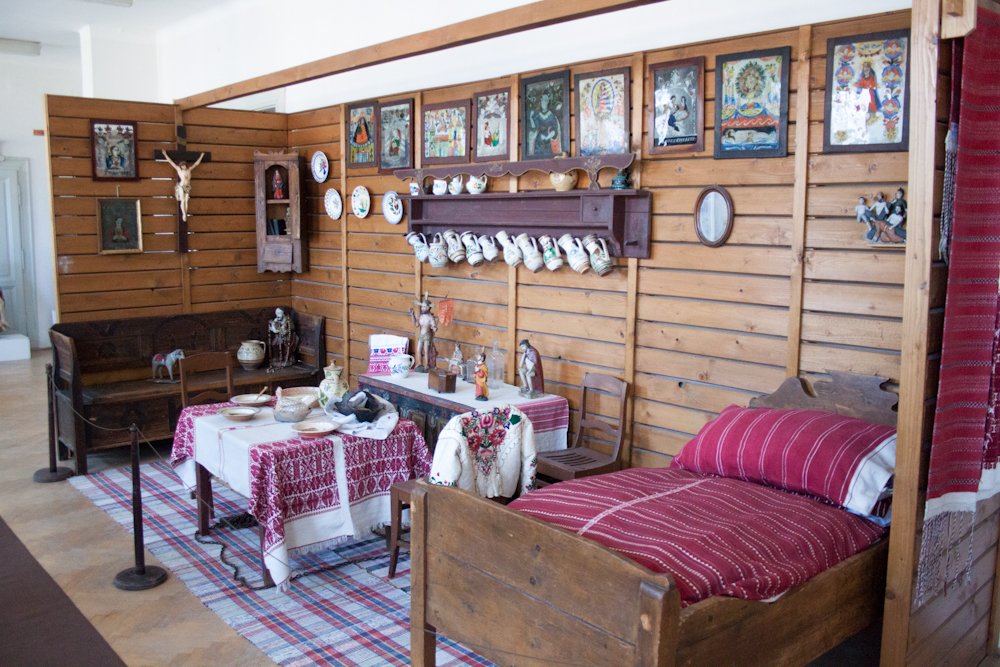
Ethnography & Folk Culture: Traditional costumes, tools, and the 1741 wooden church reflect the area’s multiethnic heritage.
Fine Arts: The “Centuries in Art” collection presents artworks from Gothic through modern periods.
Natural History: Detailed displays explore the Carpathian Mountains’ geology, flora, and fauna.
Specialized Sites: Exhibitions at the Executioner’s Bastion and Mikluš Prison delve into medieval justice, urban life, and the legacy of Francis II Rákóczi.
Temporary Exhibitions
Rotating exhibitions address themes from contemporary art to environmental issues, often in partnership with Slovak and international institutions.
Visitor Information
Opening Hours
- Tuesday–Sunday 9:00 AM – 5:00 PM
- Monday Closed
- Special Events Extended hours during events like the Night of Museums
Tickets & Admission
- Adults ~€5
- Seniors/Students ~€3
- Children under 6 Free
- Discounts Family/group rates; free entry for children under 10, ICOM cardholders, disabled visitors, and Janský Medal holders
- Purchase At the entrance or online
Accessibility
- Wheelchair ramps and elevators
- Tactile exhibits for visually impaired visitors
- Exhibition texts in Slovak, English, and Hungarian
- Multilingual guided tours available
Facilities
- Museum shop with books and souvenirs
- Cloakroom and restrooms
- Nearby restaurants and cafés
(slovakia.travel; vsmuzeum.sk)
Community Engagement & Impact
Educational and Cultural Programs
The museum conducts over 200 educational events annually, including hands-on workshops, lectures, and special programs for schools. Initiatives such as “Museum for Schools” integrate the museum’s resources into local curricula, while temporary exhibitions address contemporary themes and underrepresented histories.
Inclusion and Accessibility
Efforts to broaden access include free admission days, digital exhibitions, and programs for seniors, students, and people with disabilities. The museum collaborates with local minority communities and artisans to ensure authentic representation of regional diversity.
Research and Volunteering
The museum’s archives and library support scholarly research. Volunteer and internship opportunities foster community involvement and professional training (trek.zone).
Travel Tips & Nearby Attractions
- Best Times to Visit Weekday mornings or during extended hours on the first Wednesday of each month
- Getting There Centrally located at Námestie Maratónu mieru; accessible by foot, public transit, or car (limited parking nearby)
- Nearby Landmarks St. Elisabeth Cathedral, State Theatre, Lower Gate Underground Museum, Old Town Square
- Plan for at least 1–2 hours to explore the main building and more time for satellite sites
Frequently Asked Questions (FAQ)
What are the East Slovak Museum visiting hours?
Open Tuesday–Sunday, 9:00 AM–5:00 PM; closed on Mondays.
How much do tickets cost?
General admission ~€5; discounts for seniors, students, and groups. Free for children under 6 and select groups.
Are guided tours available?
Yes, in Slovak, English, and Hungarian. Advance booking recommended for groups.
Is the museum accessible?
Main building and most sites are wheelchair accessible; staff assistance available.
Can I take photos?
Photography is allowed in most areas (no flash/tripods). Check signage for restrictions.
Where is the museum located?
Námestie Maratónu mieru 2, Košice; central and close to major attractions.