Plan and listen to Tomb Of The Unknown Soldier with Audiala.
Audio guide in your pocket, itinerary in your browser. Built for the way you actually visit.
Introduction: Historical and Cultural Significance
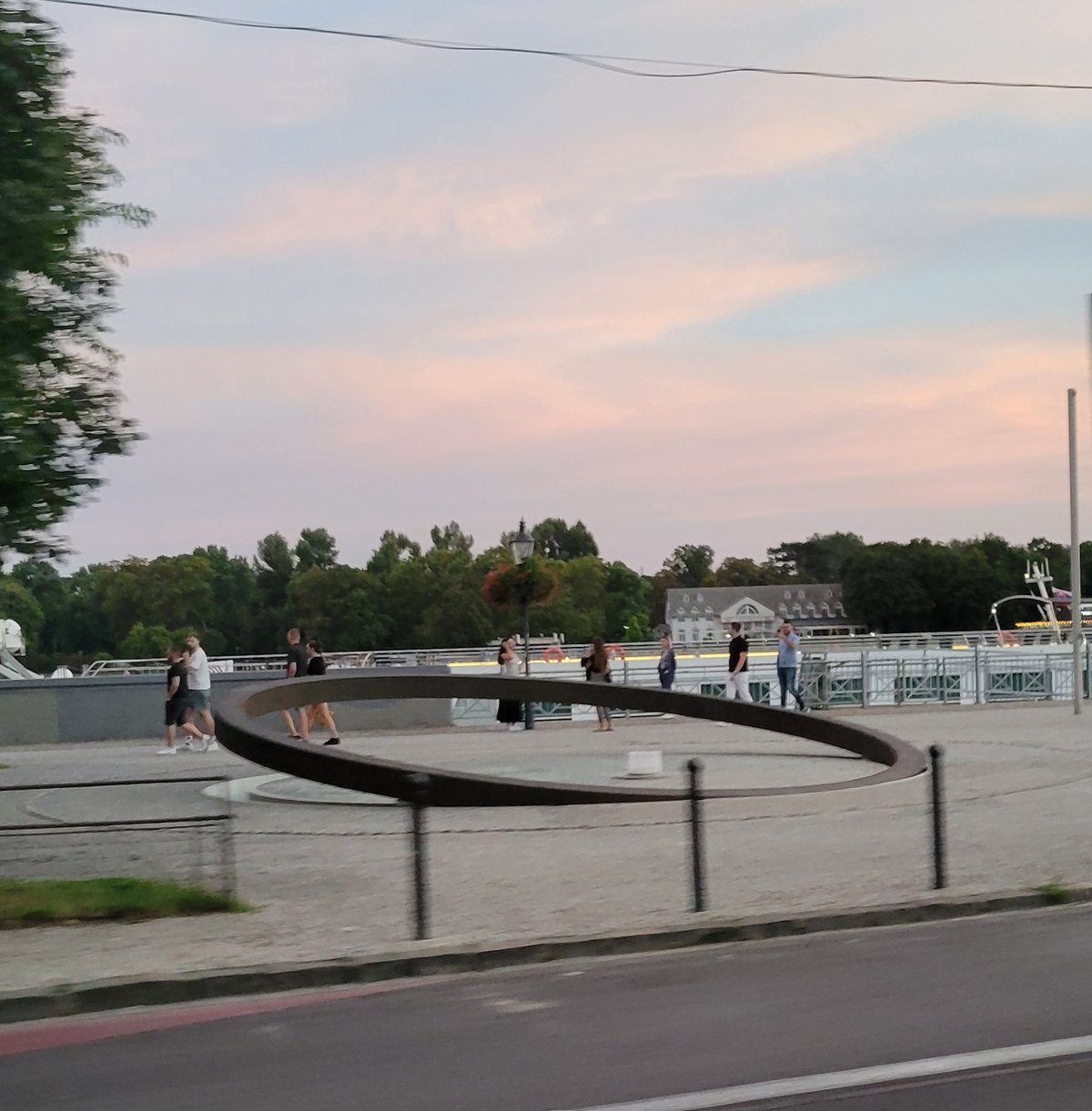
The Tomb of the Unknown Soldier in Bratislava stands as a poignant national monument honoring the sacrifices of unidentified Slovak soldiers, especially those who fought during significant conflicts such as the 1944 Carpathian-Dukla operation in World War II. Inspired by a global tradition that began after World War I, the tomb embodies Slovakia’s evolving national identity and reflects a collective memory of resilience and unity. Unveiled in December 2022, the memorial has quickly become a powerful symbol of remembrance, located on the Rázus Embankment in Bratislava’s city center. Its distinctive modern design—a levitating circular form resembling a shield—invites visitors to reflect on themes of protection, vulnerability, and national solidarity (Spectator.sk, Global Slovakia, Evendo).

Origins of the Tomb of the Unknown Soldier
The concept of a Tomb of the Unknown Soldier originated after World War I, when nations sought to honor the countless unidentified soldiers who perished in battle. The United Kingdom and France established the first such graves in 1920, followed by similar memorials in the United States and across the globe (Wikipedia, fighter-aircraft.com). These monuments serve as universal symbols of sacrifice and a nation’s collective memory, offering a place for all citizens to mourn and reflect.
Slovakia’s Historical Context
Slovakia’s history is marked by its role as a battleground in both world wars, with significant losses during the Carpathian-Dukla operation, a key campaign in the nation’s liberation from fascist forces in 1944 (thefreelibrary.com). For much of its history, Slovaks fought in foreign armies, a legacy reflected in the absence of a dedicated national war memorial until recently (Kafkadesk). Other monuments, such as the Slavin Memorial, commemorate Soviet soldiers but did not specifically honor Slovak unknowns (slovakia.com).
Establishment and Design of the Bratislava Tomb
Unveiling and Purpose
The Bratislava Tomb of the Unknown Soldier was unveiled on December 5, 2022, on the Rázus Embankment. It contains the remains of an unknown soldier from the 1st Czechoslovak Army, who fought in the Carpathian-Dukla operation. The tomb’s creation filled a symbolic gap in Slovakia’s commemorative landscape, providing a place for unified national remembrance (thefreelibrary.com).
Architectural and Artistic Features
- Design: The monument’s levitating circular shield design symbolizes both protection and vulnerability, evoking the enduring spirit of those who fought for freedom.
- Materials: Constructed from durable stone, the tomb mirrors the ruggedness of the Carpathian terrain where many soldiers fell (Global Slovakia).
- Inscription: The grave bears the inscription (in Slovak): “Here, they are like brothers all who fell nameless, and that is why they have one name: The unknown soldier.”
- Lighting: An eternal flame and nighttime illumination reinforce themes of perpetual remembrance.
Setting
Set within a landscaped area in the city center, the tomb is surrounded by benches and pathways conducive to quiet contemplation and ceremonial gatherings.
National Symbolism and Significance
- Unity: By honoring an unidentified soldier, the tomb transcends personal identity, rank, or ethnicity, emphasizing the equality of all sacrifices (fighter-aircraft.com).
- Collective Memory: The monument allows every citizen to connect personally to the national narrative.
- Democracy and Peace: The tomb is a reminder that freedom and democracy require ongoing vigilance and respect for those who secured them (Spectator.sk).
Location, Accessibility, and How to Visit
Address: Rázus Embankment (Rázusovo nábrežie), Bratislava city center, near the Danube River and Presidential Palace.
Getting There:
- Walking: Approximately a 10-minute walk from Main Square or Bratislava Castle.
- Public Transport: Tram and bus stops (e.g., Most SNP) are located nearby.
- Parking: Limited; public transport is recommended.
Accessibility: The site is wheelchair accessible, with paved paths and ramps for easy navigation.
Visiting Hours and Ticketing
- Opening Hours: The tomb is open to visitors daily. Most sources report 24/7 access, but for the best and safest experience, visit during daylight hours (typically recommended 8:00 AM to 8:00 PM).
- Admission: Free entry; no tickets required (Evendo).
Guided Tours and Special Events
- Guided Tours: Available through local tour operators and the Bratislava Tourist Information Center. These may be part of broader historical tours—booking in advance is recommended, especially during peak seasons (visitbratislava.com).
- National Commemorations: Ceremonies are held on significant anniversaries, such as Memorial Day and the Slovak National Uprising, featuring wreath-laying, speeches, and, occasionally, a changing of the guard.
Visitor Experience: Etiquette, Facilities, and Safety
Etiquette:
- Maintain a respectful silence, especially near the tomb.
- Dress modestly as a sign of respect.
- Photography is allowed but avoid disruptive behavior or inappropriate posing.
- Laying flowers and lighting candles is encouraged, especially during commemorative events.
Facilities:
- Limited amenities on-site: no restrooms or food vendors. The closest facilities are in the city center.
- Benches and shaded areas available for rest and reflection.
Safety:
- The area is generally safe, with low crime rates.
- Visiting during daylight is recommended for safety and better visibility.
Nearby Attractions
- Bratislava Castle: Panoramic city views and historical exhibits.
- Presidential Palace and Gardens: Nearby and accessible by foot.
- Old Town: Cafés, shops, and architectural landmarks.
- Slavin Memorial: Large war cemetery and monument to Soviet soldiers (slovakia.com).
Frequently Asked Questions (FAQs)
Q: What are the visiting hours of the Tomb of the Unknown Soldier in Bratislava?
A: Open daily, 24 hours; daylight visits are recommended.
Q: Is admission free?
A: Yes, there is no entrance fee.
Q: Are guided tours available?
A: Yes, book through local operators or the Tourist Information Center.
Q: Is the site wheelchair accessible?
A: Yes, with paved paths and ramps.
Q: How do I reach the tomb by public transport?
A: Take tram or bus to Most SNP or nearby stops, then follow signs to the embankment.
Listen to the full story in the app
The whole Tomb Of The Unknown Soldier,
told well.
Audio guides for 1,100+ cities across 96 countries. History, stories, and local insight — offline ready.
Verified, and shown.
Researched and written by the Audiala editorial team from historical records, architectural archives, and local expertise.
Researched from Wikidata, Wikipedia & official sources · fact-checked · How we make our guides →