Plan and listen to Esterházy Palace with Audiala.
Audio guide in your pocket, itinerary in your browser. Built for the way you actually visit.
Introduction
Esterházy Palace in Bratislava is a striking example of Neo-Renaissance architecture and one of the city's most significant cultural monuments. Nestled in the heart of the Old Town, the palace has served as an emblem of Slovak aristocracy, a hub for the arts, and a prominent venue for the Slovak National Gallery. This comprehensive guide explores the palace’s historical evolution, architectural highlights, visiting hours, ticketing details, accessibility, and surrounding attractions—offering all the essential information for both first-time visitors and seasoned travelers interested in Bratislava's rich heritage. For current exhibitions, events, and visitor services, always refer to the official websites of the Slovak National Gallery and Palais Esterházy. (Trek Zone, palais-esterhazy.com, Slovak National Gallery)

Origins and Development
Esterházy Palace, located at Námestie Ľudovíta Štúra 4 in Bratislava’s Old Town, was commissioned in the 17th century by the influential Esterházy family—key figures in the Habsburg Empire renowned for their patronage of the arts. The palace’s construction marked Bratislava’s transformation into a vibrant urban center, reflecting both aristocratic grandeur and the city's embrace of modernity. (Trek Zone)
The Esterházy Family and the City
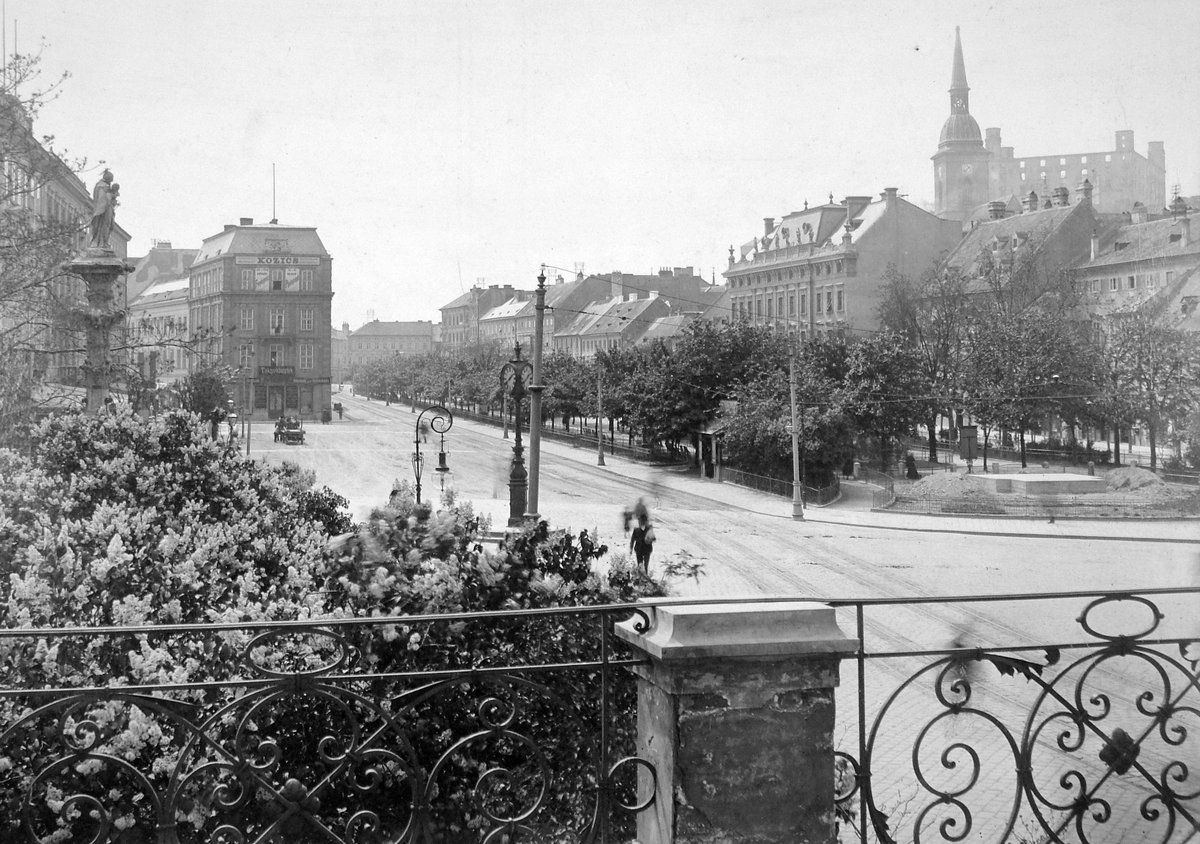
As patrons of music and fine arts, the Esterházys left an indelible mark on Bratislava’s cultural landscape. The palace, strategically situated near the Danube, became a focal point for aristocratic gatherings and artistic events, especially during the era when Bratislava (then Pressburg) was the coronation city for Hungarian monarchs. (palais-esterhazy.com)
Twentieth-Century Transformations
After the collapse of the Austro-Hungarian Empire, the palace adapted to new roles. In the 1950s, it became one of the main sites for the Slovak National Gallery, ensuring its preservation and continuous public engagement. The integration of modern gallery spaces within the historic structure allowed for dynamic programming and exhibitions. (visitbratislava.com)
Architectural Significance
Neo-Renaissance Style
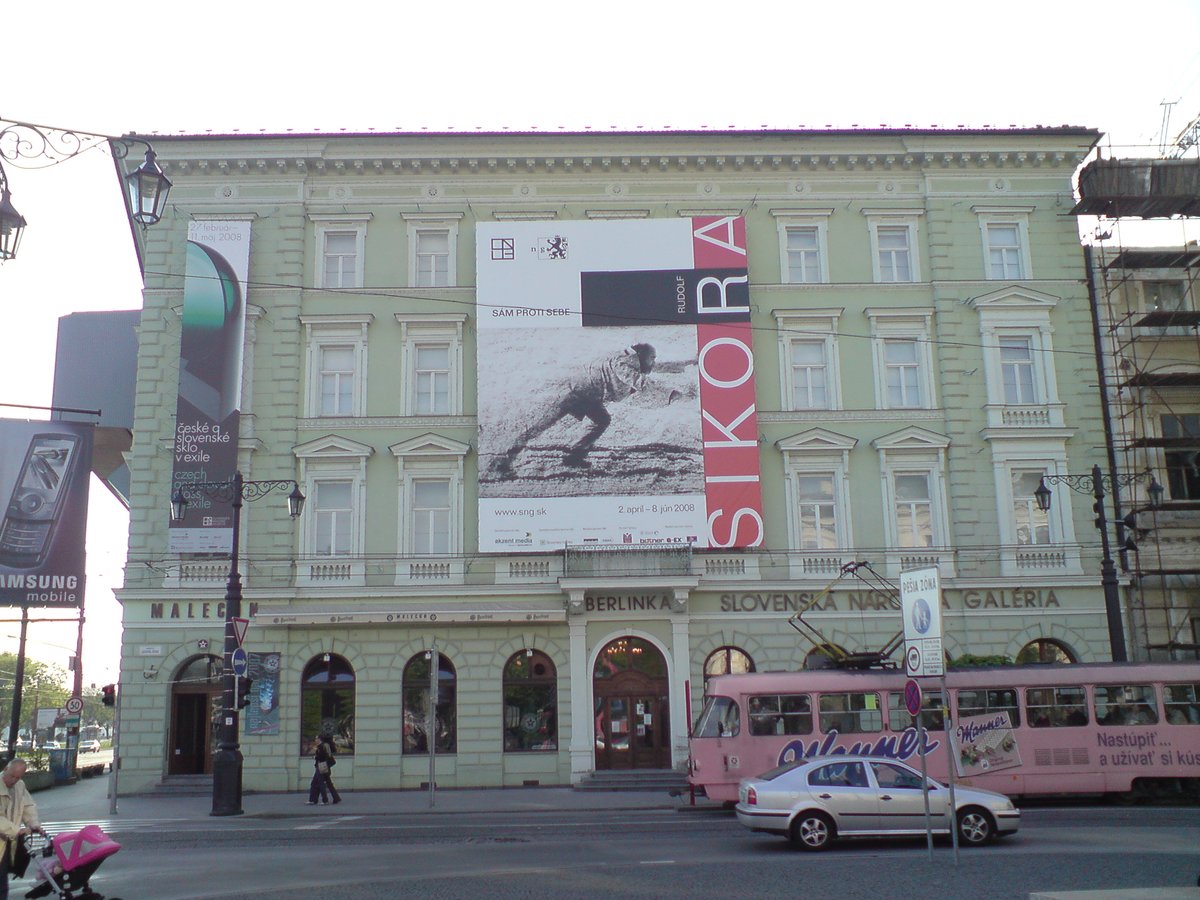
The palace’s architecture embodies the Neo-Renaissance style, characterized by its symmetrical façade, ornate window frames, and decorative cornices. These elements project both the Esterházy family's sophistication and the broader cultural aspirations of 19th-century Bratislava. (Trek Zone)
Interior Features
Inside, the palace features grand staircases, decorative ceilings, and elements that evoke its aristocratic past. Many original features are preserved and seamlessly integrated with modern exhibition spaces, providing an ambiance where history and contemporary art coexist. (Esterházy Palace Highlights)
Urban Context
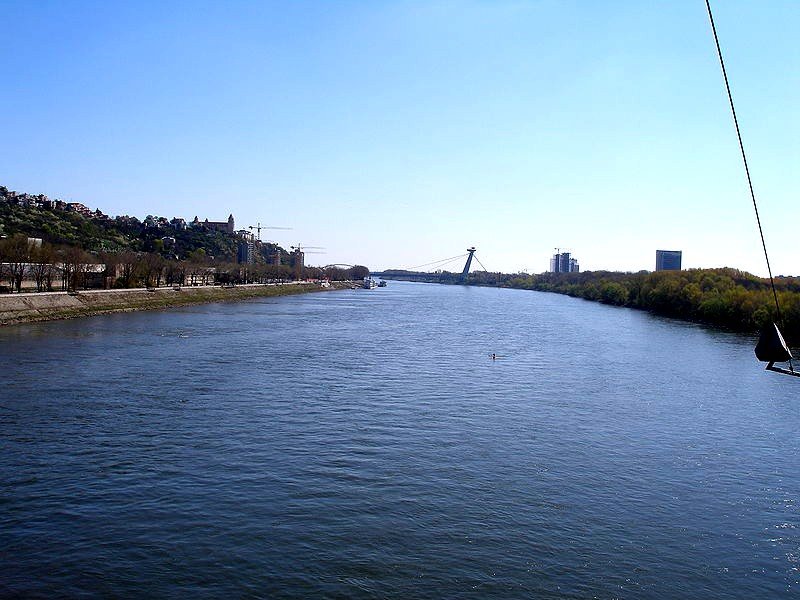
The palace is surrounded by key historical sites, including St. Martin’s Cathedral, Primate’s Palace, and the Old Town Hall. Its proximity to the Danube riverfront places it within a thriving cultural district, making it a perfect starting point for exploring Bratislava’s heritage. (Trek Zone)
Restoration and Modern Use
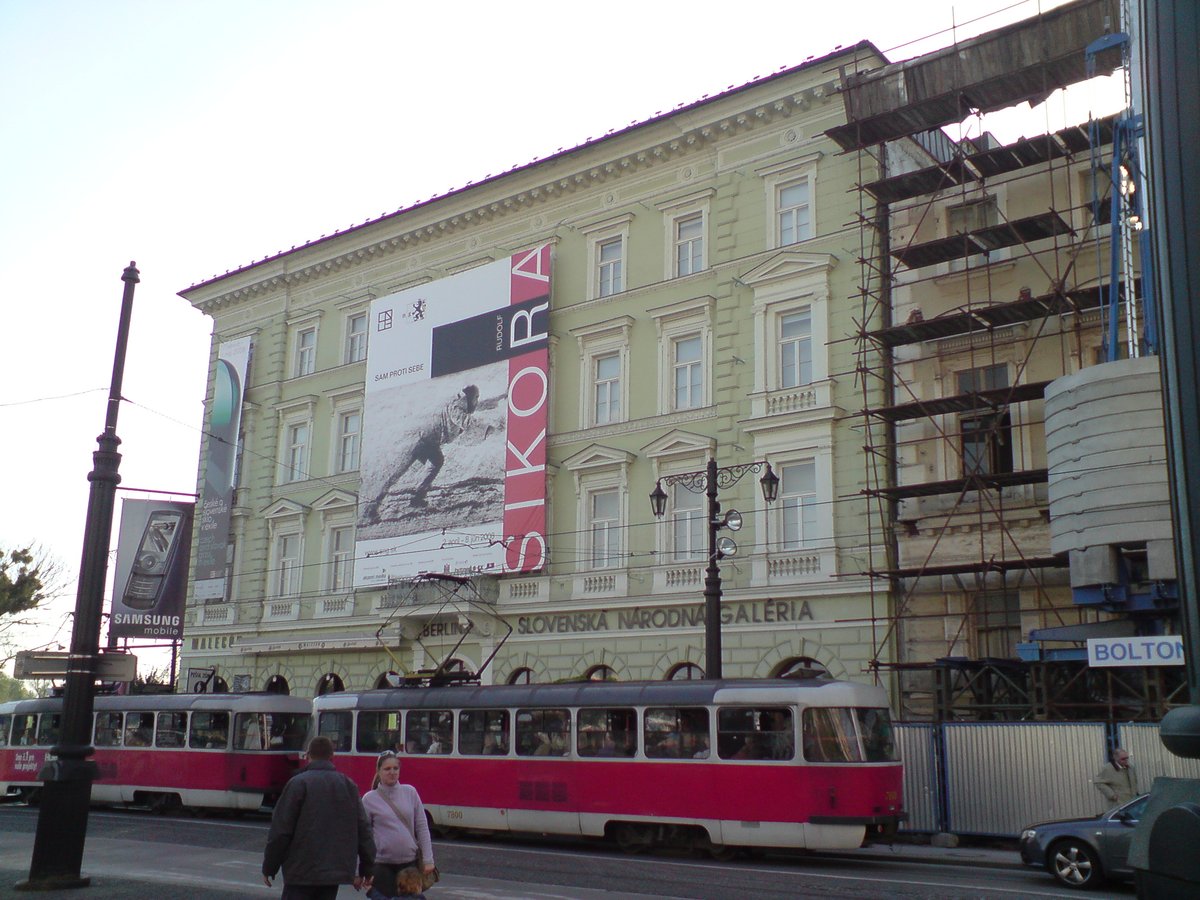
Ongoing restoration projects aim to enhance accessibility and visitor amenities while preserving historical integrity. The palace’s role as the Slovak National Gallery ensures a steady flow of exhibitions and public events, maintaining its relevance in Bratislava’s cultural scene. (rphinternational.com)
Essential Visitor Information
Location and Accessibility
- Address: Námestie Ľudovíta Štúra 4, Staré Mesto, Bratislava, Slovakia
- Public Transport: Easily accessible by tram, bus, and on foot from most city center locations.
- Parking: Limited and regulated; public garages and parking lots are available nearby.
Visiting Hours and Tickets
- Opening Hours: Generally open daily from 10:00 am to 5:00 pm. Always verify on the Slovak National Gallery website due to ongoing restoration and special events.
- Tickets: Prices vary by exhibition and visitor category; discounts for students, seniors, and children. Purchase tickets online or on-site. (Slovak National Gallery ticket page)
Accessibility
- The palace is making significant strides in accessibility, including step-free entrances, elevators, and accessible restrooms in modernized sections.
- Some areas may remain challenging due to the building’s heritage status.
- For specific needs, contact the palace or the city’s accessibility infoline (+421 904 099 004).
Facilities
- Restrooms: Accessible facilities available on the ground floor and Beletage.
- Café: The historic Berlinka café offers refreshments in a cultural setting.
- Bookshop: Art books, exhibition catalogues, and souvenirs available on-site.
Tips for Visiting
- Allocate 1.5–2 hours for a full visit.
- Best times to visit are weekday mornings and late afternoons to avoid crowds.
- Combine your visit with nearby attractions such as St. Martin’s Cathedral and the Danube riverfront.
- Photography is allowed without flash in most areas.
Exhibitions and Events
Permanent Exhibitions
- "At the table! A princely banquet" recreates an aristocratic dining experience from the early 19th century in the White Hall.
- "Schewa Kehilot" explores the Esterházy family’s role as protectors of Jewish communities. (Esterházy Palace Exhibitions)
Temporary Exhibitions
- Rotating exhibitions focus on fine arts, historical documents, and multimedia installations, often in collaboration with regional galleries and museums.
Musical and Cultural Events
- The palace hosts concerts, chamber music, and lectures in its elegant halls.
- During citywide festivals like Viva Musica!, Bratislava Coronation Days, and White Night, the palace participates in special programming. (Visit Bratislava Exhibitions & Events)
Surrounding Bratislava Historical Sites
- Bratislava Castle: Offers panoramic city views and historical exhibitions.
- Primate’s Palace: Renowned for its Hall of Mirrors and neoclassical architecture.
- Grassalkovich Palace: The presidential residence with free-entry French gardens.
- Devin Castle: A short trip away, offering ruins, river views, and ancient history.
- Danube River Cruises: Scenic trips to Vienna or local sightseeing.
For more on Bratislava’s attractions, see Third Eye Traveller Bratislava and PlanetWare Bratislava Attractions.
Accessibility and Visitor Services
Getting There
- By Public Transport: Closest tram and bus stops are within a 5–10 minute walk. Low-floor vehicles are available.
- By Car: Use nearby public parking; limited spaces for disabled badge holders.
Facilities
- Restrooms: Accessible toilets available in modernized palace sections and nearby public buildings.
- Food & Drink: Numerous accessible restaurants and cafés in the Old Town.
- Accommodation: Several hotels nearby offer accessible rooms—check booking platforms for details.
Safety and Practical Tips
- Watch for uneven cobblestones and variable weather.
- Be aware of pickpockets in crowded tourist areas.
- Dress appropriately for the season.
Frequently Asked Questions (FAQ)
Q: What are the current Esterházy Palace opening hours?
A: Typically 10:00 am–5:00 pm, but always check the official website for updates.
Q: How do I purchase tickets?
A: Buy online or at the palace; discounts available for eligible visitors.
Q: Is Esterházy Palace fully accessible?
A: Most public areas are accessible, but historic features may pose challenges. Contact in advance if you have specific needs.
Q: Are guided tours available?
A: Yes, in multiple languages. Booking in advance is recommended.
Q: Can I take photographs inside?
A: Yes, without flash in most areas.
Anticipated Developments
Esterházy Palace is undergoing extensive restoration, aiming for a reopening by late 2025. The project will blend luxury residential spaces, enhanced public amenities, and improved accessibility, cementing the palace’s role as a vibrant cultural hub. (YIM.BA Esterházy Palace Reconstruction)
Summary & Recommendations
Esterházy Palace stands as a testament to Bratislava’s aristocratic heritage and modern cultural vitality. Whether you are captivated by Neo-Renaissance architecture, historical exhibitions, or city festivals, the palace offers a rewarding experience. Plan your visit by checking the latest opening hours and ticket options, and enrich your stay by exploring nearby historical sites.
Quick visitor checklist:
- Confirm visiting hours and ticket prices.
- Book guided tours and check accessibility features as needed.
- Include surrounding landmarks and festivals in your itinerary.
- Download the Audiala app for guided tours and up-to-date travel tips.
Listen to the full story in the app
The whole Esterházy Palace,
told well.
Audio guides for 1,100+ cities across 96 countries. History, stories, and local insight — offline ready.
Verified, and shown.
Researched and written by the Audiala editorial team from historical records, architectural archives, and local expertise.
Researched from Wikidata, Wikipedia & official sources · fact-checked · How we make our guides →