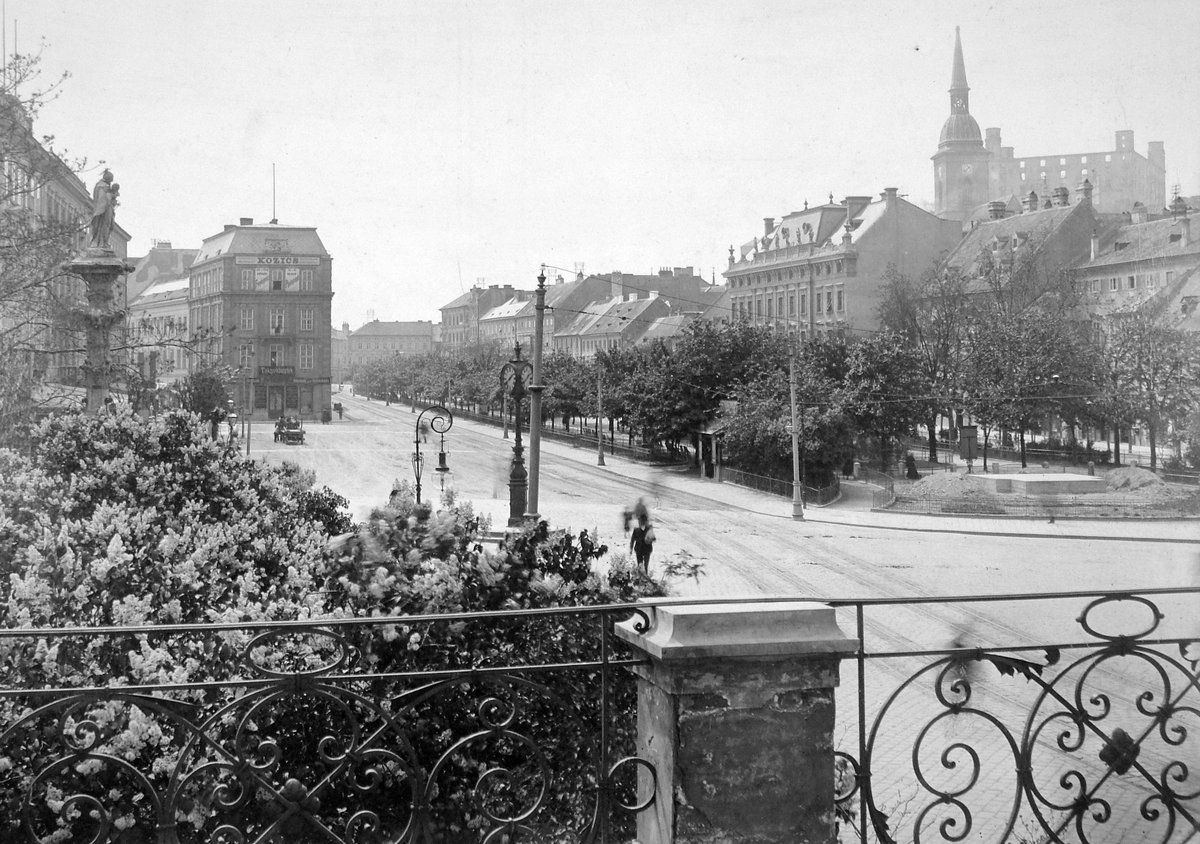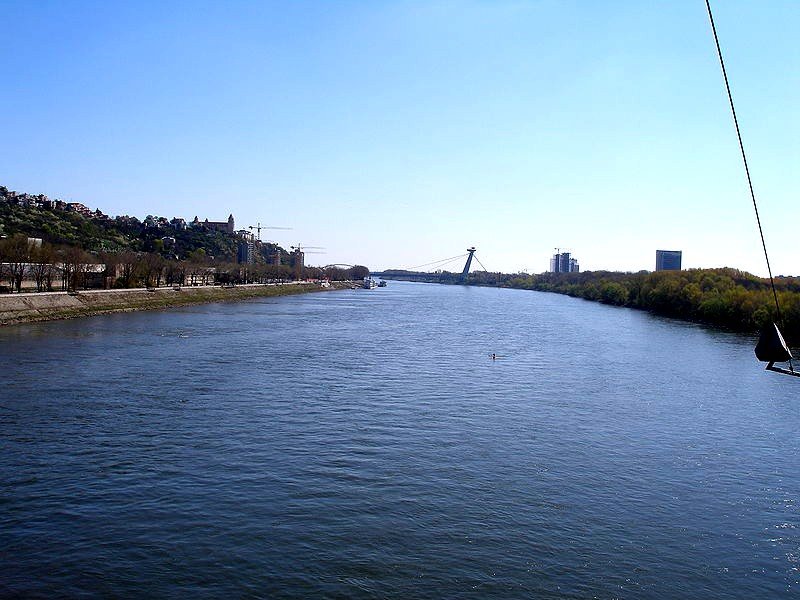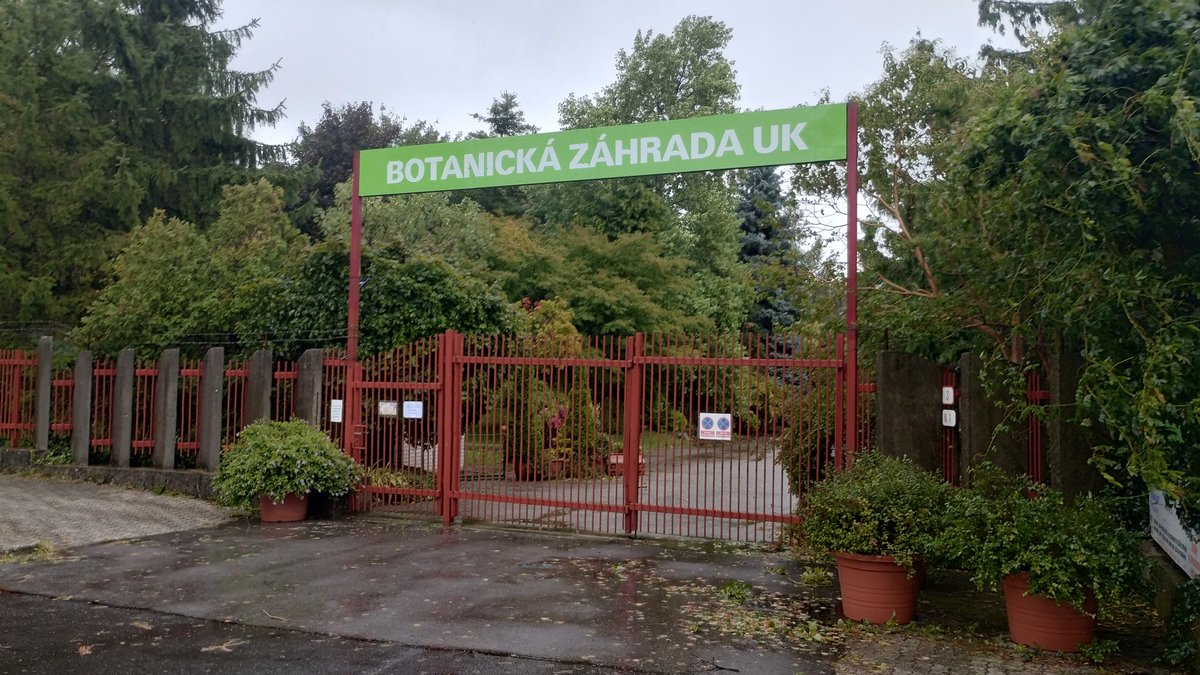
Plan and listen to Botanical Garden Of The Comenius University with Audiala.
Audio guide in your pocket, itinerary in your browser. Built for the way you actually visit.
Introduction
The Botanical Garden of Comenius University in Bratislava is a living symbol of Slovakia’s dedication to botanical research, education, and the preservation of natural beauty. Established in 1942 and covering approximately 6.6 hectares, this is the country’s oldest and largest university botanical garden. With over 4,000 plant species, thematic gardens, and extensive greenhouses, it offers visitors a fascinating blend of science, culture, and tranquility within Bratislava’s bustling urban landscape (wikipedia_en; thecrazytourist.com).
This comprehensive guide covers the garden’s history, collections, practical visitor information, accessibility, special events, and nearby attractions—ensuring you make the most of your visit, whether you’re a botanist, student, family, or traveler seeking green spaces among Bratislava’s historical sites (uniba.sk; slovakia.travel; livetheworld.com; myguideslovakia.com).

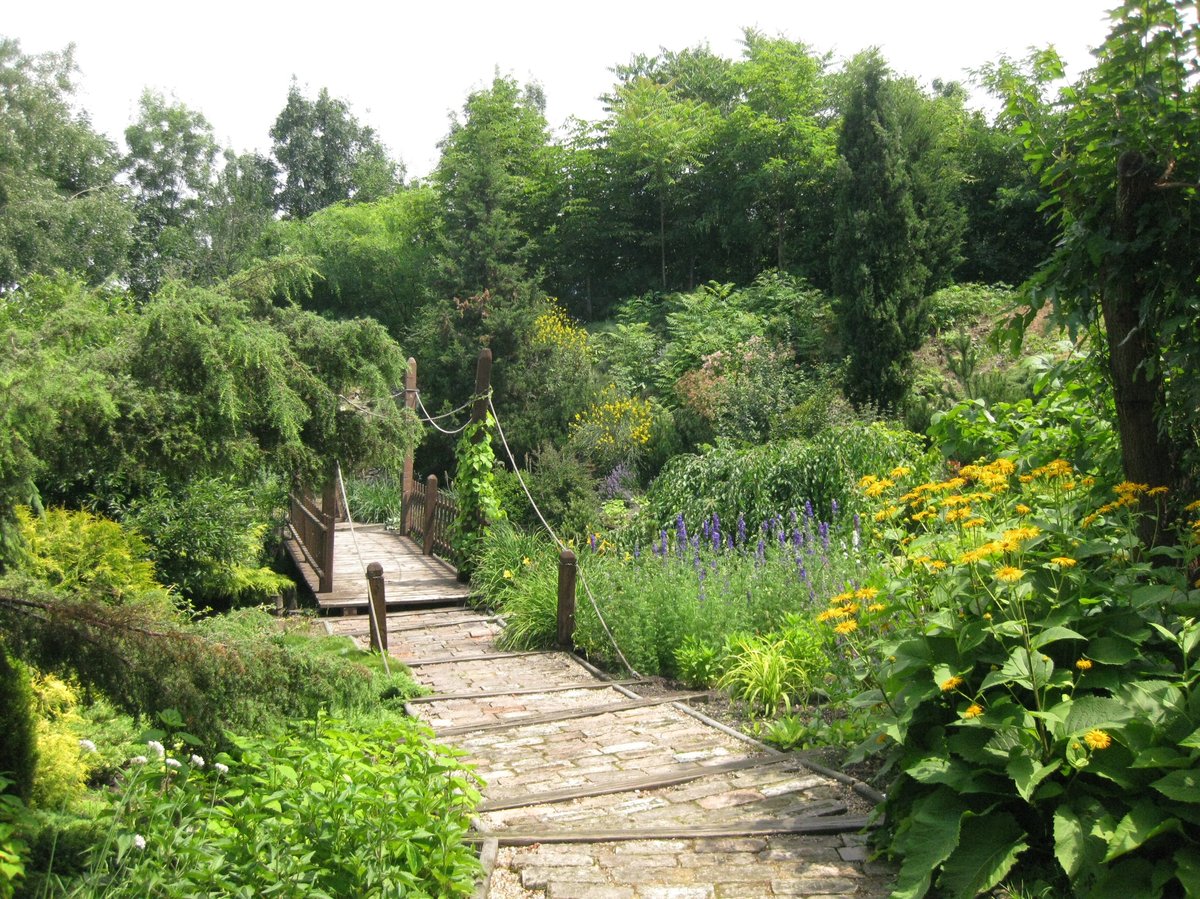
Garden History and Scientific Legacy
Early Botanical Traditions
Bratislava’s botanical legacy dates back to 1653, when Archbishop Georg Lippay established the region’s first botanical garden in the park of the archbishops’ summer palace. This early garden represented a pioneering step in scientific horticulture and public education in the Kingdom of Hungary (thursd.com). Although it did not survive, it laid the foundation for later botanical endeavors.
Foundation and Postwar Development
The modern Botanical Garden of Comenius University was founded in 1942 under the leadership of Professor František Nábělek. Built during the challenges of World War II, the garden’s initial infrastructure—irrigation, greenhouses, and systematic collections—was completed by the early 1950s. It was formally opened to the public in 1949, quickly becoming a center for research and recreation (wikipedia_en).
Scientific and Educational Role
Since 1952, the garden has been a hub for international seed exchange, collaborating with over 500 botanical gardens worldwide. Its collections and research have supported taxonomy, conservation, and acclimatization projects, while serving as a practical training ground for university students (wiki-gateway.eudic.net; dissco.eu).
Modernization and Current State
Despite area reductions due to urban infrastructure projects in the 1980s and greenhouse reconstructions in the 1990s, the garden remains a leader in biodiversity, conservation, and public outreach. Today, it features modern facilities, thematic zones, and a wide array of plant species, including over 1,200 cacti, making it a vital scientific and cultural institution (slovakia.travel).
Layout and Plant Collections
Garden Structure
The garden is thoughtfully divided into outdoor thematic sections and interconnected greenhouses:
- Systematic Section: Plants organized by evolutionary relationships, ideal for educational walks.
- Geographical Section: Flora grouped by continent and region, including European, Asian, and North American plants.
- Rosarium: A celebrated rose garden with 120–150 hybrid varieties, best viewed in late spring and early summer.
- Rock and Alpine Gardens: Over 400 alpine species, with vibrant displays in spring.
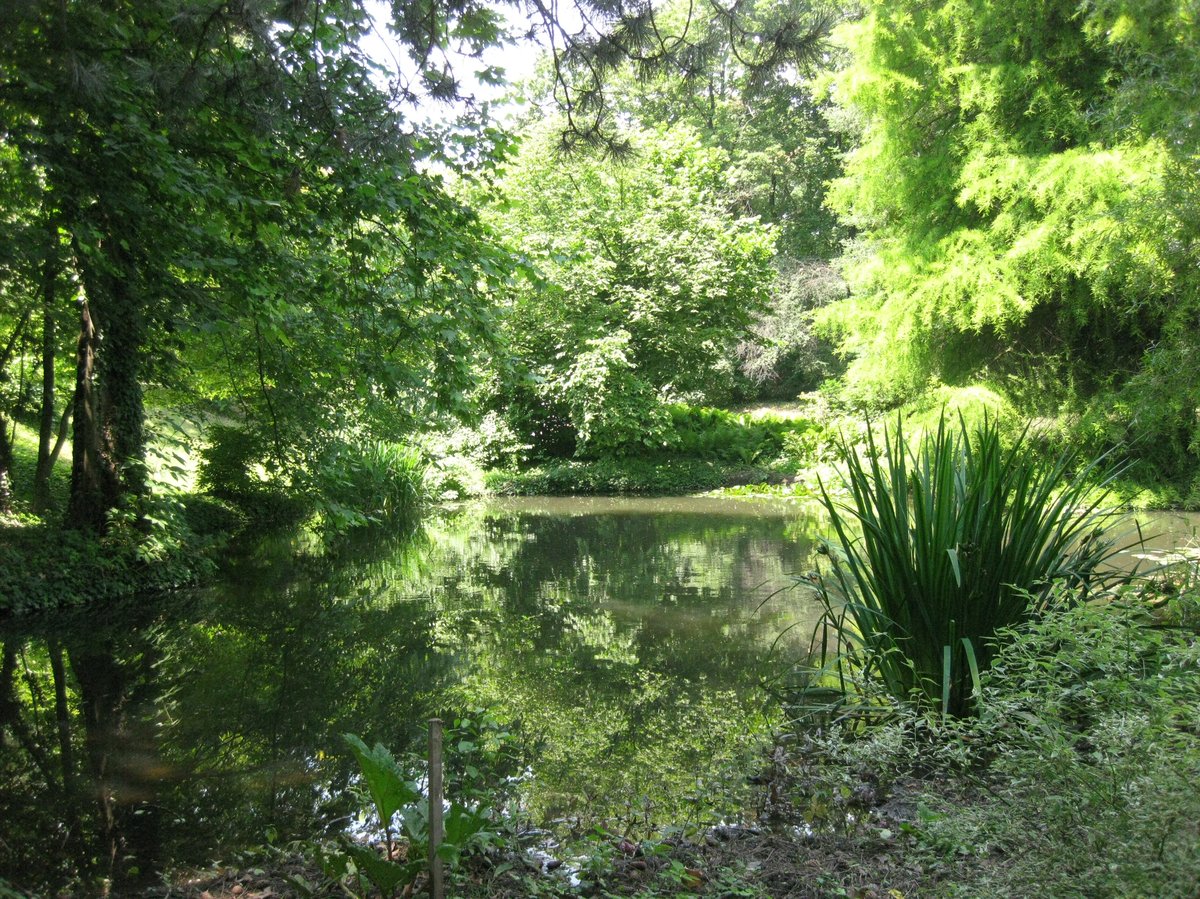
- Water Features: Ponds and marsh beds supporting aquatic plants and wildlife.
- Arboretum: A diverse collection of trees and shrubs from around the world, providing shaded walks.
- Medicinal and Useful Plants: Educational beds highlighting herbs, spices, and traditional medicinal species.
Greenhouse Expositions
Three main greenhouses (totaling over 1,700 m²) house:
- Tropical and Subtropical Plants: Palms, orchids, ferns, bromeliads, and tropical fruit trees.
- Cacti and Succulents: Over 1,200 species from the Americas and Africa.
- Orchids: Approximately 300 species and hybrids, with peak blooms in late winter and spring.
- Exhibition Displays: Rotating exhibitions featuring rare or flowering plants.
Conservation and Research
The garden’s active participation in global conservation networks (such as the Index Seminum) and its collaboration with the Plant Science and Biodiversity Centre of the Slovak Academy of Sciences make it a hub for plant physiology, ecology, and endangered species preservation (BGCI; dissco.eu).
Visiting Hours and Tickets
- Season: Open annually from April 1 to October 31.
- Hours: Daily, 9:00 AM to 6:00 PM (last entry at 5:30 PM).
- Tickets: Admission is typically under €5 for adults, with discounts for students, seniors, children, and families. Children under 6 usually enter free. Group and family rates are available. Tickets can be purchased at the entrance or online via the official website (xplrverse.com).
- Discounts: The Bratislava digital “sustainability discount card” offers 15% off entry at eco-certified attractions, including the garden (xplrverse.com).
For the latest prices and special offers, always check the official website before your visit.
Accessibility and Facilities
- Paths: Most main paths are paved and accessible to wheelchairs and strollers; some older or alpine sections may have steps or uneven terrain (kamnavylet.sk).
- Rest Areas: Benches and shaded picnic spots are found throughout the garden.
- Restrooms: Located near the entrance and at selected points inside.
- Refreshments: A café or snack kiosk operates during peak months.
- Gift Shop: Botanical souvenirs, seeds, and local products are available at the entrance.
- Pets: Only guide dogs are permitted.
Guided Tours and Special Events
- Guided Tours: Available for groups and individuals in Slovak and English; advance booking is required (travelguide.sk).
- Workshops and Lectures: Regularly held on topics including gardening, plant conservation, and biodiversity.
- Annual Events: Rose Festival, seasonal plant fairs, and thematic exhibitions attract both locals and tourists (myguideslovakia.com).
Visitor Tips and Travel Advice
- Best Times to Visit: Early mornings or late afternoons on weekdays are quieter. Peak bloom seasons (spring for roses, autumn for foliage) are especially popular.
- Weather: Dress for the season; bring water and sun protection in summer.
- Transport: Public transport is recommended. Tram and bus lines from the city center stop close to the main entrance in the Karlova Ves borough (livetheworld.com).
- Photography: Personal photography is welcome; professional shoots require permission.
- Picnics: Allowed in designated areas; respect the environment and dispose of litter responsibly.
- Language: Most signage is in Slovak with some English translations; staff often speak English.
Nearby Attractions
The garden’s convenient location near the Danube and Lafranconi Bridge allows visitors to combine their trip with:
- Bratislava Castle and Old Town: A short tram or bus ride away, perfect for a full-day city exploration (destinationabroad.co.uk).
- Riverside walks and cycling: Scenic paths along the Danube.
- Little Carpathians: Hiking and wine routes for nature and culture lovers.
Frequently Asked Questions (FAQ)
Q: What are the Botanical Garden Bratislava visiting hours?
A: Open daily from April 1 to October 31, 9:00 AM to 6:00 PM. Last entry at 5:30 PM.
Q: How much do tickets cost?
A: Standard adult tickets are under €5, with discounts for students, seniors, and families. Children under 6 enter free.
Q: Are guided tours available?
A: Yes, for groups and individuals, in Slovak and English. Book in advance.
Q: Is the garden wheelchair accessible?
A: Most main paths are accessible; some areas may have steps or uneven surfaces.
Q: Can I bring food for a picnic?
A: Yes, in designated picnic areas.
Q: Are pets allowed?
A: Only guide dogs are permitted.
Listen to the full story in the app
The whole Botanical Garden Of The Comenius University,
told well.
Audio guides for 1,100+ cities across 96 countries. History, stories, and local insight — offline ready.
Verified, and shown.
Researched and written by the Audiala editorial team from historical records, architectural archives, and local expertise.
Researched from Wikidata, Wikipedia & official sources · fact-checked · How we make our guides →