Plan and listen to Skadarlija with Audiala.
Audio guide in your pocket, itinerary in your browser. Built for the way you actually visit.
Introduction: The Bohemian Soul of Belgrade
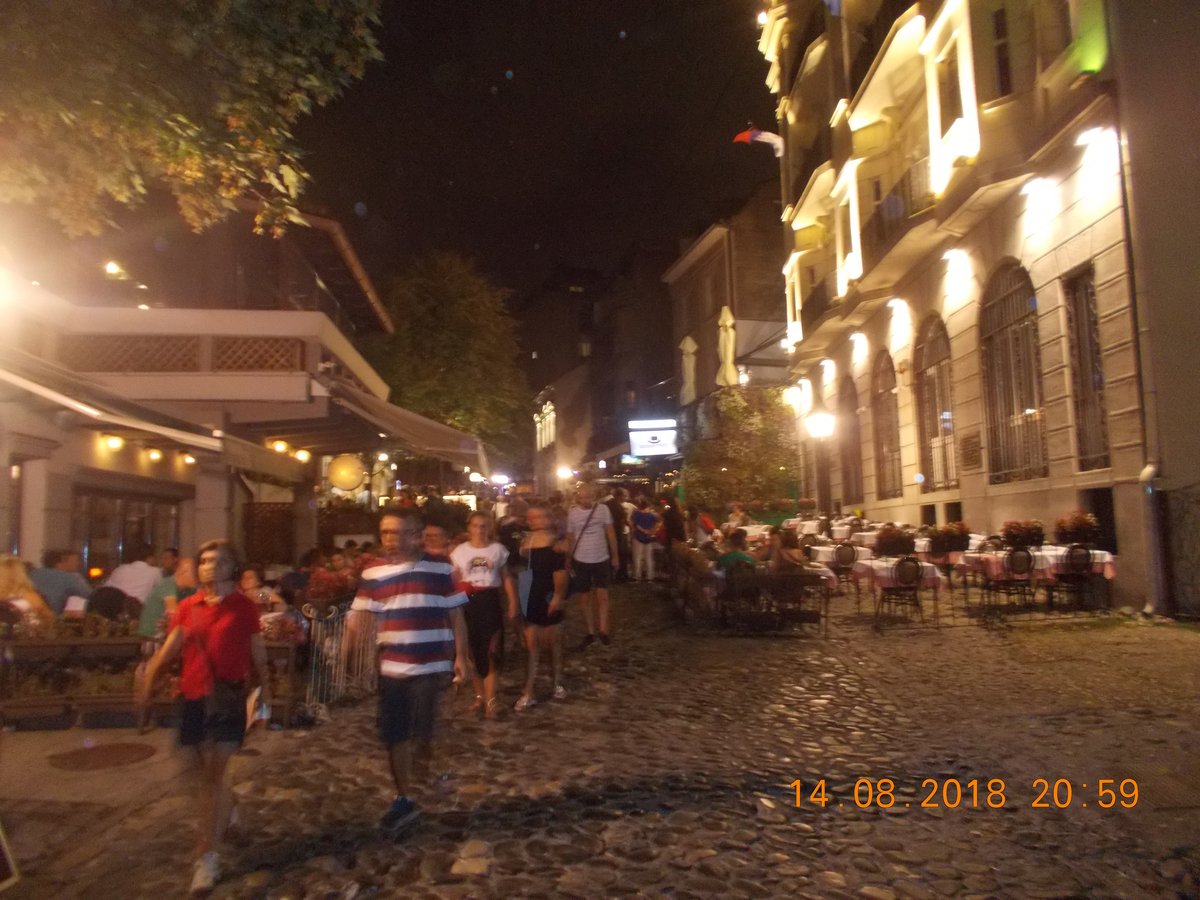
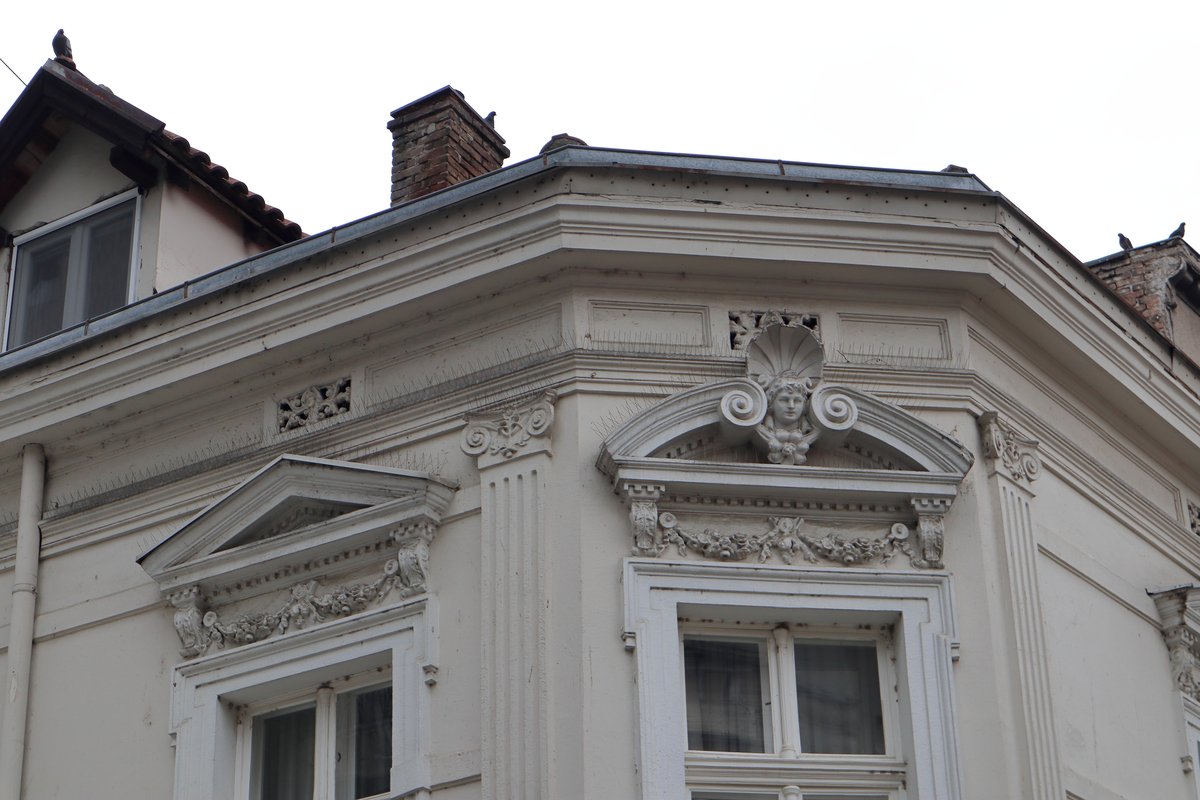
Skadarlija, often hailed as the "Montmartre of Belgrade," is a vibrant historic quarter nestled in Serbia’s capital. Famous for its cobblestone streets, traditional kafanas (Serbian taverns), and a lively artistic heritage, Skadarlija serves as a living testament to centuries of creative and social life in Belgrade. What began in the 18th century as a modest Romani settlement evolved into a cultural hub for poets, artists, and intellectuals, thriving today with year-round festivals, culinary delights, and immersive experiences for visitors of all interests (011info, Wikipedia, Visit Belgrade).


Early Origins and Urban Development
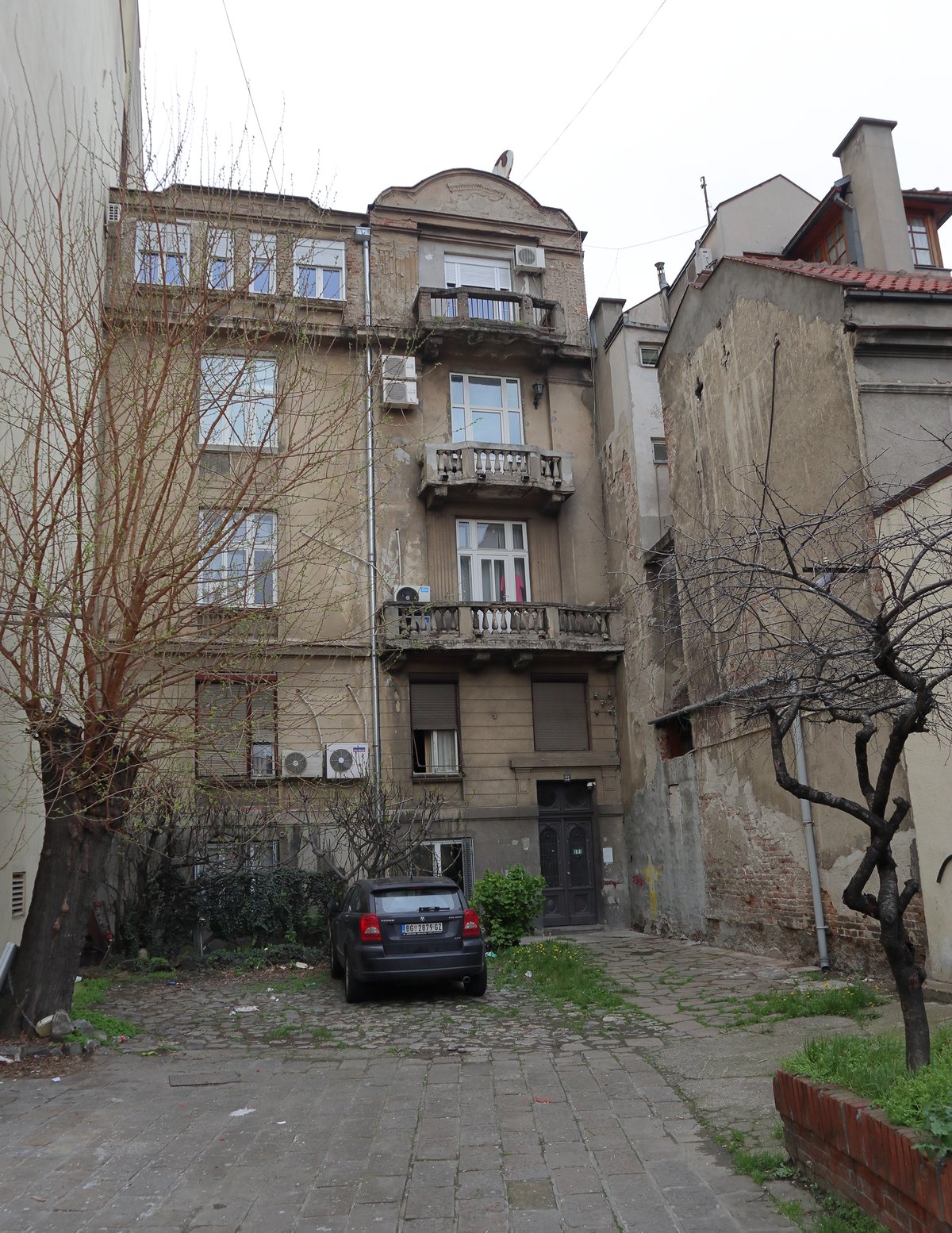
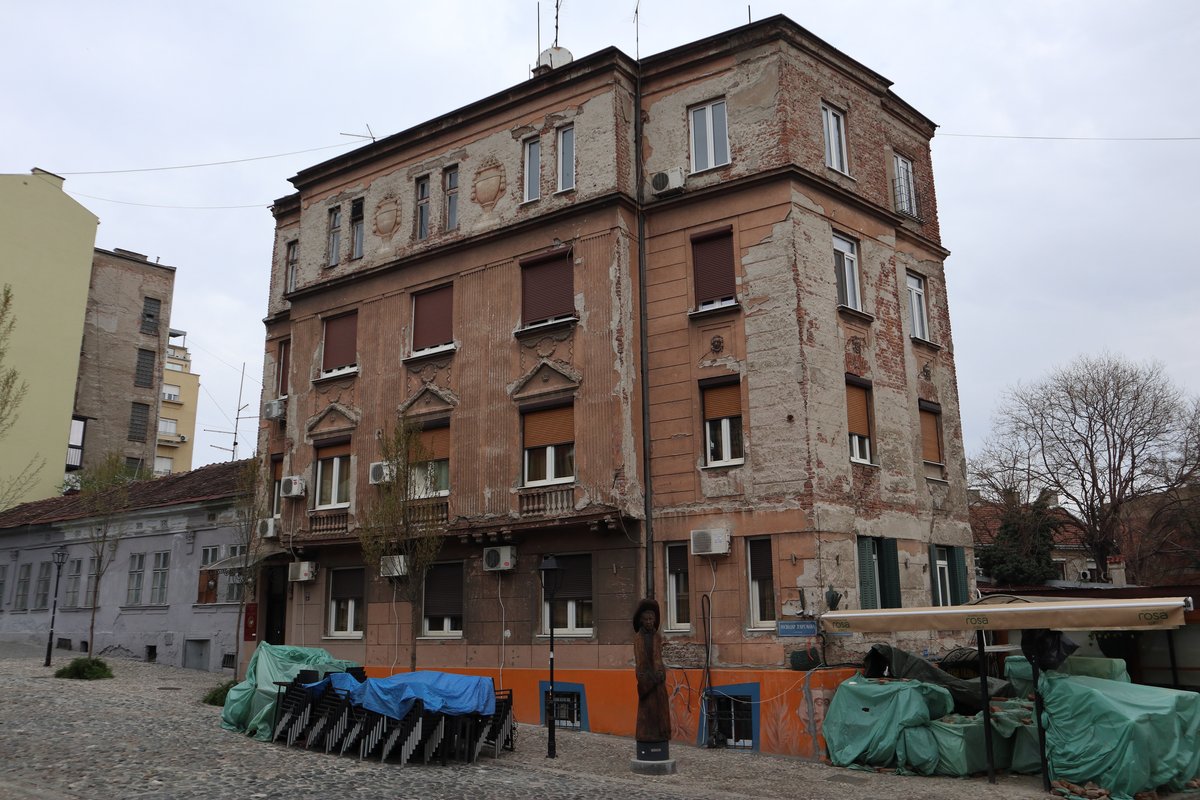
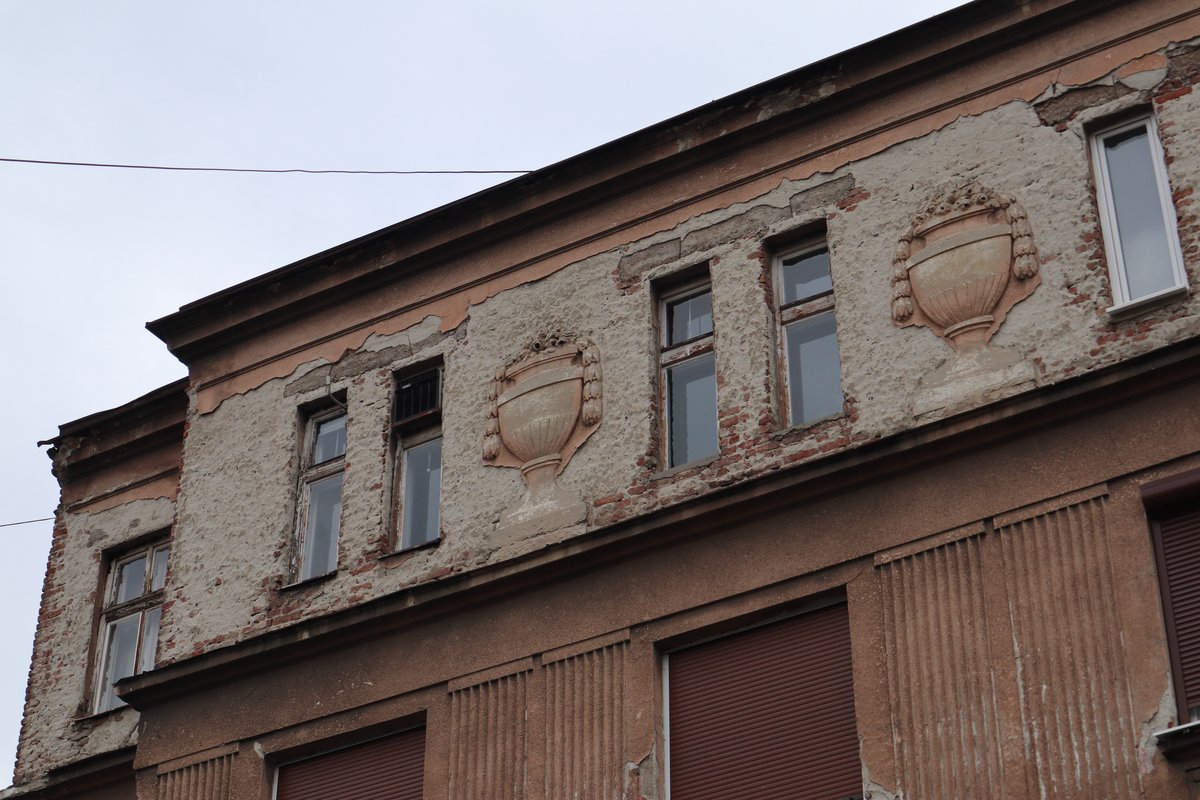
Skadarlija’s roots trace back to around 1717, with its first “udžerice” (modest dwellings) forming a Romani settlement called “Šićan-mala.” Located just outside Belgrade’s old city ramparts, the community flourished as Roma families repurposed abandoned trenches into homes (Still in Belgrade). By the mid-19th century, urbanization brought artisans and tradesmen, transforming Skadarlija into a burgeoning neighborhood with brick buildings, breweries, and increasing cultural significance (More Than Belgrade).
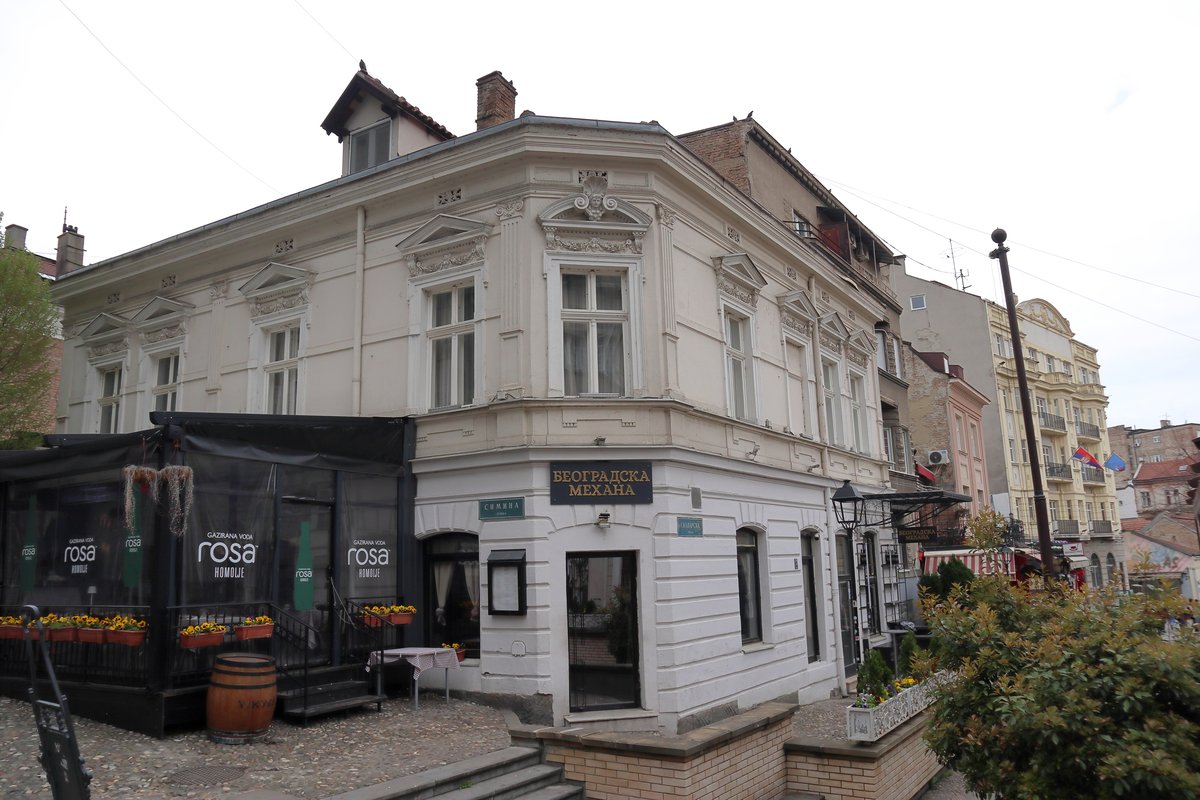
The street was named Skadarska in 1872, honoring the medieval city of Skadar and signifying its growing importance in Belgrade’s urban landscape (Balkan Kaleidoscope).
Emergence as a Bohemian Quarter
Skadarlija’s bohemian reputation solidified in the late 19th and early 20th centuries. The opening of the National Theatre nearby in 1869 attracted artists and intellectuals who made Skadarlija their unofficial salon. By 1909, as many as 14 kafanas populated the street, hosting lively discussions, performances, and creative exchange (011info).
Celebrated venues like Tri Šešira (Three Hats), Dva Jelena (Two Deer), and Zlatni Bokal (Golden Jug) became legendary gathering places for Serbia’s literary and artistic luminaries (Balkan Kaleidoscope).
Notable Figures and Cultural Legacy
Skadarlija’s golden age was marked by figures such as Đura Jakšić, Jovan Jovanović Zmaj, Branislav Nušić, and actors like Milorad Gavrilović and Milka Grgureva. The street’s vibrant artistic scene became a crucible for both cultural creation and political discourse, with kafanas operating as informal centers of news and debate (Tourist Organization of Belgrade).
Wartime Hardships and Post-War Renaissance
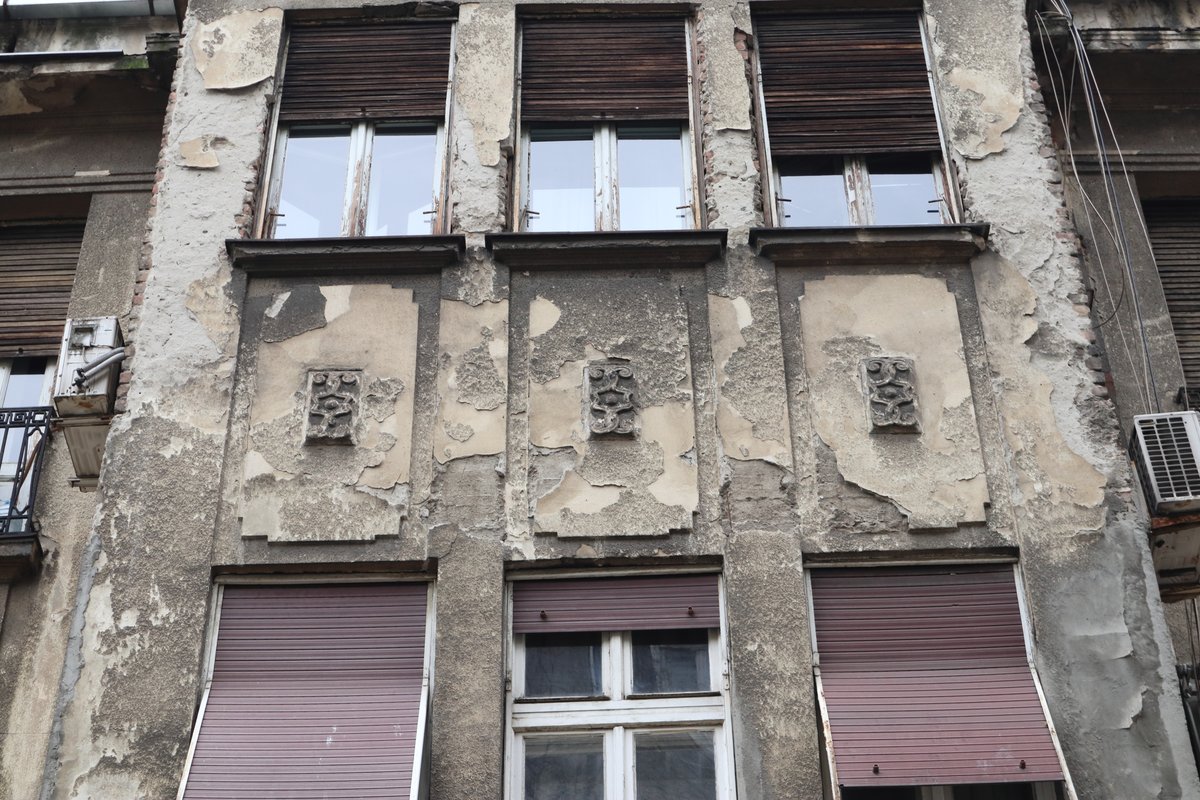
World War I brought devastation, but Skadarlija’s spirit endured. Only a handful of original kafanas survived WWII. The post-war era saw a cultural revival in the 1950s and 60s, with Skadarlija gaining protected status in 1967, preserving its unique architecture and bohemian ambiance (Balkan Kaleidoscope).
Skadarlija’s Role as Belgrade’s Bohemian Heart
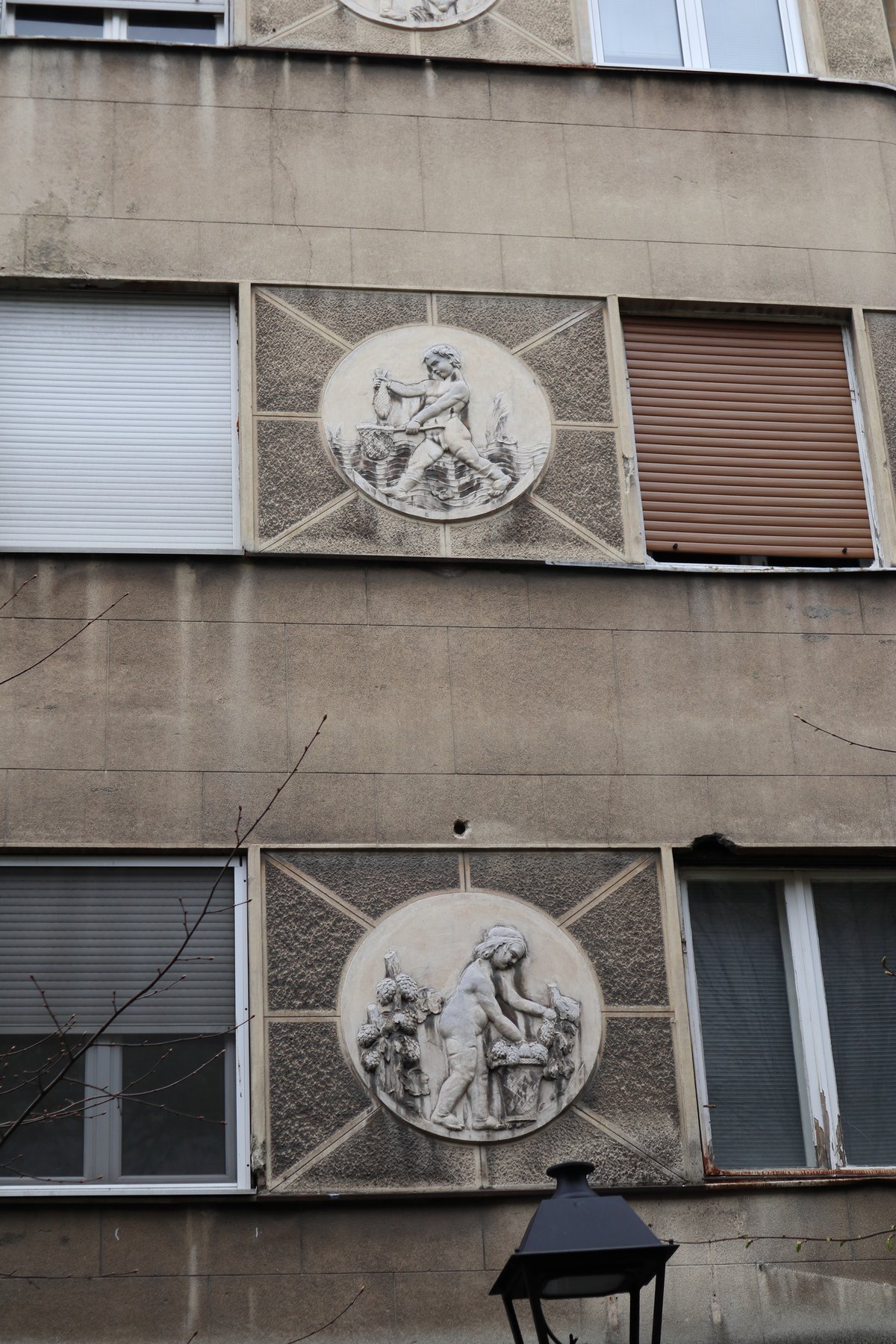
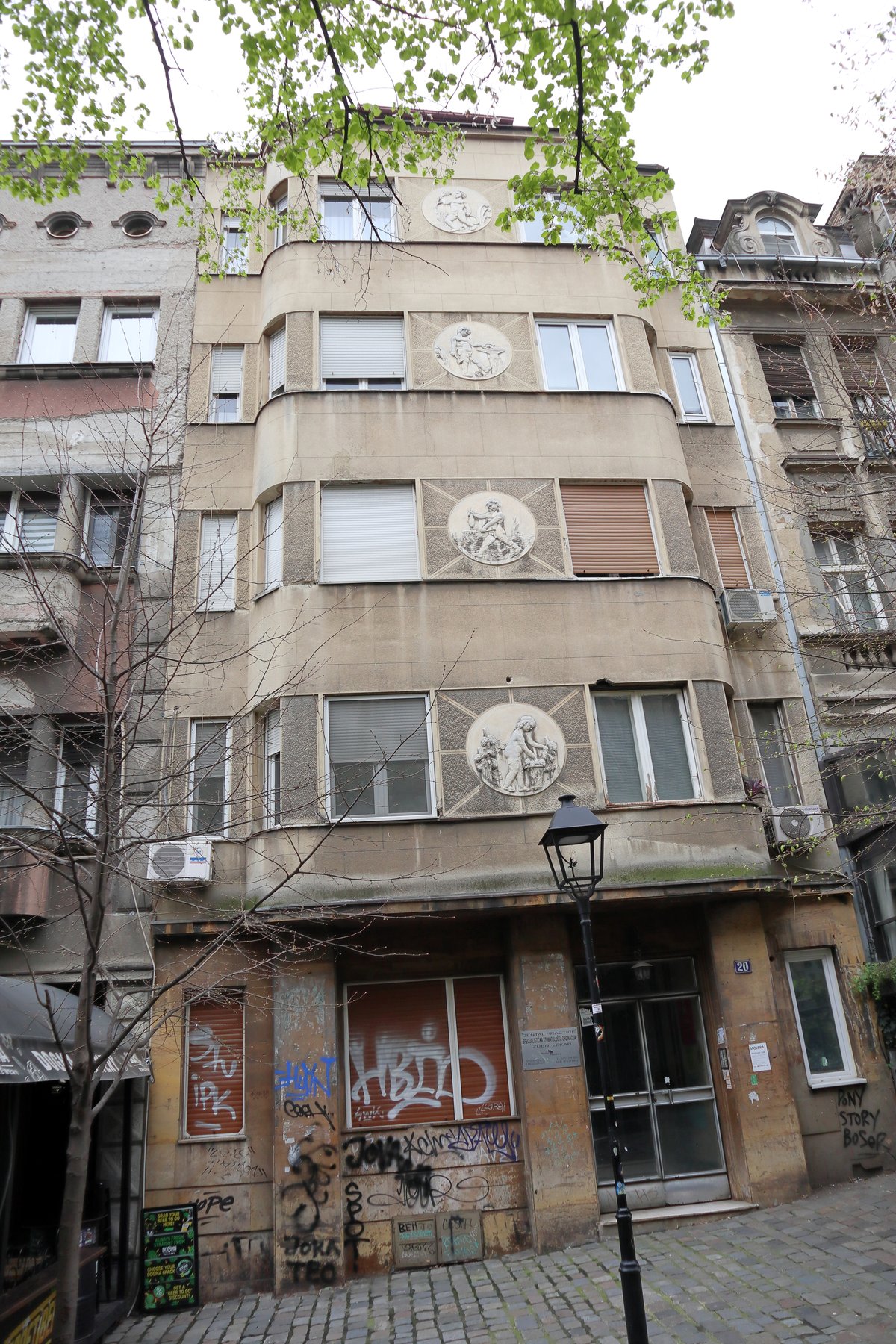
Skadarlija, protected as a cultural-historical unit since 1967, remains Belgrade's most celebrated bohemian quarter. Its cobblestone street, lined with historic kafanas, art galleries, and antique shops, preserves the ambiance of a bygone era while continuing to serve as a hub for contemporary culture (Wikipedia, Eyes on Belgrade).
The area’s annual events—such as Skadarlija Fest, Hat Festival, and Tamburica Fest—bring together music, dance, and culinary exhibitions, reinforcing its role as a living monument of Serbian culture. The Fedora-type hat and starogradska muzika (old town music) are enduring symbols celebrated in local traditions (Wikipedia).
Skadarlija’s influence extends across Serbia and the Balkans, inspiring generations of artists and attracting up to 20,000 visitors daily, underscoring its role as a cultural ambassador for Belgrade (Wikipedia).
Practical Visitor Information
Visiting Hours and Entry
- Street Access: Skadarlija is a public pedestrian street, open 24/7, free of charge.
- Kafanas and Venues: Most establishments operate from around 11:00 AM to midnight or later. Hours may vary, especially during festivals.
Getting There and Accessibility
- Location: Skadarlija is in Belgrade’s Stari Grad (Old Town), a short walk from Republic Square.
- Public Transport: Accessible by tram and bus lines; taxis and rideshares are also available.
- Accessibility Note: The cobblestone street can be uneven, posing challenges for wheelchair users; some venues have accessible entrances.
Guided Tours and Events
- Tours: Multiple agencies offer guided walking tours featuring historical insights, tastings, and live music. Advance booking is recommended, particularly during peak season.
- Festivals: Skadarlija Fest, Bohemian Nights, and Hat Festival are annual highlights; check local listings for current schedules.
Major Landmarks and Nearby Attractions
- Tri Šešira (Three Hats): Iconic kafana with nightly live music since 1864.
- Dva Jelena (Two Deer): Historic tavern dating to 1832.
- Zlatni Bokal (Golden Jug): Renowned for tamburica music and classic Serbian fare.
- Djura Jakšić House: Museum and gallery honoring the celebrated artist.
- Bajloni Market: Open-air market for local produce, flowers, and delicacies (6:00 AM–3:00 PM).
- Sebilj Fountain: Balkan-style landmark at the entrance, a popular meeting spot.
- Republic Square, National Theatre, and Kalemegdan Fortress: All within easy walking distance.
- Museum of Illusions: Interactive family-friendly museum nearby (tickets required).
Gastronomy and Kafanas
Skadarlija’s kafanas are at the heart of its cultural experience, offering:
- Ćevapi: Grilled minced meat sausages.
- Pljeskavica: Spiced meat patties with kajmak.
- Sarma, Peka, Burek: Hearty Serbian classics.
- Baklava and Tulumbe: Sweet pastries.
- Local drinks: Rakija, wines, and beers.
Reservations are recommended, especially on weekends and during festivals. Tipping (about 10%) is customary (beyondbelgrade.com, thecrazytourist.com).
Nightlife and Entertainment
- Live Music: Traditional Serbian folk and old-town music nightly in most kafanas.
- Bars and Cafés: Modern wine bars, cocktail lounges, and relaxed cafés line side streets.
- Street Performers: Musicians and folk dancers perform on the cobblestones, especially in the evening.
- Late-Night Eats: Street food stalls serve local favorites into the early hours (chasingthedonkey.com).
Unique Experiences
- Guided Bohemian Tours: Explore history, legends, and local gastronomy with expert guides.
- Poetry Readings & Art Exhibits: Regular events celebrate Skadarlija’s literary and artistic heritage.
- Morning Market Visits: Early strolls through Bajloni Market offer a peaceful and authentic local experience.
- Romantic Evenings: The dim lighting, live music, and flower stalls create a magical atmosphere for couples.
Frequently Asked Questions (FAQ)
Q: What are Skadarlija’s visiting hours?
A: The street is open to the public 24/7. Most kafanas open from late morning to midnight or later.
Q: Are tickets needed to visit Skadarlija?
A: No, access is free. Tickets are only needed for specific events, museums, or guided tours.
Q: Is Skadarlija wheelchair accessible?
A: The cobblestone street can be challenging, but some venues offer accessibility features.
Q: How do I get there?
A: Skadarlija is a short walk from Republic Square and accessible via public transport or taxi.
Q: Should I make reservations at kafanas?
A: Highly recommended during weekends and festivals.
Listen to the full story in the app
The whole Skadarlija,
told well.
Audio guides for 1,100+ cities across 96 countries. History, stories, and local insight — offline ready.
Verified, and shown.
Researched and written by the Audiala editorial team from historical records, architectural archives, and local expertise.
Researched from Wikidata, Wikipedia & official sources · fact-checked · How we make our guides →