Plan and listen to Singidunum with Audiala.
Audio guide in your pocket, itinerary in your browser. Built for the way you actually visit.
Introduction
Singidunum—modern-day Belgrade—stands at the confluence of the Sava and Danube rivers, marking one of Europe’s oldest and most continuously inhabited urban centers. With a history spanning over 7,000 years, Belgrade Fortress (Kalemegdan) is a living palimpsest of ancient Celtic roots, Roman military prowess, Byzantine and Slavic influences, and the legacies of Ottoman and Habsburg rule. Today, visitors can walk ancient ramparts, explore museums, and enjoy panoramic views, all while immersing themselves in the vibrant cultural life of Serbia’s capital. This guide provides a comprehensive overview of Singidunum’s historical significance, visitor information, nearby attractions, and practical tips to help you make the most of your journey through Belgrade’s storied past and dynamic present (beogradskatvrdjava.co.rs, balkankaleidoscope.com, stillinbelgrade.com).

Historical Background of Singidunum
Celtic Foundations and Roman Conquest
The roots of Singidunum trace back to the Celtic Scordisci tribe, who settled the area following their campaign against Delphi in 279 BCE. The settlement’s name combines local and Celtic elements, with “dunum” meaning fortress. This strategic site attracted Roman attention in the 1st century BCE, and by the 1st century CE, Singidunum became a fortified Roman castrum. The city flourished as a crucial outpost on the empire’s northern frontier, housing the Legio IV Flavia Felix and connecting major land and river routes. Remnants of Roman walls, roads, and mosaics can still be glimpsed within the fortress complex and at archaeological sites around the city (beogradskatvrdjava.co.rs).
Medieval Transformations
After the decline of the Western Roman Empire, Singidunum became a vital frontier city of the Byzantine Empire, enduring invasions by the Huns, Sarmatians, and Avars. Slavic tribes settled the area in the 6th and 7th centuries, renaming it “Beograd” (White City) after the fortress’s pale stone walls. Through the medieval period, the city was a contested prize for Byzantines, Bulgarians, Hungarians, and Serbs, each leaving their mark on the fortress’s architecture and the city’s cultural fabric (visitbelgrade.eu).
Ottoman and Habsburg Rule
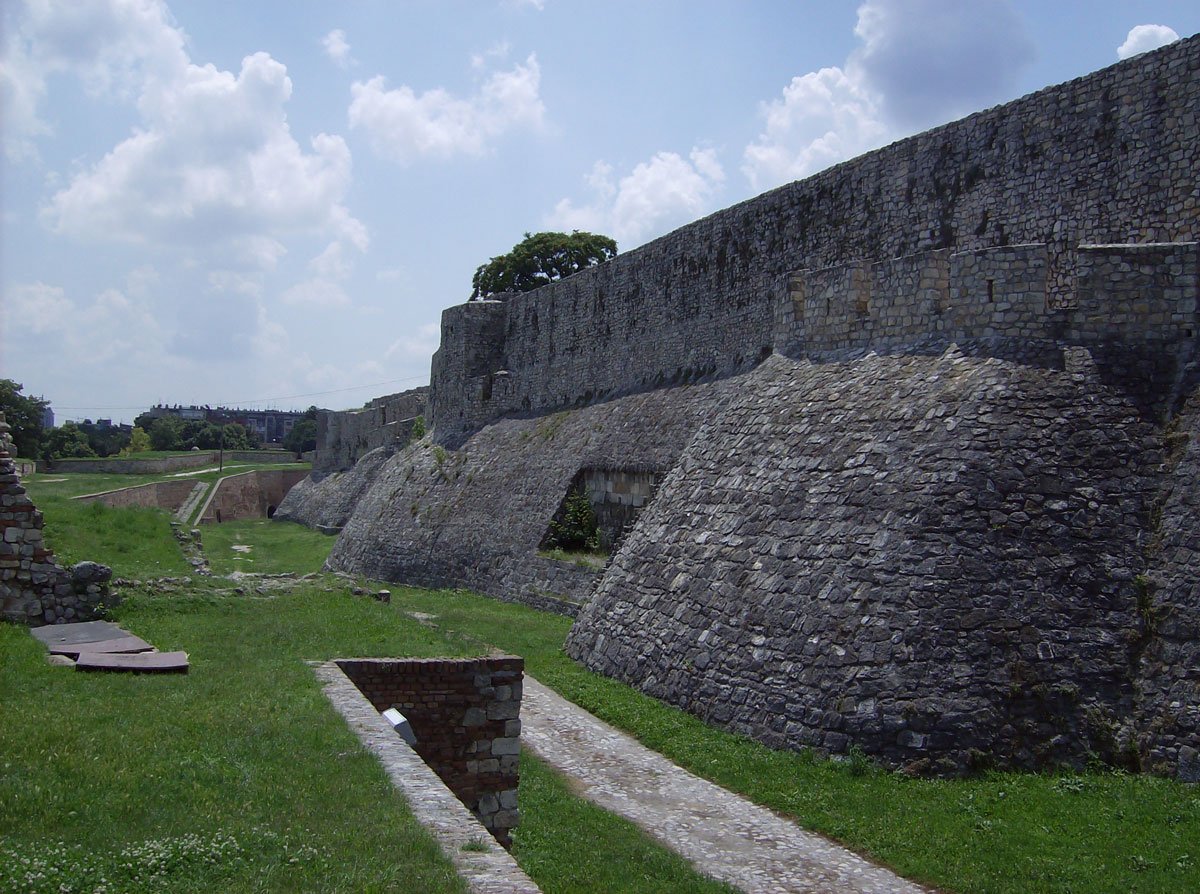
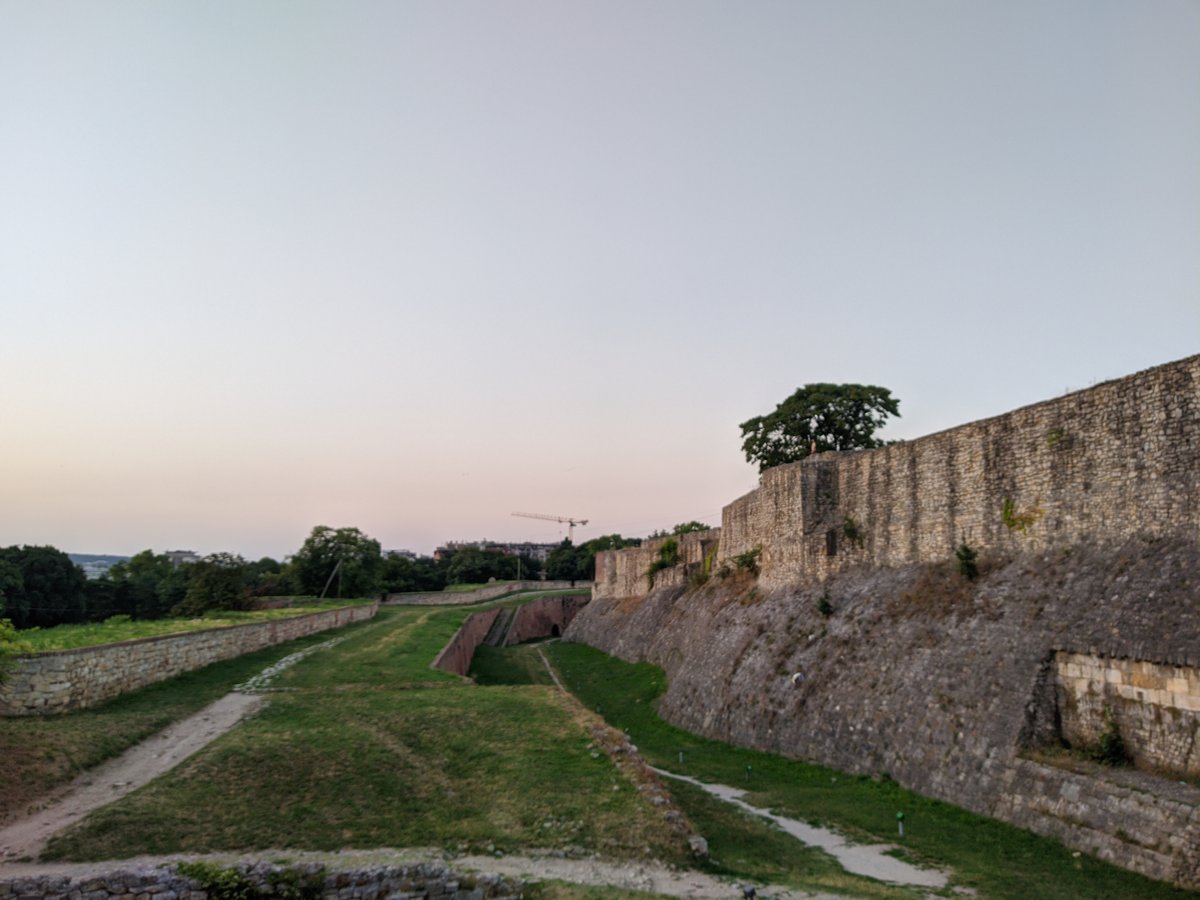
From the 15th century, Belgrade was fiercely contested between the Ottoman Empire and the Habsburg Monarchy. Captured by the Ottomans in 1521, the city became a vibrant, multiethnic hub. The fortress was expanded with Ottoman architectural features, while later Habsburg occupations added baroque bastions and ravelins. This layered legacy is visible throughout the fortress, from the Nebojša Tower to the gunpowder magazines and Turkish baths (flagmatch.com).
Modern Era and Legacy
The 19th and 20th centuries saw Belgrade rise as the capital of modern Serbia. Kalemegdan Park was landscaped around the fortress, transforming it into a beloved public space. Today, the fortress and its surroundings are a mosaic of ancient ruins, medieval ramparts, and lively urban parkland—offering a living testament to Belgrade’s resilience and multicultural heritage (eng.singidunum.ac.rs).
Visiting Belgrade Fortress (Singidunum)
Visiting Hours
- Fortress Grounds: Open daily, year-round, typically from 6:00 AM–10:00 PM (April–October) and 6:00 AM–8:00 PM (November–March).
- Museums & Exhibitions: Most open 10:00 AM–6:00 PM, closed Mondays. Hours may vary for special events or holidays; always check official sources in advance.
Ticket Information
- Fortress Grounds: Free entry.
- Military Museum, Nebojša Tower, Roman Well: 200–500 RSD (approx. €2–€5) per site. Tickets are available on-site and, in some cases, online.
- Guided Tours: Available for an extra fee (generally €5–€10), providing expert insight into the fortress’s history and restricted areas (balkankaleidoscope.com).
Guided Tours & Special Events
- Tours: Offered daily from the visitor center. Bookings are recommended during peak periods. Tours can focus on history, architecture, or underground tunnels.
- Events: The fortress hosts exhibitions, concerts, festivals, and historical reenactments throughout the year. Check local listings or the official fortress website for details.
Accessibility
- Paths & Terrain: The fortress is largely accessible via paved paths and gentle slopes, but some historic sections (like underground tunnels and towers) may be challenging for those with limited mobility.
- Wheelchair Access: Partial; inquire at the visitor center for accessible routes and facilities (balkankaleidoscope.com).
Travel Tips & How to Get There
- Location: Central Belgrade, easily reached by public transport, taxi, or on foot from the city center.
- Public Transport: Trams and buses stop at "Kalemegdan" or "Knez Mihailova Street." Tickets are available at kiosks or via SMS with a local SIM card (ramblingadventurista.com).
- Best Time to Visit: Spring and early autumn offer mild weather and fewer crowds. Early mornings and late afternoons are ideal for photography and cooler temperatures.
- What to Bring: Wear comfortable shoes, bring water, and don’t forget your camera for the panoramic views.
Must-See Nearby Attractions
- Kalemegdan Park: Lush gardens, art installations, and walking paths surrounding the fortress.
- Military Museum: Extensive displays on Serbia’s military history.
- Victor Monument: Iconic statue symbolizing Belgrade’s resilience.
- Knez Mihailova Street: Main pedestrian boulevard lined with shops, cafes, and galleries.
- Skadarlija: Bohemian quarter with lively restaurants, art, and music.
- Zemun & Gardoš Tower: Former Austro-Hungarian town with riverside promenades and panoramic views.
- Ada Ciganlija: River island for swimming, cycling, and outdoor activities.
- Nikola Tesla Museum: Interactive exhibits on Serbia’s renowned inventor.
Practical Visitor Tips
- Accommodation: Stay in Dorćol or the Old Town for easy access to historical sites; options range from hostels to luxury hotels.
- Language & Currency: Serbian is the official language, but English is widely spoken in tourist areas. The currency is Serbian Dinar (RSD); carry some cash for small expenses.
- Safety: Belgrade is generally safe; exercise standard precautions in crowded areas.
- Food & Drink: Try local favorites like ćevapi, sarma, and rakija. Skadarlija is the best area for traditional Serbian cuisine and live music.
- Dress Code: Modest attire is recommended for churches and religious sites.
- Connectivity: Free Wi-Fi is available in many cafes and public spaces.
- Accessibility: Some cobblestone streets and archaeological sites may be challenging for visitors with mobility issues.
Frequently Asked Questions (FAQ)
Q: Are the fortress grounds free to enter?
A: Yes, entry to the fortress and park is free year-round. Museums and special exhibitions inside may charge a modest fee.
Q: What are the best hours to visit?
A: Early morning or late afternoon for fewer crowds and optimal lighting.
Q: Can I book a guided tour?
A: Yes, guided tours are available daily and recommended for historical context. Book at the visitor center or online.
Q: Is the fortress accessible to wheelchair users?
A: Some areas are accessible, but historic sections with uneven terrain may be difficult. Check with the visitor center for accessible routes.
Q: What other attractions should I visit nearby?
A: Explore Kalemegdan Park, Knez Mihailova Street, Skadarlija, Zemun, Ada Ciganlija, and the Nikola Tesla Museum.
Discover More
Belgrade Fortress, built upon the ancient city of Singidunum, is a must-see destination for anyone interested in history, architecture, and culture. Its panoramic views, rich archaeological layers, and vibrant public spaces make it the centerpiece of Belgrade’s identity. With free access, affordable museum tickets, and a wealth of nearby attractions, it offers something for every traveler.
For the best experience, download the Audiala app for audio guides, up-to-date visitor information, and curated itineraries. Follow us on social media for the latest events, travel inspiration, and insider tips to help you explore Belgrade’s historical heart.
Listen to the full story in the app
The whole Singidunum,
told well.
Audio guides for 1,100+ cities across 96 countries. History, stories, and local insight — offline ready.
Verified, and shown.
Researched and written by the Audiala editorial team from historical records, architectural archives, and local expertise.
Researched from Wikidata, Wikipedia & official sources · fact-checked · How we make our guides →