Plan and listen to Ružica Church with Audiala.
Audio guide in your pocket, itinerary in your browser. Built for the way you actually visit.
Introduction
Ružica Church, officially the Church of the Holy Mother of God, is one of Belgrade’s most cherished historical and spiritual landmarks. Nestled within the formidable walls of Kalemegdan Fortress, it stands as a testament to centuries of resilience, faith, and artistic achievement. Known for its lush, rose-adorned façade and remarkable interior features—such as chandeliers fashioned from spent military materials—Ružica Church offers a unique blend of religious devotion, military history, and cultural heritage. Whether you are a history buff, a spiritual seeker, or a traveler eager to explore Belgrade’s rich past, Ružica Church is a must-visit site (Live the World, Visit Belgrade, Spotted by Locals).

Medieval Origins and Legends
The roots of Ružica Church trace back to the early 15th century, during the reign of Despot Stefan Lazarević (Live the World). Historical accounts and enduring legends suggest that the original church was built around 1403 to house the relics of Saint Petka, brought from Vidin, Bulgaria. Another story tells of three sisters—Ružica, Cveta, and Marica—each constructing a church within the fortress, with Ružica named after the eldest. These tales, though not verifiable, underscore the church’s deep roots in local memory and its significance in the spiritual life of medieval Belgrade (Visit Belgrade).
Ottoman Rule and Transformation
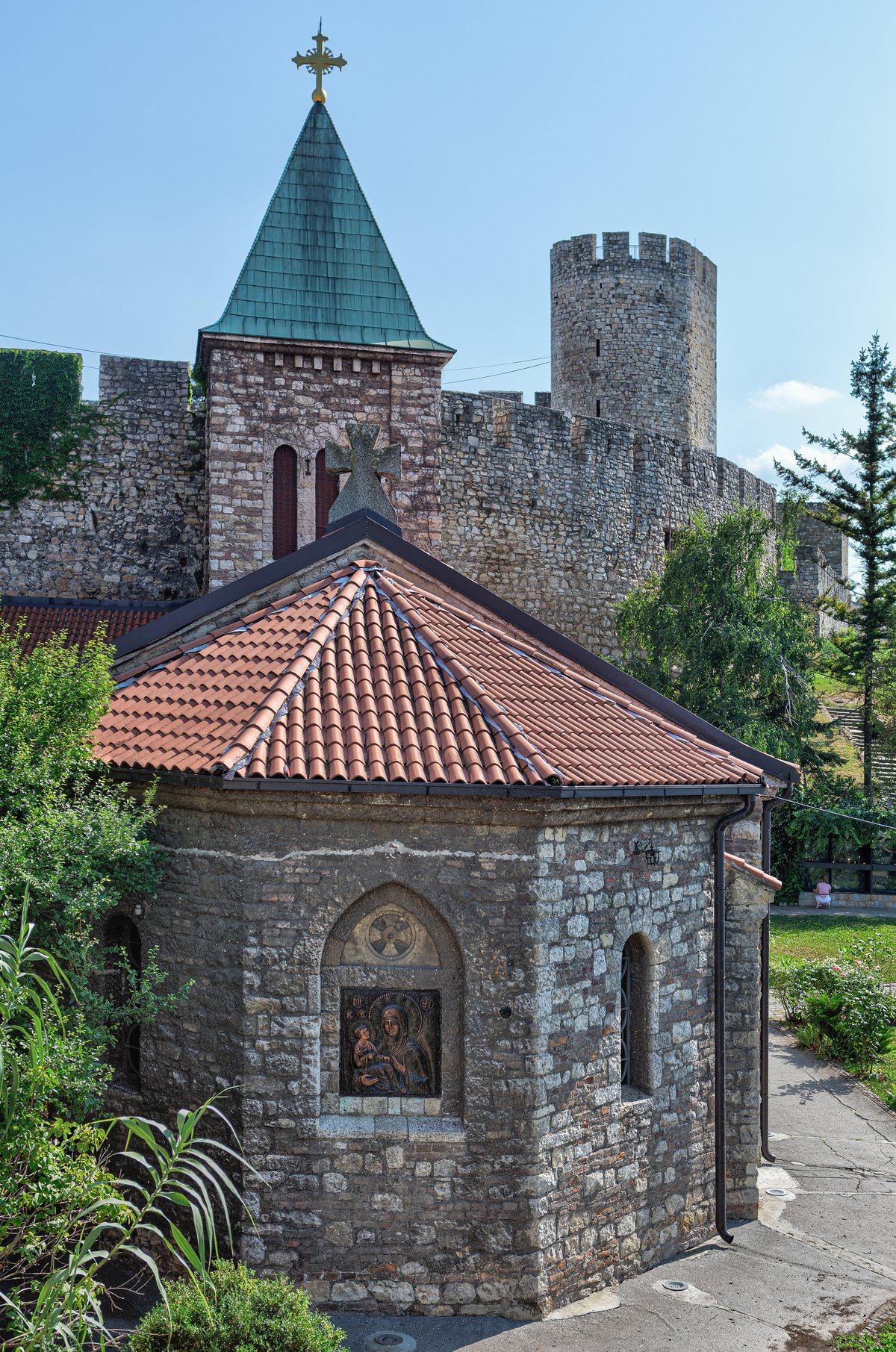
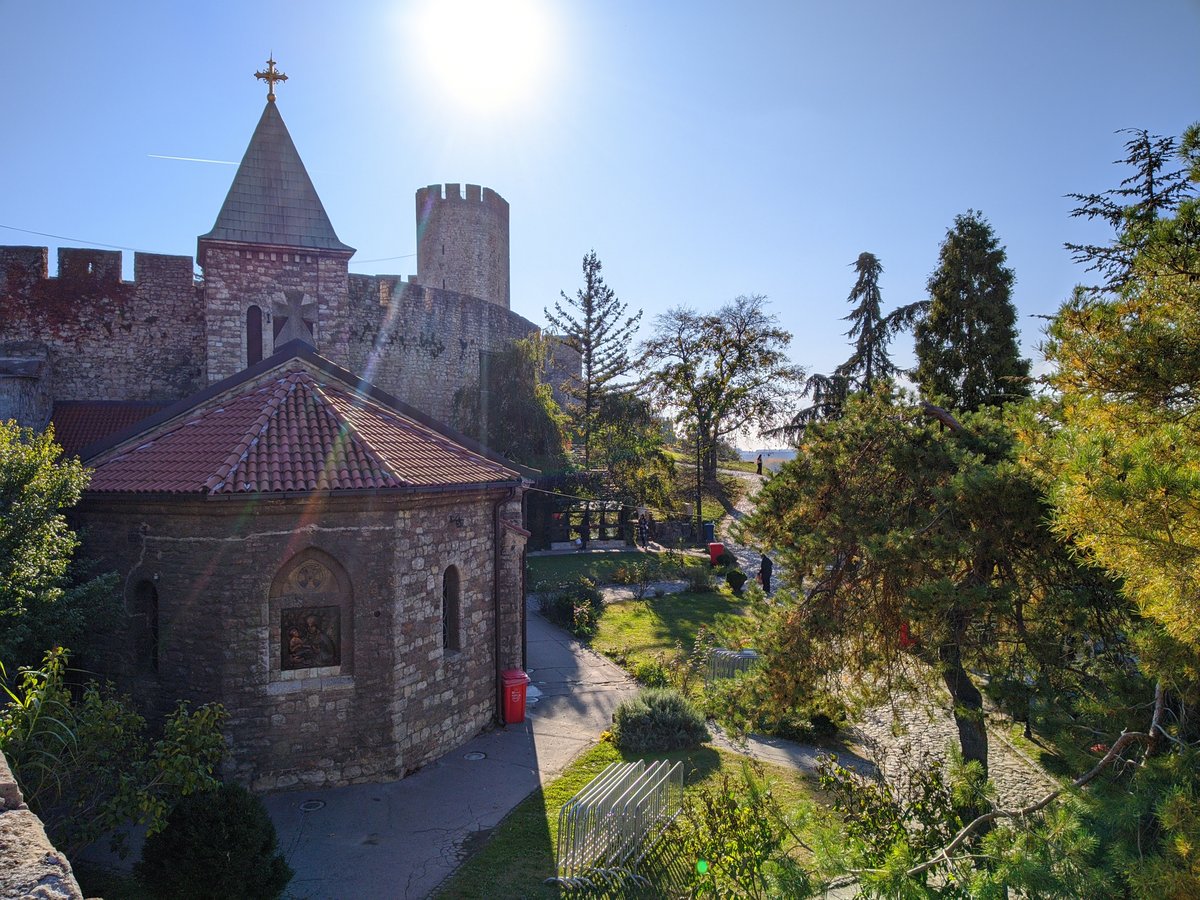
Following the Ottoman conquest of Belgrade in 1521, the original Ružica Church was demolished. The site was repurposed as a gunpowder magazine during the 18th century under both Ottoman and Austrian control, reflecting the fortress’s military function (Atlas Obscura). This period left an indelible mark on the building’s architecture, with thick walls and a fortress-like appearance.
19th–20th Century Revival and Military Symbolism
After the Ottomans withdrew in the late 19th century, the former magazine was converted into a military church (1867–1869) to serve the Serbian army stationed at the fortress (Visit Belgrade). World War I brought extensive damage, but a significant restoration in 1925 led by Russian architect Nikolay Krasnov revived the church with a harmonious blend of Byzantine and Russian styles. Unique artistic elements—such as chandeliers and statues made from war relics—were introduced, symbolizing the transformation of instruments of war into symbols of peace and remembrance (Atlas Obscura).
Artistic and Architectural Highlights
Exterior Setting and Design
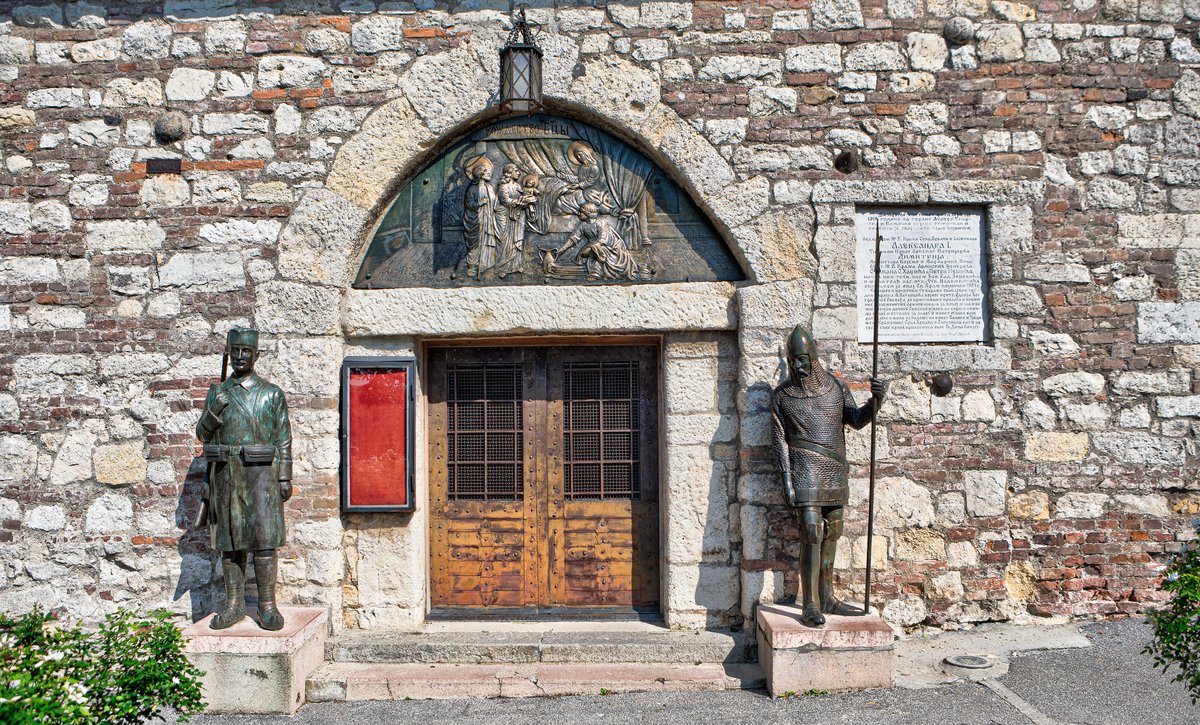
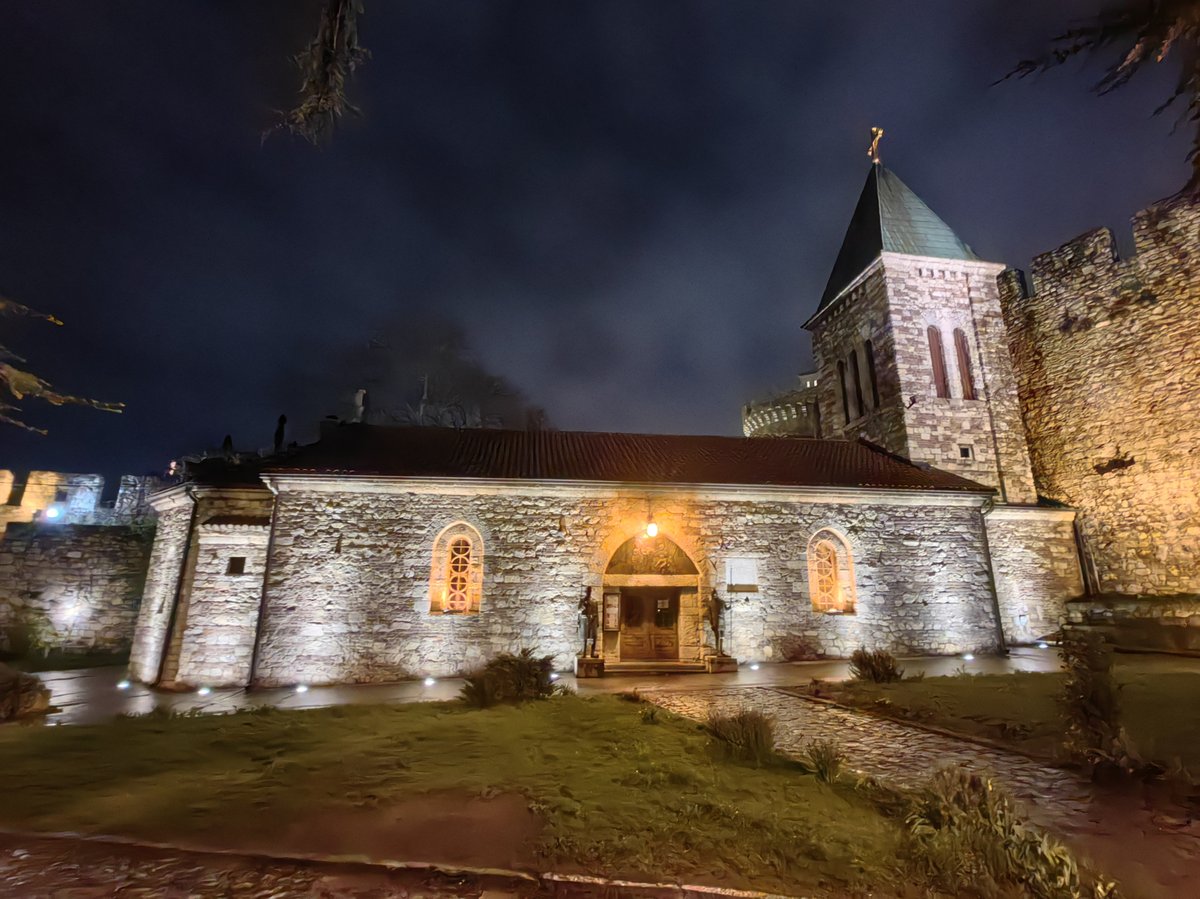
Ružica Church’s compact stone structure is covered in climbing vines and roses, earning its affectionate nickname, the “Little Rose Church” (Segway Beograd). The entrance is flanked by two bronze statues: a medieval Serbian spearman and a World War I infantryman, both crafted from artillery shells and war materials, starkly expressing the church’s intertwined military and religious history (TT Group).
Interior Masterpieces
-
Chandeliers of War: The most striking interior feature is the set of chandeliers made from spent bullet casings, bayonets, and cannon parts, crafted by Serbian soldiers after World War I (Belgrade Spots). These works of art transform remnants of conflict into sources of light and inspiration.
-
Iconostasis and Icons: The wooden iconostasis, carved by Kosta Todorović, features intricate detailing and gilded accents. The icons, painted by Rafailo Momčilović, reflect both Russian and Serbian Orthodox traditions (Segway Beograd).
-
Frescoes: Russian artist Andrej Bicenko adorned the church walls with vibrant frescoes depicting scenes from the lives of the Virgin Mary, Christ, and various saints, enveloping visitors in a serene and mystical ambiance (Still in Belgrade).
-
Liturgical Objects: The church preserves valuable liturgical books and relics, including rare manuscripts dating from the liberation of Belgrade Fortress, which are still used in services (TT Group).
Visiting Ružica Church: Practical Information
Visiting Hours and Tickets
- Opening Hours: Generally open daily from 07:00 or 09:00 to 17:00 or 18:00, depending on the season and religious holidays. Always check the latest updates before your visit (Kasadoo).
- Tickets: Entry is free of charge; donations are welcome for the church’s upkeep.
Accessibility and Facilities
- The church is accessible via paths through Kalemegdan Fortress, but the cobblestone and uneven terrain may be challenging for wheelchair users. Ramps are available at the entrance, and assistance is recommended for those with mobility issues (cherylhoward.com).
- Restrooms are available within fortress grounds but not inside the church.
Dress Code and Visitor Etiquette
- Modest attire is required: shoulders and knees should be covered.
- Remove hats upon entering; women may choose to cover their heads (optional).
- Maintain silence and respect, especially during services.
- Photography is generally permitted, but avoid flash and be discreet.
Guided Tours and Events
- Guided tours can be arranged via local operators or as part of broader Belgrade Fortress tours. These provide valuable historical and artistic context.
- The church is especially popular during major feast days, such as the Nativity of Mary and Saint Petka, when it hosts special services and attracts larger crowds.
Nearby Attractions and Travel Tips
- Kalemegdan Fortress: Explore the fortress ramparts, towers, and panoramic river views.
- Church of St. Petka: A pilgrimage site with a healing spring, located nearby.
- Military Museum: Offers deeper insight into Serbia’s military past.
- Kalemegdan Park: Ideal for walks and relaxation.
- Belgrade Zoo: Located within the fortress grounds.
- Travel Tips: Use public transport to reach Kalemegdan or Studentski Trg stops, then follow signs or ask locals for directions. Comfortable shoes are advisable due to uneven paths.
Cultural Importance and Community Role
Ružica Church is not only a place of worship but also a symbol of national identity and resilience. Its unique integration of military and religious elements commemorates Serbia’s turbulent history and the enduring spirit of its people. The church is protected as a cultural and historical monument and remains a beloved site for both locals and visitors (wikipedia, Feel Belgrade).
Frequently Asked Questions (FAQ)
Q: What are the opening hours of Ružica Church?
A: Open daily, usually from 07:00 or 09:00 to 17:00 or 18:00. Confirm current hours before visiting.
Q: Is there an entrance fee?
A: Entry is free; donations are appreciated.
Q: Are guided tours available?
A: Yes, guided tours are available through local operators or as part of fortress tours.
Q: Is Ružica Church accessible for people with disabilities?
A: The church is partly accessible, but the approach includes cobblestones and steps; ramps are provided at the entrance.
Q: Can I take photographs inside?
A: Yes, but be respectful, avoid flash, and check for any restrictions during services.
Summary and Final Tips
Ružica Church stands as a remarkable symbol of Belgrade’s layered history and spiritual resilience. Its fusion of military heritage and religious artistry—highlighted by war-crafted chandeliers and evocative frescoes—offers a profound experience for every visitor. The church’s open-door policy, free entry, and central location make it a welcoming destination for all. Combine your visit with nearby landmarks such as the Church of St. Petka and Kalemegdan Park for a comprehensive exploration of Belgrade’s historical core.
Before visiting, check the latest opening hours and accessibility details, consider joining a guided tour for deeper insight, and respect the site’s sacred and historical significance. For a richer experience, download the Audiala app for audio guides and insider tips, and connect via social media for updates (Kasadoo, cherylhoward.com, Feel Belgrade).
Listen to the full story in the app
The whole Ružica Church,
told well.
Audio guides for 1,100+ cities across 96 countries. History, stories, and local insight — offline ready.
Verified, and shown.
Researched and written by the Audiala editorial team from historical records, architectural archives, and local expertise.
Researched from Wikidata, Wikipedia & official sources · fact-checked · How we make our guides →