Plan and listen to Pobednik with Audiala.
Audio guide in your pocket, itinerary in your browser. Built for the way you actually visit.
Introduction: Pobednik Monument at the Heart of Belgrade
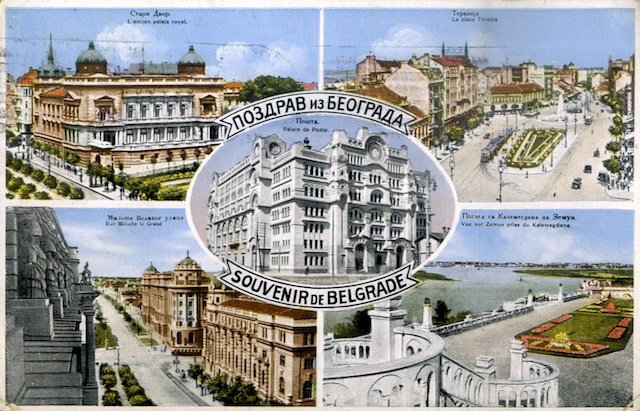
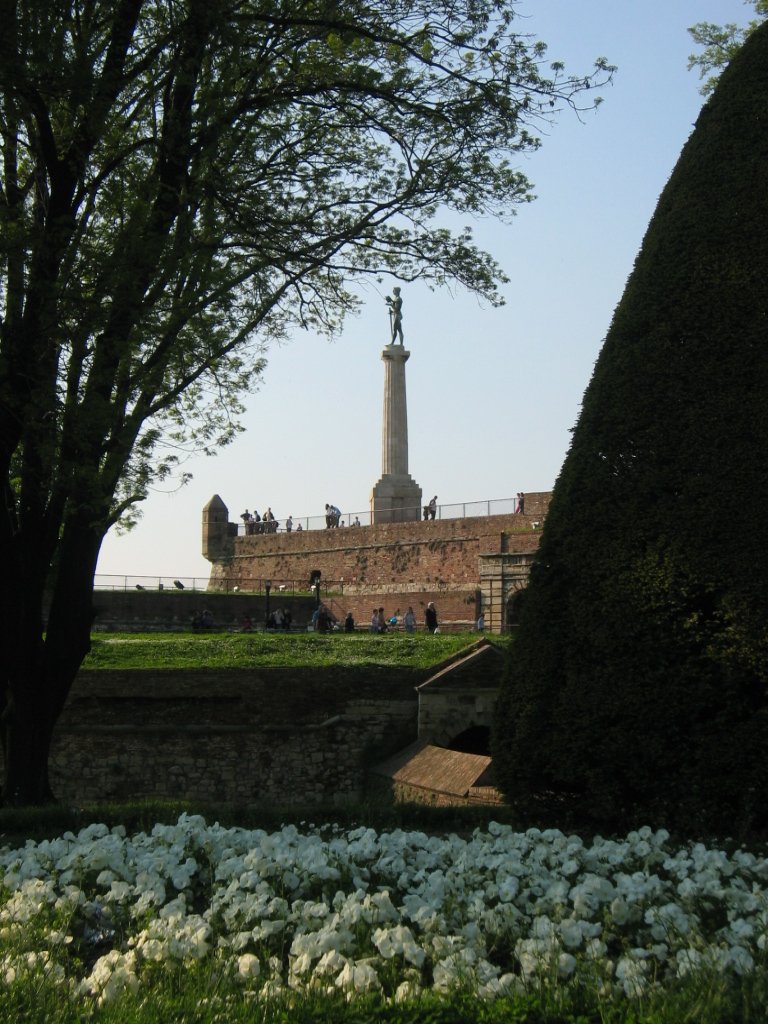
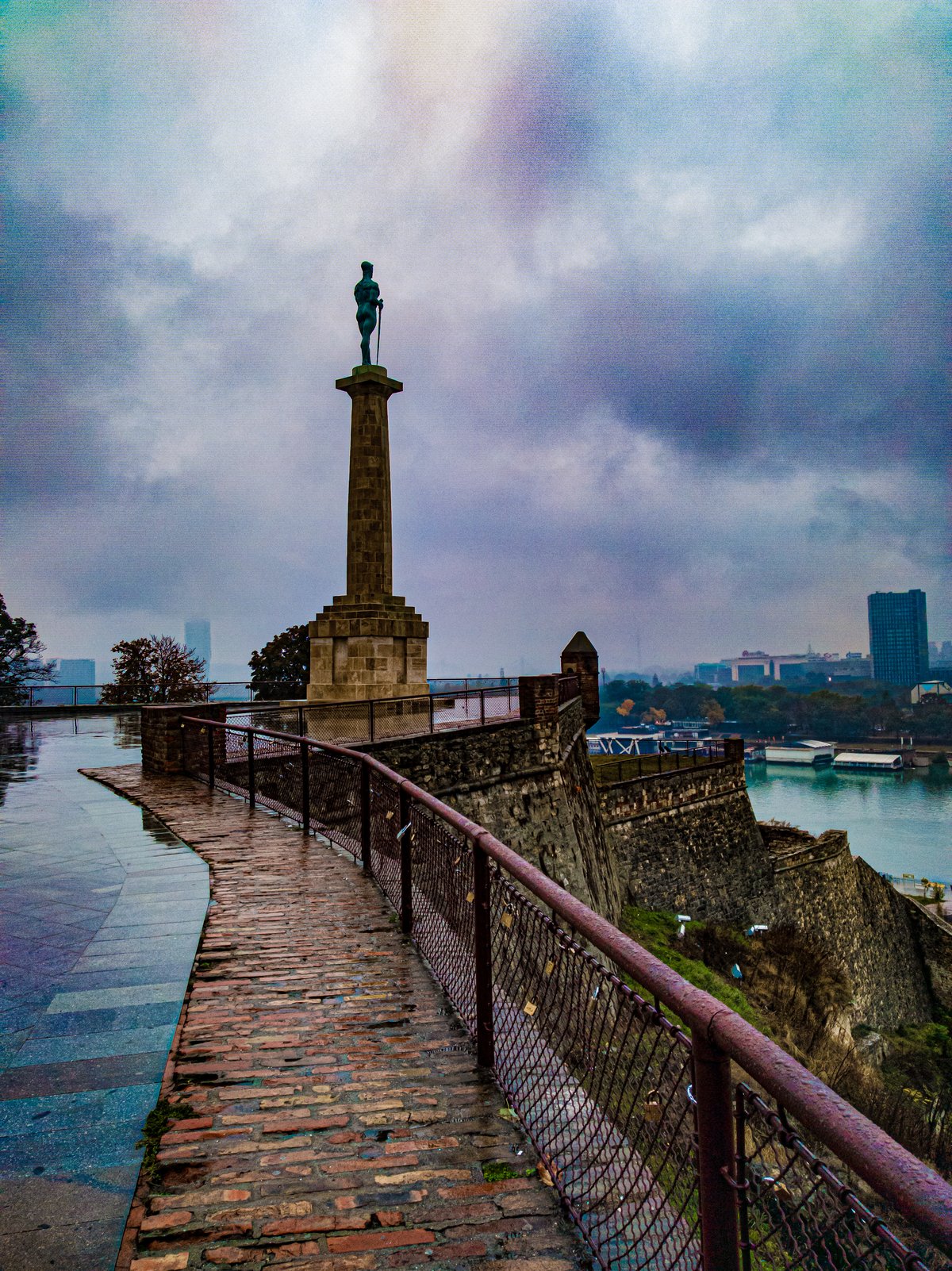
Set atop the ramparts of the historic Kalemegdan Fortress, the Pobednik Monument—known as "The Victor"—stands as a defining symbol of Belgrade. Created by the acclaimed sculptor Ivan Meštrović, this bronzed figure honors Serbia’s victories in the Balkan Wars (1912–1913) and World War I (1914–1918). Originally envisioned as a centerpiece fountain for Terazije Square, the statue's installation was delayed by war and public debate over its nudity, leading to its eventual placement at the fortress, where it now gazes westward across the confluence of the Sava and Danube rivers.
Pobednik is not only a testament to Serbia’s historical resilience and aspirations for peace but also offers panoramic vistas of Belgrade’s cityscape and rivers. The monument is freely accessible year-round, making it a must-visit for history enthusiasts, art lovers, and travelers. This detailed guide covers visiting hours, ticketing, accessibility, historical context, and practical tips to help you make the most of your visit. For further resources, see the Tourist Organization of Belgrade and Visit Belgrade.

Pobednik at a Glance
Location and Access
Pobednik crowns Kalemegdan Fortress, within Belgrade’s central Kalemegdan Park, overlooking the confluence of the Sava and Danube rivers. The fortress is easily reached on foot from Republic Square and Knez Mihailova Street, or via public transportation with nearby tram and bus stops. Taxis are also readily available.
Visiting Hours and Fees
- Monument and Fortress Grounds: Open 24 hours, year-round
- Entrance Fee: Free for all outdoor areas, including Pobednik. Some fortress museums and attractions may require a ticket.
Essential Visitor Information
- Best Time to Visit: Early morning or late afternoon for optimal lighting and fewer crowds.
- Accessibility: Main paths are paved, but some terrain within the fortress is uneven. Wheelchair users may need assistance.
- Facilities: Benches, shaded areas, restrooms, and cafés are available. Comfortable footwear is recommended.
Historical Background
Origins and Symbolism
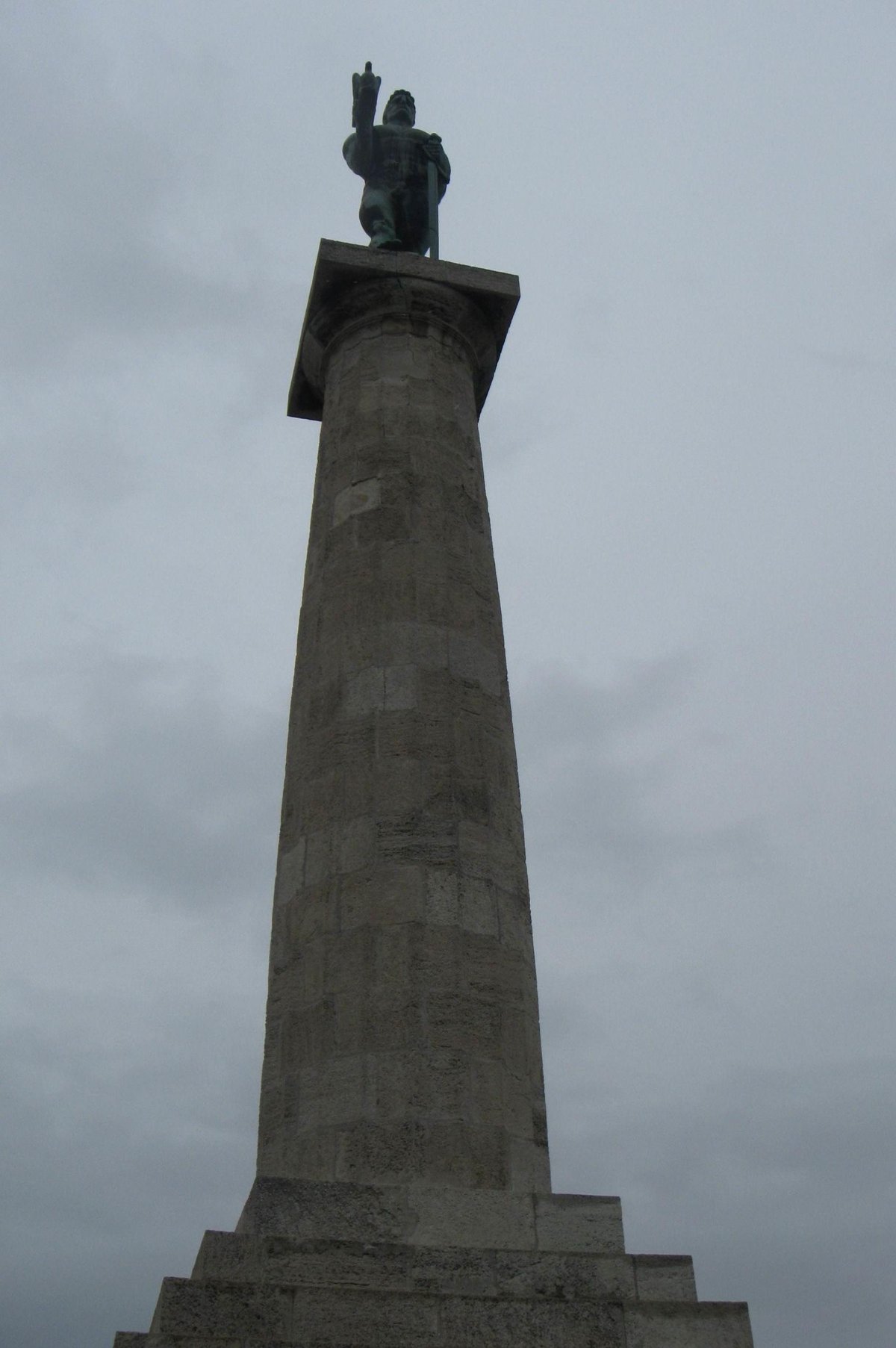
Commissioned in 1913 to celebrate Serbia’s victories, Pobednik was designed by Ivan Meštrović as a nude male figure bearing a sword (war) and a falcon (peace). This classical imagery links Serbia’s modern history with ancient traditions, representing heroism, vigilance, and the nation's hope for peace (Springer).
Delays and Relocation
World War I halted the project, and subsequent debates about the statue’s nudity led to its relocation from Terazije Square to Kalemegdan Fortress. The monument’s westward gaze toward the former Austro-Hungarian border is often interpreted as a symbol of resilience (Atlas Obscura).
Design and Unveiling
Standing on a 14-meter Doric column, the 4.25-meter-high bronze statue was finally erected and unveiled in 1928, marking the tenth anniversary of the Salonika Front breakthrough (Wikipedia). Its placement atop the fortress integrates the monument into Belgrade’s strategic and cultural landscape.
Restoration and Preservation
Declared a cultural heritage site in 1992, Pobednik underwent significant restoration between 2019 and 2020, ensuring its preservation against weather and seismic threats (visitbelgradecity.com).
Cultural Importance
As a focal point for national celebrations, state holidays, and public gatherings, Pobednik continues to play a vital role in Serbia’s collective memory and civic life.
Monument Architecture and Artistic Context
Composition and Style
The monument features a bronze nude male figure atop a tall stone pedestal, evoking classical Greek and Roman statuary. The falcon and sword symbolize the duality of war and peace (Feel Belgrade).
Materials and Construction
- Statue: Bronze, for durability and fine detail
- Pedestal: White Venčac marble, reminiscent of ancient columns
- Total Height: 14 meters (statue and pedestal combined)
- Influence: The blend of realism and modernist motifs reflects Meštrović’s training in Vienna and Paris (Springer).
Influence and Public Reception
Controversial at first for its nudity, Pobednik is now a beloved symbol of Belgrade. The monument’s design has influenced public art throughout Serbia and the Balkans.
Visitor Experience
Approaching the Monument
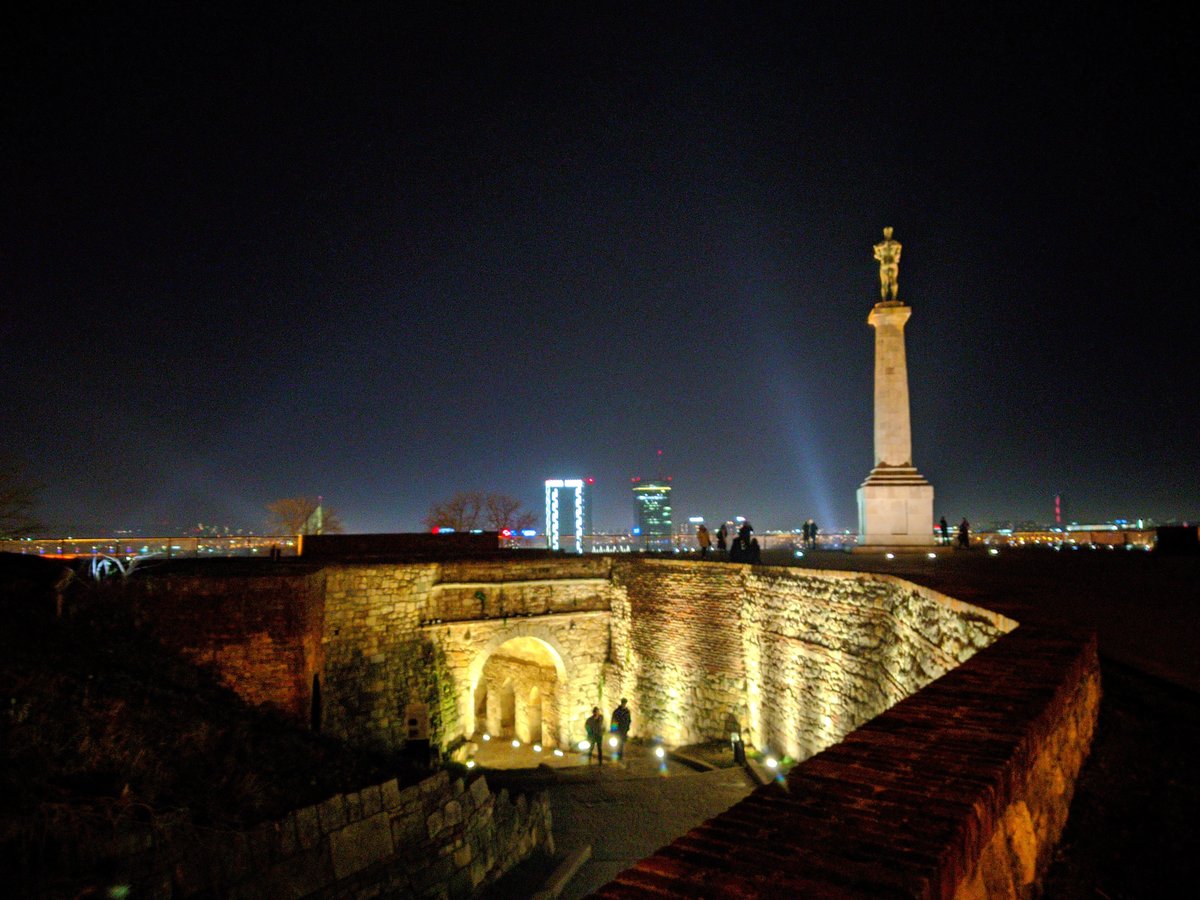
The journey to Pobednik leads visitors through centuries-old fortress gates, past Roman, Byzantine, Ottoman, and Austro-Hungarian fortifications. The monument’s dramatic silhouette is visible from afar and marks the transition from the fortress to breathtaking city and river views (Christina in the Clouds).
Photographic Opportunities
Pobednik’s elevated plaza is ideal for panoramic photography, especially at sunrise and sunset. The interplay of light on the bronze and marble, set against the confluence of the rivers, creates striking visual effects. Drone photography is permitted with adherence to local regulations (TT Group).
Accessibility and Travel Tips
- Accessibility: Main paths are paved, but some sections of the fortress are cobbled or steep. Wheelchair users and those with mobility impairments should plan accordingly.
- Facilities: Public restrooms, benches, and shaded areas are available. Cafés and kiosks offer refreshments.
- Weather: The plateau is exposed; bring water in summer and dress warmly in winter.
- Safety: The site is generally safe, but always watch personal belongings in crowded areas.
Nearby Attractions
- Military Museum: Extensive indoor and outdoor exhibits chronicling Serbian military history (Tourist Organization of Belgrade).
- Roman Well: Guided tours lead visitors into this mysterious underground structure (Meet Bosnia Tours).
- Ružica and Sveta Petka Churches: Historic Orthodox churches within the fortress grounds.
- Kalemegdan Zoo: Family-friendly, located in the Lower Town.
- Art Pavilion Cvijeta Zuzorić: Venue for exhibitions and cultural events.
Major city attractions like Republic Square and Knez Mihailova Street are within walking distance.
Food, Drink, and Souvenirs
- Refreshments: The Kalemegdan Terrace café and other nearby establishments offer drinks and light meals with spectacular views.
- Local Cuisine: Try Serbian specialties such as ćevapi, burek, and rakija at nearby restaurants and taverns (Meet Bosnia Tours).
- Souvenirs: Vendors near the fortress gates offer postcards, crafts, and memorabilia depicting Pobednik and Belgrade landmarks.
Frequently Asked Questions (FAQ)
What are Pobednik’s visiting hours?
Pobednik and the fortress grounds are open 24 hours a day, free of charge.
Is there an entrance fee?
No, visiting the monument and park is free. Some individual fortress attractions may charge a small admission fee.
Are guided tours available?
Yes, several local agencies offer tours including Pobednik and other key sites.
Is the monument wheelchair accessible?
Main paths are paved, but some areas have cobblestones and stairs. Assistance may be needed.
Can I take photos or use drones?
Photography is encouraged, but climbing on the monument is prohibited. Drone use is subject to local regulations.
What’s the best time to visit?
Early morning or late afternoon for stunning light and fewer crowds.
Discover More
Ready to experience Belgrade’s heritage firsthand? Download the Audiala app for curated guides and audio tours of Belgrade’s historical sites. Don’t miss our related posts on Belgrade’s top landmarks and upcoming cultural events. Follow us on social media for the latest travel inspiration!
Summary and Final Tips
Pobednik stands as a profound symbol of Serbia’s resilience and cultural identity. Its classical design, strategic location, and rich historical associations make it an essential stop for any visitor to Belgrade. The monument is freely accessible year-round, surrounded by the attractions, museums, and green spaces of Kalemegdan Fortress. Restoration and preservation efforts ensure its legacy for future generations.
For an enriching visit, explore the fortress grounds, join a guided tour, and enjoy the panoramic views. Use reliable resources such as the Tourist Organization of Belgrade and the Audiala mobile app to enhance your experience.
Listen to the full story in the app
The whole Pobednik,
told well.
Audio guides for 1,100+ cities across 96 countries. History, stories, and local insight — offline ready.
Verified, and shown.
Researched and written by the Audiala editorial team from historical records, architectural archives, and local expertise.
Researched from Wikidata, Wikipedia & official sources · fact-checked · How we make our guides →