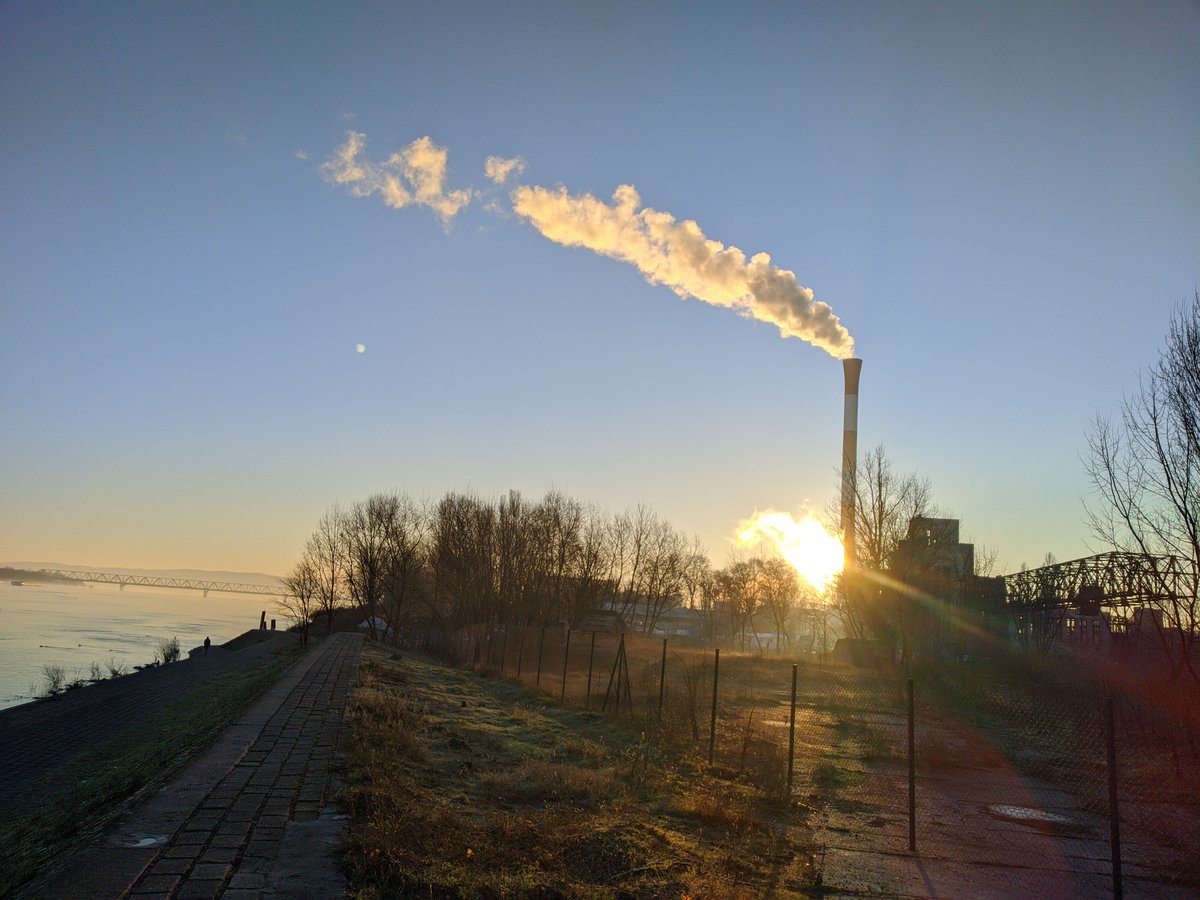
Plan and listen to Pančevo Bridge with Audiala.
Audio guide in your pocket, itinerary in your browser. Built for the way you actually visit.
Introduction
The Pančevo Bridge (Pančevački most) stands as a cornerstone of Belgrade’s urban landscape and a symbol of the city’s resilience and modern development. Spanning the Danube River, this combined road and railway truss bridge connects the Serbian capital with the city of Pančevo and the broader Banat region. Built in 1935 and originally intended as a temporary structure, the bridge has defied expectations, serving as a vital artery for transportation, commerce, and daily commutes for nearly a century.
Whether you are an architecture enthusiast, a history buff, or a traveler seeking panoramic vistas and cultural experiences, Pančevo Bridge offers a unique opportunity to explore both Belgrade’s industrial heritage and its dynamic contemporary life. This guide provides a comprehensive overview of the bridge’s historical significance, architectural features, practical visitor information, nearby attractions, and travel tips.
For real-time updates and visitor information, consult resources such as the Serbia Travel portal, Belgrade Public Transport Authority, and curated travel guides (suemtravels.com, Still in Belgrade, Evendo, Wikipedia).

Construction and Wartime History
The Pančevo Bridge was commissioned during Belgrade’s rapid urban expansion in the early 20th century, with construction beginning in 1933 and completion in 1935. Officially opened by Prince Regent Pavle Karađorđević, it was initially named the King Petar II Bridge. Notably, it was designed as a temporary solution with an anticipated lifespan of just ten years, but its robust structure and continual maintenance have cemented its place as a permanent city fixture (Belgrade My Way).
During World War II, the bridge was destroyed but was quickly rebuilt in 1946 as part of the region’s post-war recovery. The reconstructed bridge preserved the original truss design while incorporating modern engineering techniques, ensuring its role as a strategic crossing over the Danube.
Post-War Reconstruction and Modernization
By the 1960s, rising transport demands necessitated significant upgrades. A major renovation in 1965–66 introduced a parallel structure that was hydraulically shifted into place, an engineering solution that allowed continuous traffic flow during construction. Further maintenance in the 1970s and ongoing modernization projects, including integration with faster rail lines, have kept the bridge relevant for both road and rail traffic (ekapija.com).
Urban and Cultural Significance
Pančevo Bridge’s importance extends beyond infrastructure. For decades, it was Belgrade’s only Danube crossing, handling up to 200,000 vehicles daily before the opening of new bridges in recent years (Wikipedia). It anchors key urban development plans—such as the “City on Water” and the “Third Belgrade” projects—aimed at revitalizing riverbanks and expanding residential districts (Still in Belgrade).
The bridge is also an enduring cultural symbol, featuring in citywide celebrations and as a backdrop for photography. Its silhouette is a defining feature of Belgrade’s skyline and a testament to the city’s industrial heritage (wildtrips.net).
Visiting Pančevo Bridge
Access and Visiting Hours
Pančevo Bridge is a public thoroughfare open 24 hours a day, 7 days a week. There are no entrance fees or tickets required for pedestrians, cyclists, or vehicles (Evendo). However, temporary closures may occur due to maintenance or reconstruction, particularly with major works planned for 2025 (Vreme). Check local news or the City of Belgrade website for up-to-date information before your visit.
Tickets and Guided Tours
There are no entry tickets for the bridge itself. While regular guided tours are not offered, the bridge is often included in broader city and river tours organized by local travel agencies and cultural organizations. For updated tour options, visit Belgrade’s tourist information centers or official tourism websites (serbia.travel).
Getting There and Accessibility
By Public Transport:
- Buses: Numerous city bus lines, including #108 to Pančevo, stop near the bridge. The “Dunav Stanica” is a convenient boarding point for this route (XPLRverse).
- Train: The bridge is part of the Beovoz commuter rail network, with “Pančevački most” and “Krnjača” stations on either side (Wikipedia).
- Taxi/Car: The bridge connects major highways E70/E75. Expect significant traffic during rush hours (7–9 AM, 4–6 PM).
On Foot or by Bicycle:
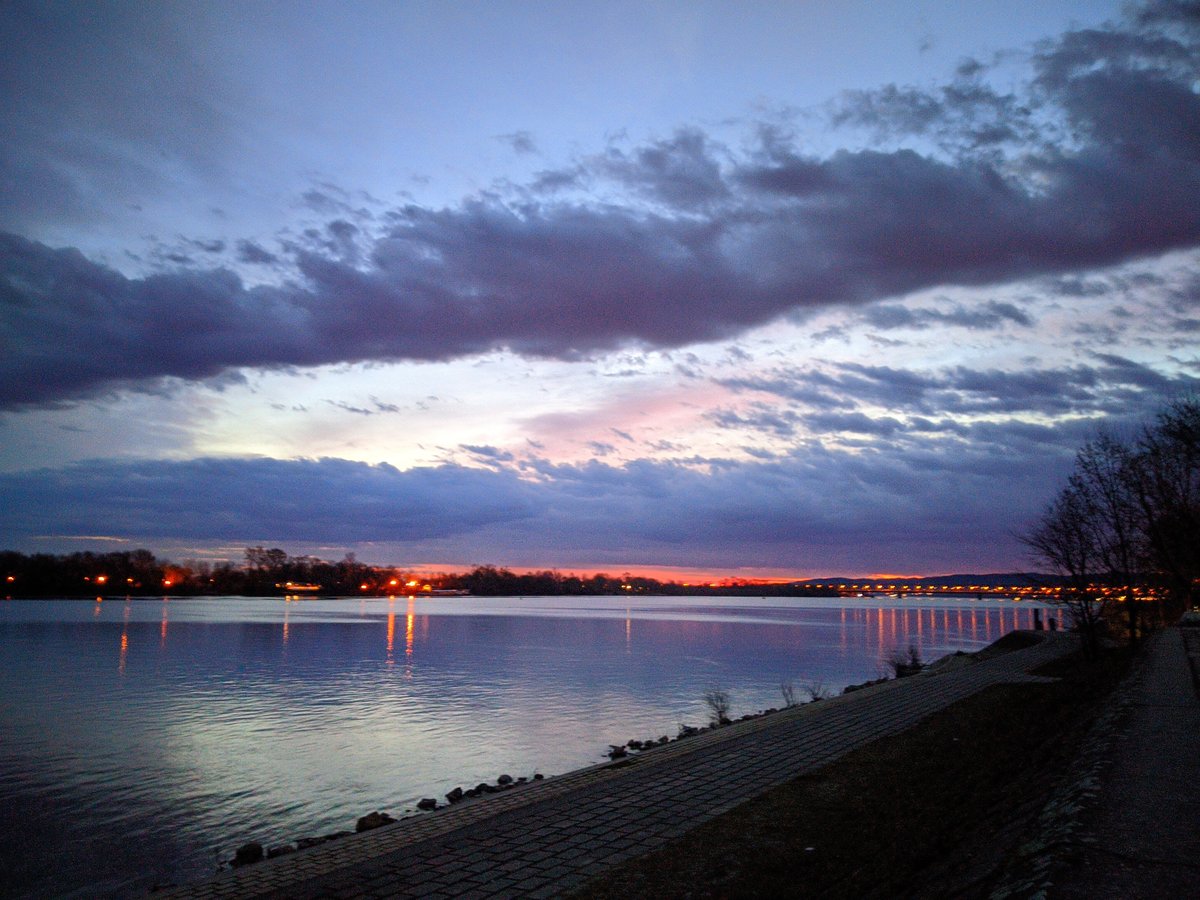
Pedestrian walkways and bike paths are available on both sides of the bridge. Walkers and cyclists enjoy spectacular Danube views, especially at sunrise and sunset. Note that walkways are narrow and exposed to traffic noise (Evendo).
Accessibility for Mobility-Impaired Visitors:
While sidewalks are present, steps and the absence of ramps/elevators mean wheelchair access is limited. Public transport options are generally more accessible.
Safety, Weather, and Tips
- Safety: The bridge is structurally sound but heavily trafficked. Pedestrians and cyclists should stay alert and use designated paths.
- Weather: Prepare for seasonal extremes—hot summers, cold winters, and occasional strong winds. The bridge can be slippery when wet (Wanderlog).
- Amenities: There are no public restrooms on the bridge. Nearby cafés and public buildings offer facilities.
Best Times to Visit:
Spring (April–June) and autumn (September–October) provide mild weather and optimal air quality. Early mornings and late afternoons offer the best lighting for photography and less congestion (HikersBay).
Nearby Attractions and Activities
Combine your bridge visit with these nearby sites:
- Riverside Promenades: Popular for walking, jogging, and riverside dining (Destination Abroad).
- Port of Belgrade: Major cargo and passenger port, about 20 minutes on foot (Trek Zone).
- Jevremovac Botanical Garden: 34 minutes’ walk from the bridge.
- Atelje 212 Theater: Renowned for avant-garde performances.
- Pančevo Town: Famous for Austro-Hungarian architecture, riverside cafés, and easy rail/bus access (Light Investor).
Frequently Asked Questions (FAQs)
Q: Are there visiting hours for Pančevo Bridge?
A: The bridge is open 24/7, but check for temporary closures during major maintenance.
Q: Is there an entry fee or ticket required?
A: No, visiting and crossing the bridge is free for all.
Q: Can I walk or cycle across the bridge?
A: Yes, dedicated pedestrian and bike paths are available, but use caution due to traffic.
Q: Are guided tours available?
A: The bridge may be included in broader city walking or river tours; inquire with local operators.
Q: Is the bridge accessible for people with disabilities?
A: Access is limited for wheelchair users; public transport alternatives are advised.
Q: Can I take photographs on the bridge?
A: Absolutely, especially at sunrise and sunset.
Q: Are drones permitted?
A: Drone use is regulated. Check with local authorities before flying.
Listen to the full story in the app
The whole Pančevo Bridge,
told well.
Audio guides for 1,100+ cities across 96 countries. History, stories, and local insight — offline ready.
Verified, and shown.
Researched and written by the Audiala editorial team from historical records, architectural archives, and local expertise.
Researched from Wikidata, Wikipedia & official sources · fact-checked · How we make our guides →