Plan and listen to Palace Albania with Audiala.
Audio guide in your pocket, itinerary in your browser. Built for the way you actually visit.
Introduction
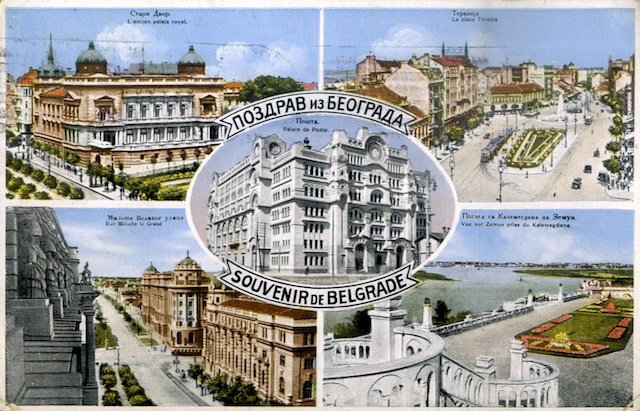
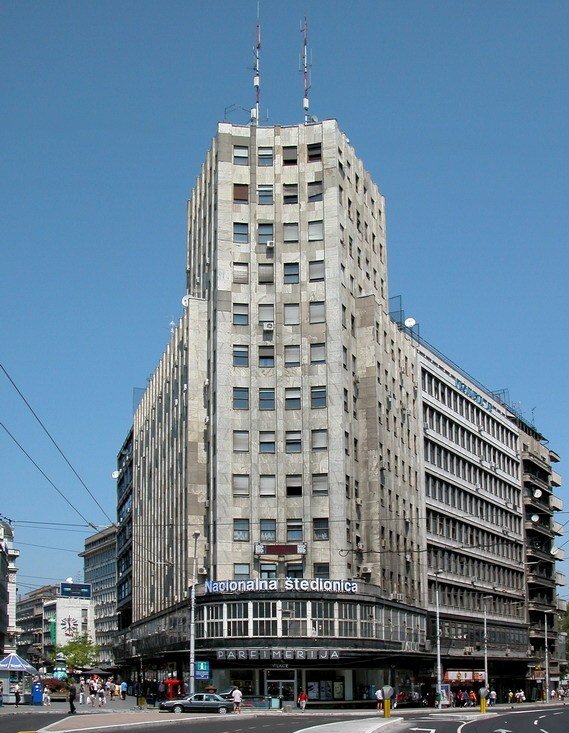
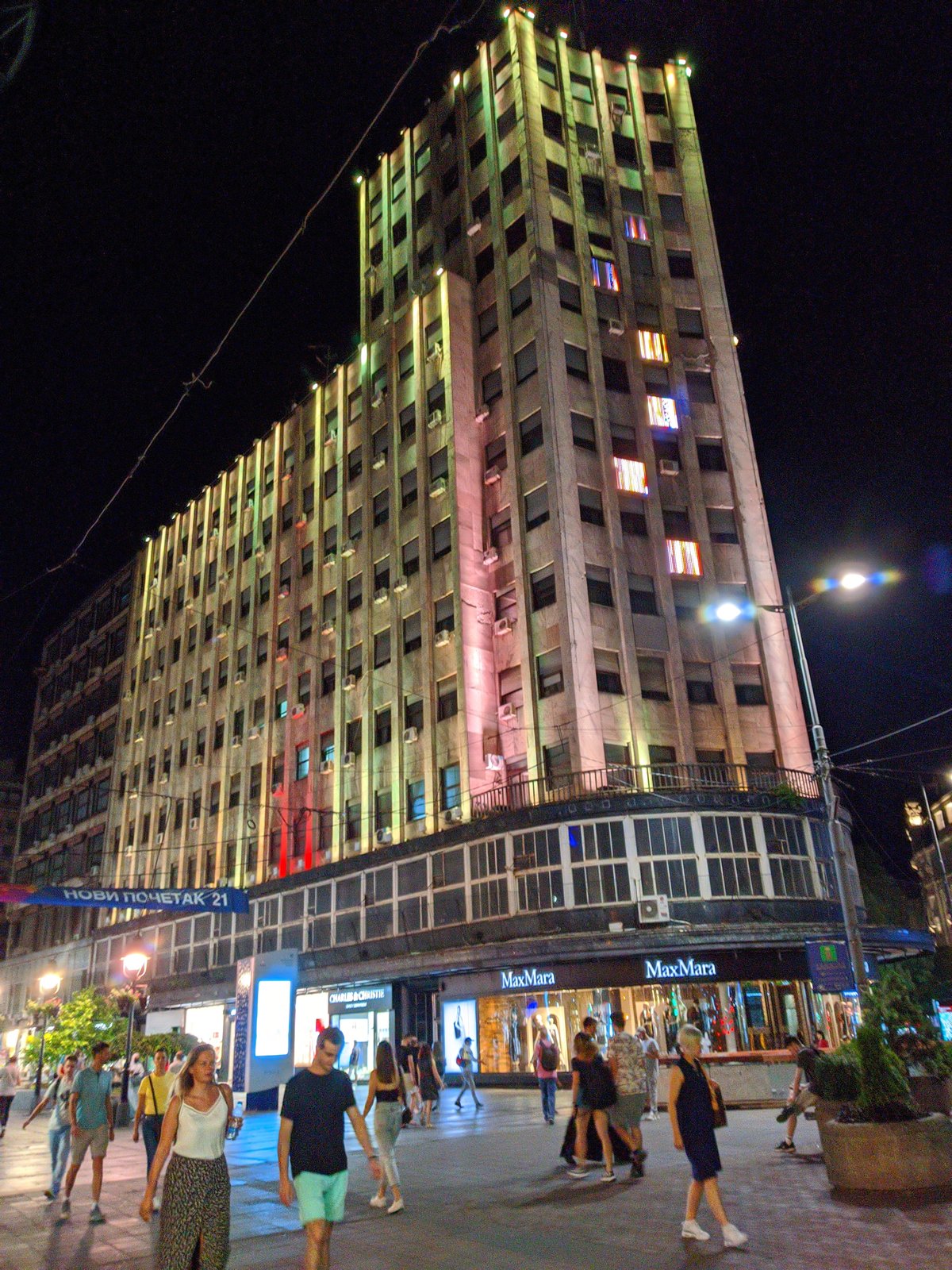
Palace Albania (Palata Albanija) is one of Belgrade’s most iconic landmarks and the first skyscraper in Southeast Europe. Completed in 1939, it stands as a symbol of the city’s modernization, resilience, and cosmopolitan spirit. Strategically located at Terazije Square—the heart of Belgrade—it not only anchors the urban landscape visually but also serves as a cultural and historical reference point. This guide provides detailed information on visiting hours, ticket policies, accessibility, historical context, architectural features, and nearby attractions to help you make the most of your visit to this remarkable site (Serbia.com; Beograd.rs; Apartmani-u-Beogradu.com).

Historical Background
Origins and Construction
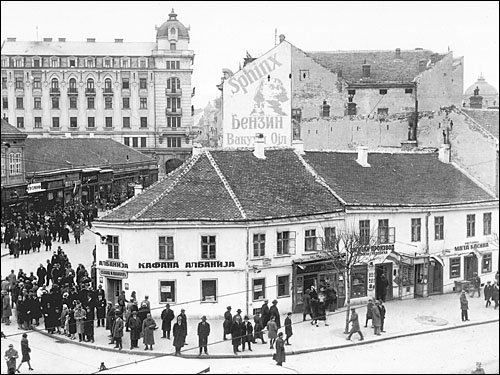
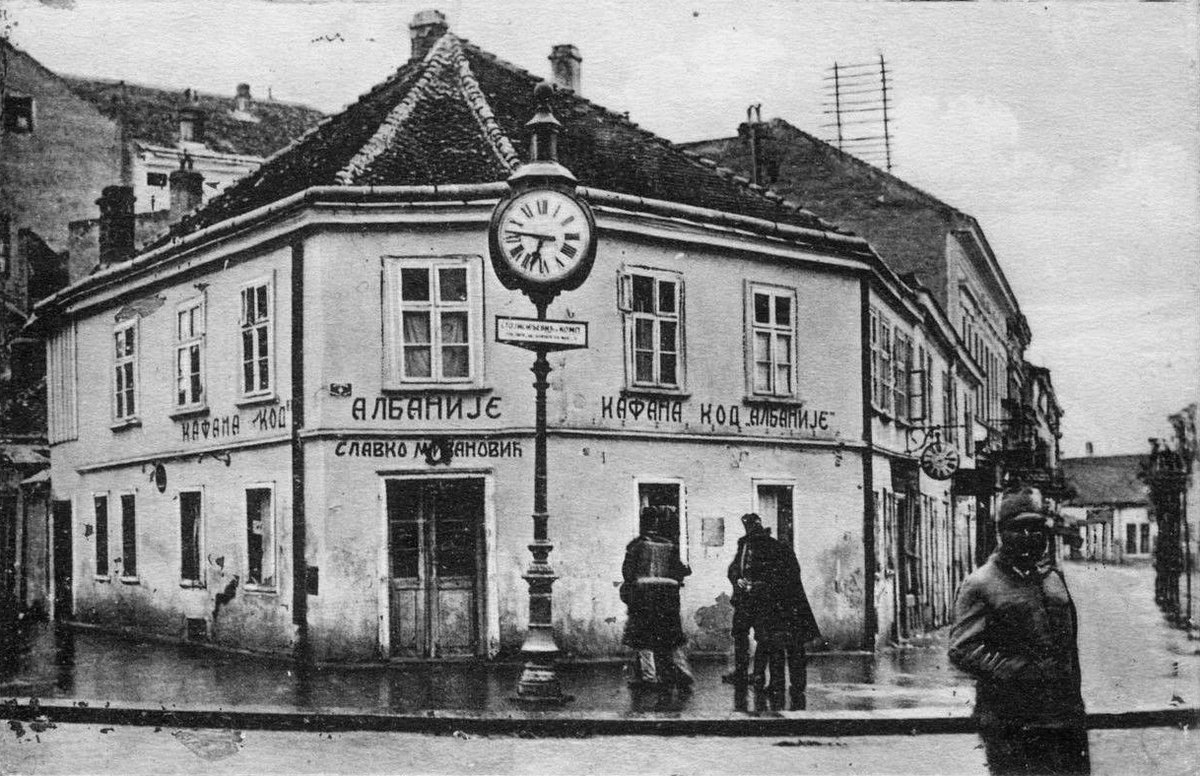
Palace Albania was built on the site of the famous 19th-century "Kod Albanije" tavern, a beloved gathering place for artists and intellectuals. Construction began in 1938, led by the Vučo brothers, with Branko Bon and Milan Grakalić as the main architects. The project aimed to symbolize Belgrade’s transition into a modern European metropolis. The building was completed in 1939 and instantly became a city landmark (Serbia.com; Beograd.rs).
Architectural Significance
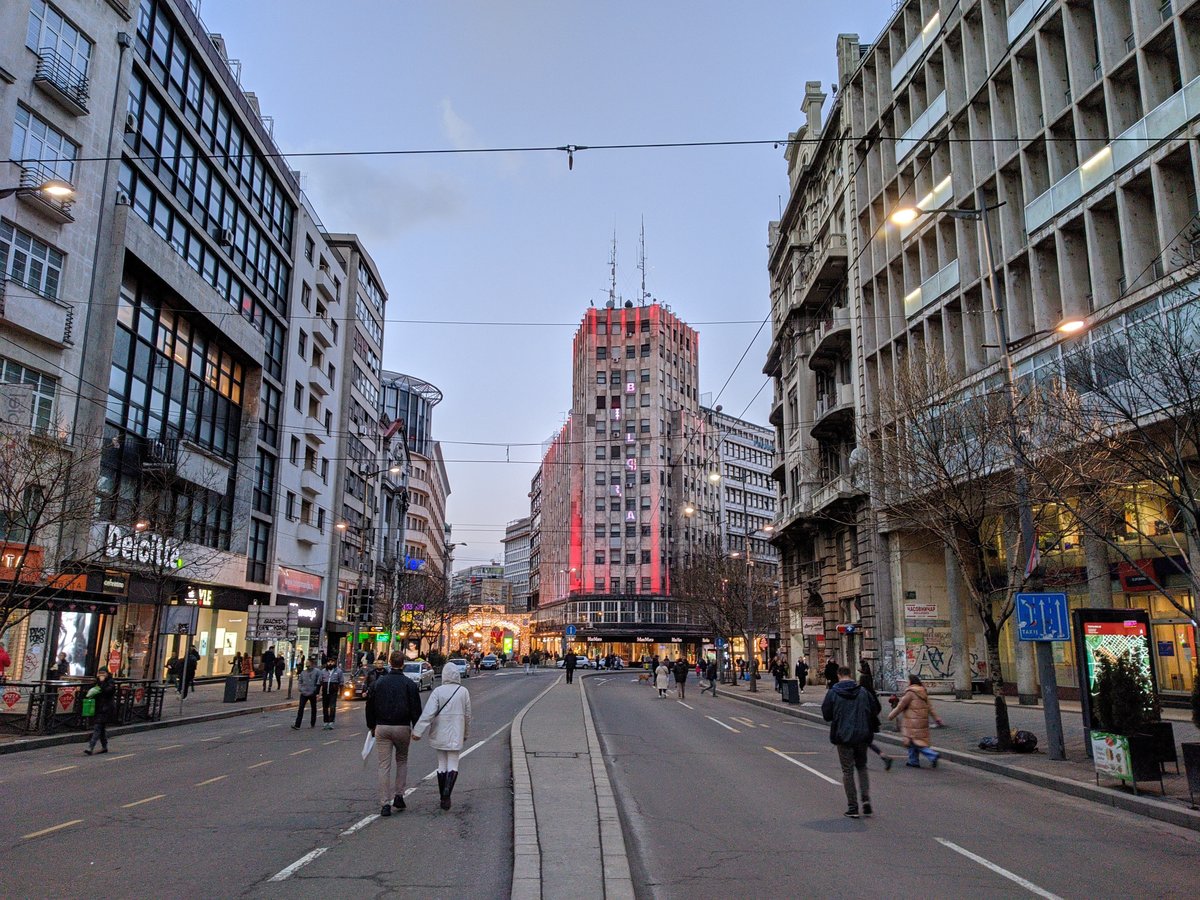
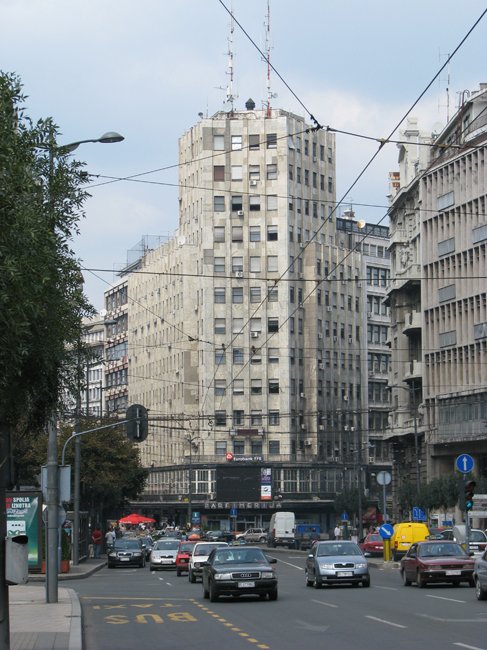
Palace Albania is recognized as the first skyscraper in Southeast Europe, rising 53 meters with 13 above-ground floors and several underground levels. Its design blends Art Deco and International Style, featuring a minimalist marble façade, vertical pilasters, and large windows. The use of reinforced concrete and steel frameworks was pioneering for the region, ensuring both durability and seismic resistance (Atlas Obscura; Architectuul).
Role During World War II
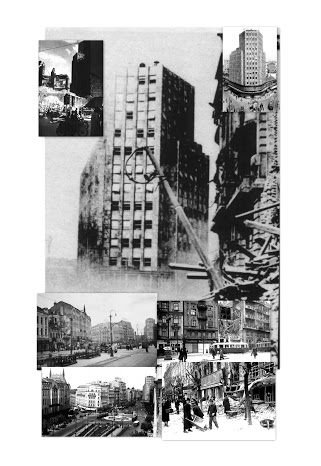
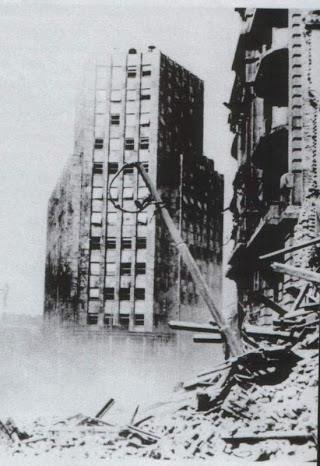
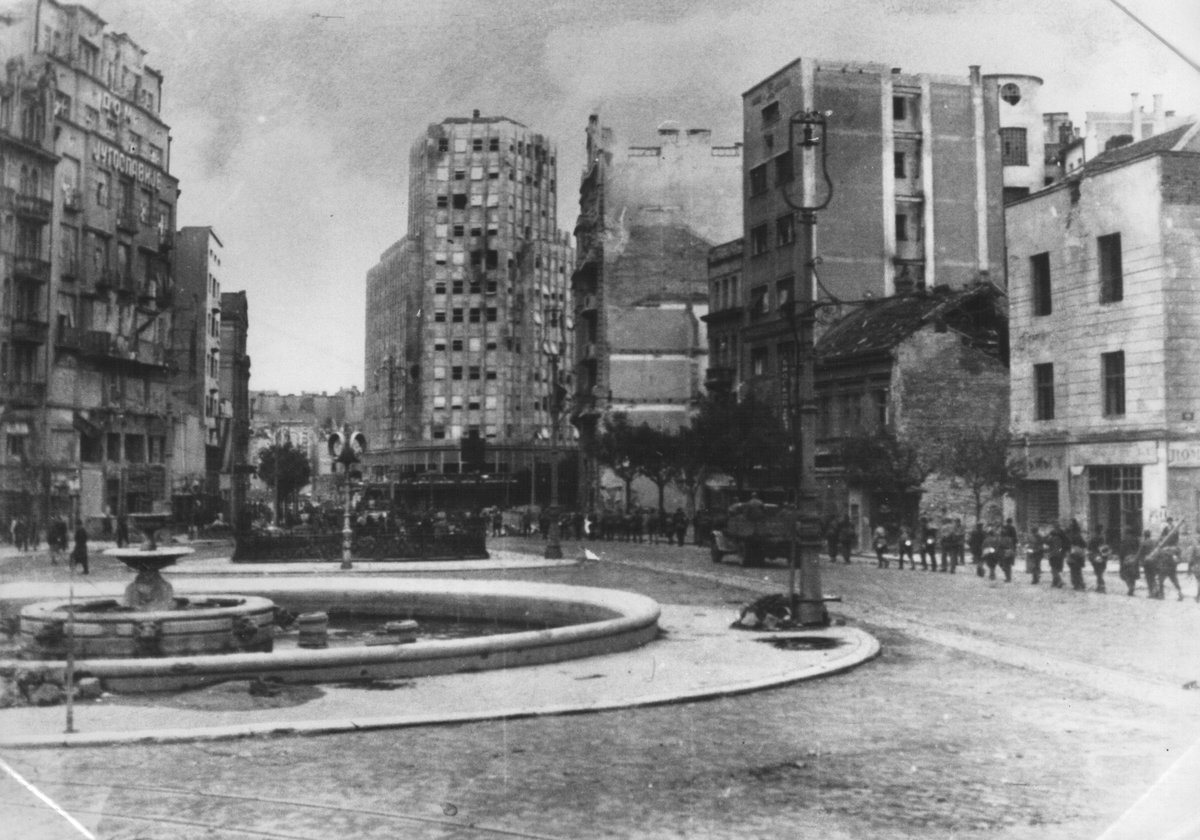
The building famously survived the 1941 German bombing of Belgrade, sustaining only minor damage despite being one of the first structures hit (Blic.rs). It was used by German occupiers for administrative purposes but remained a symbol of resilience and continuity during and after the war.
Post-War Transformation and Modern Status
After World War II, Palace Albania was nationalized and repurposed for state enterprises, while retaining commercial shops and residential spaces. Declared a cultural monument in 1984, it underwent restoration to preserve its heritage while adapting to contemporary needs (Beograd.rs). Today, it houses offices, shops, and apartments, maintaining its central role in Belgrade’s urban life.
Cultural and Symbolic Importance
Palace Albania is more than an architectural achievement; it is deeply woven into Belgrade’s collective memory and urban identity. Its location at the intersection of Terazije, Knez Mihailova, and Kralja Milana makes it a popular meeting point and a symbol of the city’s spirit. The phrase “Let’s meet at Albania” is part of everyday Belgrade culture (Atlas Obscura).
Visitor Information
Visiting Hours
- Exterior Viewing & Ground Floor Shops: Accessible daily from 8:00 AM to 8:00 PM.
- Guided Tours & Cultural Events: Occasional tours may be available; check with the Tourist Organization of Belgrade for schedules.
Tickets and Entry
- General Access: Free. The building’s exterior and ground floor shops can be visited without charge.
- Special Tours/Events: May require tickets, typically 500–1,000 RSD (approx. 4–8 EUR). Check tour operators or cultural institutions for details.
Accessibility
- Area: The surrounding square is pedestrian-friendly and accessible for visitors with mobility needs. Ramps and paved sidewalks are present.
- Interior: Most interior spaces are private (offices/residences); ground floor shops may feature accessible entries.
Getting There
- Address: Terazije Square, Kolarčeva; Knez Mihaila 2, 4; Terazije, 11000 Belgrade.
- Public Transport: Multiple tram and bus lines serve Terazije Square.
- On Foot: Adjacent to Knez Mihailova pedestrian street, Republic Square, and other city center attractions.
Amenities and Facilities
- Cafés and Shops: Ground floor houses several cafes, bakeries, and retail outlets.
- Restrooms: Available in some commercial establishments.
- Wi-Fi: Free Wi-Fi is often available in cafes and some public zones.
Nearby Attractions
- Knez Mihailova Street: Main pedestrian shopping and cultural avenue.
- Republic Square: Home to the National Museum and National Theatre.
- Kalemegdan Fortress: Historic site with panoramic city views.
- Hotel Moskva: Historic hotel and café nearby.
- Skadarlija: Bohemian quarter renowned for traditional restaurants.
Photographic Spots
- Best Vantage Points: Terazije Square, Knez Mihailova intersection, and the plaza at golden hour.
- Tips: Photograph the façade at sunrise or sunset for optimal lighting.
Frequently Asked Questions (FAQ)
Q: Is there an entrance fee for Palace Albania?
A: No, access to the exterior and ground floor shops is free. Guided tours or events may require tickets.
Q: Can I go inside Palace Albania?
A: General public access to interior spaces is limited. Occasionally, special tours or cultural events open select areas.
Q: Are guided tours available?
A: Yes, but only occasionally. Check with the Tourist Organization of Belgrade or local tour providers.
Q: Is the site accessible for people with disabilities?
A: The area around Palace Albania is accessible, though interior access is limited to ground floor commercial spaces.
Q: What are the best nearby attractions to combine with a visit?
A: Republic Square, Knez Mihailova, Kalemegdan Fortress, and Skadarlija are all within easy walking distance.
Q: When is the best time to photograph Palace Albania?
A: During late afternoon or early evening for the best light on the marble façade.
Travel Tips
- Visit in spring or autumn for pleasant weather.
- Combine your visit with a stroll down Knez Mihailova Street and a stop at nearby museums or cafés.
- Join a walking tour for context and stories you might otherwise miss.
Listen to the full story in the app
The whole Palace Albania,
told well.
Audio guides for 1,100+ cities across 96 countries. History, stories, and local insight — offline ready.
Verified, and shown.
Researched and written by the Audiala editorial team from historical records, architectural archives, and local expertise.
Researched from Wikidata, Wikipedia & official sources · fact-checked · How we make our guides →