Plan and listen to Novi Dvor with Audiala.
Audio guide in your pocket, itinerary in your browser. Built for the way you actually visit.
Introduction
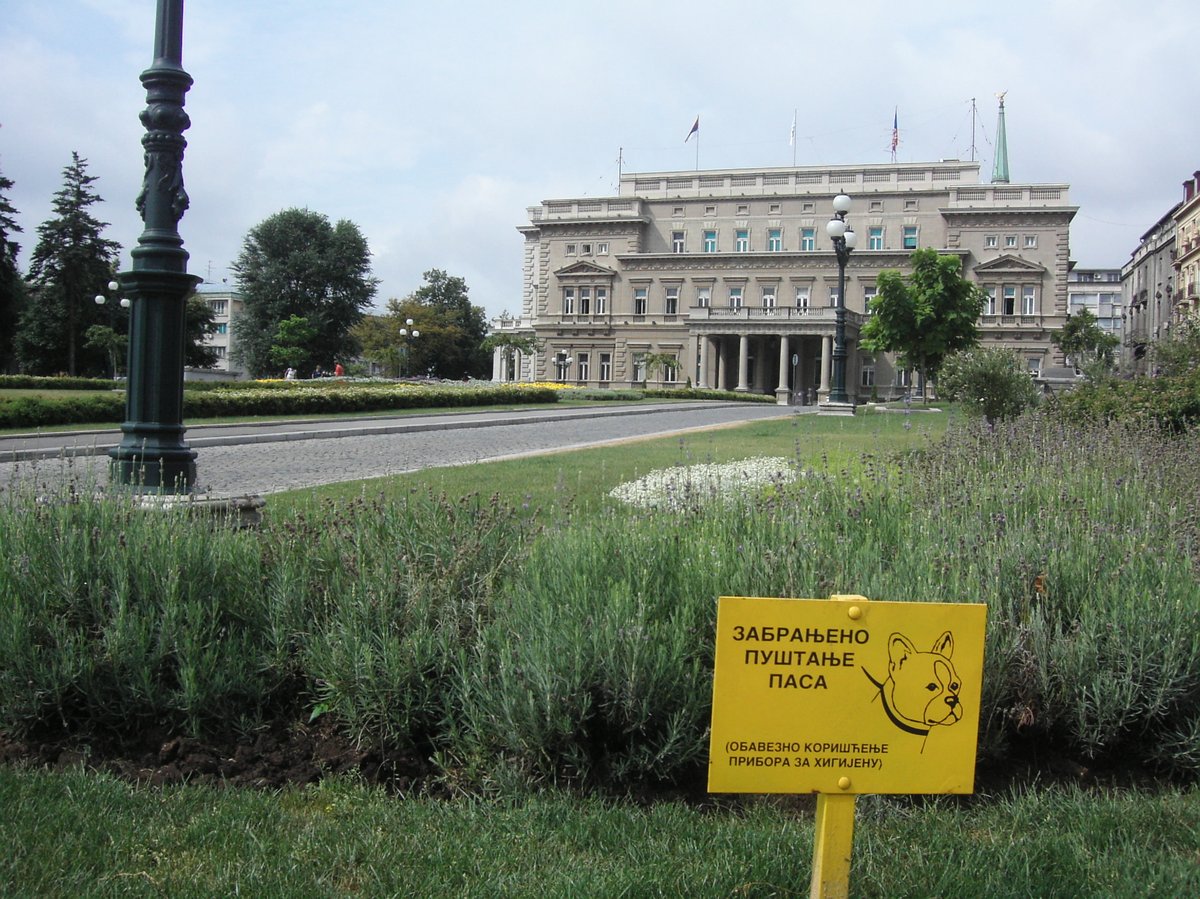
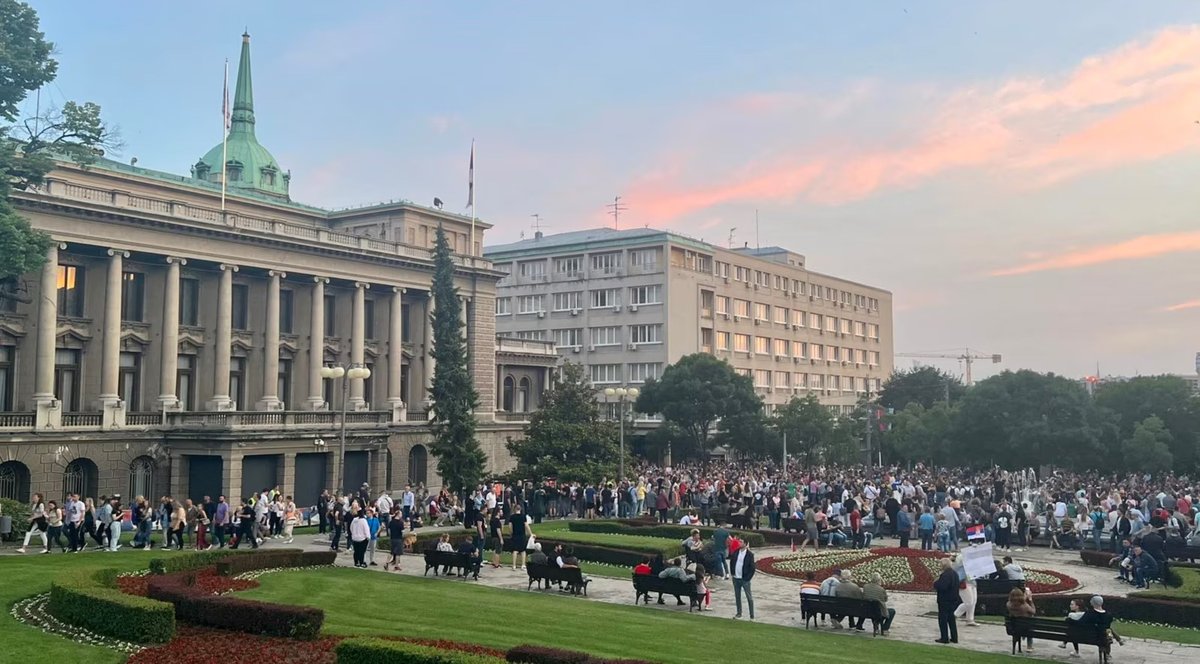
Novi Dvor, or the "New Palace," is a cornerstone of Belgrade’s historic and political landscape. Originally built as the royal residence for the Karađorđević dynasty, today it serves as the official residence of the President of Serbia. Its architecture, history, and location in the heart of the city encapsulate Serbia’s journey from monarchy to republic. This comprehensive guide details Novi Dvor’s historical significance, architectural features, practical visitor information—including visiting hours and ticket policies—accessibility, nearby attractions, and travel tips to help you plan your visit.
For current updates, always consult official resources such as the Belgrade Tourist Organization and the Official Website of the Presidential Residence, as well as local tour providers (Wikiwand; Evendo).

Origins and Planning
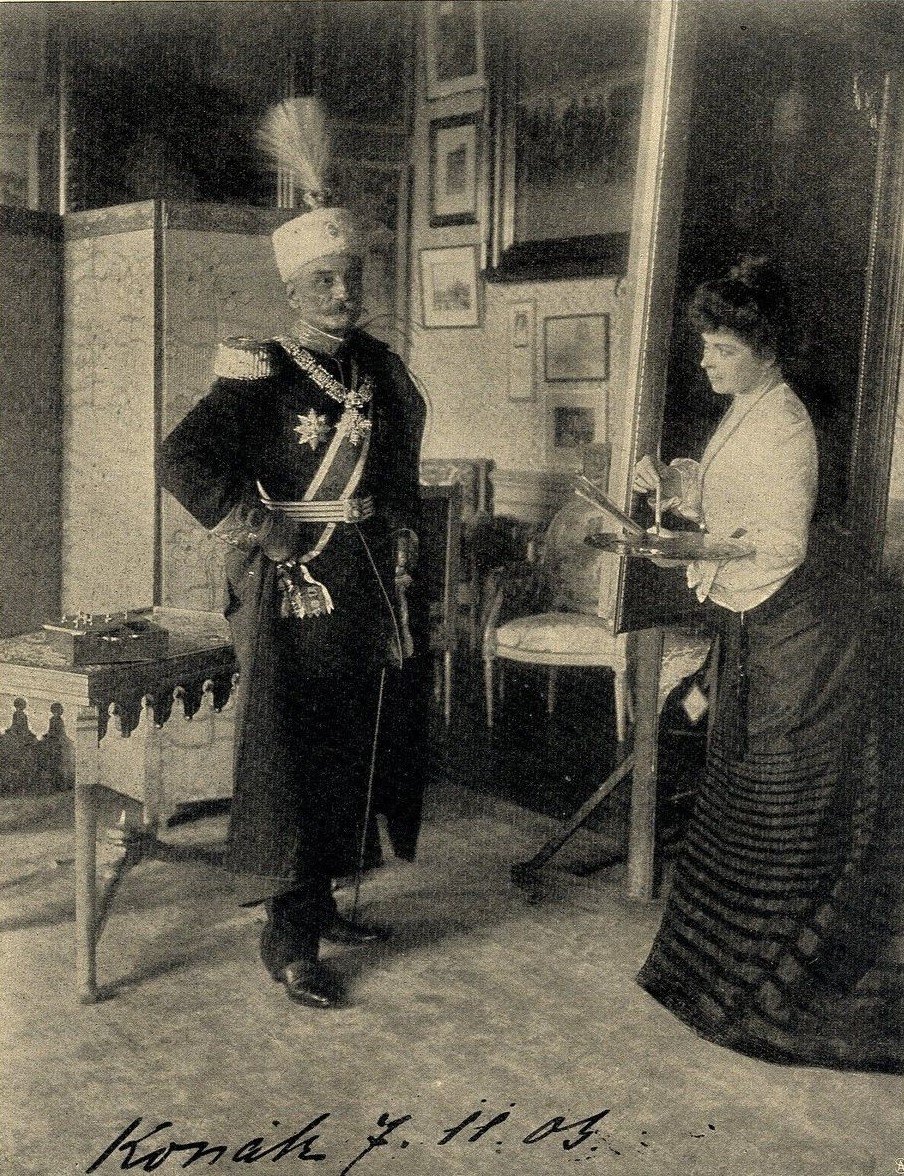
The decision to build Novi Dvor followed the 1903 dynastic change, as the Karađorđević family required a modern residence distinct from the ceremonial Stari Dvor (Old Palace). Architect Stojan Titelbah was commissioned, and construction began in 1911, with the intent to complement the existing Old Palace and form a new royal complex at Andrićev Venac (Wikiwand; Wikipedia, sr-el).
Construction and Royal Use
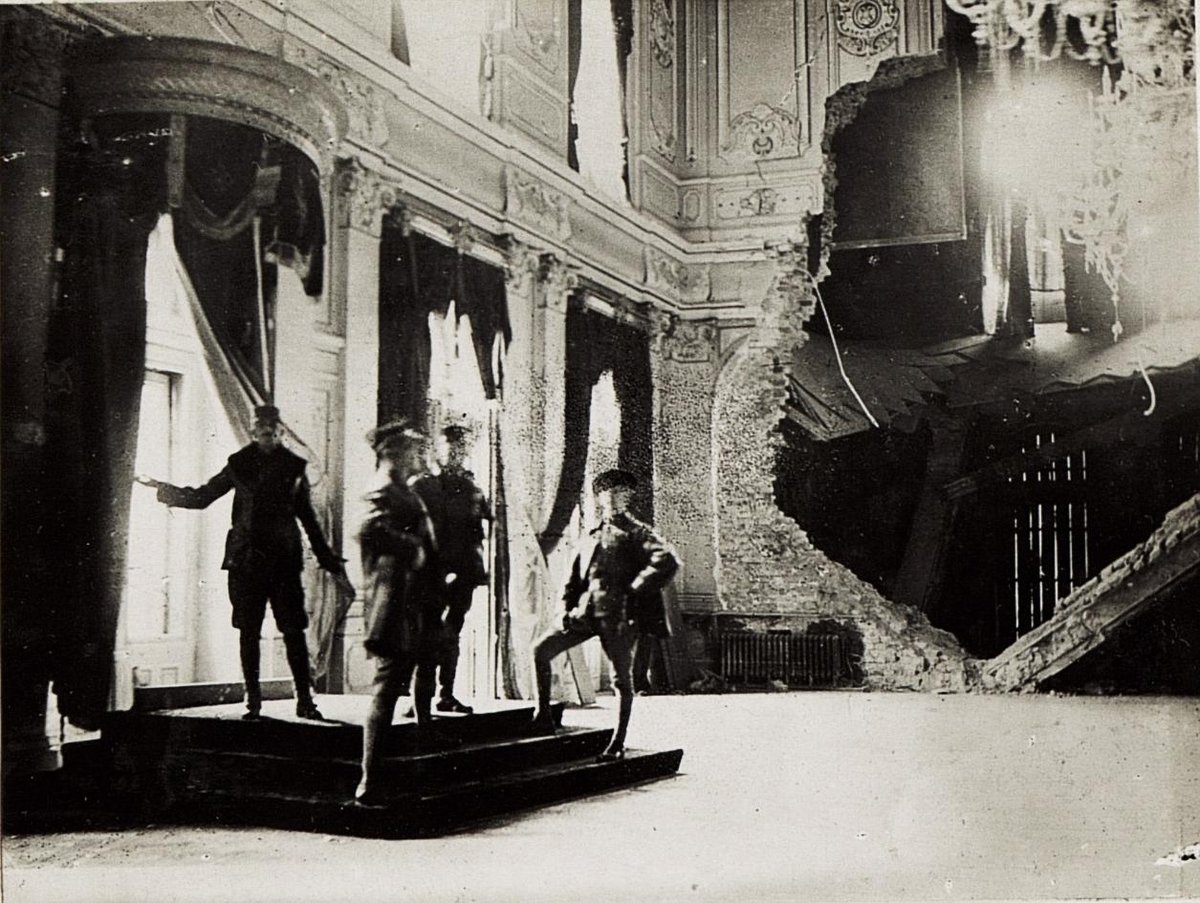
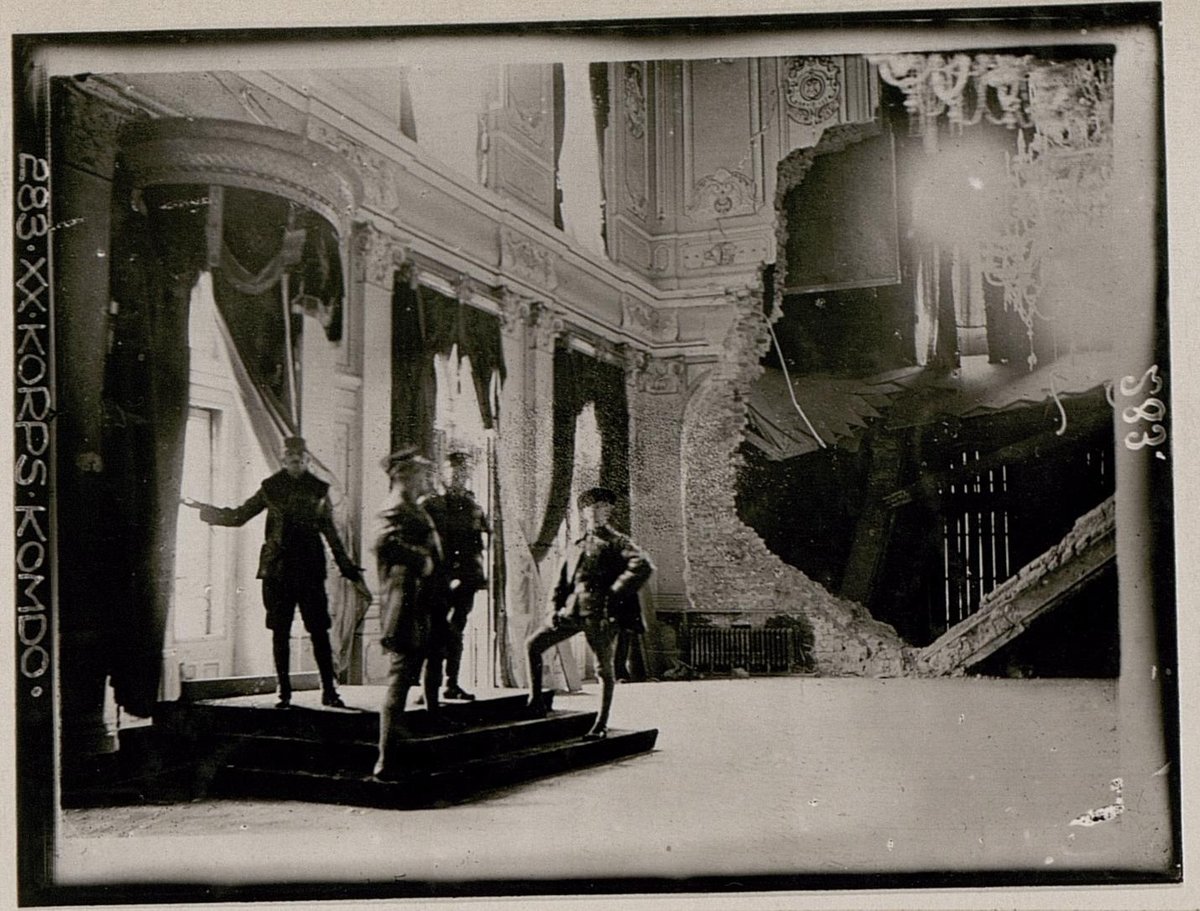
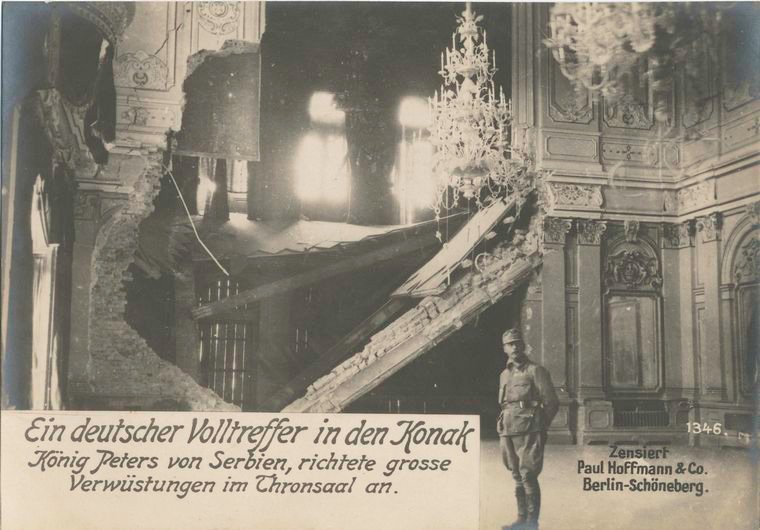
Interrupted by the Balkan Wars and World War I, the palace was completed in 1922. Its academic style, with Renaissance and Baroque influences, reflected the stature of the Karađorđević dynasty. Novi Dvor became the royal family’s primary residence, hosting major state events and royal milestones, including the birth of Crown Prince Peter in 1923 (Wikipedia, sr-el).
Museum Period
After King Alexander I’s assassination in 1934, the royal family relocated. Novi Dvor was repurposed as the Museum of Prince Paul, opening in 1936 and heralded for its comprehensive cultural collections. This era lasted until 1948, when government changes shifted its function (Wikiwand).
Post-War Transformation
Post-World War II, Novi Dvor transitioned to a government building. The grounds became Pioneers Park, and the Maršalat building was demolished. Architect Milan Minić led a significant reconstruction (1948–1953), adapting the palace for the Presidency of the Socialist Republic. Republican symbols replaced royal heraldry, and interiors were updated with Yugoslav art (Wikipedia, sr-el).
Modern Role
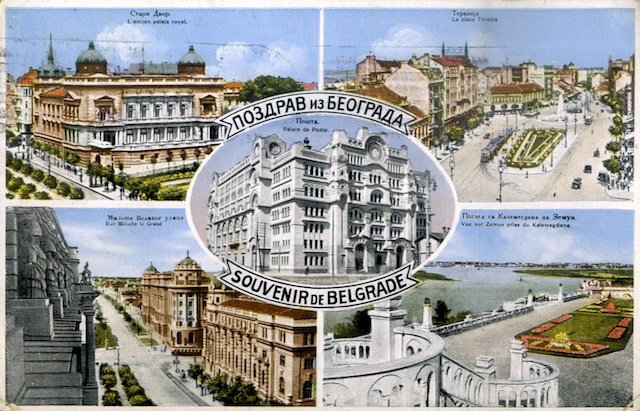
Since 1953, Novi Dvor has housed the highest state authorities, including the National Assembly and, currently, the President of Serbia. It forms a symbolic ensemble with the Old Palace and National Assembly, anchoring Belgrade’s political and cultural identity (Neverending Footsteps).
Heritage Status
Novi Dvor was declared a protected cultural monument in 1983, ensuring preservation of its architectural and historical elements for future generations (Wikipedia, sr-el).
Architecture and Design
Style and Influences
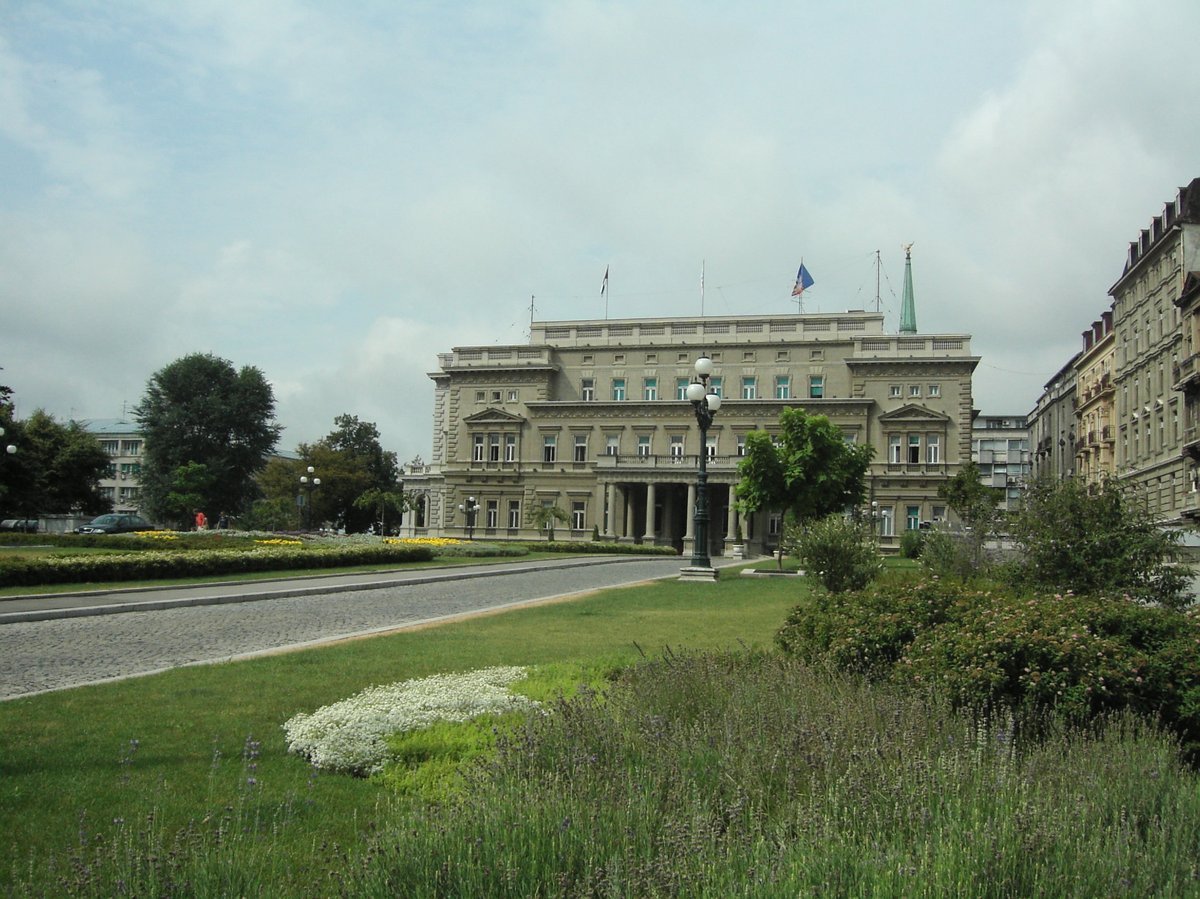
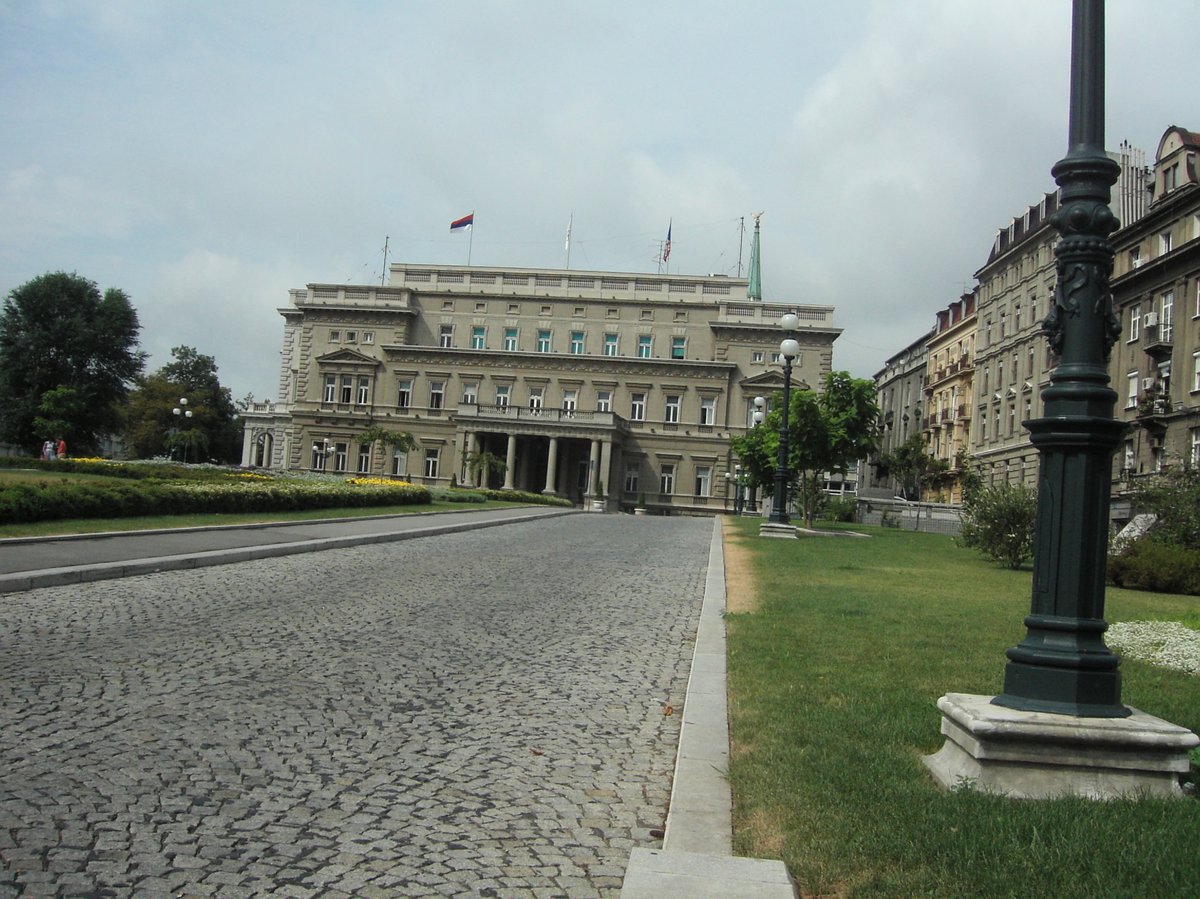
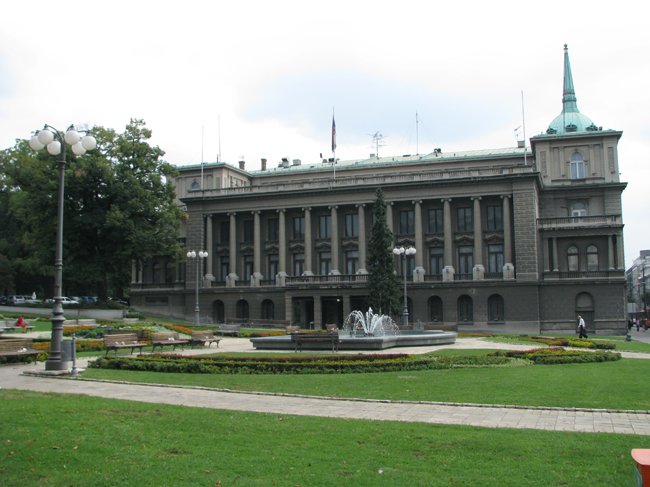
Novi Dvor’s design is rooted in academic architecture, combining neoclassical symmetry with Renaissance, Baroque, and subtle Byzantine influences. Titelbah’s design achieved balance with Stari Dvor and featured harmonious proportions and decorative restraint (Wikipedia; Trek Zone).
Façade and Ornamentation
The palace’s main façade features a central projection, end pavilions, and a curved porch. Key ornamental elements include the Karađorđević royal arms, a dome-capped corner tower with a bronze eagle, and heraldic shields. After World War II, some royal symbols were replaced with republican emblems (Wikipedia).
Materials and Craftsmanship
Finely worked stone, rusticated bases, and academic details dominate the exterior. Interiors originally boasted opulent royal apartments, with later government-era renovations introducing murals and sculptures by Yugoslav artists (Dvorci Srbije).
Palace Complex and Gardens
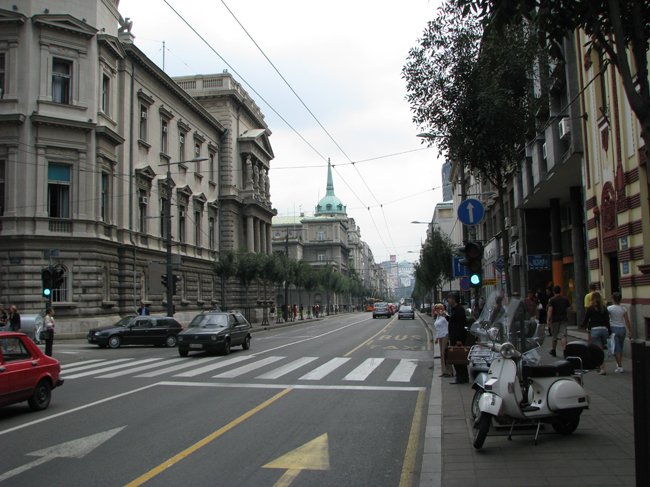
Originally part of a larger palace ensemble, Novi Dvor is set within manicured gardens, now Pioneers Park, open to the public and featuring vibrant landscaping and mature trees (Evendo). The palace’s prominent position on Andrićev Venac enhances its symbolic presence in the city (Trek Zone).
Post-War Modifications
Between 1948 and 1953, Novi Dvor was adapted for government use. The façade facing Stari Dvor received a new Ionic colonnade, and interiors were modernized for administrative functions (Wikipedia).
Visiting Novi Dvor
Visiting Hours and Tickets
- Palace Interior: Generally closed to the public due to its function as the presidential residence.
- Gardens and Exterior: Open daily, typically from 8:00 AM to 6:00 PM. Hours may vary during official functions (Evendo).
- Tickets: No fee is required to access the gardens and view the exterior. Interior tours are rare and only possible during special open days or cultural events.
Accessibility and Facilities
- The grounds are mostly wheelchair and stroller accessible, though some nearby streets may have uneven cobblestones.
- There are no restrooms on-site; nearby restaurants and public buildings offer such facilities.
- Free Wi-Fi is available in many public spaces around Stari Grad.
Guided Tours and Events
- Regular guided tours inside the palace are not offered, but Belgrade walking tours often include Novi Dvor as a highlight.
- Occasionally, special events or open days are organized by the President’s Office or the Tourist Organization of Belgrade.
Getting There
- By Public Transport: Tram line 2 and bus lines 21 and 22 stop nearby. The palace is within walking distance of Republic Square and Knez Mihailova Street (Evendo).
- By Car: Limited parking; use public garages if driving.
- From Airport: Take the A1 shuttle bus from Nikola Tesla International Airport to the city center, then tram or bus to Novi Dvor (Forever Out Of Office).
Travel Tips
- Visit during spring or autumn for the best weather and fewer crowds.
- Dress modestly and respect security protocols, as active government functions occur onsite.
- Combine your visit with nearby attractions for a full cultural experience.
Nearby Attractions
- Stari Dvor (Old Palace): Opposite Novi Dvor, with its own rich history.
- National Assembly: A key architectural and political landmark.
- Pioneers Park: Ideal for relaxation and photography.
- Knez Mihailova Street: Renowned pedestrian zone with shops and cafes.
- Skadarlija: Bohemian quarter known for traditional restaurants and live music.
Frequently Asked Questions (FAQ)
Q: Can I enter Novi Dvor?
A: The interior is not open to the public except during rare official events.
Q: What are the visiting hours?
A: The gardens and exterior can generally be visited from 8:00 AM to 6:00 PM, subject to official activities.
Q: Is there an entry fee?
A: No, access to the gardens and exterior is free.
Q: Are guided tours available?
A: Interior tours are rare; however, Novi Dvor is included in many city walking tours.
Q: Is Novi Dvor accessible for people with disabilities?
A: The gardens and surrounding area are mostly wheelchair-friendly.
Q: How do I get there from the airport?
A: Take the A1 shuttle bus to the city center, then tram or bus to the palace.
Listen to the full story in the app
The whole Novi Dvor,
told well.
Audio guides for 1,100+ cities across 96 countries. History, stories, and local insight — offline ready.
Verified, and shown.
Researched and written by the Audiala editorial team from historical records, architectural archives, and local expertise.
Researched from Wikidata, Wikipedia & official sources · fact-checked · How we make our guides →