Plan and listen to Museum Of The Serbian Orthodox Church with Audiala.
Audio guide in your pocket, itinerary in your browser. Built for the way you actually visit.
Introduction
The Museum of the Serbian Orthodox Church in Belgrade is a premier destination for anyone interested in Serbia’s spiritual, cultural, and artistic history. Situated in the heart of the city within the Patriarchate complex, this museum not only safeguards invaluable religious artifacts but also tells the story of the Serbian Orthodox Church’s role in shaping the nation’s identity. Whether you are a pilgrim, art enthusiast, historian, or casual traveler, this guide provides everything you need to know about visiting hours, ticket prices, highlights of the collection, accessibility, and travel tips for a rewarding experience.


Historical Background and Significance
Foundation and Mission
The Museum of the Serbian Orthodox Church was officially founded in 1926, realizing a long-standing vision of the Serbian Orthodox Church’s Assembly of Bishops. The aim was to create an institution that would document and preserve the development of the Church and its impact on Serbian culture across all historical periods and regions, without focusing on any single diocese or personality. The museum’s establishment coincided with the consolidation of Serbian national identity, underlining the Church’s pivotal role in education, literacy, and the arts (panacomp.net; artsandculture.google.com).
Architectural Setting
The museum is located within the Patriarchate building at 6 Kneza Sime Markovića Street, across from the Cathedral Church of St. Michael the Archangel. The building, designed by Russian architect Viktor Lukomski and completed between 1933 and 1935, is an architectural landmark. Its blend of stately exterior and elegant interiors provides an appropriate setting for the museum’s distinguished collection (beotura.rs; tob.rs).
Collection Highlights
The museum’s collection, comprising approximately 40,000 items, is one of the richest repositories of Serbian ecclesiastical art and history. Here are some of the major highlights:
Manuscripts and Books
- Four Gospel (1552): The first book printed in Belgrade, an irreplaceable testament to early Serbian literacy (panacomp.net).
- Illuminated Gospels and Psalters: Manuscripts dating from the 14th to 19th centuries, many in Old Church Slavonic, illustrating the evolution of Serbian liturgical tradition.
Icons and Iconostases
- Icon of St. Demetrius (19th Century): An exquisite example of Orthodox iconography.
- Iconostasis Panels: Intricately painted and carved, reflecting Byzantine and local artistic influences.
Textiles and Vestments
- Epitaphion of King Milutin (Late 13th Century): A richly embroidered shroud believed to have belonged to Serbian royalty.
- Shroud for Prince Lazar (1402): Created by nun Efimija, featuring delicate silver and gold threadwork.
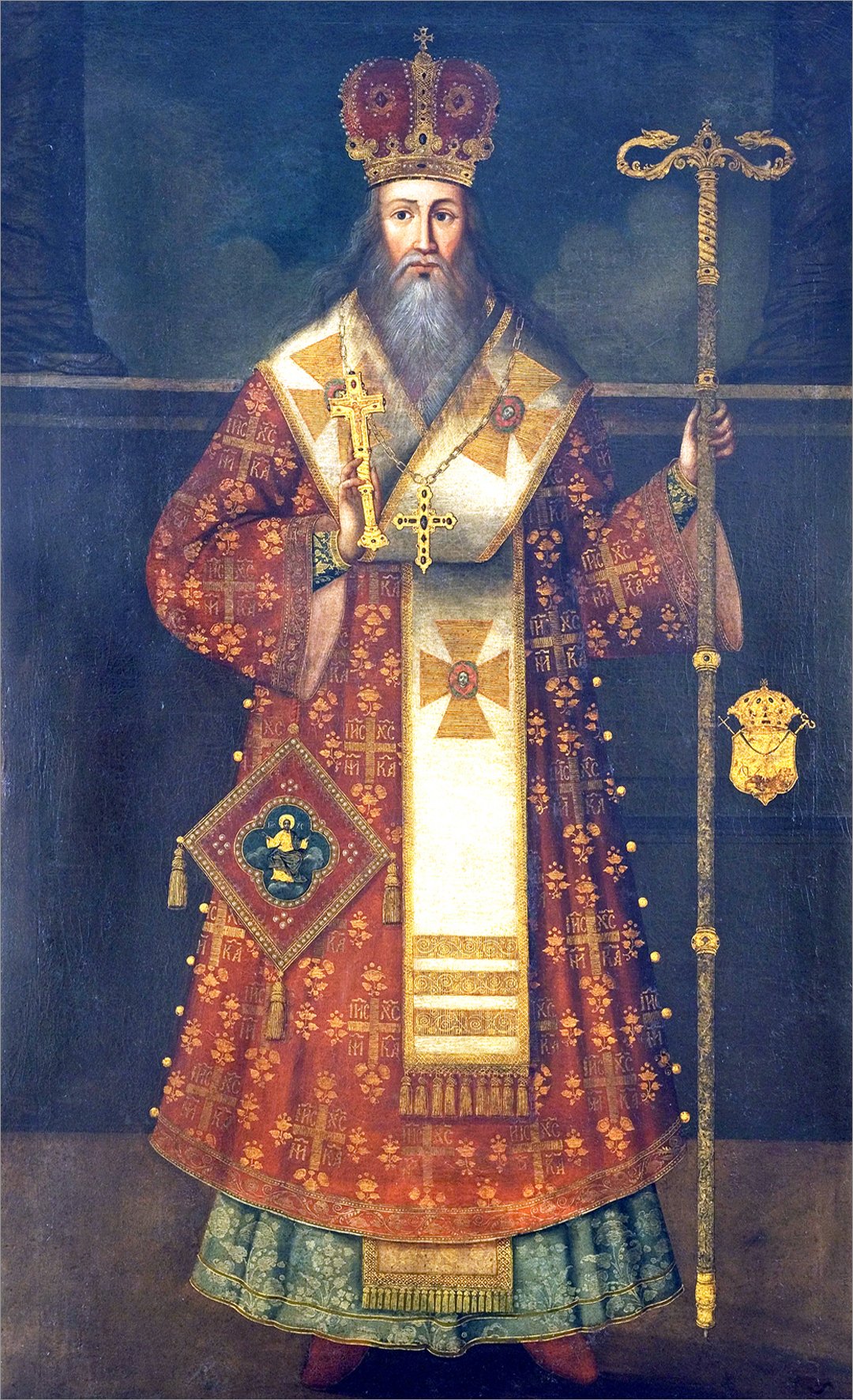
- Ecclesiastical Vestments: Robes and garments adorned with heraldic motifs and fine embroidery.
Liturgical Objects and Relics
- Mitre of Saint Stefan Štiljanović (1760): Filigree silver mitre with semi-precious stones.
- Chalices, Reliquaries, and Crosses: Ritual objects made from precious metals, used in liturgical services.
- Ciprovac Reliquary: Crafted by Nikola Nedeljković, an outstanding example of Serbian goldsmithing.
Historical Documents and Personal Effects
- Charters and Seals: Documents signed by medieval rulers, including Tzar Dušan and Vuk Branković.
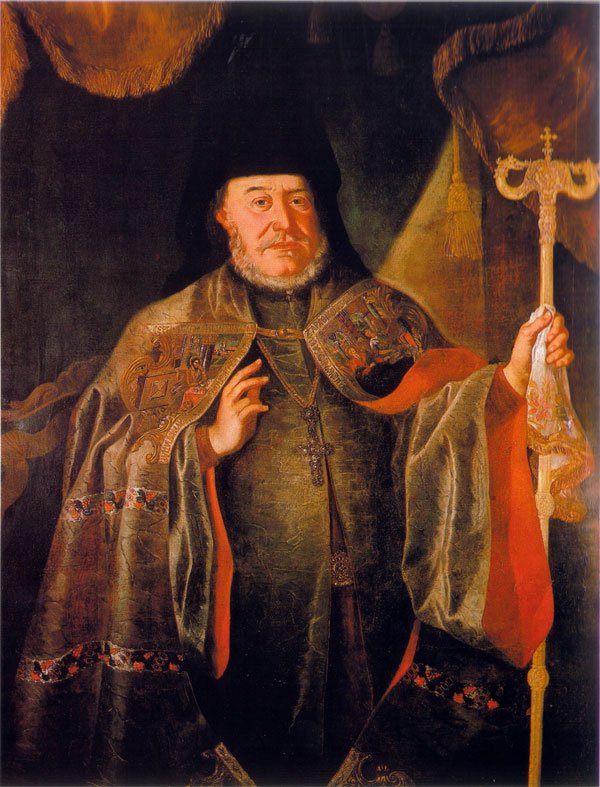
- Portraits and Personal Items: Belongings of church dignitaries and saints, including handwritten letters and ceremonial staffs.
Temporary Exhibitions and Education
The museum regularly hosts exhibitions on topics such as Serbian monasteries, icon painting, and the role of the Church in national events. Educational programs and guided tours further enrich the visitor experience (iwc.rs).
Visiting Hours and Ticket Information
- Standard Opening Hours:
- Monday to Friday: 9:00 AM – 4:00 PM
- Closed on weekends and public holidays (beotura.rs)
- Ticket Prices:
- Adults: 300 RSD
- Students/Seniors: 150 RSD
- Children under 7: Free
(Tickets available at the entrance; cash only in Serbian dinars.)
Note: Visiting hours and prices may be subject to change. For the latest information, check the official museum website or call ahead.
Accessibility and Guided Tours
- Accessibility: Due to the historic nature of the building, wheelchair access is currently not available. Visitors with mobility issues may face challenges navigating the premises (beotura.rs).
- Guided Tours: While regular English-language tours are not advertised, knowledgeable staff can provide basic information. Private guides can be arranged through local agencies for a more in-depth experience (CBelgrade).
- Photography: Allowed in most areas, but restrictions apply to certain artifacts. Always confirm with staff before taking photographs.
Travel Tips and Nearby Attractions
- Plan Your Visit: The museum’s weekday-only hours require advance planning.
- Bring Cash: Only Serbian dinars are accepted for admission.
- Combine Visits: Located in central Belgrade, the museum is close to:
- Cathedral Church of St. Michael the Archangel
- Kalemegdan Fortress
- Knez Mihailova Street (main pedestrian zone)
- National Museum of Serbia
- Dress Code: Respectful attire is recommended due to the religious nature of the collection.
- Language: Most labels are in Serbian; some English translations are provided. Consider a guidebook or translation app for deeper understanding.
For a visual overview, high-quality images and a virtual tour are available on Google Arts & Culture.
Frequently Asked Questions (FAQ)
Q: What are the museum’s opening hours?
A: Monday to Friday, 9:00 AM to 4:00 PM. Closed on weekends and public holidays.
Q: How much are tickets?
A: 300 RSD for adults, 150 RSD for students and seniors. Children under 7 enter free.
Q: Is the museum accessible for people with disabilities?
A: No, the building currently lacks disabled access due to its historic design.
Q: Are guided tours available?
A: Not on a regular basis, but private guides can be arranged. Museum staff can assist with basic information.
Q: Can I take photographs inside the museum?
A: Photography is allowed in most areas; always confirm with staff regarding specific exhibits.
Q: Where is the museum located?
A: 6 Kneza Sime Markovića Street, central Belgrade, across from the Cathedral Church.
Listen to the full story in the app
The whole Museum Of The Serbian Orthodox Church,
told well.
Audio guides for 1,100+ cities across 96 countries. History, stories, and local insight — offline ready.
Verified, and shown.
Researched and written by the Audiala editorial team from historical records, architectural archives, and local expertise.
Researched from Wikidata, Wikipedia & official sources · fact-checked · How we make our guides →