Plan and listen to Museum Of Science And Technology Belgrade with Audiala.
Audio guide in your pocket, itinerary in your browser. Built for the way you actually visit.
Introduction
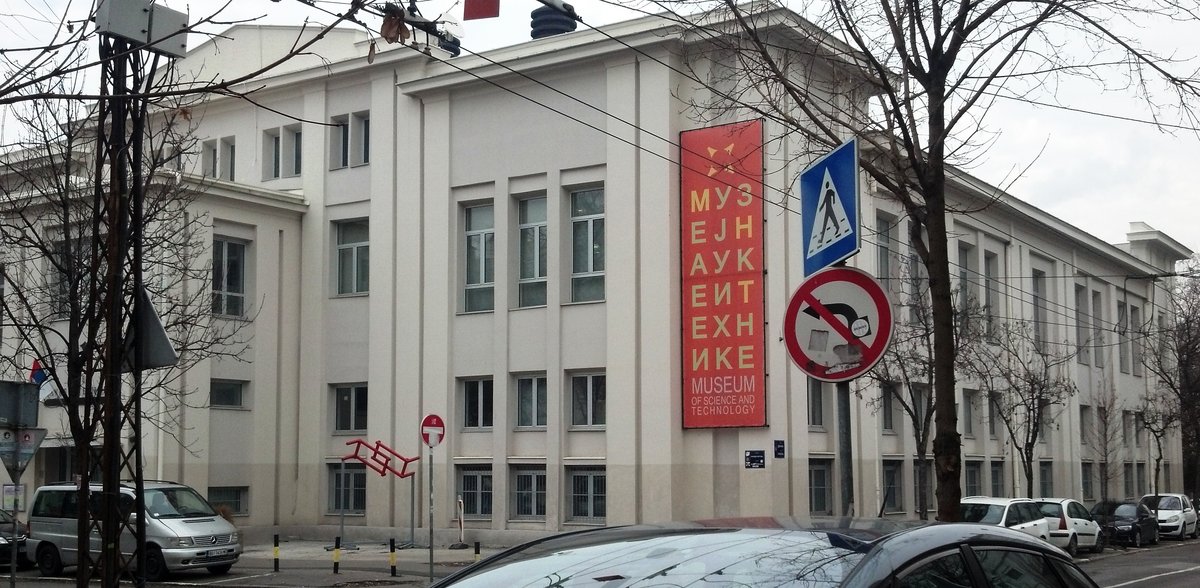
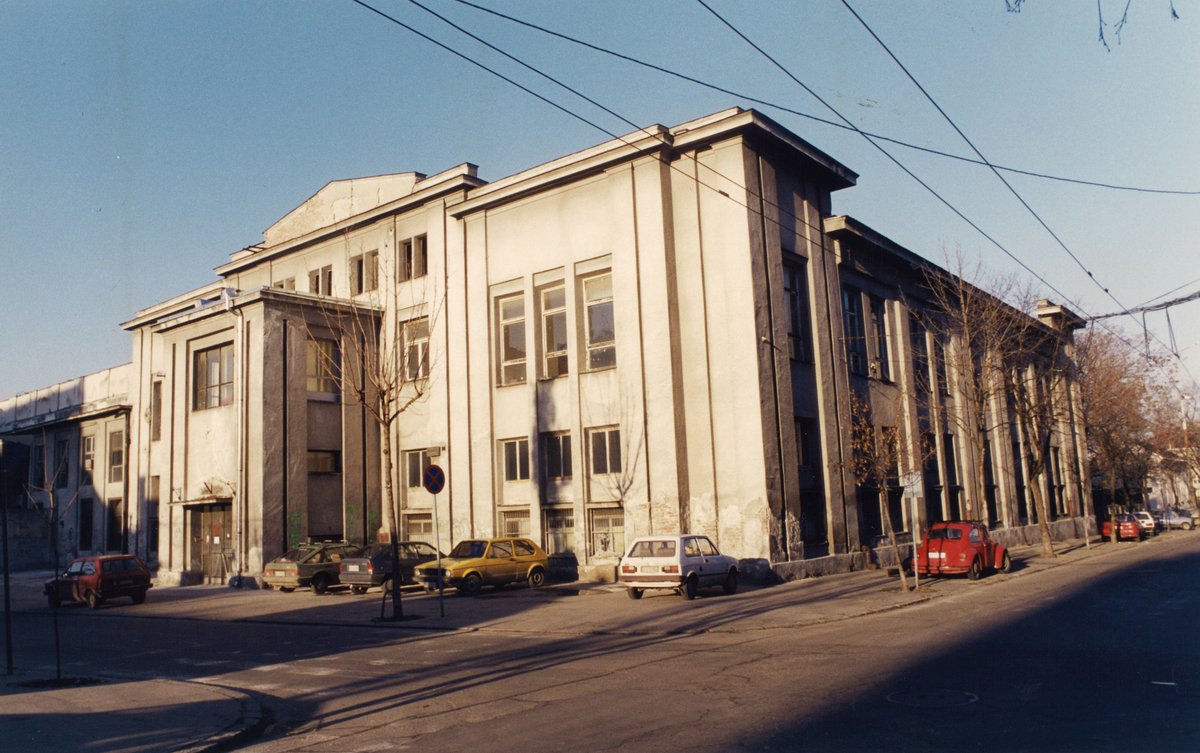
The Museum of Science and Technology in Belgrade—locally, Muzej nauke i tehnike—stands as a vibrant testament to Serbia’s scientific and industrial legacy. Housed in the historic Dorćol thermal power plant, this museum is a hub for history enthusiasts, families, students, and tourists eager to explore the evolution of science and technology in Serbia. With over 20,000 artifacts, interactive exhibits, and a diverse educational program, the museum bridges past innovations with the promise of a dynamic future (Museum of Science and Technology official website; Belgrade Beat; Lonely Planet).

Historical Background and Cultural Significance
Founding and Mission
Established in 1989, the Museum of Science and Technology was created to safeguard, document, and present Serbia’s scientific and technological heritage. Its founding was driven by a collaborative vision among local museum leaders and scientists, notably Professor Aleksandar Despić, who led the formation of the Association of Scientific-Technical Museums in 1991. This network unified 18 institutions across Serbia, forming a robust infrastructure for the protection of the nation’s scientific legacy (museu.ms).
The museum’s unique legal standing enables it to register both movable and immovable scientific and technological cultural property. Its collections, primarily acquired through public and scientific community donations, reflect a broad commitment to preserving heritage and fostering education.
Role in Society
Beyond exhibition, the museum is a central hub for conservation, research, and public engagement. By collaborating with both national and international partners, it plays a pivotal role in promoting scientific literacy and encouraging future generations to pursue STEM fields (Belgrade Beat).
Thematic Collections and Permanent Exhibitions
Collection Scope
The museum’s holdings are organized into 16 thematic sections representing fields such as:
- Audio-visual technology
- Communications
- Mechanical engineering
- Electricity and electronics
- Medicine
- Transport
- Robotics and automation
- Industrial design
This diversity allows visitors to trace technological development from the industrial age to the digital era (belgrade-beat.com).
Key Permanent Exhibitions
- Man and Technology: Showcasing 400+ artifacts that illustrate the interplay between daily life and technological progress, divided into sections on electrification, traditional technologies, steamboats, and the first Yugoslav computers (PlanPlus).
- Toy Gallery: Exhibiting over 150 vintage toys (1920–1970), this gallery is a nostalgic journey for adults and an engaging spot for children (Be in Belgrade).
- Science Playroom: An interactive zone where visitors of all ages can experiment with hands-on exhibits related to physics, mathematics, and logic.
- Medical Technology Department: Located at Džordža Vašingtona 19, this section explores Serbia’s medical history, including rare specimens and early medical instruments.
- Spa Therapy Museum: In Vrnjačka Banja, this satellite location showcases the history of spa treatment in Serbia.
Noteworthy Artifacts
- Beograd Hand (Beogradska Šaka): The world’s first externally powered prosthetic robotic hand, developed in 1963, a pioneering milestone in global prosthetics and robotics (Museum of Science and Technology official website).
- Historic Automobiles and Steam Engines: Displays of vintage cars and industrial machinery that chart the history of transportation and engineering.
- Communication and Computing Devices: Early telephones, radios, televisions, and computers used in Yugoslav industry and education.
Interactive and Educational Programs
- Children’s Museum and Playroom: Encourages hands-on learning through interactive experiments and workshops for ages 8–12.
- School Partnerships: Guided tours and curriculum-aligned workshops promote STEM learning.
- Public Lectures and Temporary Exhibitions: Expert talks, panel discussions, and rotating exhibitions on topics ranging from AI to river navigation (ScienceDirect).
Annual events, such as the Danube Day exhibition, highlight the museum’s role in contemporary cultural discourse (Belgrade Beat – Danube Day).
Visitor Information
Location and Getting There
- Address: Skenderbegova 51, 11000 Belgrade, Serbia
- Public Transport: Easily accessible by trams (lines 2, 5, 10) and buses (26, 79)
- Parking: Paid on-street parking nearby; school bus access from Dobračina Street 51 (PlanPlus)
Opening Hours
- Tuesday–Sunday: 10:00 AM – 6:00 PM
- Closed Mondays and public holidays
- Check for holiday and special event hours on the official website
Ticket Prices
- Adults: 300 RSD
- Students/Seniors: 150 RSD
- Family ticket: 500 RSD (2 adults + up to 3 children)
- Children under 7: Free
- Group discounts: Available; group visits must be reserved at least seven days in advance (Museum official site)
Tickets can be purchased at the entrance or online. One ticket grants access to affiliated museums, including the Serbian Medical Society Museum and the Museum of Spa Therapy.
Facilities and Accessibility
- Wheelchair Access: Ramps and elevators available; contact the museum for specific needs.
- Restrooms: Available on each floor.
- Cloakroom & Lockers: For coats and bags.
- Gift Shop: Educational toys and science-themed souvenirs.
- Wi-Fi: Free guest access.
- Photography: Non-flash photography permitted in most areas; check for restrictions on temporary exhibitions.
Exhibit labels are bilingual (Serbian and English), and guided tours are available in multiple languages upon request.
Tips for Your Visit
- Average Visit Duration: 1.5–2 hours; families with children may wish to spend more time in interactive areas.
- Combine with Nearby Attractions: The National Museum of Serbia, Belgrade Fortress, and the Nikola Tesla Museum are all within walking distance.
- Check for Special Events: The museum hosts concerts, workshops, and lectures. Updates are available on the official website and social media.
- Family Programs: Birthday parties and children’s workshops must be booked in advance.
Frequently Asked Questions (FAQ)
Q: What are the museum’s opening hours?
A: Tuesday to Sunday, 10:00–18:00; closed on Mondays.
Q: How can I buy tickets?
A: At the entrance or online via the official website.
Q: Is the museum accessible to visitors with disabilities?
A: Yes, but for specific requirements, contact the museum in advance.
Q: Are guided tours available?
A: Yes, for individuals, groups, and schools. Advance booking is recommended.
Q: Can I take photos inside?
A: Non-flash photography is generally permitted for personal use.
Q: Are there programs for children?
A: Yes, including the Toy Gallery, Science Playroom, and birthday party packages.
Digital Experience and Media
Enhance your visit with virtual tours, photo galleries, and interactive resources on the museum’s website and social media (Facebook, Instagram, YouTube, LinkedIn). Consider downloading the Audiala app for immersive audio guides and curated content.
Nearby Attractions
- Belgrade Fortress (Kalemegdan): Historic citadel with panoramic views.
- National Museum of Serbia: Art and archaeology collections.
- Knez Mihailova Street: Pedestrian shopping street with cultural landmarks.
Listen to the full story in the app
The whole Museum Of Science And Technology Belgrade,
told well.
Audio guides for 1,100+ cities across 96 countries. History, stories, and local insight — offline ready.
Verified, and shown.
Researched and written by the Audiala editorial team from historical records, architectural archives, and local expertise.
Researched from Wikidata, Wikipedia & official sources · fact-checked · How we make our guides →