Plan and listen to Museum Of Natural History with Audiala.
Audio guide in your pocket, itinerary in your browser. Built for the way you actually visit.
Introduction
The Museum of Natural History Belgrade is a cornerstone of Serbia’s scientific and cultural landscape, inviting visitors to explore the diverse natural heritage of the Balkans. Founded in 1895 and situated prominently within the historic Kalemegdan Fortress, it is the oldest and only dedicated natural history museum in Serbia. With over 1.5 to 2 million specimens in its collections, the museum documents the region’s geological history, biodiversity, and scientific achievements. This guide provides comprehensive information on visiting hours, ticket prices, accessibility, historical context, and practical tips to help you make the most of your experience at one of Belgrade’s most treasured institutions. For updates and virtual previews, refer to the official museum resources.

Visitor Information
Location & Directions
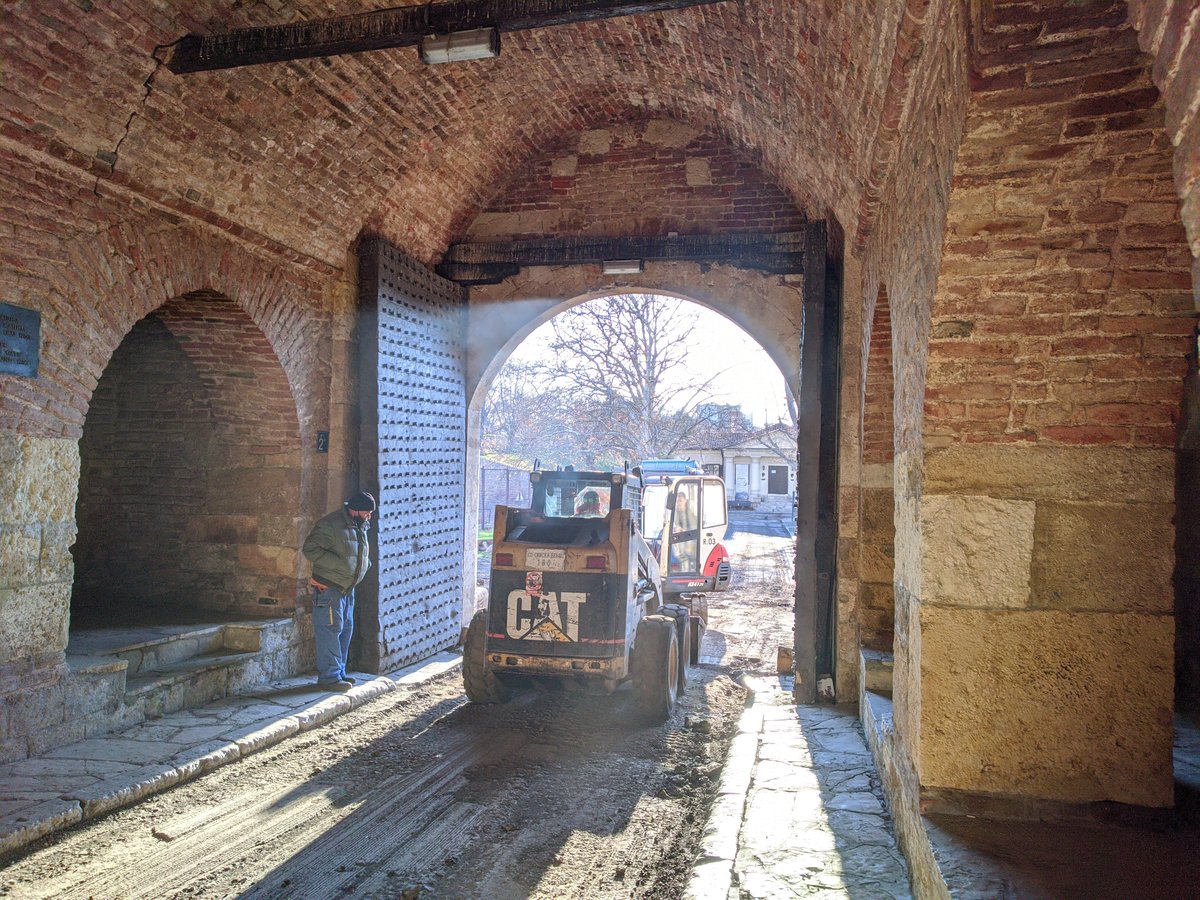
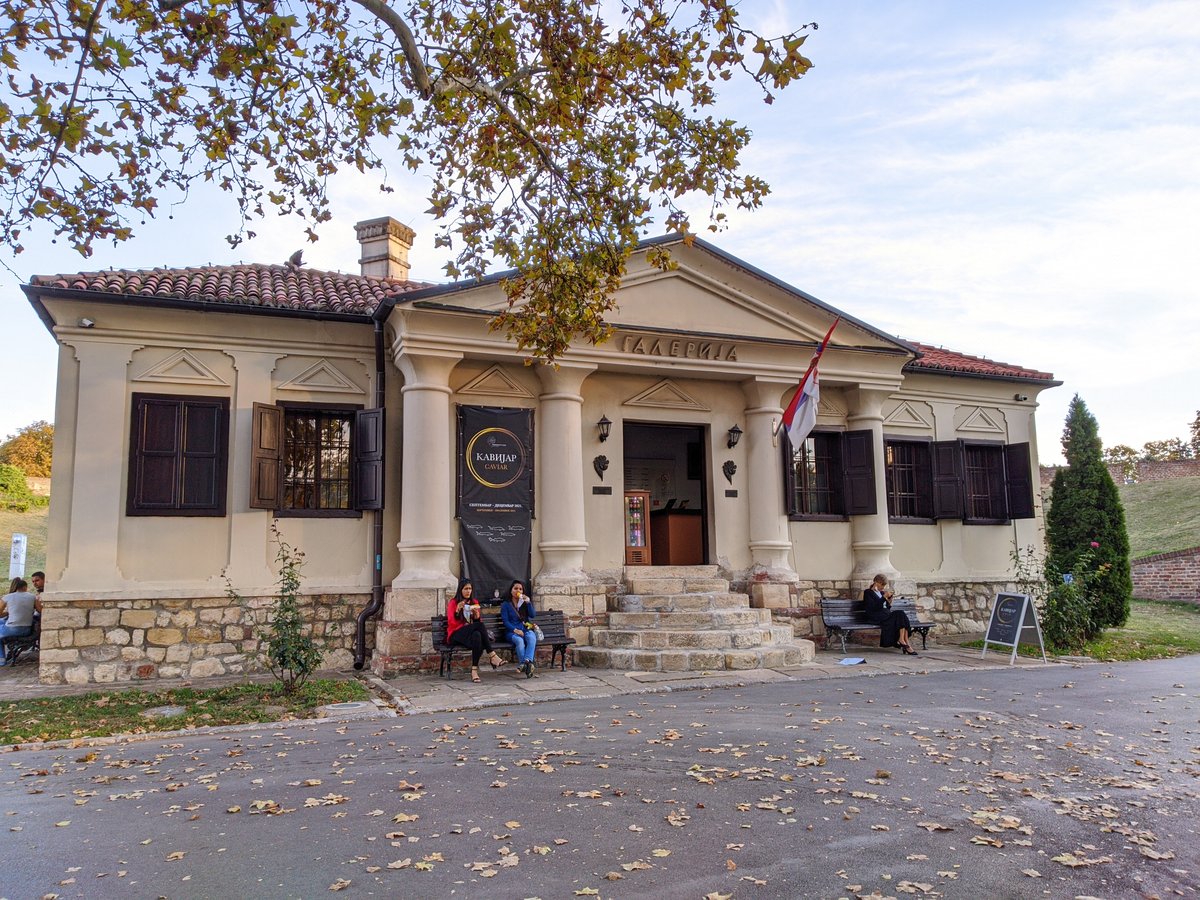
The Museum of Natural History Belgrade is located at Mali Kalemegdan No. 5, in the heart of the city within the iconic Kalemegdan Fortress. This central setting provides easy access by public transport (buses and trams), taxi, or a short walk from Belgrade’s city center and other major attractions.
Visiting Hours
- Summer (April–October): Tuesday to Sunday, 10:00–21:00
- Winter (November–March): Tuesday to Sunday, 10:00–18:00
- Closed on Mondays
Please note that opening hours may vary on public holidays or during special events. Always verify current hours on the official website before planning your visit.
Ticket Prices & Combo Passes
- Regular ticket: 100 RSD (~€0.85)
- Reduced ticket: 50 RSD for retirees
- Group ticket: 80 RSD per person (includes guide)
- Family ticket: 200 RSD
- Free admission: Thursdays 10:00–12:00, children under 7, students, and disabled visitors with companions
For extended exploration, consider the “MUSEUMS 4 YOU” combo ticket, granting access to four major Belgrade museums over seven days for 1,440 RSD (~12 EUR). Tickets can be purchased at the entrance or online for convenience (visit-serbia.online).
Accessibility & Visitor Services
- Wheelchair Accessibility: The Kalemegdan Gallery is equipped with ramps and accessible restrooms; however, due to the historic site, some areas may present challenges. Contact staff in advance for detailed accessibility information.
- Multilingual Support: Signage and materials are available in English and Serbian; staff can assist with additional languages.
- Amenities: Photography is permitted (no flash/tripods in some areas). A small gift shop offers souvenirs and educational materials. There are no cafés inside, but plenty of dining options are available in Kalemegdan Park and nearby streets.
Guided Tours & Educational Programs
Guided tours in Serbian and English provide in-depth insights into the museum’s collections and history. These tours, tailored for various ages and interests, can be booked in advance. The museum also offers workshops, school programs, and interactive exhibits to engage visitors and promote environmental education.
Special Events
Annual highlights include “Museum Night,” thematic exhibitions, and seasonal workshops. These events offer unique opportunities to experience the museum after hours or participate in special educational activities. Refer to the museum’s event calendar for current offerings.
Founding and Early Development
Established by royal decree in 1895 during a period of scientific awakening in Europe, the Museum of Natural History Belgrade began with collections from prominent naturalists and private donors. Dr. Jovan Žujović, a pioneer in geology, oversaw the formation of extensive collections in geology, paleontology, mineralogy, zoology, and botany, laying the foundation for the institution’s lasting impact.
Growth and Scientific Impact
Despite the challenges of wars and political upheaval, the museum expanded its collections and influence throughout the 20th century. It became a central hub for scientific research, public education, and environmental stewardship. Close collaborations with universities and other institutions have enabled the museum to remain at the forefront of natural sciences in the region.
Collections & Exhibitions
Permanent and Rotating Collections
Due to space constraints, the museum does not display its entire collection simultaneously. Instead, it offers rotating exhibitions that draw from its vast archives—over 1.5 million specimens encompassing:
- Geology & Paleontology: Fossils, rocks, and minerals showcasing the geological history of Serbia and the Balkans.
- Botany: The General Herbarium of the Balkan Peninsula, with specimens collected by founder Josif Pančić.
- Zoology: Rare and endemic species of mammals, birds, reptiles, amphibians, and invertebrates.
- Specialized Library: One of Southeast Europe’s largest natural history libraries, supporting research and education.
Notable thematic exhibitions include “Mineral Treasures of Yugoslavia,” featuring Josip Broz Tito’s donation collection (open until March 2025), and displays on climate change and conservation.
Notable Highlights
- Josip Broz Tito’s Donation: Rare minerals and gemstones connecting natural and political history.
- Endemic Species: Exhibits on conservation efforts for endangered Serbian flora and fauna.
- Significant Fossils: Specimens illustrating prehistoric life in the Balkans.
Visitor Experience & Practical Tips
- Combine Attractions: The museum’s location allows easy pairing with the Belgrade Fortress, Military Museum, and scenic walks in Kalemegdan Park.
- Photography: Permitted in most areas, but check signage for restrictions.
- Crowd Levels: Mornings and weekday visits offer a quieter experience.
- Language: Key exhibit information is available in English; guided tours recommended for deeper learning.
- Duration: Plan for 1–2 hours, depending on your interests and current exhibitions.
- Refreshments: Not available onsite; nearby cafés and food vendors are plentiful.
Frequently Asked Questions
Q: What are the Museum of Natural History Belgrade’s visiting hours?
A: Tuesday–Sunday, 10:00–21:00 in summer; 10:00–18:00 in winter; closed on Mondays. Confirm on the official website.
Q: How much are tickets?
A: Regular tickets are 100 RSD, with discounts for retirees, groups, and families. Free admission is available on Thursdays (10:00–12:00), for children under 7, students, and disabled visitors.
Q: Is the museum accessible?
A: The Kalemegdan Gallery is wheelchair-accessible, but some areas may be challenging due to the fortress setting. Contact staff in advance for assistance.
Q: Are guided tours available?
A: Yes, in Serbian and English; book in advance for groups.
Q: Can I take photos inside?
A: Photography is generally allowed; avoid flash and tripods where indicated.
Q: What else can I see nearby?
A: The Belgrade Fortress, Military Museum, and Kalemegdan Park are adjacent, with panoramic city and river views.
Listen to the full story in the app
The whole Museum Of Natural History,
told well.
Audio guides for 1,100+ cities across 96 countries. History, stories, and local insight — offline ready.
Verified, and shown.
Researched and written by the Audiala editorial team from historical records, architectural archives, and local expertise.
Researched from Wikidata, Wikipedia & official sources · fact-checked · How we make our guides →