Plan and listen to Institute Of History with Audiala.
Audio guide in your pocket, itinerary in your browser. Built for the way you actually visit.
Introduction
The Institute of History in Belgrade is a cornerstone of Serbian and Balkan historical scholarship. Founded in the mid-20th century, it, along with its sister institutions—the Institute of Contemporary History and the Institute for Recent History of Serbia—plays a central role in documenting, researching, and interpreting the region’s rich and complex past. These institutes collectively preserve extensive archival holdings, publish landmark research, and serve as hubs for public education and cultural engagement.
Located in Belgrade’s historic center, close to major landmarks such as Republic Square and Kalemegdan Fortress, the Institute of History offers visitors and researchers access to invaluable collections and scholarly resources. This detailed guide provides practical information on visiting hours, ticketing, accessibility, and nearby attractions, while also contextualizing the institutes’ academic and cultural significance. Whether you are a historian, student, or traveler, this guide will help you make the most of your visit to Belgrade’s historical sites (Institute of History Belgrade, Institute of Contemporary History Belgrade, Institute for Recent History of Serbia).
Founding and Institutional Development
Established in 1947, the Institute of History in Belgrade emerged during a crucial period of post-World War II transformation in Yugoslavia. Its foundational mission was to collect, analyze, and publish historical sources on the medieval, early modern, and modern periods of Serbian and Balkan history. Over time, the Institute has embraced interdisciplinary and comparative methodologies, expanding its research scope and forging robust international partnerships (Institute of History Belgrade).
Research Focus and Scholarly Contributions
The Institute is renowned for its comprehensive research, spanning from the medieval Serbian state and Ottoman rule to the formation of Yugoslavia and the complexities of the 20th century. Its flagship, peer-reviewed journal, Istorijski časopis (The Historical Review), has been published since 1948 and is indexed in multiple international databases (Istorijski časopis). The Institute regularly organizes scholarly conferences and public lectures, fostering dialogue among historians, students, and the broader public.
Archival Holdings and Documentation
A major asset of the Institute is its extensive archival collection, which includes manuscripts, official documents, personal papers, photographs, and rare books. These holdings are essential for the study of Serbian and Balkan history, supporting academic research and the preservation of historical memory. The Institute has played a vital role in safeguarding documents from periods of conflict and transition, ensuring access for future generations.
Role in National and Regional Identity
Through its scholarship, the Institute of History has significantly shaped national and regional narratives. Its research illuminates the complexities of Serbia’s place in Southeast European and European history, exploring issues of state formation, religious and ethnic diversity, and the impact of imperial powers. The Institute also provides a forum for addressing contested historical interpretations and the legacy of political transitions (Institute of History Belgrade).
International Collaboration and Recognition
The Institute maintains active collaborations with academic and research institutions across Europe and beyond. Its scholars regularly participate in international conferences and contribute to global debates on Balkan history and related fields. This engagement has earned the Institute a strong international reputation and has helped integrate Serbian historiography into broader scholarly conversations.
Location and Architectural Context
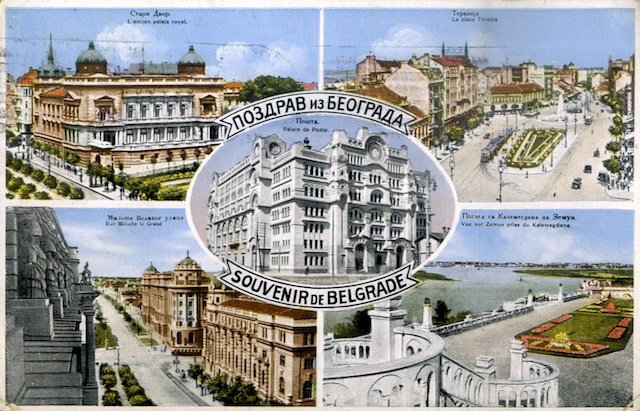
Situated at Knez Mihailova 36, the Institute is nestled in one of Belgrade’s most iconic pedestrian streets, surrounded by 19th-century architecture and vibrant cultural life (Belgrade Sightseeing Map). The central location makes it easily accessible and places it within walking distance of major attractions such as Republic Square, the National Museum, and Kalemegdan Fortress.

Visitor Information: Visiting Hours, Tickets, and Accessibility
- Visiting Hours: Monday–Friday, 9:00 AM–5:00 PM. Closed on weekends and public holidays. Check the official website for updates.
- Tickets and Admission: Entry to the Institute’s exhibitions, archives, and public lectures is free. Certain special events may require advance registration or a nominal fee.
- Guided Tours: Available by prior arrangement, especially during exhibitions and cultural events.
- Accessibility: The premises are wheelchair accessible, with staff assistance available upon request.
- Nearby Attractions: After your visit, explore Kalemegdan Fortress, the National Museum of Serbia, and Republic Square, all within easy walking distance.
Public Engagement and Educational Initiatives
The Institute actively engages the public through exhibitions, book launches, and educational programs, making historical knowledge broadly accessible. Its digital resources include online archives and contributor guidelines, supporting both formal education and independent research (Istorijski časopis).
Frequently Asked Questions (FAQ)
Q: What are the visiting hours?
A: Monday–Friday, 9:00 AM–5:00 PM. Closed weekends and public holidays.
Q: Is there an entrance fee?
A: General admission is free. Some special events may require registration or a fee.
Q: Are guided tours available?
A: Yes, by prior arrangement, particularly during exhibitions.
Q: Is the Institute accessible to visitors with disabilities?
A: Yes, the building is wheelchair accessible and staff are available to assist.
Q: Where is the Institute located?
A: Knez Mihailova 36, in the city center of Belgrade.
Impact on Contemporary Historical Discourse
The Institute’s work informs ongoing debates about national identity, historical memory, and the interpretation of contentious events in Serbia and the Balkans. Recent research topics include the legacy of the Yugoslav state, post-socialist transitions, and the role of history in reconciliation processes (Institute of History Belgrade).
Explore More Historical Sites in Belgrade
To further enrich your historical exploration, consider visiting:
These attractions offer complementary insights into Serbia’s diverse cultural and historical landscape.
Visiting the Institute of Contemporary History and the Institute for Recent History of Serbia
Institute of Contemporary History (ISI)
Founded in 1969, the ISI is dedicated to 20th-century history, with a focus on Yugoslav and Balkan developments (ISI History). It is known for its prolific research output, including the influential “History of Yugoslavia in the 20th Century” project and the journal Istorija 20. Veka.
- Visiting Hours: Monday–Friday, 9:00 AM–5:00 PM.
- Admission: Free for researchers and visitors; some events may require registration.
- Guided Tours: Available on request.
- Accessibility: Wheelchair accessible.
- Location: Centrally located, near other major sites like the Museum of Yugoslavia.
The ISI’s archives contain rare documents, WWII-era publications, and unique records from state security and the Holocaust (EHRI Project). The Institute’s multidisciplinary approach and international collaborations ensure its continued relevance (Cambridge Contemporary European History).
Institute for Recent History of Serbia
Established in 1949, the Institute for Recent History of Serbia focuses on Serbian and Yugoslav history from the 20th century onwards (Wikipedia). Its archives and publications cover political, social, and economic developments, including the history of the workers’ movement and communist-era transformations.
- Visiting Hours: Typically weekdays, 9:00 AM–5:00 PM.
- Admission: Free or nominal for public exhibitions; research access requires prior registration.
- Guided Tours: Available for groups or during exhibitions by arrangement.
- Location: Centrally located and easily accessible by public transportation (Visit Belgrade).
The Institute’s public lectures, temporary exhibitions, and educational initiatives foster critical engagement with Serbia’s recent history (Paths of Us).
Summary and Travel Recommendations
The Institutes of History in Belgrade—comprising the Institute of History Belgrade, Institute of Contemporary History, and Institute for Recent History of Serbia—collectively embody Serbia’s dedication to preserving and interpreting its multifaceted past. Their comprehensive archives, scholarly publications, and public programs make them essential destinations for researchers, students, and history enthusiasts.
Located near major city landmarks, these institutes offer accessible facilities, expert guidance, and opportunities for in-depth cultural exploration. Their commitment to international collaboration ensures that Serbian historical scholarship remains globally relevant and reflective of contemporary debates.
Tips for Visitors:
- Plan your visit during weekday hours and check for special exhibitions or events.
- Take advantage of free admission and guided tours when available.
- Combine your visit with nearby historical attractions for a holistic experience.
- Stay updated via official websites and social media for the latest information.
- Use mobile apps like Audiala for interactive audio tours and extra content.
(Institute of History Belgrade, Institute of Contemporary History Belgrade, Institute for Recent History of Serbia)
Listen to the full story in the app
The whole Institute Of History,
told well.
Audio guides for 1,100+ cities across 96 countries. History, stories, and local insight — offline ready.

Verified, and shown.
Researched and written by the Audiala editorial team from historical records, architectural archives, and local expertise.
Researched from Wikidata, Wikipedia & official sources · fact-checked · How we make our guides →