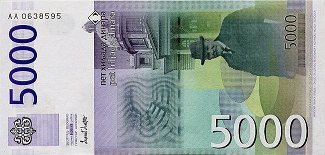
Plan and listen to House Of The National Assembly with Audiala.
Audio guide in your pocket, itinerary in your browser. Built for the way you actually visit.
Introduction
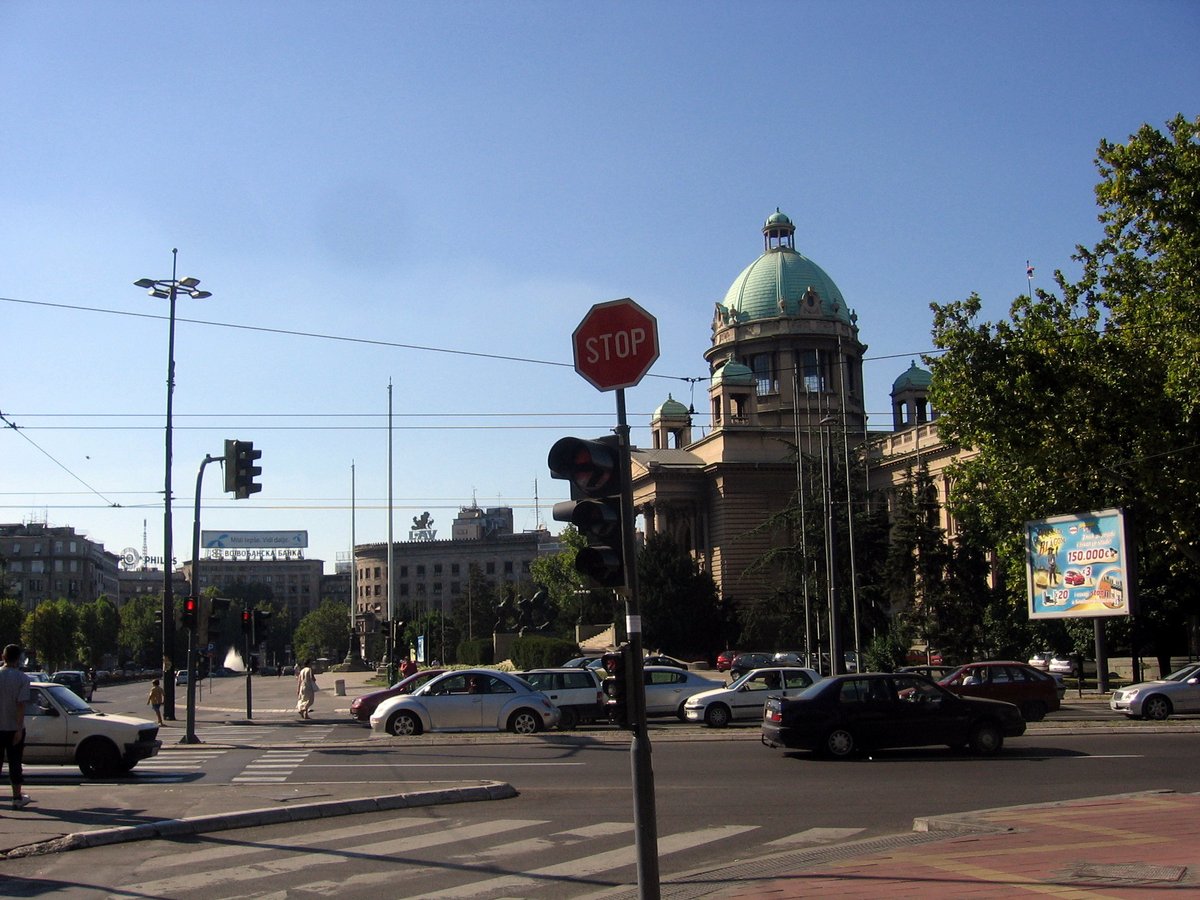
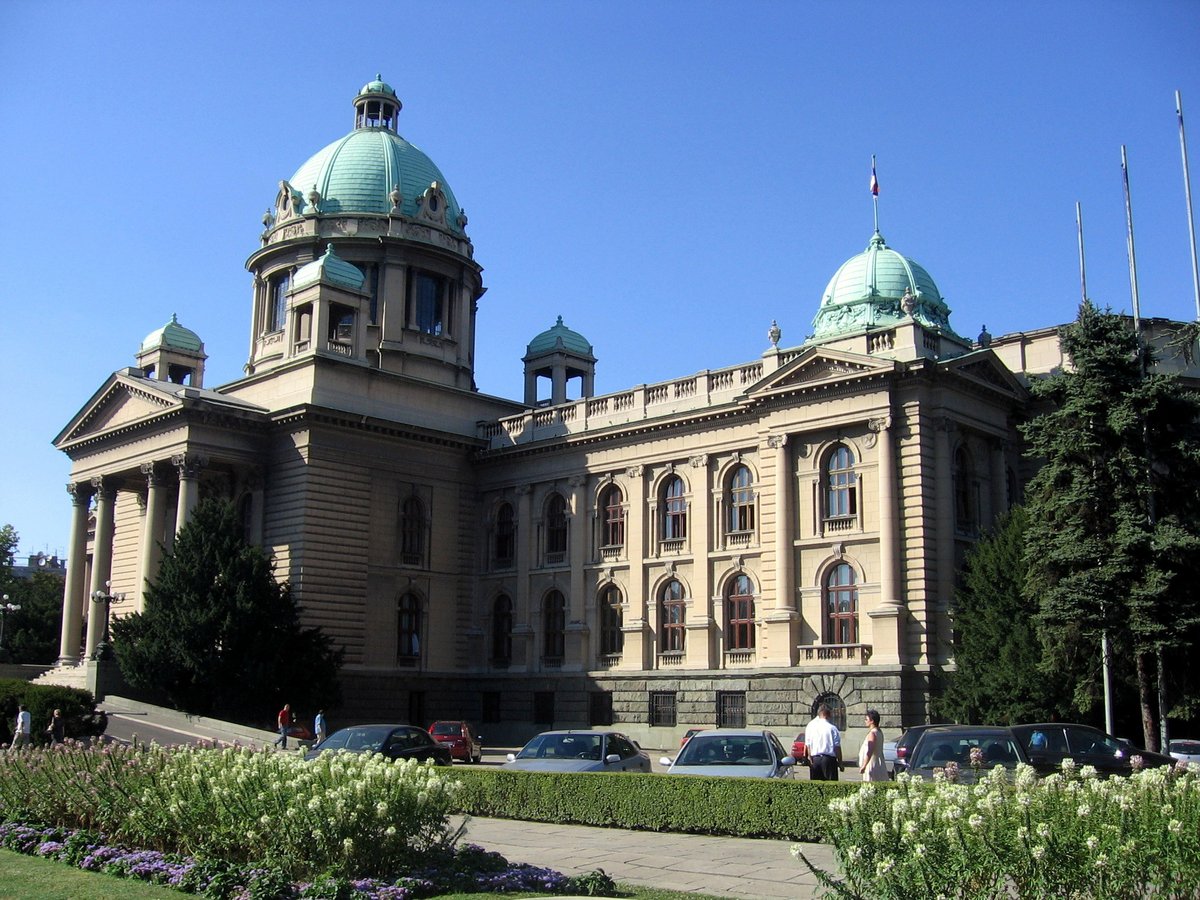
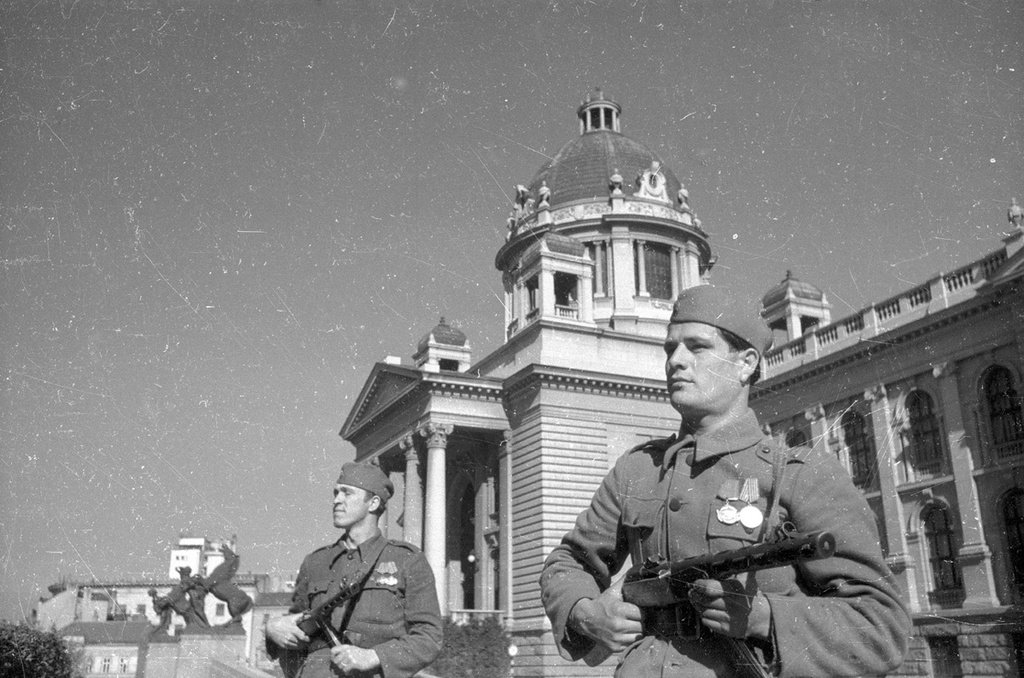
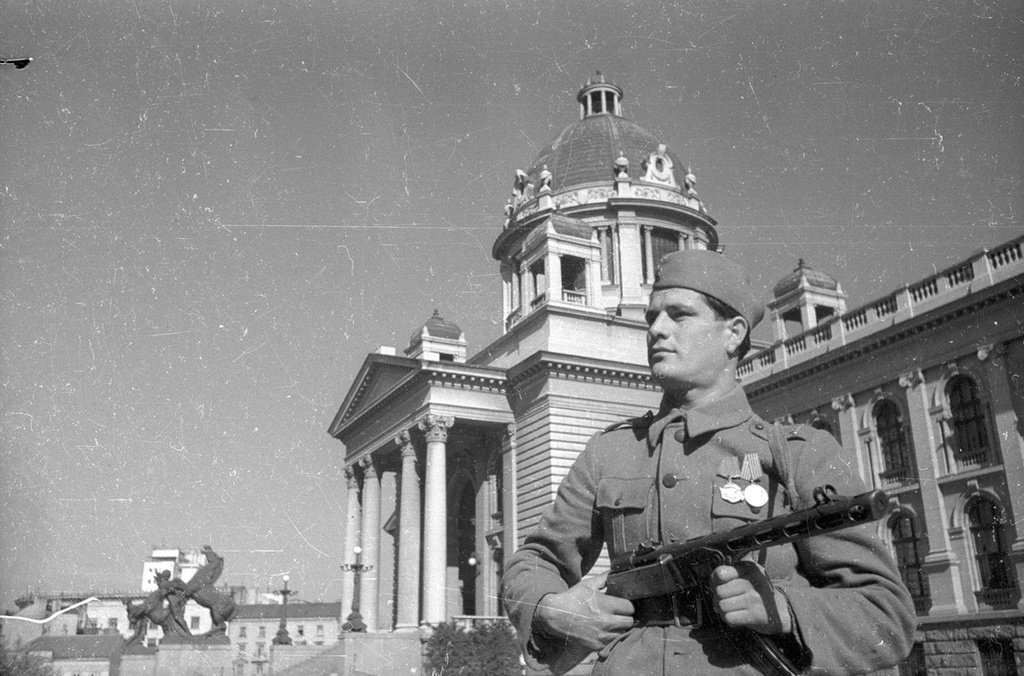
The House of the National Assembly in Belgrade stands as an enduring emblem of Serbia’s political heritage, architectural grandeur, and national identity. Located at Nikola Pašić Square, this monumental building transcends its function as the seat of Serbia’s legislative power, serving as a vital cultural and historical landmark. Its blend of neo-Renaissance, neo-Baroque, and Italian Renaissance influences, along with its pivotal role in the nation's turbulent history, makes it an essential stop for visitors interested in Serbia’s past and present (source1, source2, source3).


Origins and Early History
The site of the Assembly once housed Belgrade’s Batal džamija mosque and the largest city graveyard during the 18th and 19th centuries (Belgrade My Way). The decision to build the parliament here symbolized Belgrade’s transformation from Ottoman rule to a modern European capital. Plans for a dedicated parliamentary building began in the late 19th century, with construction finally commencing in 1906 after overcoming various political and financial challenges.
Architectural Significance
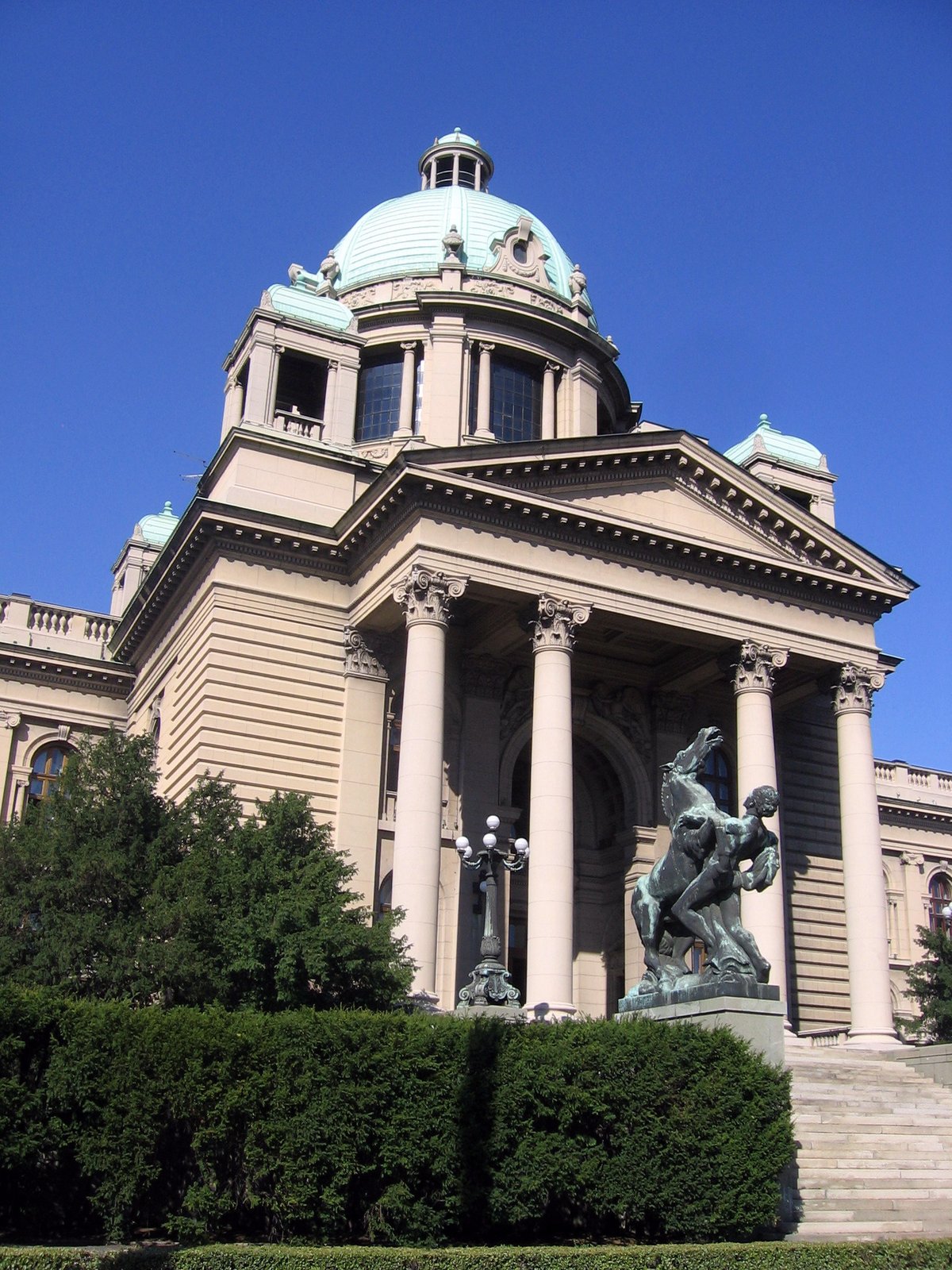
The Assembly is celebrated for its grand design, blending neo-Renaissance and neo-Baroque styles (TripHobo). Originally designed by Jovan Ilkić and completed by his son Pavle Ilkić with contributions from Russian architect Nikolaj Krasnov, the project spanned nearly thirty years due to interruptions from wars and economic downturns. The façade is distinguished by imposing Corinthian columns, domes, and the renowned “Black Stallions Playing” statues by Toma Rosandić. The richly decorated halls and frescoes inside reflect the dignity and continuity of Serbia’s legislative tradition (beotura.rs).
Key Historical Events
The House of the National Assembly has witnessed some of the most significant moments in Serbian and Yugoslav history:
- Proclamation of Autonomy (1830): The Assembly’s site is near where autonomy was declared for Serbia.
- Yugoslav Era: Hosted pivotal debates and decisions during the Kingdom of Yugoslavia and later, socialist Yugoslavia.
- Democratic Changes (October 2000): Central to mass protests and the toppling of Slobodan Milošević (Belgrade My Way).
- Modern Era (Since 2006): Official seat of Serbia’s independent parliament.
The Assembly’s Role in National Identity
The Assembly is not only a legislative seat but also a powerful national symbol. Its location at Nikola Pašić Square places it at the heart of Serbia’s civic life. The building frequently features in ceremonies, media, and public gatherings, embodying the aspirations for democracy and progress (TripHobo).
Visitor Information
Opening Hours
- Open to visitors Monday through Friday, generally from 9:00 AM to 4:00 PM.
- Hours may vary on holidays or during special parliamentary sessions; always check the official website for updates.
Tickets and Guided Tours
- Exterior: Open to the public and free to explore.
- Interior: Access by guided tour only; tours are free but require advance registration.
- Scheduling: Tours are typically held once a month, often on the first Saturday (trip101.com).
- Booking: Register in advance through the Tourist Information Centre or by phone.
Accessibility
- The building provides ramps, elevators, and wheelchair access.
- For specific needs, notify staff during booking.
Getting There
- Central location at 13 Nikola Pašić Square, easily reached by tram lines 2 or 3, and bus line 21.
- Close to major city landmarks and easily included in walking tours (gpsmycity.com).
Interior Highlights
The Vestibule and Central Cupola
A polygonal vestibule under an octagonal glass dome welcomes visitors, with statues of historical South Slavic leaders and symbolic bas-reliefs (beotura.rs).
The Grand Hall
A semicircular chamber with Doric and Ionic columns, preserved since 1936, serves as the site of parliamentary sessions and historic debates.
Art and Decorative Features
The Assembly is home to art by Sava Šumanović, Petar Lubarda, Nadežda Petrović, and features 20 frescoes by leading Yugoslav painters (dvorcisrbije.rs).
The Library and Diplomatic Salon
The library houses a significant collection of legal and historical works. The Diplomatic Salon, adorned with Louis XV and XVI style furniture, provides a glimpse into the building's royal past (tob.rs).
Observing Parliamentary Sessions
On special occasions, visitors can observe live parliamentary sessions by prior arrangement (evendo.com). Such visits require advance notice and adherence to security protocols.
Nearby Attractions
The Assembly is surrounded by Belgrade’s major landmarks, including the Old and New Royal Courts, Pionirski Park, Tašmajdan Park, and Republic Square. The area is lively, with many cafes and shops, and is particularly photogenic at night (thecrazytourist.com).
Practical Tips
- Advance Registration: Essential for all tours.
- Identification: Bring valid ID or passport for entry.
- Dress Code: Respectful attire is required as this is an active government building.
- Photography: Allowed in most areas except during sessions or in restricted zones.
- Tour Language: Serbian by default; English available for groups of 15+ with notice.
- Tour Duration: Standard tours last about one hour; combination tours with the New Palace take up to two hours.
Frequently Asked Questions (FAQ)
Q: What are the visiting hours?
A: Monday to Friday, 9:00 AM–4:00 PM, but check the official website for changes.
Q: Do I need a ticket?
A: Tours are free but require advance booking.
Q: Are guided tours available in English?
A: Yes, for groups of 15 or more with prior arrangement.
Q: Is the building accessible?
A: Yes, wheelchair access and assistance are available.
Q: Can I photograph the interior?
A: Generally yes, except during sessions or in restricted areas.
Q: Can I attend a parliamentary session?
A: Public attendance is possible on select occasions by arrangement.
Discover More
The House of the National Assembly is a living monument to Serbia’s political evolution, cultural heritage, and architectural achievement. Its impressive design and rich history make it a must-see for anyone eager to understand Serbia’s national identity. To visit, be sure to register in advance, bring identification, and consult official resources for the latest information. Enhance your visit by downloading the Audiala app for exclusive audio guides and virtual tours.
Listen to the full story in the app
The whole House Of The National Assembly,
told well.
Audio guides for 1,100+ cities across 96 countries. History, stories, and local insight — offline ready.
Verified, and shown.
Researched and written by the Audiala editorial team from historical records, architectural archives, and local expertise.
Researched from Wikidata, Wikipedia & official sources · fact-checked · How we make our guides →