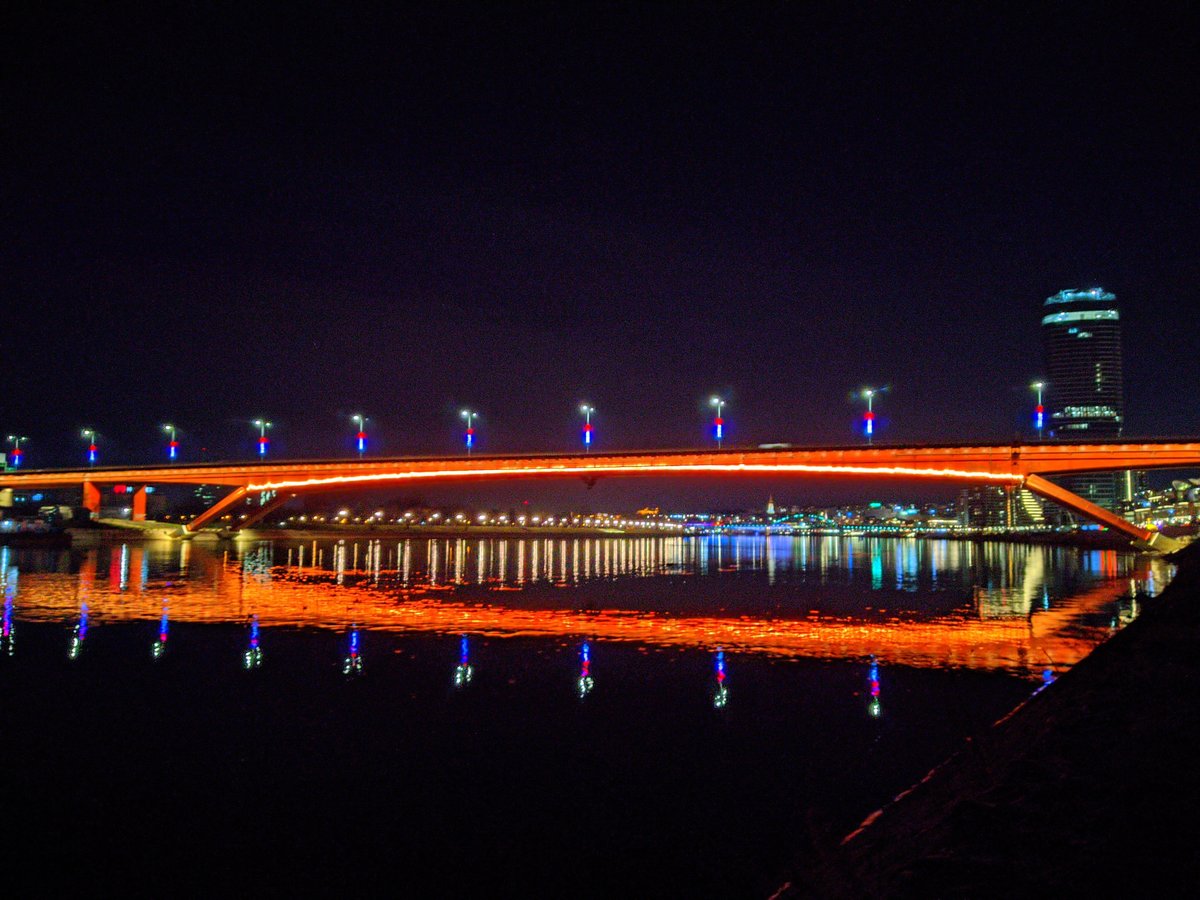
Plan and listen to Gazela Bridge with Audiala.
Audio guide in your pocket, itinerary in your browser. Built for the way you actually visit.
Introduction
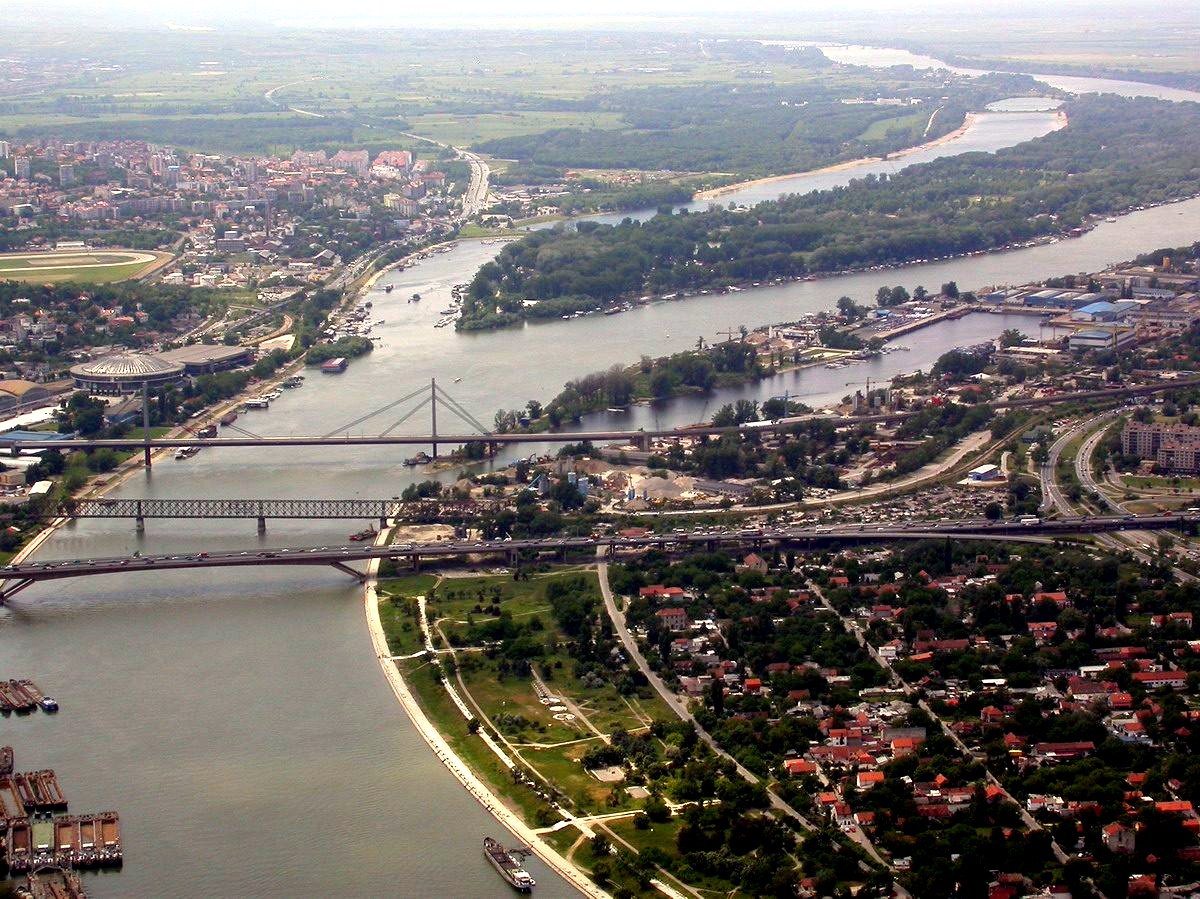
Gazela Bridge (Serbian: Most Gazela) stands as one of Belgrade’s most recognizable and vital landmarks. Spanning the Sava River, it connects the historic city center with New Belgrade, serving as a crucial artery for both local and international traffic. Since its completion in 1970, the bridge has played a pivotal role in Belgrade’s rapid urban expansion, supporting hundreds of thousands of vehicles daily and acting as a symbolic link between the city’s past and its ongoing modernization.
Gazela’s graceful, arching silhouette—evocative of a gazelle in motion—reflects both architectural ingenuity and Belgrade’s dynamic urban spirit. Beyond its functional significance, the bridge has been at the heart of key socio-political events, including the resettlement of Roma communities during major renovations, making it a site of both engineering and cultural interest.
Whether you’re an infrastructure enthusiast, a photographer seeking panoramic city views, or a traveler exploring Belgrade’s urban evolution, this guide provides comprehensive details on visiting hours, tickets, travel tips, nearby attractions, and the bridge’s historical context. For official updates, consult the City of Belgrade’s official website, or browse resources like Belgrade My Way and danubebridge2.com.
- Historical Background and Significance
- Architectural Features and Engineering
- Socio-Political Context
- Visitor Information: Hours, Tickets, and Safety
- Travel Tips and Accessibility
- Nearby Attractions and Activities
- Photographic Spots and Viewpoints
- Frequently Asked Questions (FAQ)
- Visual Gallery
- References

Historical Background and Significance
Origins and Construction
Gazela Bridge was constructed between 1966 and 1970, designed by Milan Đurić and built by the Mostogradnja company. It was envisioned during a period of rapid urbanization in Yugoslavia to alleviate severe traffic bottlenecks and support growing transit demands. The bridge forms an essential segment of the E70 and E75 European highways, connecting southern and northern Serbia and serving as a key transit route on the Pan-European Corridor X (danubebridge2.com; Belgrade My Way).
Urban Impact
The bridge’s strategic location positioned it as a linchpin in Belgrade’s road network, linking the downtown core with modern districts in New Belgrade. Originally designed for 40,000 vehicles daily, its use quickly grew to over 160,000 vehicles per day by the early 21st century, necessitating major upgrades and highlighting its centrality to both local life and international logistics (danubebridge2.com).
Architectural Features and Engineering
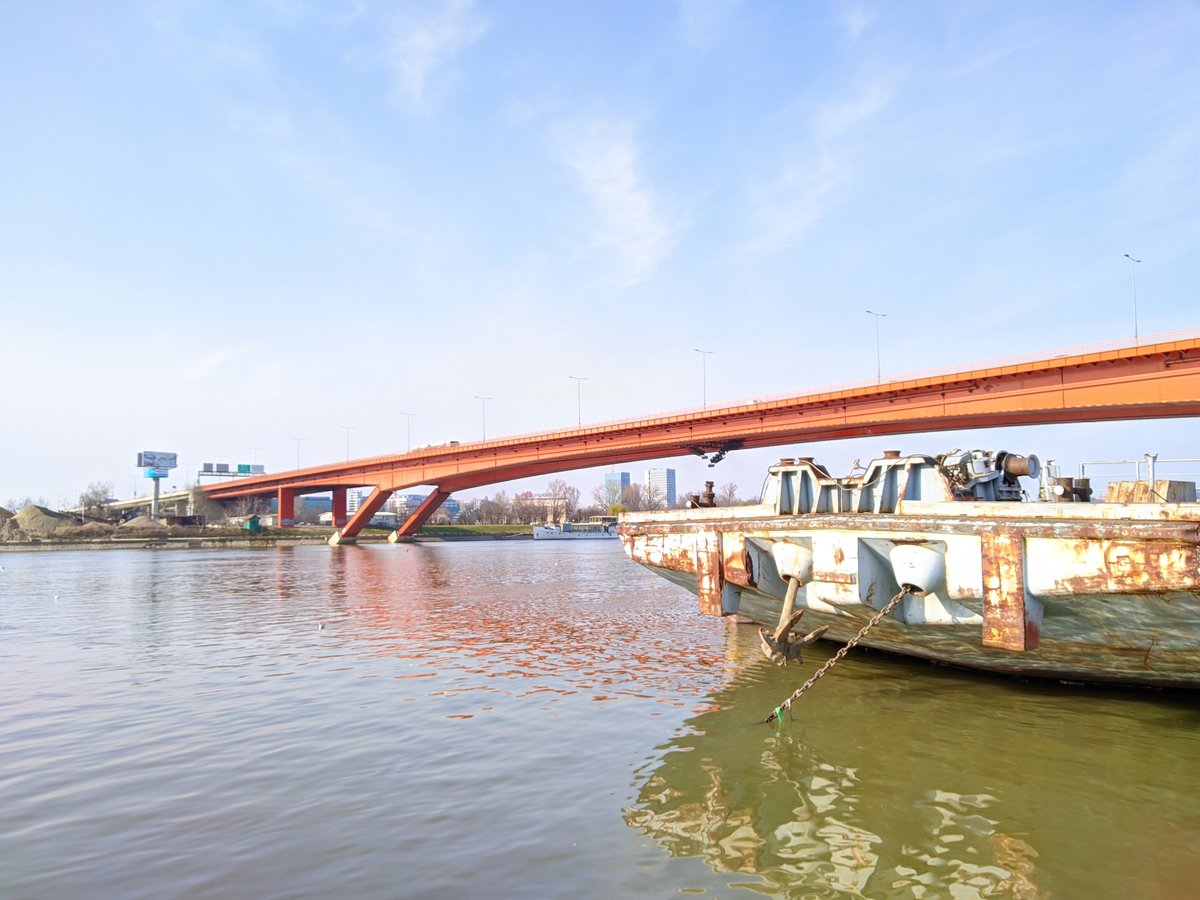
Gazela Bridge is a steel girder structure, 332 meters long and 27.5 meters wide, accommodating six traffic lanes. Its shallow arch and reddish steel girders create an elegant yet robust silhouette. The design cleverly addresses challenges posed by the Sava River’s variable water levels and soft riverbed using deep pile foundations and prefabricated steel components (Belgrade My Way).
Between 2010 and 2011, the bridge underwent extensive renovation, including structural reinforcements, deck replacement, and safety upgrades, raising its capacity to 200,000 vehicles per day and extending its lifespan (danubebridge2.com).
Socio-Political Context
Roma Resettlement
The 2011 reconstruction brought significant controversy, particularly due to the eviction of some 170 Roma families from informal settlements beneath the bridge. The resettlement, financed in part by the European Investment Bank and the European Bank for Reconstruction and Development, was widely criticized for lacking proper consultation and failing to provide adequate long-term housing or integration solutions (bankwatch.org; EIB). This episode highlighted broader challenges in urban development and social inclusion in Serbia, drawing international attention to the rights of marginalized communities.
Visitor Information: Hours, Tickets, and Safety
Visiting Hours
Gazela Bridge is a public structure open 24 hours a day, 7 days a week. There are no official visiting hours or restrictions.
Tickets and Entry
Access is completely free; no tickets or permits are required for vehicles, pedestrians, or cyclists.
Safety and Accessibility
- Pedestrian Walkways: The bridge includes pedestrian paths, but given the heavy and fast-moving traffic, walking across is safest during daylight hours. Remain vigilant and use designated sidewalks.
- Accessibility: Ramps and handrails are present, making the bridge accessible to visitors with mobility challenges, though some access points may involve stairs or uneven surfaces.
Travel Tips and Accessibility
- Getting There by Public Transport: The bridge is accessible via tram lines 7 and 9, and bus lines 15 and 84, with stops near the structure (Evendo). Taxis and rideshare services like Bolt and CarGo are also available.
- By Car: Expect heavy traffic, especially during rush hours (7:30–9:30 AM and 4:30–6:30 PM). Parking nearby is limited.
- On Foot/Bicycle: Pedestrian and cyclist access is possible, but for a safer and more scenic experience, consider walking along riverbanks or using the Ada Bridge.
Best Times to Visit: Early mornings or late afternoons offer pleasant weather and optimal lighting for photography. Spring and autumn are recommended for comfortable temperatures.
Safety: The bridge is generally safe for visitors; however, exercise caution, especially at night or during periods of high traffic.
Air Quality: Belgrade can experience air pollution, particularly in winter. Sensitive visitors should monitor local forecasts (Destination Abroad).
Nearby Attractions and Activities
- Kalemegdan Fortress: Historic fortress with panoramic views at the confluence of the Sava and Danube rivers.
- Savamala District: Known for street art, nightlife, and creative venues.
- Ada Ciganlija: Popular recreational peninsula for water sports and dining.
- Zemun: Picturesque neighborhood with cobblestone streets and the Gardos Tower.
- Sava Promenade and Beton Hala: Trendy riverside areas with restaurants, bars, and lively nightlife.
For river cruises, sightseeing tours, and more, check with local tour operators or the Belgrade Tourist Organization.
Photographic Spots and Viewpoints
- From the Sava Riverbanks: Capture the bridge’s arch and city skyline.
- Kalemegdan Park: Panoramic cityscapes with Gazela Bridge in the frame.
- Ada Ciganlija: Unique perspectives of the bridge and river.
- From the Bridge: Sweeping views of both old and new Belgrade, especially dramatic at sunset.
Photography Tips: Visit at sunrise or sunset for golden-hour lighting. Evening visits offer striking city light reflections on the river.
Frequently Asked Questions (FAQ)
Q: Can I walk across Gazela Bridge?
A: Yes, there are pedestrian walkways, but use caution due to traffic.
Q: Is there a fee to visit Gazela Bridge?
A: No, access is free for all.
Q: Are guided tours available?
A: While there are no tours focusing solely on the bridge, many city and riverfront tours include it as a highlight.
Q: Is the bridge accessible for visitors with disabilities?
A: Yes, though some paths may involve stairs or uneven surfaces.
Q: When is the best time to visit for photos?
A: Early morning and late afternoon provide the best natural light; evenings are beautiful for city lights.
Q: Is it safe to visit at night?
A: Generally yes, but remain vigilant and stick to well-lit areas.
Visual Gallery


Discover More
Gazela Bridge is far more than a utilitarian structure—it is a living testament to Belgrade’s resilience, engineering prowess, and evolving cultural landscape. Its proximity to major attractions and vibrant neighborhoods makes it an excellent starting point for urban exploration. For the best experience, combine your visit with nearby sites, guided tours, or riverside dining.
Enhance your journey with the Audiala app for immersive audio tours and real-time updates. For the latest travel tips and city events, follow Belgrade’s official tourism platforms and stay connected through social media. Enjoy your exploration of one of Serbia’s most important and storied landmarks!
Listen to the full story in the app
The whole Gazela Bridge,
told well.
Audio guides for 1,100+ cities across 96 countries. History, stories, and local insight — offline ready.
Verified, and shown.
Researched and written by the Audiala editorial team from historical records, architectural archives, and local expertise.
Researched from Wikidata, Wikipedia & official sources · fact-checked · How we make our guides →