Plan and listen to Despot Stefan Tower with Audiala.
Audio guide in your pocket, itinerary in your browser. Built for the way you actually visit.
Introduction
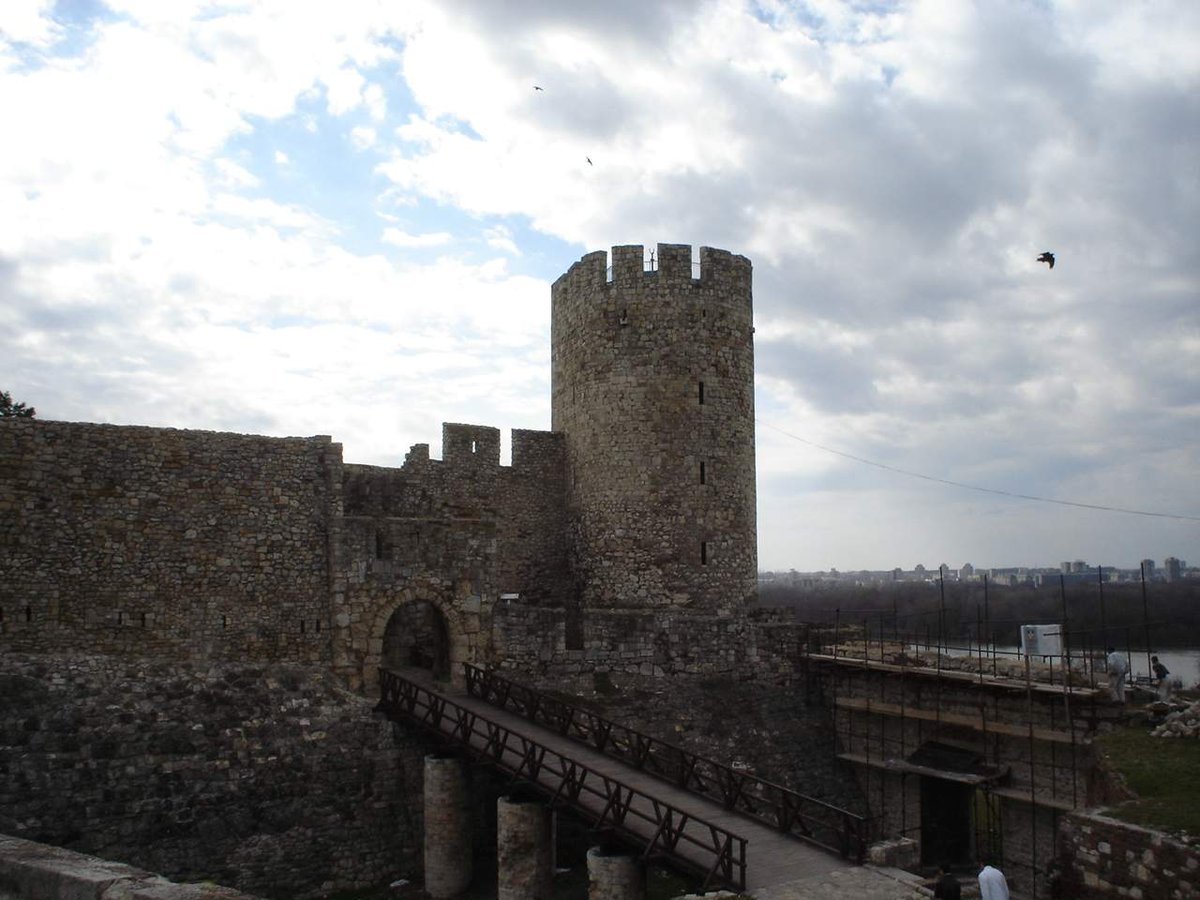
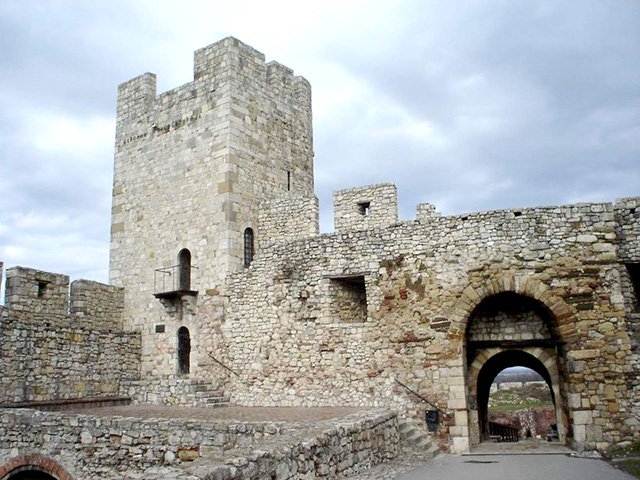
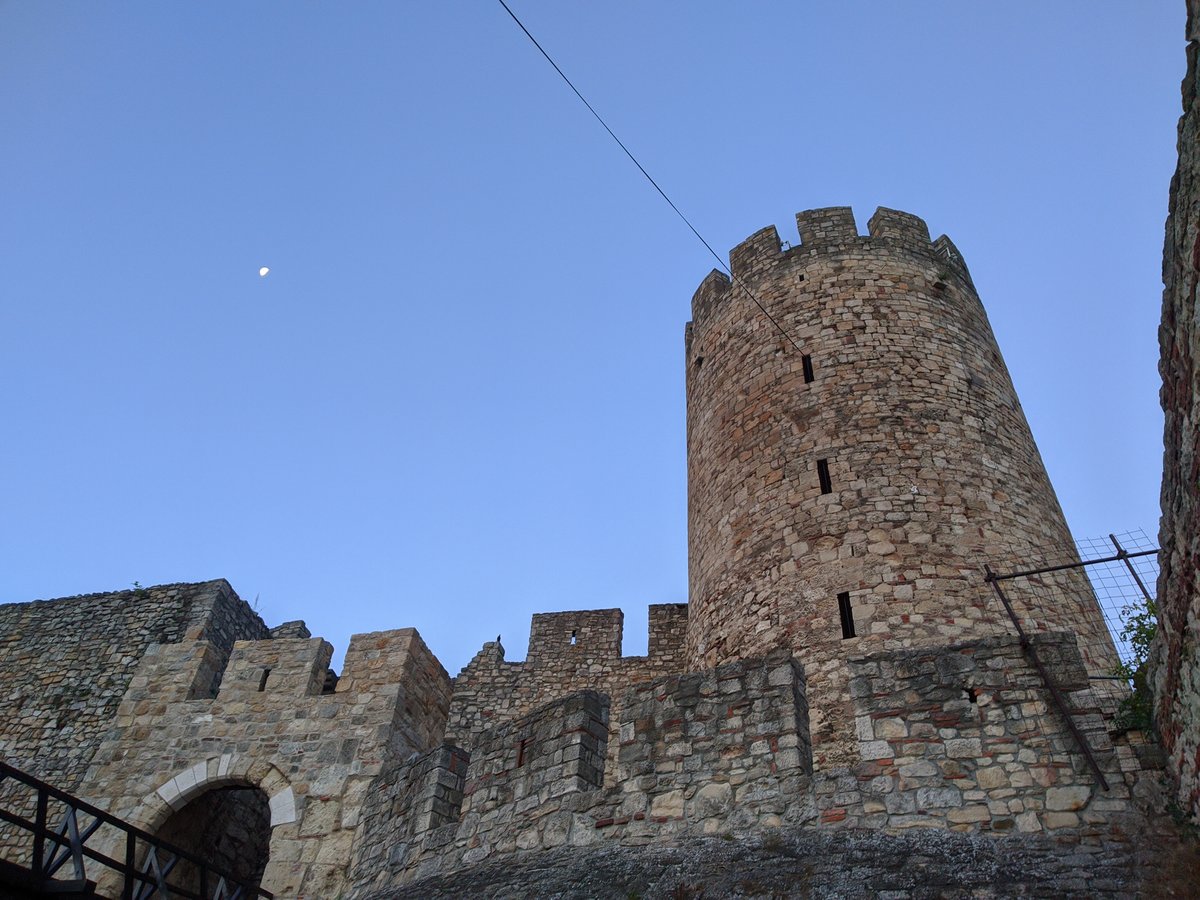
Rising majestically within the ancient walls of Belgrade Fortress, the Despot Stefan Tower stands as a symbol of Serbia’s enduring medieval heritage and the vibrant cultural life of modern Belgrade. Overlooking the confluence of the Sava and Danube rivers, this fortress landmark weaves together centuries of strategic military importance, architectural innovation, and local tradition. This comprehensive guide delivers detailed information on visiting hours, ticketing, accessibility, nearby attractions, and the historical significance of Despot Stefan Tower, ensuring a rewarding experience for every visitor.
For the most current details and event updates, consult the Belgrade Fortress official website and the Astronomical Society Ruđer Bošković.

Historical Background
Foundations and Strategic Importance
The location of Despot Stefan Tower is deeply rooted in Belgrade’s ancient history. The area was first settled in the Neolithic era and later became the Roman city of Singidunum. Its strategic position at the confluence of two major rivers made it a coveted stronghold for empires from the Byzantines and Hungarians to the Ottomans and Austrians (beogradskatvrdjava.co.rs). The fortress and its towers have endured countless sieges and reconstructions, underscoring Belgrade’s lasting strategic importance.
The Serbian Despotate and Tower Construction
The Despot Stefan Tower was erected around 1405, shortly after Belgrade became the capital of the Serbian Despotate under Despot Stefan Lazarević. Following the 1402 Battle of Angora, Stefan secured Belgrade from the Hungarian king, marking the city’s rise as the Serbian capital for the first time (artsandculture.google.com). Despot Stefan undertook a comprehensive reconstruction of the fortress, dividing it into Upper and Lower Towns, surrounded by double walls and defensive towers. The Despot Stefan Tower became a key defensive structure and the main entrance to the Upper Town, symbolizing military might and political authority (beogradskatvrdjava.co.rs).
Periods of Prosperity and Conflict
Under Stefan Lazarević, Belgrade was transformed into a flourishing capital, fostering literature, the arts, and religious scholarship. After his death in 1427, the city and its fortress, including the tower, shifted between Hungarian, Ottoman, and Austrian control, each power adapting the defenses to new military needs. Notably, the tower survived catastrophic events such as the 1690 explosion during the Ottoman siege, which destroyed much of the Upper Town (artsandculture.google.com).
Modern Era and Cultural Legacy
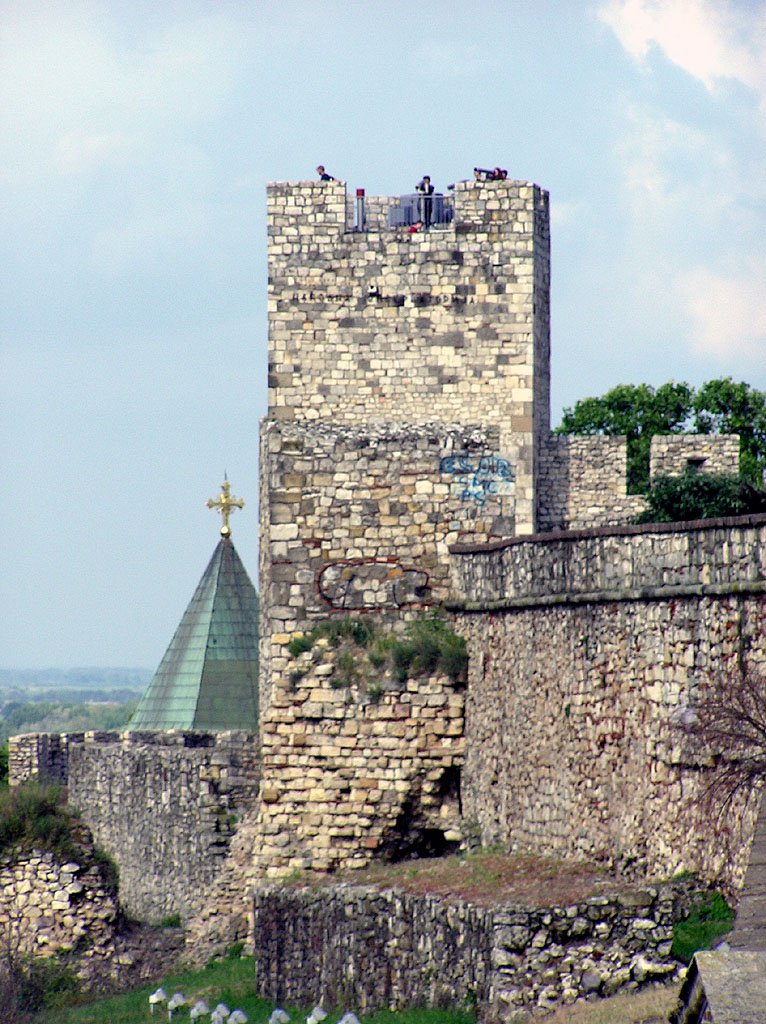
In the 19th century, as Serbia gained independence, Belgrade Fortress was integrated into the urban landscape, with Kalemegdan Park established as a public space. The Despot Stefan Tower took on new roles: since 1963, it has housed the Popular Observatory of the Astronomical Society Ruđer Bošković, blending historical preservation with educational outreach (en.wikipedia.org). Today, the tower is recognized as a cultural monument and a central point for historical exploration and cultural events.
Visitor Information
Visiting Hours and Ticketing
- Fortress Grounds: Open 24/7, year-round, free of charge (TravelTriangle).
- Despot Stefan Tower Interior: Typically accessible during special exhibitions, guided tours, or observatory sessions.
- Observatory Admission: A small fee may apply for entry to the observatory during public events. Check the Astronomical Society Ruđer Bošković for current schedules and pricing.
- Guided Tours: Available through local providers and the fortress administration. Tours in English and other languages can be booked in advance (GPSmyCity Walking Tour).
Accessibility and Travel Tips
- Terrain: The fortress features cobblestone paths and some steep inclines. While the grounds are generally accessible, the tower’s upper sections can be challenging for visitors with mobility impairments.
- Footwear: Comfortable shoes are recommended.
- Best Visiting Times: Spring and autumn offer pleasant weather and fewer crowds. Early mornings and evenings provide optimal light for photography and panoramic views.
- Cultural Etiquette: Respect religious sites and ongoing ceremonies; modest dress is recommended in church areas.
Directions and Getting There
- Location: Upper Town, Belgrade Fortress, Kalemegdan Park, central Belgrade.
- On Foot: Easily accessible from Knez Mihailova Street, the city’s main pedestrian thoroughfare.
- Public Transport: Multiple bus and tram lines stop near Kalemegdan Park.
- Parking: Limited spaces are available near the fortress, especially during peak seasons (Trek Zone).
Nearby Attractions
- Military Museum: Displays centuries of Serbian military history.
- Nebojša Tower: Another historic tower with exhibitions and river views.
- Ružica Church and Saint Petka Chapel: Notable religious sites within the fortress.
- Cvijeta Zuzorić Art Pavilion: Contemporary art exhibitions.
- Belgrade Zoo: Family-friendly attraction within the fortress complex.
- Belgrade Planetarium: Astronomy programs and night sky observations.
Cafés, souvenir shops, and restrooms are available within the fortress. The city center offers additional dining and shopping options (TravelTriangle).
Frequently Asked Questions (FAQ)
Q: What are Despot Stefan Tower visiting hours?
A: The surrounding fortress grounds are open 24/7. Access to the tower’s interior is typically available during guided tours or observatory events—check official sources for current times.
Q: Are there entrance fees?
A: Entry to the fortress and the exterior of Despot Stefan Tower is free. Fees may apply for guided tours, special exhibitions, or observatory programs.
Q: How accessible is the tower?
A: The grounds are mostly accessible, but cobblestone paths and stairs may limit access for those with mobility challenges. Contact staff in advance for assistance.
Q: Are guided tours available in English?
A: Yes, guided tours in English and other languages are offered and can be booked in advance.
Q: What is the best time to visit?
A: Spring and autumn offer mild weather and fewer crowds; sunset provides exceptional views over the city and rivers.
Listen to the full story in the app
The whole Despot Stefan Tower,
told well.
Audio guides for 1,100+ cities across 96 countries. History, stories, and local insight — offline ready.
Verified, and shown.
Researched and written by the Audiala editorial team from historical records, architectural archives, and local expertise.
Researched from Wikidata, Wikipedia & official sources · fact-checked · How we make our guides →