Plan and listen to Cvijeta Zuzorić Art Pavilion with Audiala.
Audio guide in your pocket, itinerary in your browser. Built for the way you actually visit.
Introduction
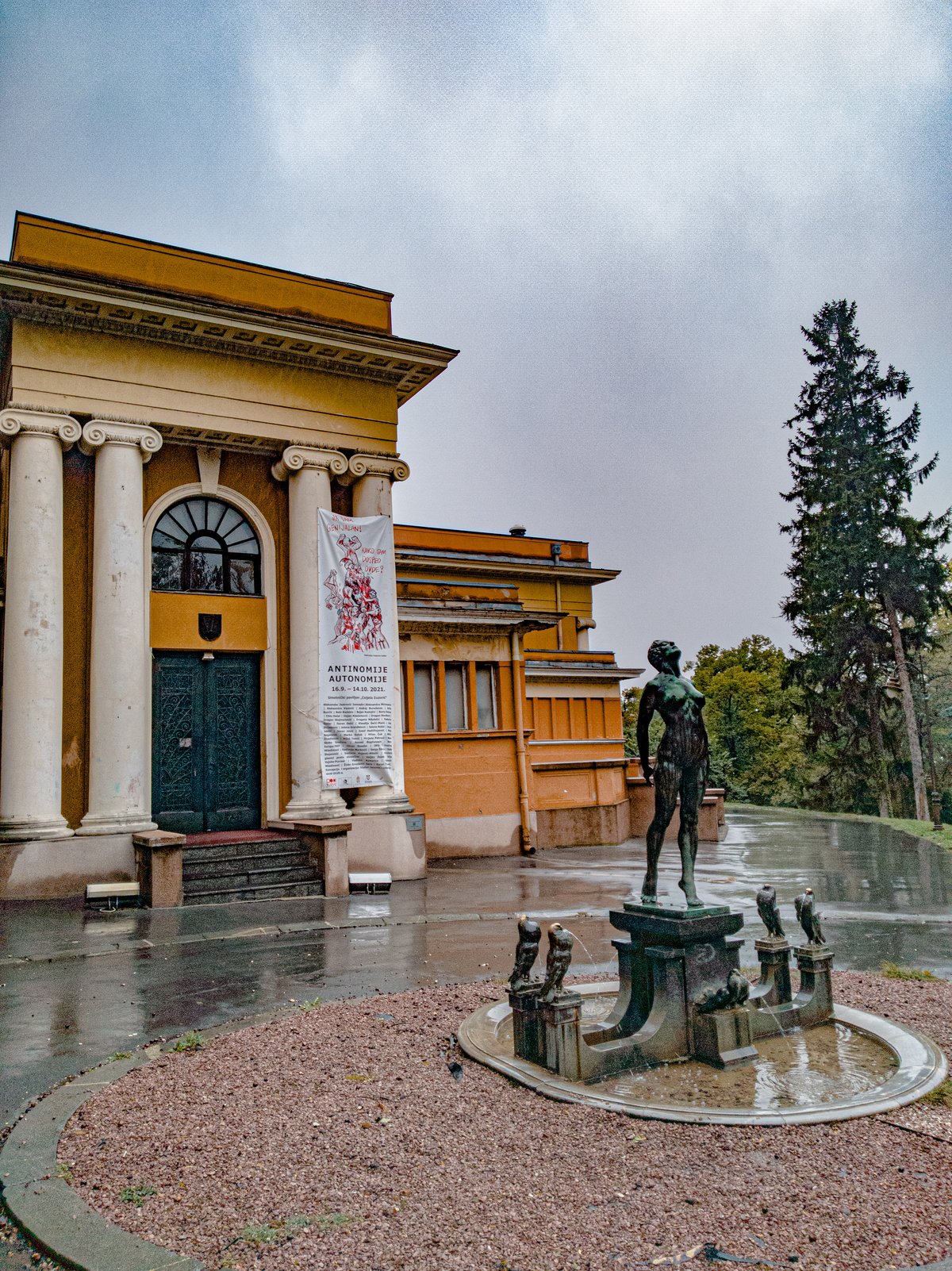
The Cvijeta Zuzorić Art Pavilion, located in the verdant Mali Kalemegdan Park in Belgrade, Serbia, is a cornerstone of the city’s artistic and cultural life. As the first purpose-built gallery in Serbia, opened in 1928, it represents a significant milestone in the country’s commitment to the visual arts. Named after the 16th-century Dubrovnik poetess Cvijeta Zuzorić, the pavilion embodies both Serbian cultural identity and the city’s connection to European artistic traditions. Today, it continues to serve as a vibrant venue for exhibitions, events, and community engagement, nestled amidst some of Belgrade’s most iconic historical sites (studiocs.rs; ulus.rs; beinbelgrade.com).
This guide provides comprehensive details on the pavilion’s history, architectural and cultural significance, practical visiting information, and nearby attractions, ensuring you make the most of your visit to one of Belgrade’s premier historical and cultural sites.

Historical Background and Founding Vision
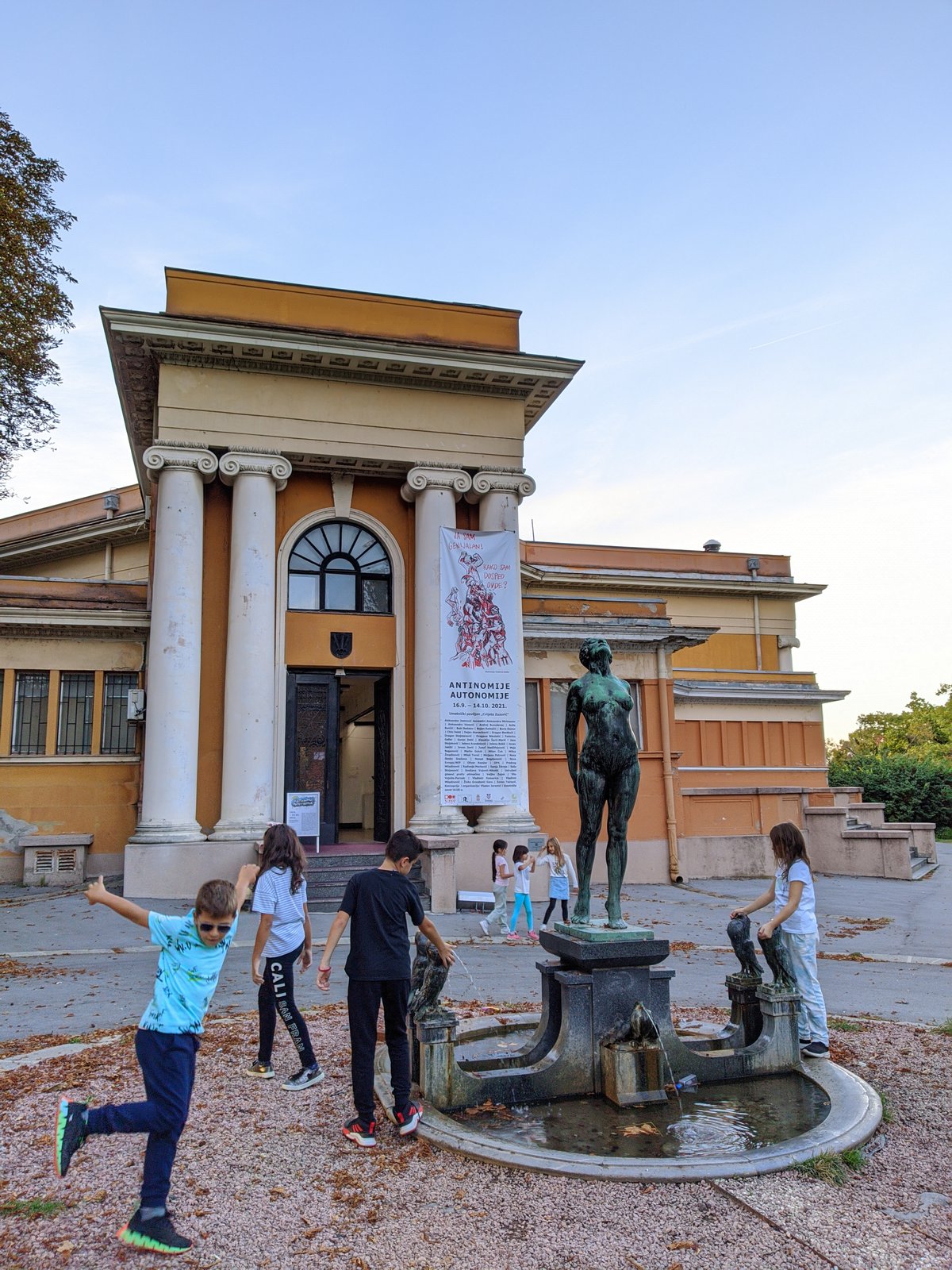
The concept for the Cvijeta Zuzorić Art Pavilion was born in the early 1920s, when Serbian intellectuals and artists recognized the need for a dedicated space for the visual arts. Spearheaded by Branislav Nušić, a prominent playwright and cultural advocate, the Society of Friends of Art “Cvijeta Zuzorić” was founded in 1922 with the goal of creating a permanent, purpose-built gallery (ulus.rs; studiocs.rs). The project was realized through significant community fundraising, including notable contributions from the royal family, leading intellectuals, and the Belgrade Municipality, which provided the site in Mali Kalemegdan Park.
Architectural Significance
Designed by architect Branislav Kojić, the pavilion is a rare example of Art Deco architecture in Serbia. The original design featured a glass roof to maximize natural light, and the building’s proportions and decorative elements reflect the modernist aspirations of the era (wikipedia; myheritageguide.com). The structure was renovated in 1975 to update its facilities and expand gallery space while preserving its historical character. The pavilion’s harmonious integration into Kalemegdan Park, overlooking the confluence of the Sava and Danube rivers, adds to its aesthetic appeal and status as a cultural landmark (trek.zone).
Cultural Role and Programming
The pavilion quickly became the headquarters for the Association of Fine Artists of Serbia (ULUS), establishing its central role in nurturing artistic talent and promoting contemporary art (beogradskatvrdjava.co.rs). Over the decades, the pavilion has hosted exhibitions by leading Serbian and international artists, such as Henry Moore, Pablo Picasso, and Paul Gauguin, fostering cross-cultural exchange and keeping Belgrade at the forefront of contemporary art (inenart.eu).
Its program includes:
- Seasonal and thematic exhibitions
- The prestigious October Salon and Belgrade Biennale (culturebelgrade.net)
- Workshops, lectures, and educational outreach
- Literary and musical events
The pavilion is also renowned for its role in community engagement, offering guided tours, educational programs, and accessible admission policies, reflecting its mission to make art available to a broad audience.
Visitor Information
Location & Access
Address: Mali Kalemegdan 1, within Kalemegdan Park, easily accessible from Knez Mihailova Street, Belgrade’s main pedestrian avenue (movetobelgrade.com; Evendo).
Getting There:
- On foot: 10–15 minutes from Trg Republike via Knez Mihailova
- Public transport: Several buses and trams stop near Kalemegdan Park
- By car: Limited parking nearby; public transport or walking is recommended
Visiting Hours
- Standard hours: Tuesday–Sunday, 11:00 AM–7:00 PM
- Variation: Hours may differ for special exhibitions or holidays; always check the official website or Beogradska Tvrđava for up-to-date schedules.
Tickets and Admission
- General admission: Usually free for standard exhibitions
- Special events/exhibitions: 200–400 RSD (~$2–$4); tickets available at the entrance or online
- Discounts: Available for students, seniors, and groups
- Guided tours: Offered for groups and school visits; advance booking recommended
Facilities and Accessibility
- Wheelchair accessibility: Pavilion and park paths are generally accessible, though some historic areas may be uneven
- Languages: Exhibition materials are often bilingual (Serbian/English); staff can assist in English
- Restrooms: Available onsite
- Photography: Allowed for personal use unless otherwise indicated
- Cafés/refreshments: Available in the park nearby
What to See and Do
Art Exhibitions
The pavilion hosts a diverse program of exhibitions, including:
- Solo and group shows by Serbian and international artists
- The October Salon, a major contemporary art event since 1960 (beogradskatvrdjava.co.rs)
- The Belgrade Biennale, which attracts international attention (culturebelgrade.net)
Cultural Events
Enjoy concerts, book launches, artist talks, and community gatherings, many of which are open to the public.
Family-Friendly Activities
A large playground is located nearby, and the park’s open spaces make this a great destination for families (tob.rs).
Exploring Kalemegdan Park
Take in panoramic river views, stroll through gardens, and visit adjacent attractions like the Belgrade Fortress, Military Museum, Victor Monument, and the city zoo (theamazingtraveler.com).
Practical Tips
- Best time to visit: Spring and autumn for mild weather; summer can be hot, but the park offers shade
- Duration: 30–60 minutes inside the pavilion; allow extra time to explore the park and fortress
- Safety: The area is safe during daylight hours; remain vigilant with belongings during crowded events
- Souvenirs: Exhibition catalogs and art prints may be available during major shows
- Language: English is widely understood, but a translation app may be useful
Frequently Asked Questions (FAQ)
Q: What are the Cvijeta Zuzorić Art Pavilion visiting hours?
A: Typically Tuesday–Sunday, 11:00 AM–7:00 PM; check the official website for updates.
Q: Are tickets required for entry?
A: Standard exhibitions are usually free; special events may require a ticket.
Q: Is the pavilion wheelchair accessible?
A: Yes, with accessible entrances and facilities.
Q: Are guided tours available?
A: Yes, for groups and schools upon request.
Q: Can I take photographs?
A: Photography is permitted for personal use unless otherwise posted.
Q: What other sites are nearby?
A: Belgrade Fortress, Military Museum, Victor Monument, city zoo, and the riverside promenade.
Special Events and Recommendations
- Attend the October Salon for a premier contemporary art experience (beogradskatvrdjava.co.rs).
- Check the event calendar for workshops, openings, and family activities.
- Combine your visit with a walk through Kalemegdan Park and the fortress for a full historical and cultural experience.
Visuals and Media
Enhance your visit with virtual tours, high-quality images, and interactive maps available on official websites and cultural heritage platforms. These resources offer previews of exhibitions and the pavilion’s architecture.
Final Tips and Summary
The Cvijeta Zuzorić Art Pavilion remains an enduring symbol of Serbia’s artistic legacy and innovation. Its Art Deco design, commitment to accessibility, and central location in Kalemegdan Park make it a must-see for both locals and tourists. Whether you are interested in visual art, historic architecture, or simply enjoying Belgrade’s green spaces, the pavilion offers a rewarding and memorable experience.
Stay updated on current exhibitions and special events via the official ULUS website, Beogradska Tvrđava, and the Tourist Organization of Belgrade. For audio guides and cultural tips, download the Audiala app.
Listen to the full story in the app
The whole Cvijeta Zuzorić Art Pavilion,
told well.
Audio guides for 1,100+ cities across 96 countries. History, stories, and local insight — offline ready.
Verified, and shown.
Researched and written by the Audiala editorial team from historical records, architectural archives, and local expertise.
Researched from Wikidata, Wikipedia & official sources · fact-checked · How we make our guides →