Plan and listen to Church Of Saint Sava with Audiala.
Audio guide in your pocket, itinerary in your browser. Built for the way you actually visit.
Introduction
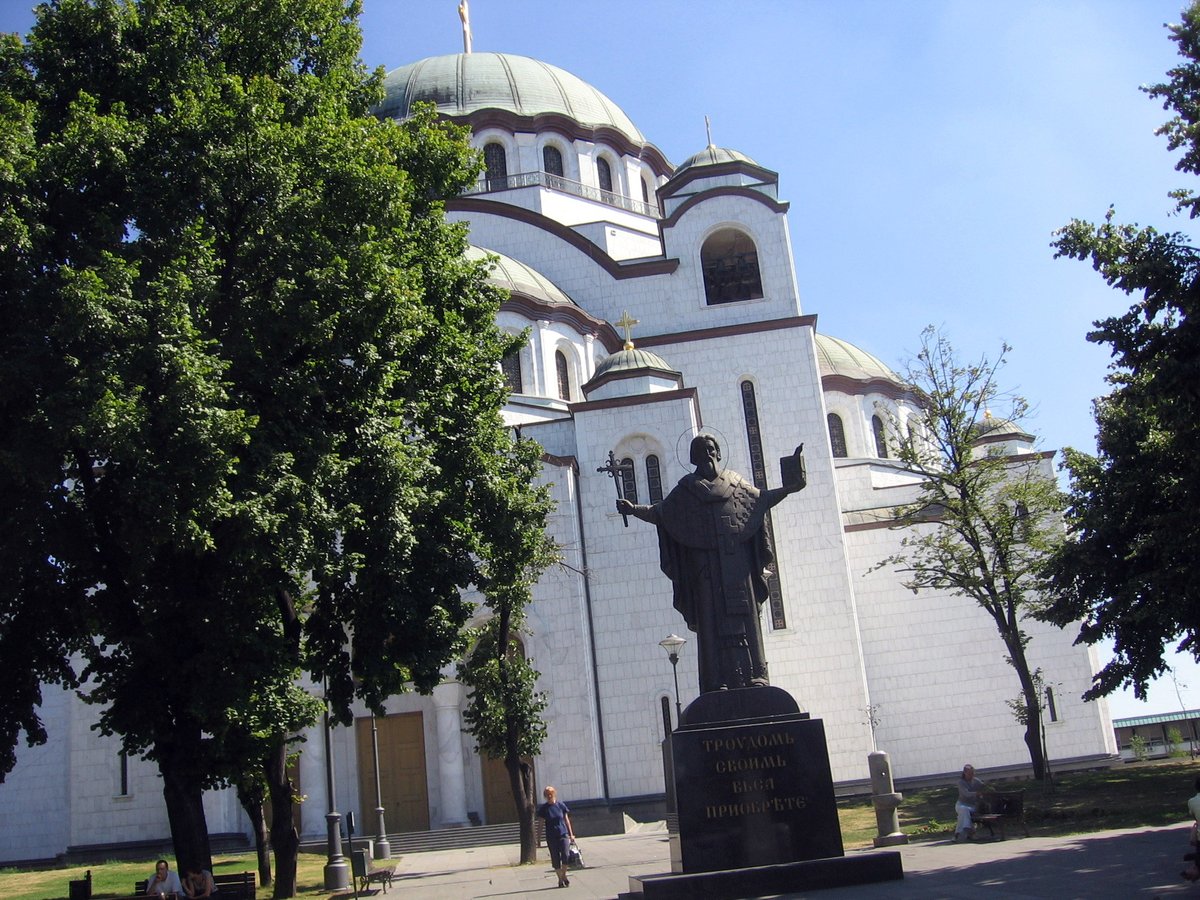
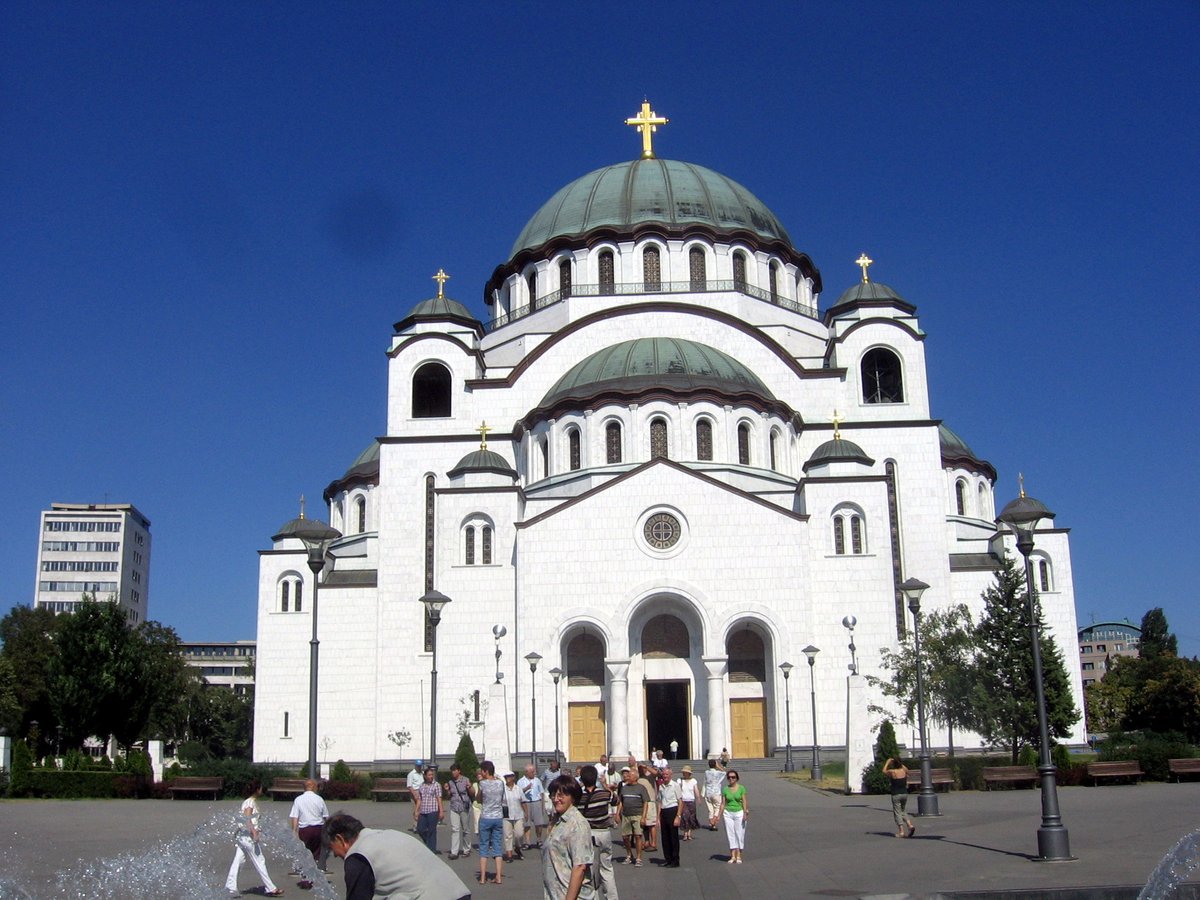
The Church of Saint Sava, rising majestically above Belgrade’s Vračar district, is among the largest Orthodox churches in the world and stands as a profound symbol of Serbian faith, national identity, and resilience. Its gleaming white marble facade and imposing dome not only dominate the city skyline but also represent the enduring spirit of the Serbian people through turbulent centuries. This comprehensive guide details the church’s historical significance, architectural grandeur, and all practical information you need—such as visiting hours, ticketing, accessibility, and travel tips—to make your visit both meaningful and memorable (belgradecard.rs; serbia.com).


Historical Background
Origins and Spiritual Foundations
The church is dedicated to Saint Sava, the founder and first Archbishop of the Serbian Orthodox Church, whose spiritual and educational influence established the bedrock of Serbian identity in the 13th century. The site itself marks where Saint Sava’s relics were burned by the Ottomans in 1595, an attempt to crush Serbian resistance that instead became a powerful symbol of unity and perseverance (belgradecard.rs).
Vision, Planning, and Construction
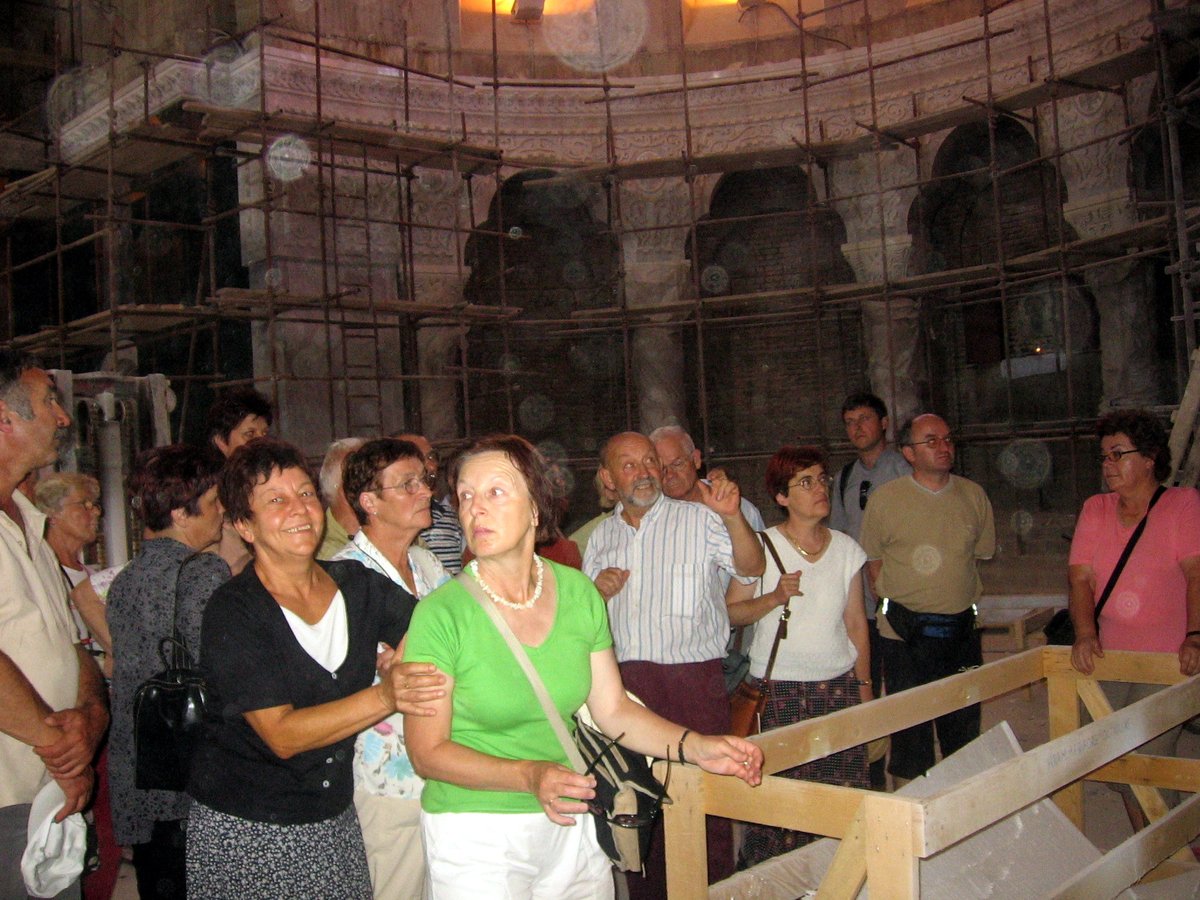
The idea to commemorate Saint Sava with a monumental church surfaced in the late 19th century, following Serbia’s emancipation from Ottoman rule. The ceremonial laying of the foundation stone in 1895 set the stage for decades of intermittent construction, hindered by wars and political upheavals. Major building resumed in the 1980s, and the church’s main structure reached completion by the early 2000s, with interior mosaics and decoration continuing into the 21st century (serbiatourguide.com).
Architectural Grandeur and Symbolism
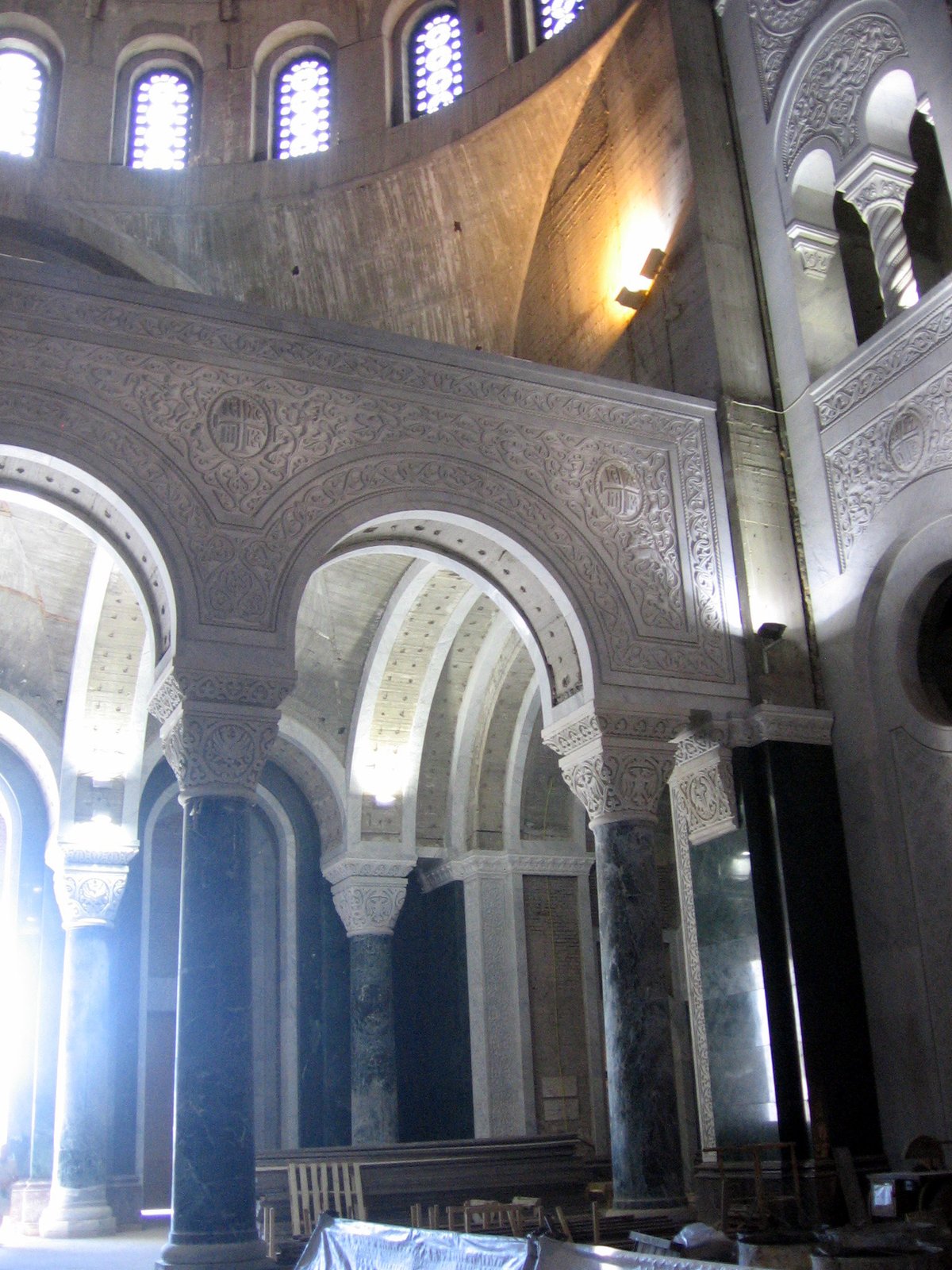
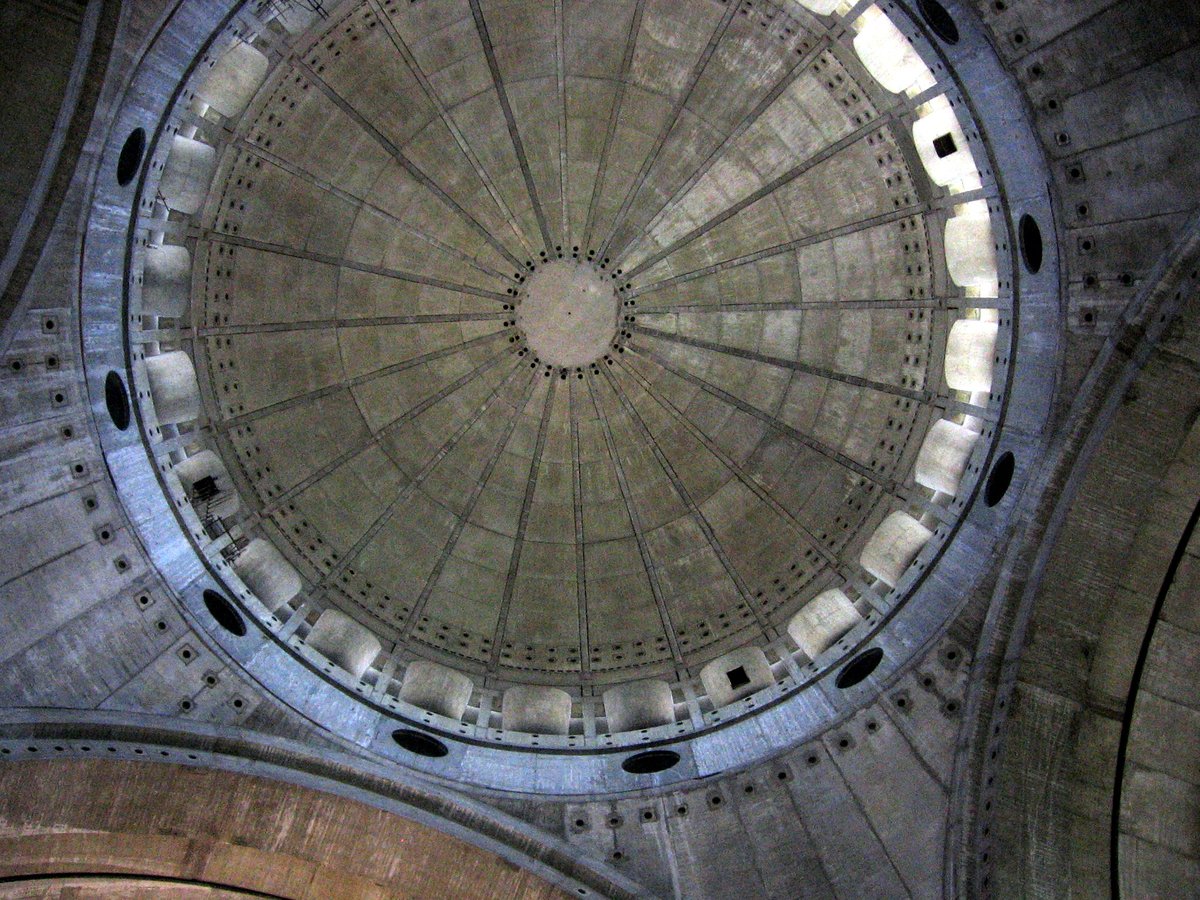
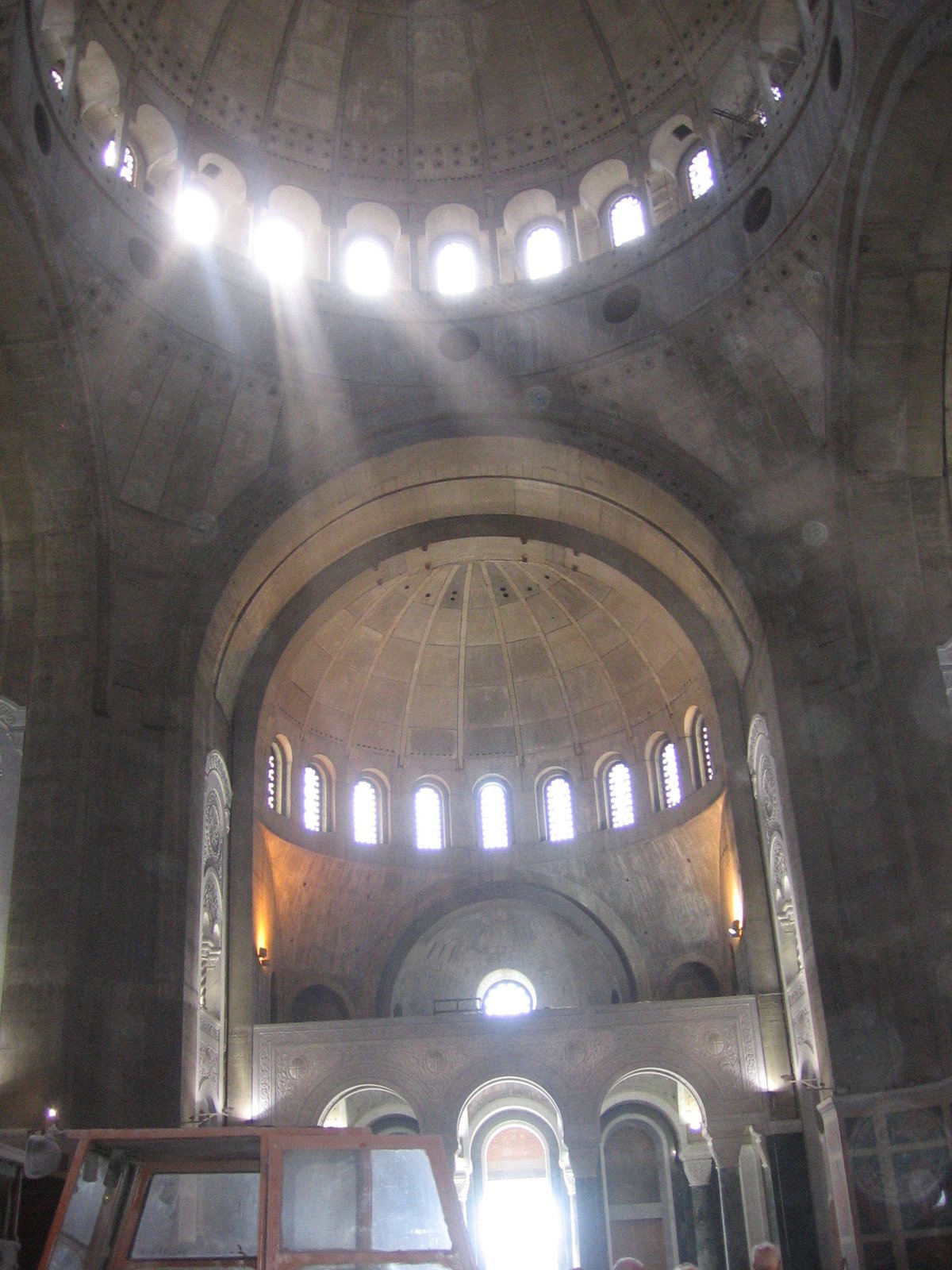
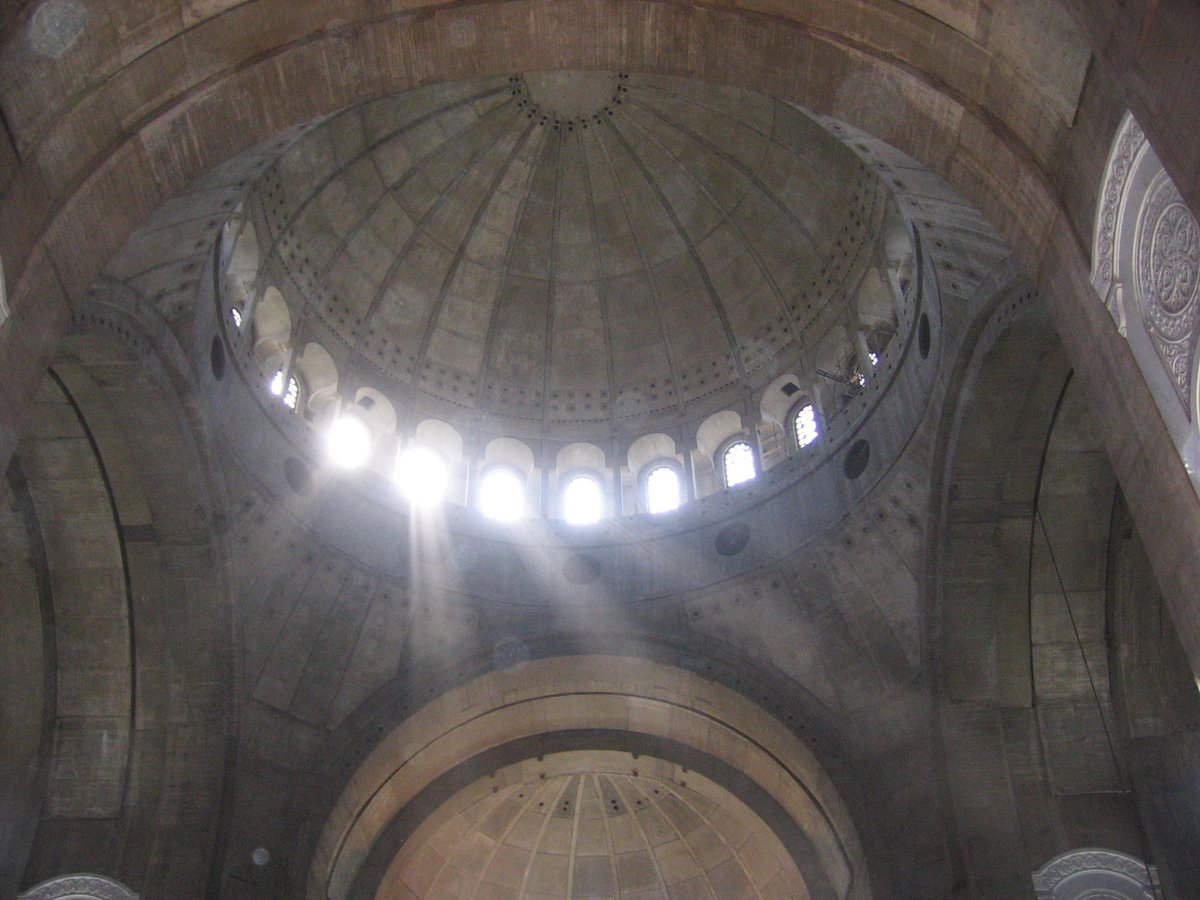
The Church of Saint Sava is built in the Serbian-Byzantine style, featuring a Greek cross layout, a central dome rising 70 meters (topped with a 12-meter gold-plated cross), and an exterior clad in white marble and granite. The church’s scale and design draw inspiration from Hagia Sophia, underlining its spiritual and architectural ties to Orthodox tradition (orthodoxtimes.com; tob.rs).
Interior and Sacred Art
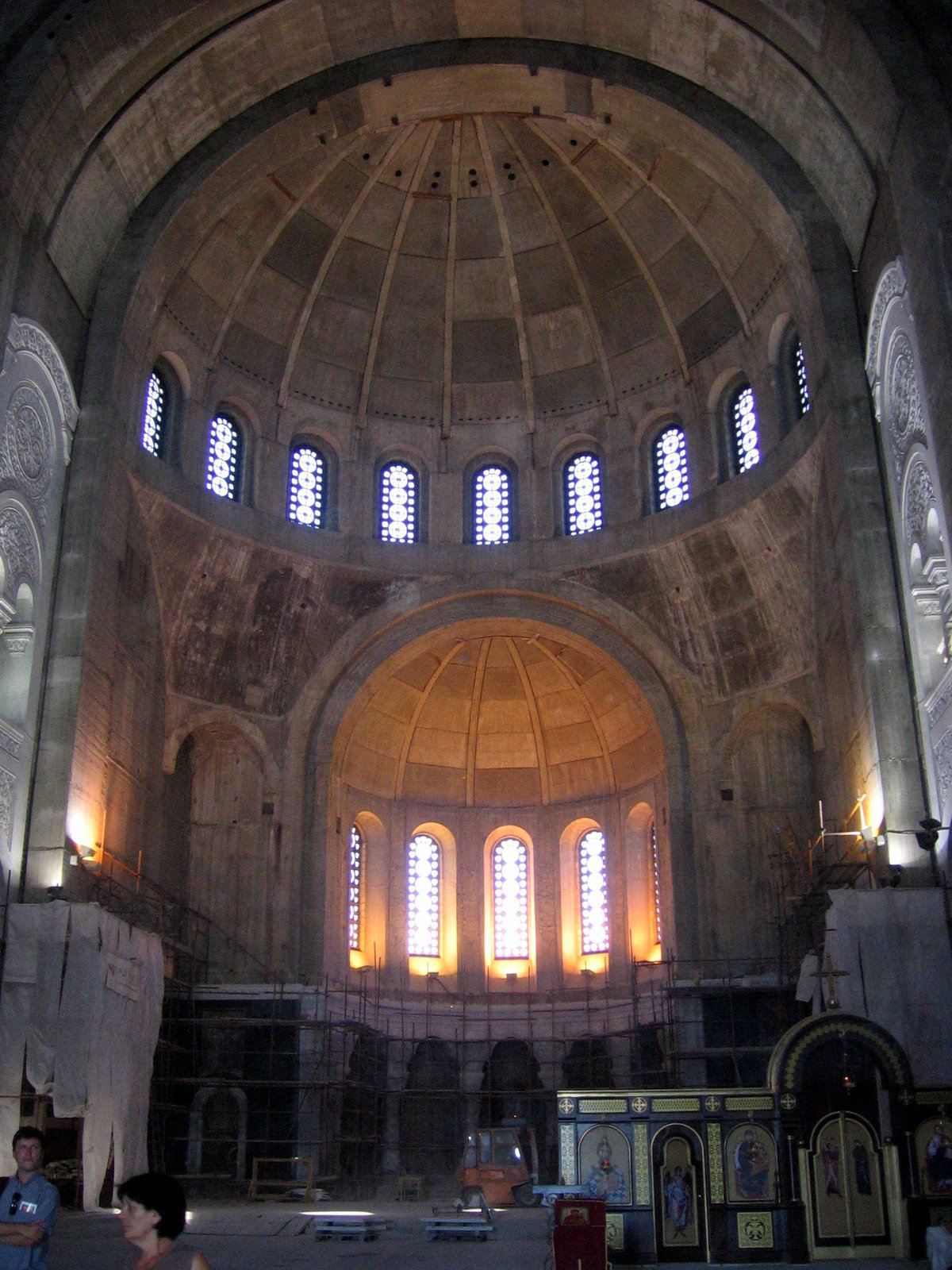
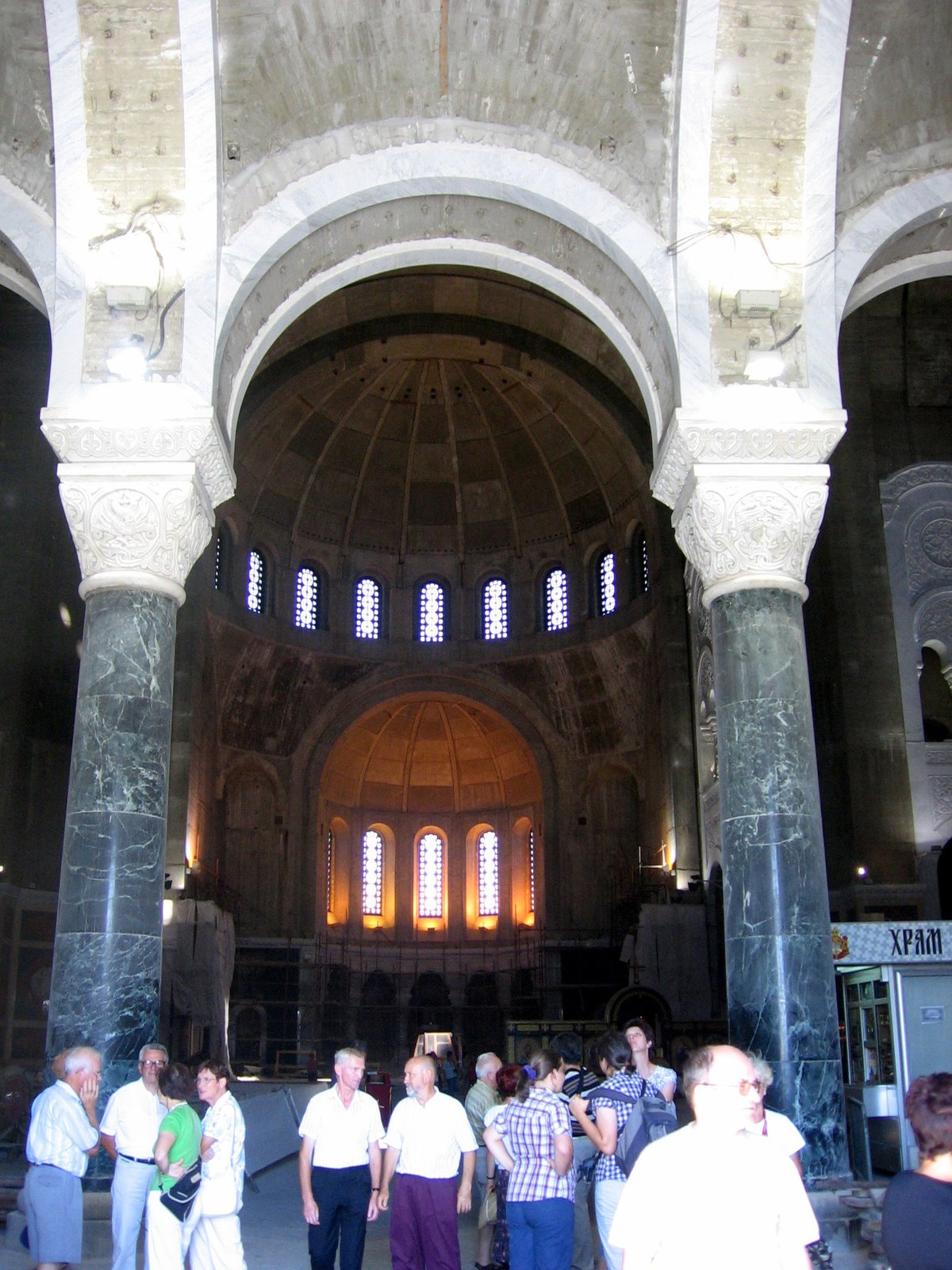
Inside, the nave accommodates up to 10,000 worshippers. The walls and domes are adorned with magnificent mosaics—over 50 million pieces of Murano glass and colored stones—including the world’s largest mosaic of Christ Pantocrator in the central dome. Beneath the main sanctuary lies a richly decorated crypt, used for worship, exhibitions, and cultural events (myforevertravel.com; orthodoxtimes.com).
National and Cultural Significance
The Church of Saint Sava is not just a place of worship; it is a vibrant hub for religious ceremonies, cultural events, and national commemorations. It hosts major celebrations such as Saint Sava Day (January 27) and Orthodox Christmas, and serves as the venue for the annual Holy Assembly of Bishops (serbia.com; orthodoxtimes.com).
Visiting the Church of Saint Sava
Visiting Hours
- General Opening: Daily, 7:00 AM – 8:00 PM
(Hours may vary during religious holidays and special events; check the official website for updates.)
(gotravelyourself.com)
Admission and Tickets
- Entry: Free of charge
- Donations: Welcomed to support maintenance and art projects
- Special Exhibitions or Guided Tours: May require a ticket; discounts available for students, seniors, and groups
Accessibility
- The church is fully wheelchair accessible, with ramps and elevators.
- Accessible restrooms are available.
- Staff can assist visitors with special needs.
Dress Code and Visitor Conduct
- Modest attire required: cover shoulders and knees.
- Maintain a respectful demeanor; keep noise to a minimum, especially during services.
- Photography is generally permitted, but avoid flash and photographing during religious ceremonies (gotravelyourself.com; belgradeepass.com).
Guided Tours and Audio Guides
- Available in multiple languages; highly recommended for historical and artistic insights.
- Can be booked in advance or on-site via local agencies.
- Audio guides are also offered at the entrance.
Special Events and Services
- Regular Orthodox liturgies and major religious celebrations (especially Saint Sava’s feast day, January 27).
- The crypt frequently hosts concerts, lectures, exhibitions, and cultural events.
- Consult the church’s calendar or app for upcoming events.
Exploring the Church and Surrounding Area
Highlights Inside
- Nave: Vast, luminous space accommodating up to 10,000 people; adorned with awe-inspiring mosaics and chandeliers.
- Iconostasis and Altars: Richly decorated with icons and gold detailing central to Orthodox liturgy.
- Crypt: Underground church space decorated with Byzantine mosaics and reliefs; venue for exhibitions and future resting place for Serbian patriarchs (myforevertravel.com).
Photographic Spots
- Exterior: Stunning at sunset or nighttime when illuminated; panoramic views from the church plaza.
- Interior: Mosaics, gold domes, and crypt details (observe photography rules).
Nearby Attractions
- Vračar District: Lively neighborhood with parks, cafes, restaurants, and local markets.
- Cultural Sites: Monument to Karađorđe, National Library of Serbia, Nikola Tesla Museum, Kalemegdan Fortress, and Republic Square are within easy reach.
- Public Transport: Well-connected by buses and trams; parking is limited, so public transit is recommended.
Practical Tips for Visitors
- Cash: Bring for donations and gift shop purchases (some shops may not accept cards).
- Timing: Visit early morning or late afternoon to avoid crowds and enjoy optimal lighting.
- Dress Code: Modest clothing is required.
- Guided Tours: Recommended for deeper understanding.
- Accessibility: Fully accessible for wheelchairs and strollers.
- Etiquette: Be mindful of worshippers and ongoing services.
- Nearby Dining: Enjoy local Serbian cuisine in the Vračar district.
- Weather: The church and surrounding park are pleasant for walks year-round.
Frequently Asked Questions (FAQ)
Q: Are there tickets required to visit the Church of Saint Sava?
A: No, admission is free; donations are appreciated. Guided tours or special exhibitions may require tickets.
Q: What are the visiting hours?
A: Generally 7:00 AM – 8:00 PM daily, with possible variations during religious holidays.
Q: Is the church accessible for visitors with disabilities?
A: Yes, there are ramps and elevators.
Q: Can tourists attend religious services?
A: Yes, visitors are welcome to attend respectfully.
Q: Are guided tours available?
A: Yes, in multiple languages; booking ahead is recommended.
Q: Is photography allowed?
A: Yes, but no flash and not during services.
Q: What is the best way to reach the church?
A: Take public transport (buses or trams); parking is limited.
Integration with Belgrade’s Urban Landscape
The church’s commanding presence atop Vračar hill not only offers panoramic city views but also cements its role as a focal point of Serbian spiritual and civic life. Its open forecourt and proximity to key public spaces make it a natural gathering place for both locals and visitors (tob.rs).
Listen to the full story in the app
The whole Church Of Saint Sava,
told well.
Audio guides for 1,100+ cities across 96 countries. History, stories, and local insight — offline ready.
Verified, and shown.
Researched and written by the Audiala editorial team from historical records, architectural archives, and local expertise.
Sava Temple in Belgrade, 2024, SerbiaTourGuide
Sava Church, 2024, Tourist Organization of Belgrade
Researched from Wikidata, Wikipedia & official sources · fact-checked · How we make our guides →