Plan and listen to Captain Miša'S Mansion with Audiala.
Audio guide in your pocket, itinerary in your browser. Built for the way you actually visit.
Introduction
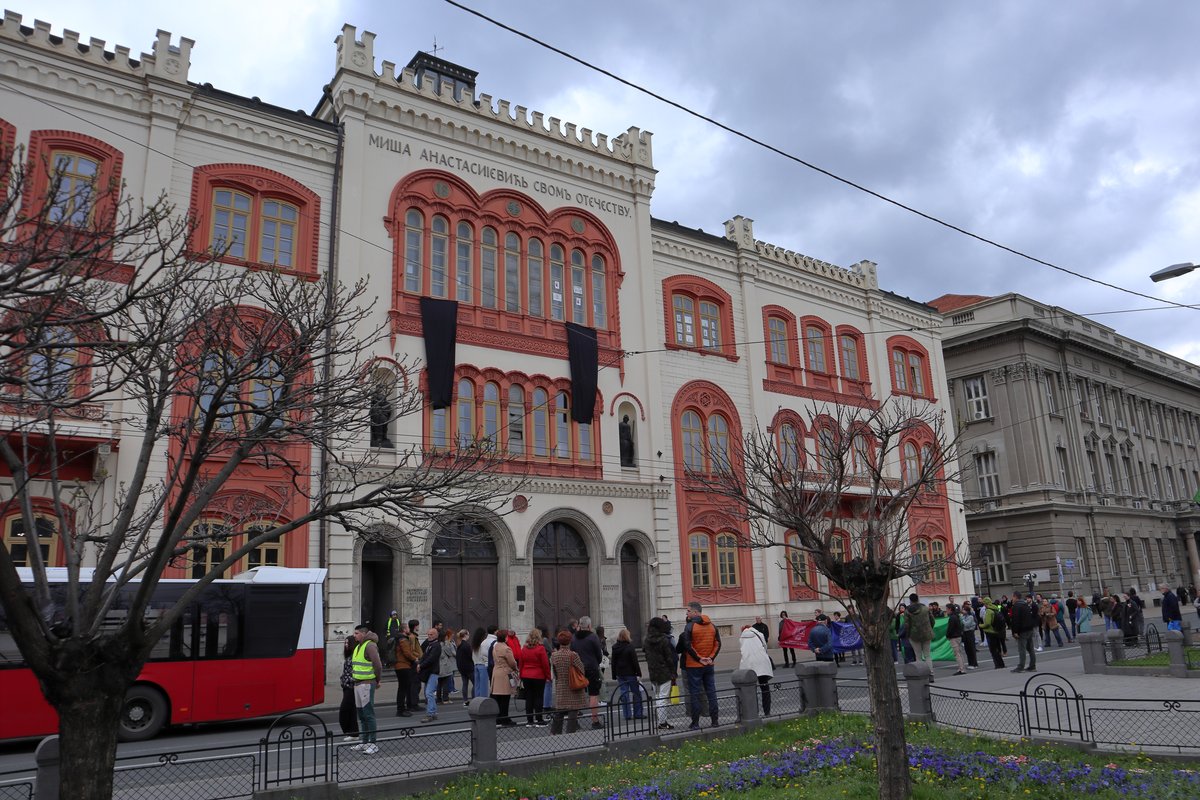
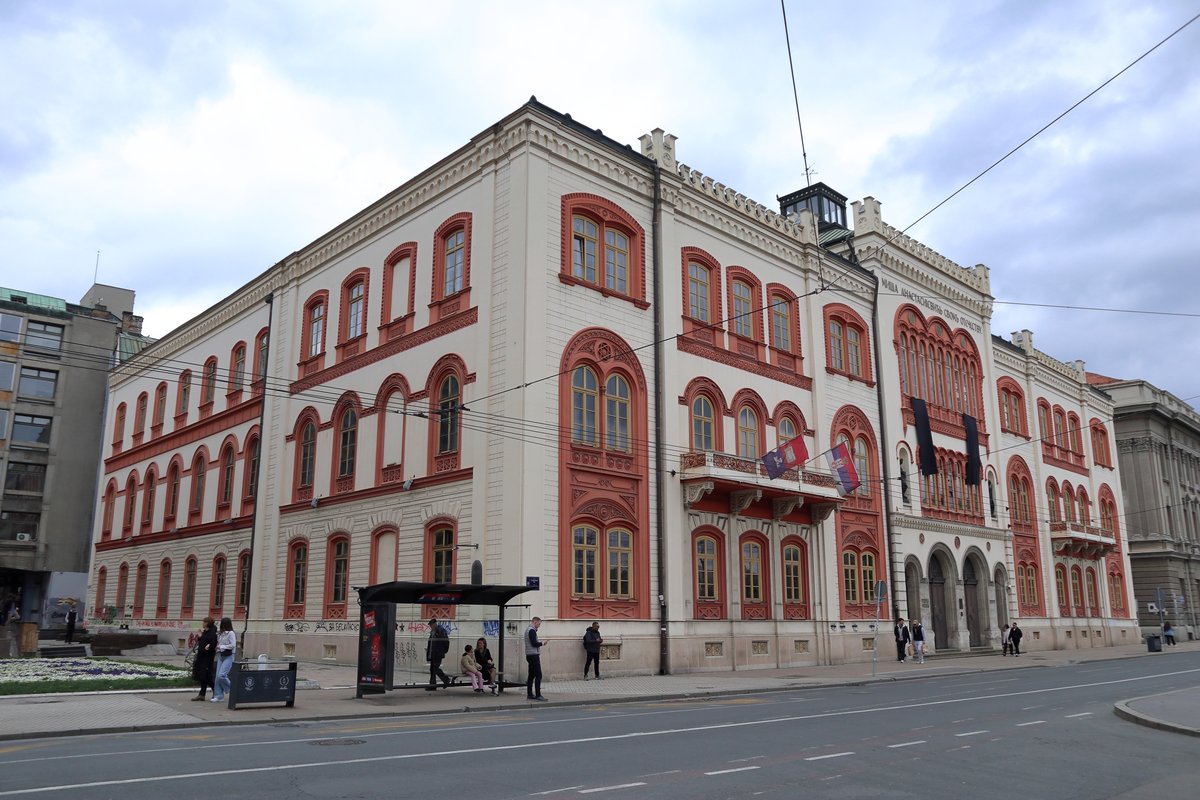
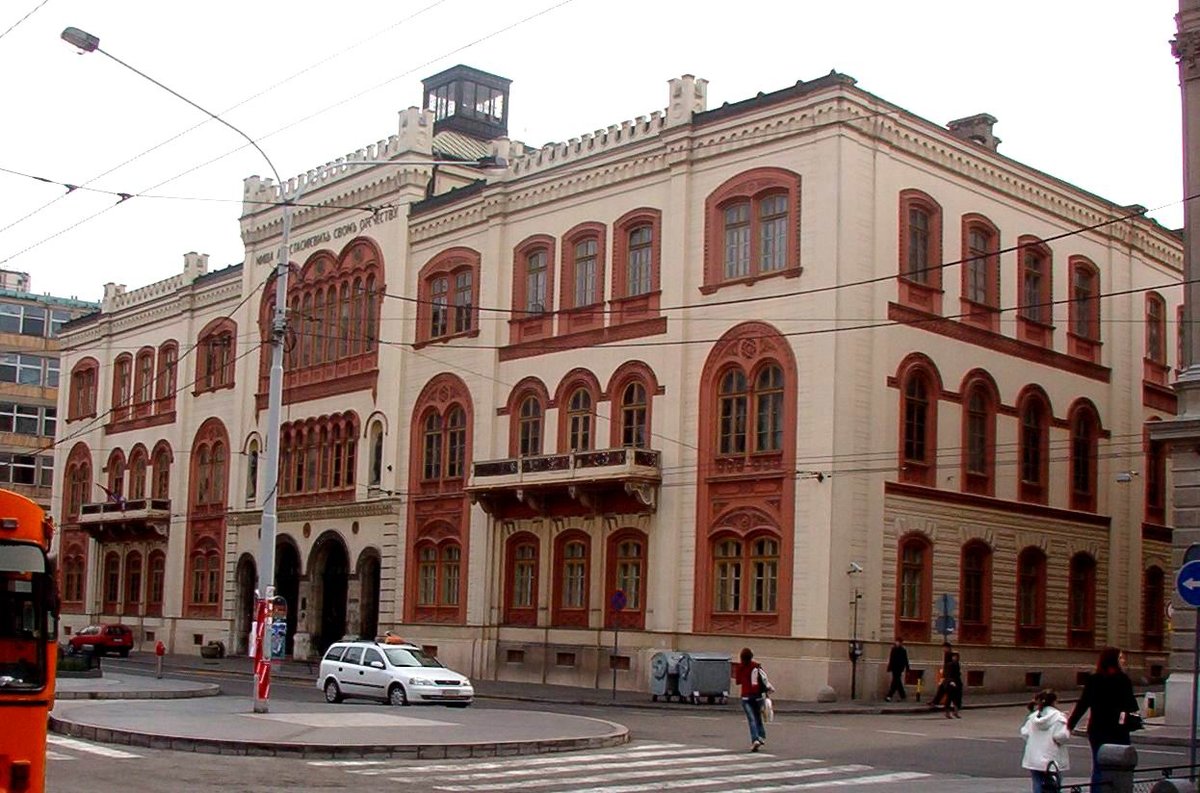
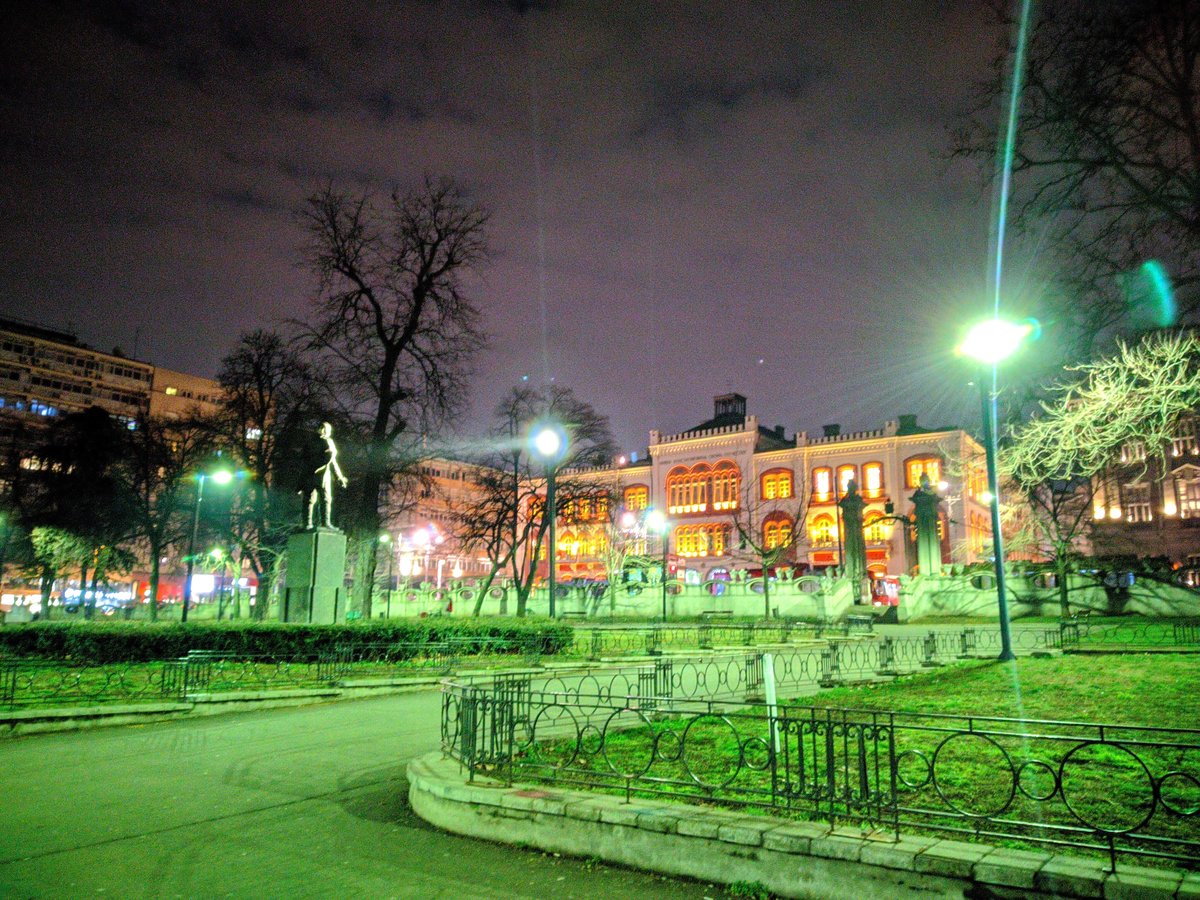
Captain Miša’s Mansion (Serbian: Капетан Мишино здање, Kapetan Mišino zdanje) is a celebrated historical and architectural landmark in the heart of Belgrade, Serbia. Built in the mid-19th century and designed by Czech architect Jan Nevole, this iconic building has served as a symbol of Serbian cultural evolution, educational progress, and national pride. Originally commissioned by Mihajlo "Miša" Anastasijević, a prominent Danube merchant, the mansion was intended as a royal residence but ultimately became a monument to philanthropy and learning. Today, it is the official seat of the University of Belgrade Rectorate and a must-visit site for those interested in Belgrade’s history, architecture, and academic heritage. (MIT Belgrade Guide; Dvorci Srbije; Serbia.com)

Historical Background
Origins and Patronage
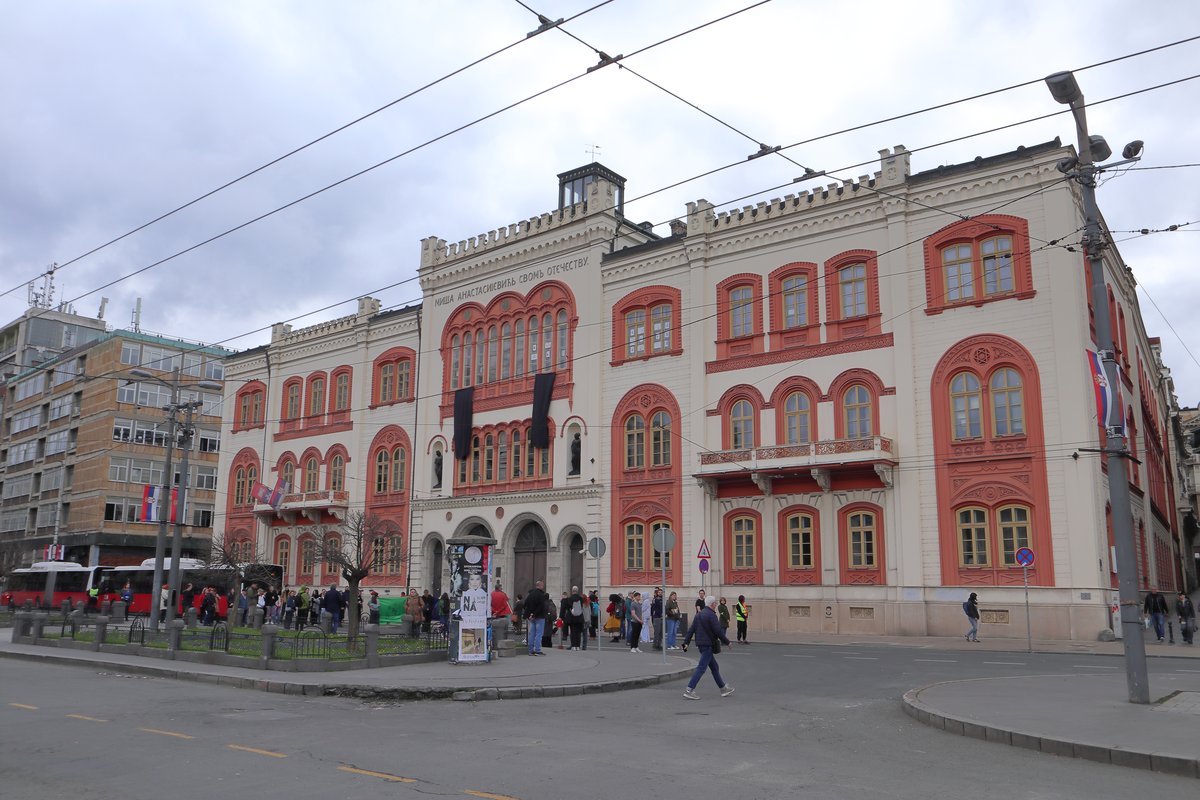
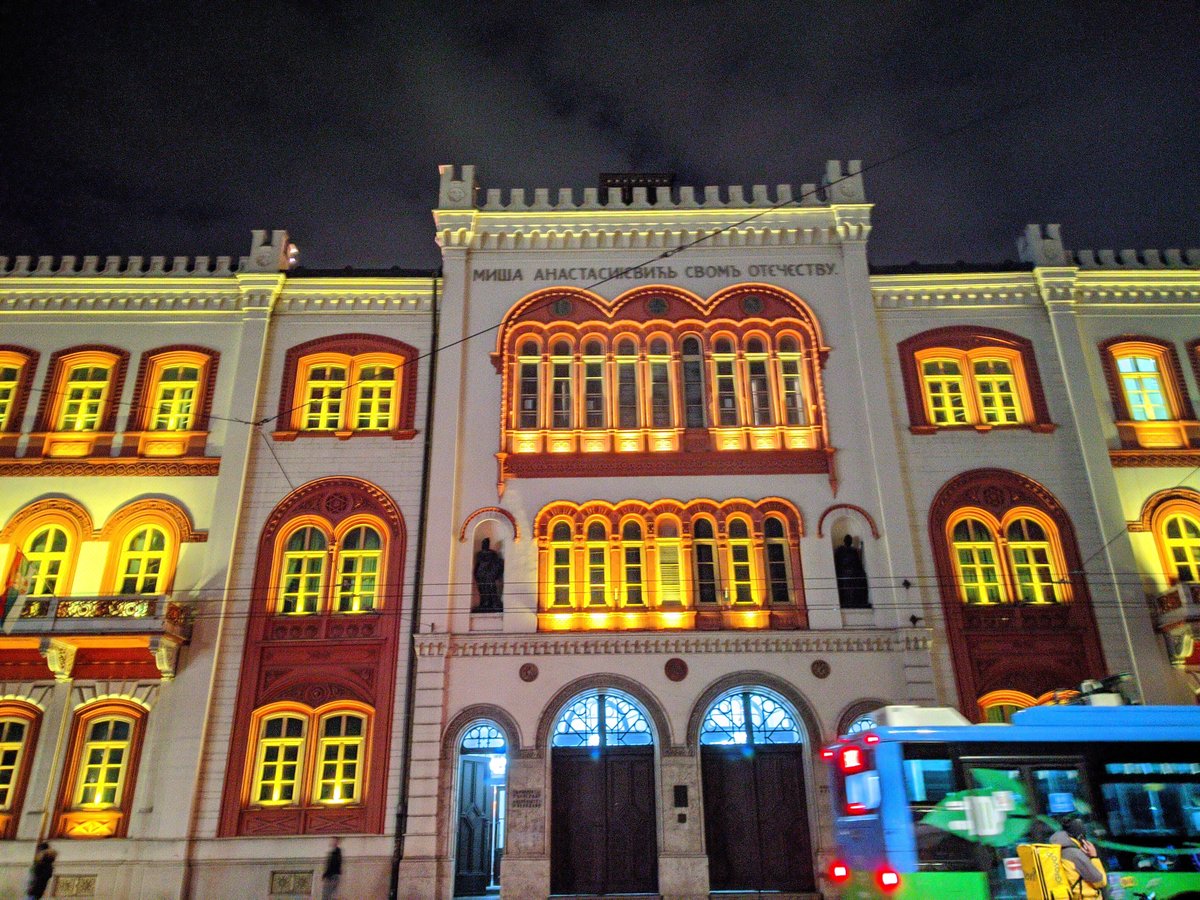
Captain Miša’s Mansion was commissioned by Mihajlo “Miša” Anastasijević, an influential 19th-century Serbian businessman known for his success in Danube river commerce. Anastasijević’s vision was to build a grand residence for his daughter and her husband, Prince George Karađorđević. However, political changes led him to donate the mansion to the Serbian nation for educational purposes, a philanthropic gesture memorialized with the inscription “Miša Anastasijević to his fatherland” on the building’s façade (Dvorci Srbije).
Architectural Vision and Influences
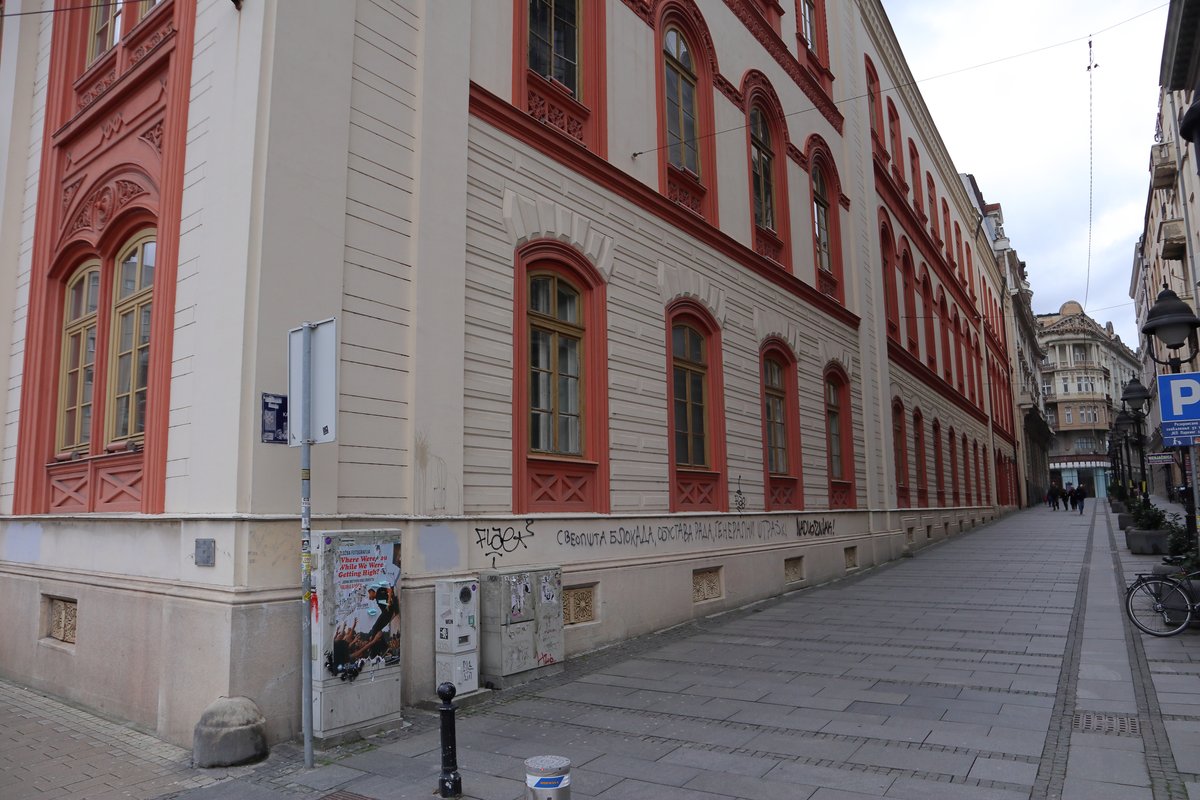
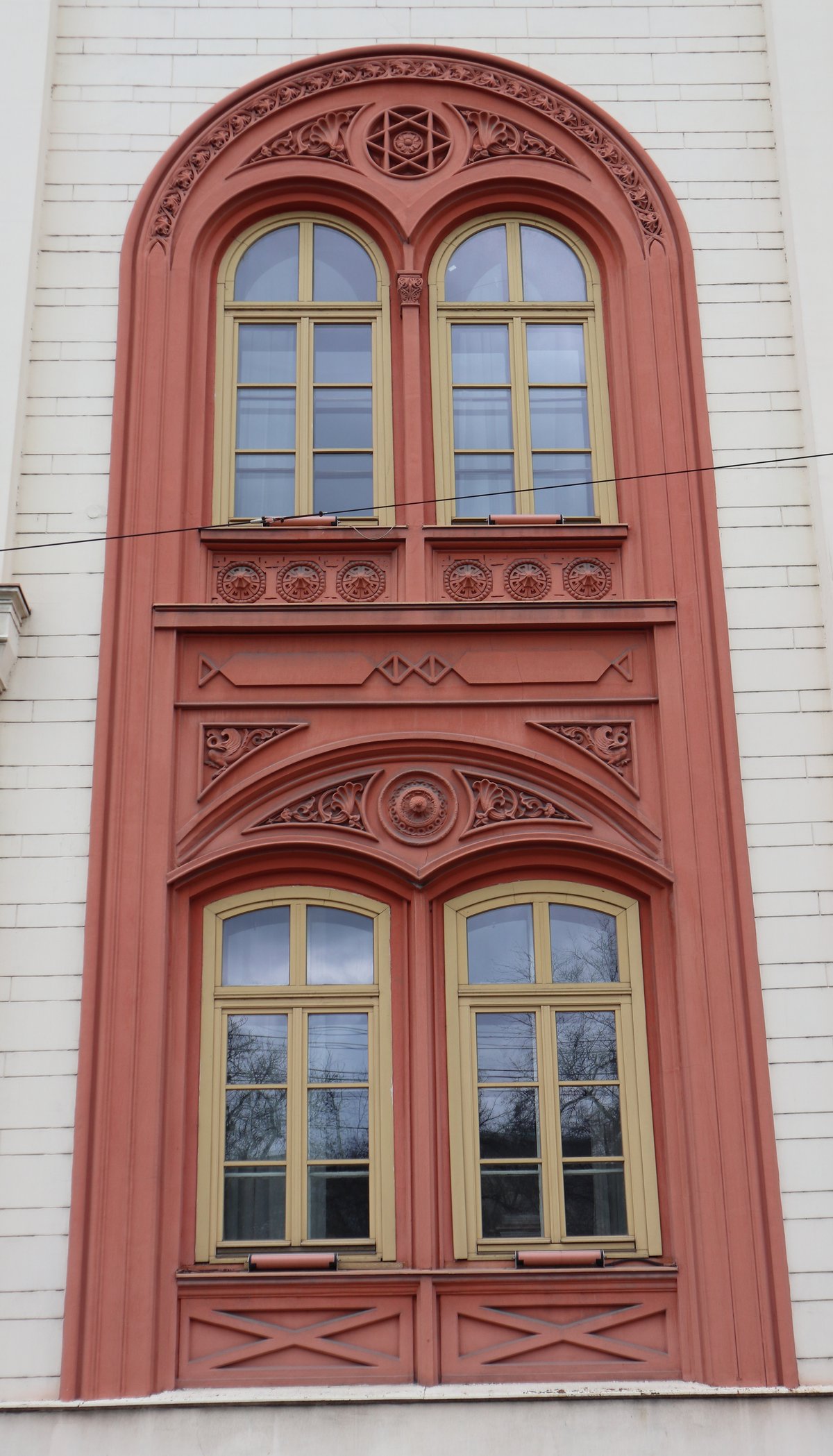
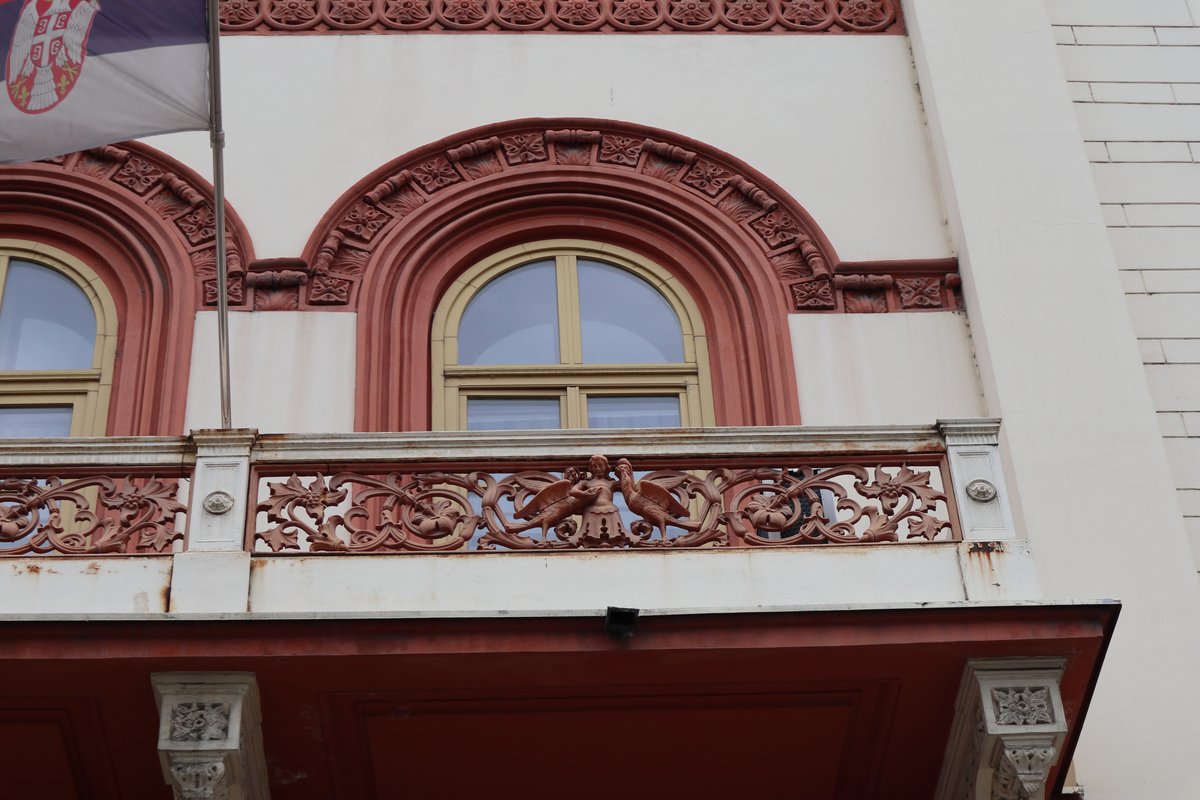
Architect Jan Nevole blended neoclassical, romantic, and Renaissance revival styles, integrating elements from Byzantine and Serbian motifs. The structure’s golden-yellow façade, terracotta window frames, and caryatids reflect Venetian influences, while its monumental scale earned it the nickname “Venetian Palace” (Serbia.com).
Role in Serbian Education
Since 1863, the mansion has hosted the Velika škola (Great School), which became the University of Belgrade. It remains the university’s central administrative building, symbolizing the enduring link between the site and Serbian intellectual life (MIT Belgrade Guide).
Transformations and Restorations
Throughout its history, the mansion has undergone several renovations, especially after suffering damage during the Serbian-Turkish War and World War I. Major restoration efforts between 1919 and 1921 and a façade renovation in 2013 have preserved its architectural integrity. The building was among the first in Serbia to receive legal protection as a cultural monument, with formal status established in 1946 (Dvorci Srbije).
Symbolism and Cultural Legacy
Beyond its architectural grandeur, the mansion embodies Serbia’s national aspirations and educational mission. Its decorative richness has inspired generations of Serbian architects, and it continues to host major academic and cultural events, reinforcing its legacy as a cornerstone of Serbian identity (Dvorci Srbije).
Architectural Context and Features
Neoclassical Elements and Romantic Influences
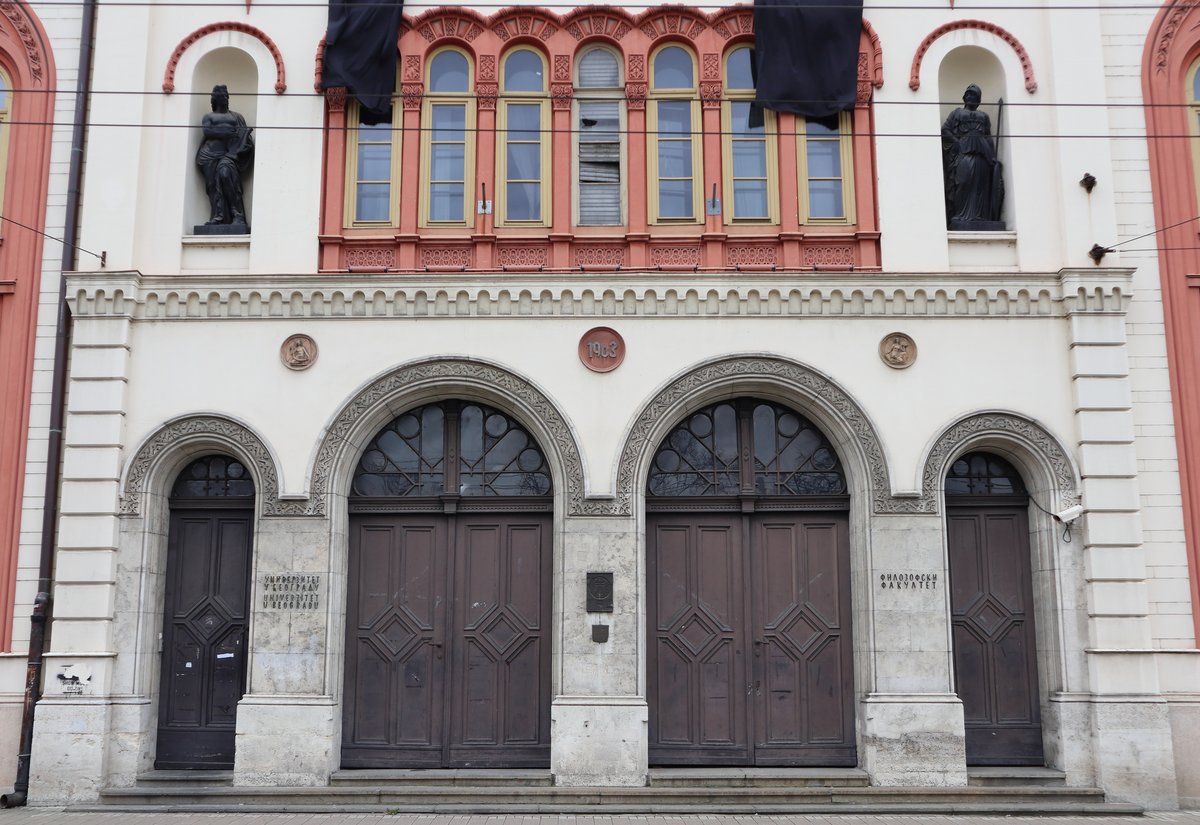
The building’s symmetrical façade, grand portico supported by Ionic columns, and triangular pediment are hallmarks of neoclassicism. Romantic touches include elaborate reliefs, arched windows, and ornate stonework, which blend harmoniously with Renaissance revival features (Serbia Travel; Cultural Heritage Protection Institute of Belgrade).
Exterior Design and Ornamentation
Key exterior features include:
- Sculptures of Apollo and Minerva, symbolizing art and education (Beotura)
- Medallions with angels and the Principality of Serbia’s coat of arms
- An observation tower, once the tallest in Belgrade, used for panoramic views and fire surveillance
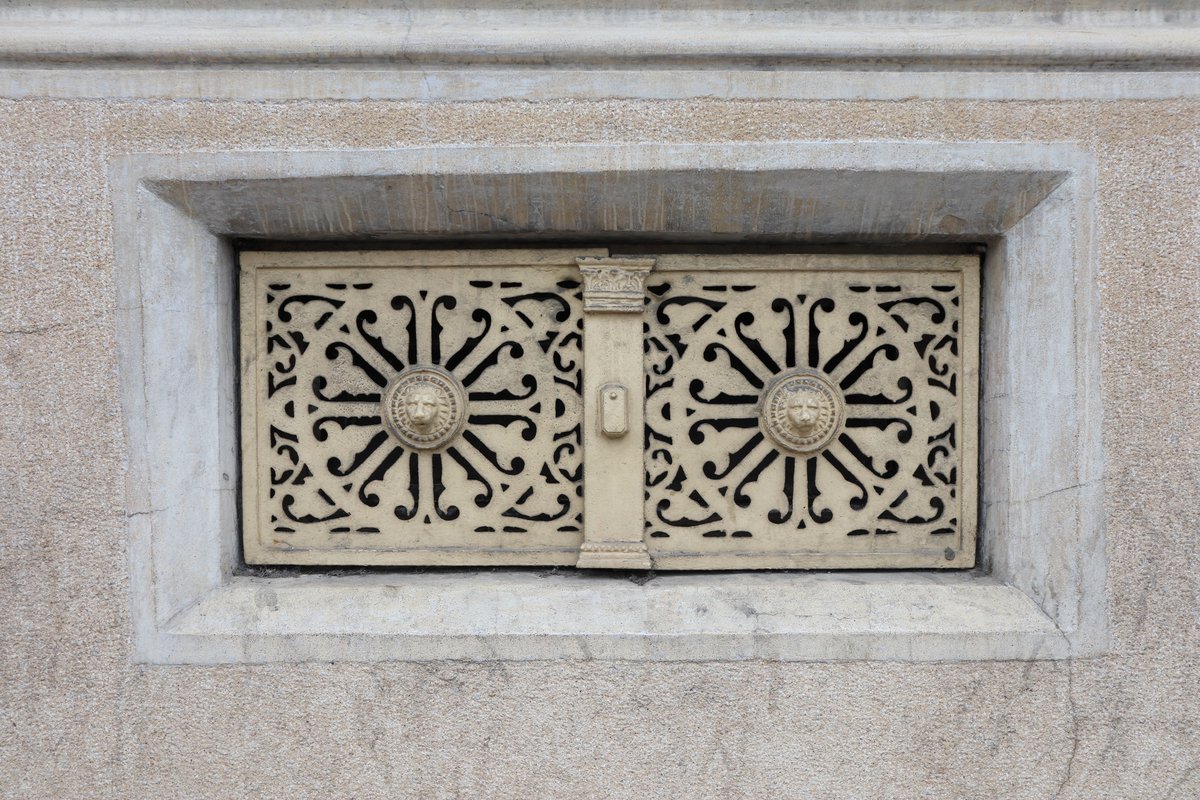
- Decorative moldings, caryatids, and mythological reliefs crafted by Italian and Czech artisans (Serbia.com)
Interior Layout and Decorative Schemes
Inside, the mansion features:
- Grand halls and ceremonial rooms with original parquet floors and marble fireplaces
- A central staircase with a wrought-iron balustrade and skylight
- Ornate stucco, gilded moldings, and frescoes
- Portraits of university rectors and paintings by Serbian artists in the ceremonial hall (Belgrade Heritage)
The building’s interiors have been adapted for university use while preserving these historic features.
Visiting Captain Miša’s Mansion
Visiting Hours
- Monday to Friday: 8:00 or 9:00 AM – 4:00 or 5:00 PM (depending on the season and university schedule)
- Saturday and Sunday: Closed (except during special events or tours)
- Public Holidays: Closed
Note: Hours may change during university breaks or special occasions. Always confirm with the University of Belgrade or tourist information centers before your visit.
Tickets and Admission
- Exterior viewing: Free, accessible at any time.
- Interior access: Usually limited to special events, guided tours, or academic ceremonies. Admission is typically free, but some tours or cultural programs may charge a nominal fee.
Guided Tours
Guided tours can be arranged in advance via the University of Belgrade or through local tour operators. Tours provide historical context, highlight architectural features, and are available in multiple languages (Tourist Organization of Belgrade).
Accessibility
- The surrounding area is flat and pedestrian-friendly.
- Some interior areas are accessible by ramp or elevator, though full accessibility may be limited due to the building’s historic nature.
- Visitors with mobility needs should contact the administration ahead to arrange accommodations.
Getting There
- Address: Studentski trg 1, Stari Grad (Dorćol), Belgrade
- Public Transport: Several tram and bus lines serve Studentski trg; the area is also easily reached on foot from Knez Mihailova Street and Republic Square.
- Taxi and Parking: Taxis are readily available; limited street parking nearby.
Visit Tips
- Arrive early or late in the day to avoid crowds.
- Photography is allowed for the exterior and, in most cases, for interiors during tours (no flash or tripods).
- Combine your visit with nearby attractions for a full day of Belgrade sightseeing.
Preservation and Restoration Efforts
Captain Miša’s Mansion has been legally protected since 1946 and was declared a Monument of Culture of Exceptional Importance in 1979. Restoration projects use authentic materials and traditional techniques to maintain its historic integrity. The university and Serbian cultural authorities oversee ongoing preservation (UNIFood Conference; Wikipedia).
Nearby Attractions
- Knez Mihailova Street: Main pedestrian zone with shops, cafes, and historic buildings.
- National Museum of Serbia: The country’s oldest and largest museum.
- University Park: A green space perfect for relaxation.
- Kalemegdan Fortress: Historic citadel with panoramic views.
- Cvijeta Zuzorić Art Pavilion: Venue for art exhibitions.
- Museum of Vuk and Dositej: Dedicated to Serbian cultural figures.
- Bajrakli Mosque: An Ottoman-era mosque nearby.
Visuals and Media


For virtual tours and further images, visit the University of Belgrade official page.
Frequently Asked Questions (FAQ)
Q: What are the visiting hours of Captain Miša’s Mansion?
A: Monday to Friday, 8:00 or 9:00 AM to 4:00 or 5:00 PM. Closed on weekends and public holidays.
Q: Is there an admission fee?
A: Exterior viewing is free; interior access is generally free but may require prior arrangement or a nominal tour fee.
Q: Are guided tours available?
A: Yes, guided tours can be arranged through the university or local operators. Booking in advance is recommended.
Q: Is the mansion accessible for people with disabilities?
A: The area is accessible, but some interior spaces may pose challenges due to the historic layout.
Q: What are some nearby attractions?
A: Knez Mihailova Street, National Museum, University Park, Kalemegdan Fortress, and more are within walking distance.
Q: Can I attend events or ceremonies inside the mansion?
A: Events are usually by invitation or arranged as part of university or cultural programs.
Listen to the full story in the app
The whole Captain Miša'S Mansion,
told well.
Audio guides for 1,100+ cities across 96 countries. History, stories, and local insight — offline ready.
Verified, and shown.
Researched and written by the Audiala editorial team from historical records, architectural archives, and local expertise.
Researched from Wikidata, Wikipedia & official sources · fact-checked · How we make our guides →