Sicap-Liberté at a glance
Sicap-Liberté is a neighborhood on Dakar’s Cap-Vert Peninsula, part of the city’s post-independence urban expansion. Its planned grid, mid-20th-century modernist architecture, lively markets, and community life offer a view of Dakar’s growth and cultural heritage. The six “Liberté” sectors reflect different facets of the city’s history (Travel Advice Dakar).
The neighborhood is open to visitors year-round and has no entry fee. Markets, shops, and community spaces are most active during the day, while religious and cultural landmarks, street life, and local food offer ways to explore the area. Sicap-Liberté is also known for “teranga,” Senegal’s tradition of hospitality, and for community events held throughout the year (WeWillNomad Senegal Guide).
History and cultural significance
SICAP developed the neighborhood’s grid plan and modernist apartment buildings during the 1950s–1970s, reflecting Dakar’s post-independence urban ambitions. The orderly layout and six Liberté sectors form a living record of the city’s mid-century growth.
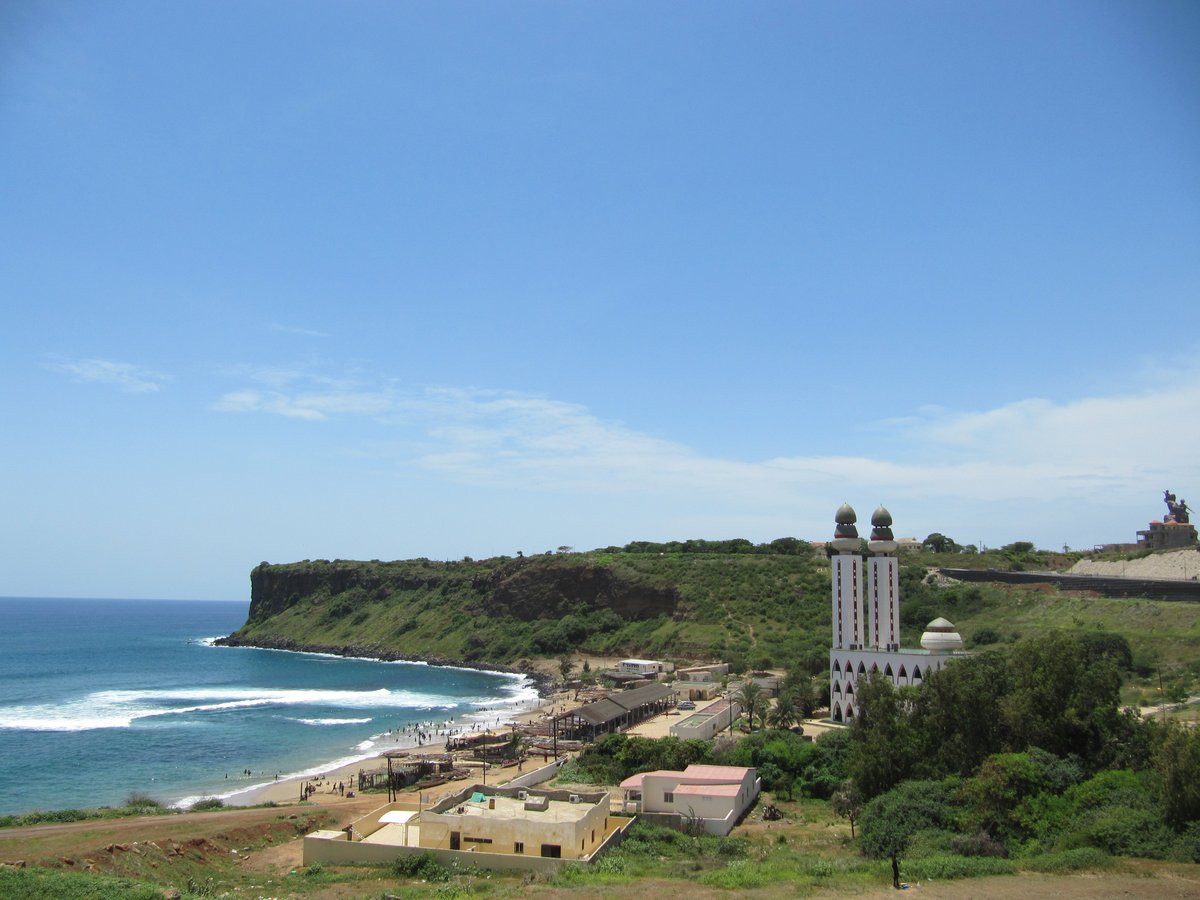
The Grand Mosque of Liberté 6 is a post-independence landmark combining traditional Islamic motifs with modernist design. It serves as a religious center for the Mouride and Tijaniyya Sufi communities, as well as a place for religious education, community gatherings, and festivals. It is especially active during Tabaski and Korité (Official Dakar Tourism Board).
Sicap-Liberté also has a thriving artistic community. Former recording studios that once hosted Senegalese music icons are now apartments, and the neighborhood has workshops, public performances, and community events.
What to see and do
Grand Mosque of Liberté 6
The Grand Mosque is a spiritual and architectural landmark in Liberté 6. Visitors can learn about its blend of traditional Islamic and modernist design and its role in local religious and community life.
- Hours Daily, 8:00 AM–6:00 PM. Non-Muslim visitors are welcome outside prayer times, ideally between 9:00 AM and 5:00 PM.
- Entry Free. Modest dress and shoe removal are required; women may be asked to cover their heads.
- Tours Guided tours are available by appointment. Contact the mosque’s office or local tourism offices in advance.
- Photography Allowed only with prior permission from mosque authorities.
- Getting there The mosque is accessible by public buses, car rapides, taxis, or ride-hailing apps. Parking is limited, so public transport or walking is recommended.
Visitors can observe major religious holidays from designated areas. Ask permission before taking photographs and avoid entering during prayer times unless participating. Basic French or Wolof greetings are appreciated.
Official resources:
Markets and street life
Markets are generally open daily from early morning to late afternoon, with the busiest hours between 8:00 AM and 2:00 PM. They sell fresh produce, textiles, crafts, and local food. Marché Liberté 6 is a busy market for local crafts and cuisine; Dieuppeul-Derklé Market is also within easy reach.
Street stalls and local cafes serve Senegalese dishes and snacks, including thiéboudienne (also written thieboudienne), yassa poulet, maafe, grilled brochettes, sweet beignets, bissap, and attaya. Many eateries have open-air seating and live music.
Parks, sports, and community spaces
Parc Liberté and communal gardens are gathering places for recreation and holiday events, especially during Tabaski. Football is popular, with informal games in parks and access to major stadiums.
Stade Demba Diop, in Liberté 1, hosts sports and community events. Check for matches or cultural happenings during your stay. Local listings can also provide information about matches at Marius Ndiaye or Léopold Sédar Senghor Stadium.
Annual religious and cultural festivals, workshops, public performances, and youth programs are part of neighborhood life. Local boards may list events.
Architecture, art, and education
Walking through the six Liberté sectors reveals their grid-like streets and modernist buildings. Local guides offer walking tours. Colorful markets, street art, and community events also provide photographic opportunities; ask permission before photographing people or sacred sites.
The Institut des Métiers de l’Environnement et de la Métrologie (IMEM) occasionally opens its doors for public exhibitions. The neighborhood also has notable mosques and churches reflecting its religious diversity.
Shopping and accommodation
Artisan workshops offer woven baskets, batik textiles, and leather goods. Accommodation ranges from budget guesthouses to boutique hotels and unique apartments; most provide Wi-Fi and air conditioning. Listings are available through major booking platforms.
Practical visiting information
Hours, entry, and tours
Sicap-Liberté is freely accessible, with visitors welcome year-round. The neighborhood’s most vibrant hours are between 9:00 AM and 6:00 PM, when markets, shops, and community centers are active. Evening visits are possible, but daytime is recommended for safety and a fuller experience.
Markets are free to enter and generally open from early morning to late afternoon. Museums and monuments are generally open from 9:00 AM to 6:00 PM, with tickets costing 1,000–3,000 XOF. Guided tours are available through local guides, tourism offices, and agencies; advance booking is recommended. Although there are no official tours exclusive to Sicap-Liberté, local guides and Dakar tour operators often include the neighborhood in their itineraries.
Location, transportation, and accessibility
Sicap-Liberté is in western Dakar, bordered by Mermoz, Sacré-Cœur, and Plateau. Major roads include Route du Front de Terre and Boulevard Dial Diop.
- Taxis Widely available and convenient. Fares are negotiable: approximately 1,500–3,000 XOF within the district and 8,000–15,000 XOF from the airport.
- Public transport Buses, minibuses, car rapides, and the BRT are available; services are affordable but can be crowded.
- Ride-hailing Yango and Gozem operate in the area.
- Walking Useful for local exploration, especially in Liberté sectors 1–3. Most streets are paved and pedestrian-friendly.
- Parking Limited near the Grand Mosque of Liberté 6.
Main streets are generally accessible, but some residential areas, markets, and older buildings may pose challenges for people with mobility impairments. The area is working to improve inclusivity; local tourism offices can provide assistance.
Accommodation
Indicative prices per night are:
- Budget 10,000–20,000 XOF
- Mid-range 30,000–60,000 XOF
- Luxury Options are in Plateau and Almadies.
Book in advance, especially during the dry season (wewillnomad.com).
Safety, health, and seasons
Community policing is present. Avoid displaying flashy valuables, keep belongings secure in crowds, and take standard urban precautions, particularly at night. The area is generally considered safe, but usual precautions are advised.
Drink bottled water. Pharmacies and clinics are accessible, and travel insurance is recommended (wewillnomad.com).
- Dry season (November–May) Pleasant and considered ideal for tourism.
- Rainy season (June–October) Humid, with heavy showers, especially in August and September (travel-advice.net).
Currency, payments, and communication
The currency is the West African CFA franc (XOF). In July 2025, 1 USD was approximately 600 XOF. Cash is preferred for small purchases, while larger venues may accept credit cards.
Sample costs:
- Street food: 1,000–2,500 XOF
- Restaurant meal: 4,000–10,000 XOF
- Taxi within the district: 1,500–3,000 XOF
French is the official language and is widely spoken. Wolof is common; English is limited but understood in tourist settings. Orange, Free, and Expresso SIM cards are available with ID registration. Wi-Fi is common.
Other practical details
- Electricity: 230V, 50Hz; European plugs C, D, E, and K.
- Police: 17
- Fire Brigade: 18
- Medical: 15
For real estate registration, contact SICAP SA through sicap.sn, submit identification, pay a 100,000 XOF fee, and keep the receipt. Instructions are available in the SICAP SA registration PDF.
Visitor tips
- Dress modestly, especially at religious sites. At the Grand Mosque, remove shoes and follow any request to cover your head.
- Greet people with “Bonjour” or “As-salaam alaikum”; basic French or Wolof is helpful.
- Ask permission before photographing people, the mosque, or other sacred sites.
- Carry cash in small denominations for transport and purchases, and negotiate taxi fares in advance.
- Use sun protection, stay hydrated, and consider lightweight clothing and swimwear.
- Keep valuables secure in crowds and use standard safety precautions.
- Engage respectfully with residents to learn more about the neighborhood and its history.
Nearby places
- Marché Liberté 6 Local crafts and cuisine.
- Dieuppeul-Derklé Market A nearby market.
- Mermoz-Sacré-Cœur Known for cafes and cultural sites.
- Corniche coastline Offers ocean views and opportunities for scenic strolls.
- IFAN Museum of African Arts and the African Renaissance Monument Both are described as a short distance from the Grand Mosque and among the area’s nearby attractions.
- Soumbédioune craft village A place to visit for artisan goods.
FAQ
Is there an entry fee for Sicap-Liberté?
No. The neighborhood is freely accessible.
When is the best time to visit Sicap-Liberté?
Daytime, especially between 9:00 AM and 6:00 PM. Markets are busiest between 8:00 AM and 2:00 PM.
What are the Grand Mosque of Liberté 6’s visiting hours?
It is open daily from 8:00 AM to 6:00 PM. Non-Muslims are welcome outside prayer times, ideally from 9:00 AM to 5:00 PM.
Can non-Muslims enter the Grand Mosque?
Yes, outside prayer times and in accordance with the dress code.
Are there entrance fees for the mosque?
No, entry is free.
Are guided tours available?
Yes. Local guides, tourism offices, and tour operators offer tours; mosque tours are available by appointment. Advance booking is recommended.
Can visitors observe religious festivals?
Yes, respectfully and from designated areas. Major Islamic and Christian holidays take place on dates that vary annually.
Is photography permitted inside the mosque?
Only with permission from mosque authorities.
Is Sicap-Liberté safe?
It is generally considered safe, but standard urban precautions are advised. Avoid displaying valuables and be cautious at night.
Is the neighborhood accessible for visitors with mobility impairments?
Main streets are generally accessible, but some residential areas, markets, and older buildings may be challenging. Efforts to improve accessibility are ongoing.
What local foods should I try?
Thiéboudienne, yassa poulet, maafe, grilled brochettes, sweet beignets, bissap, and attaya.
Are walking tours available?
Yes. Local guides and tourism offices can arrange them.