Plan and listen to Ngor with Audiala.
Audio guide in your pocket, itinerary in your browser. Built for the way you actually visit.
Introduction to Ngor, Dakar, Senegal: History and Cultural Significance
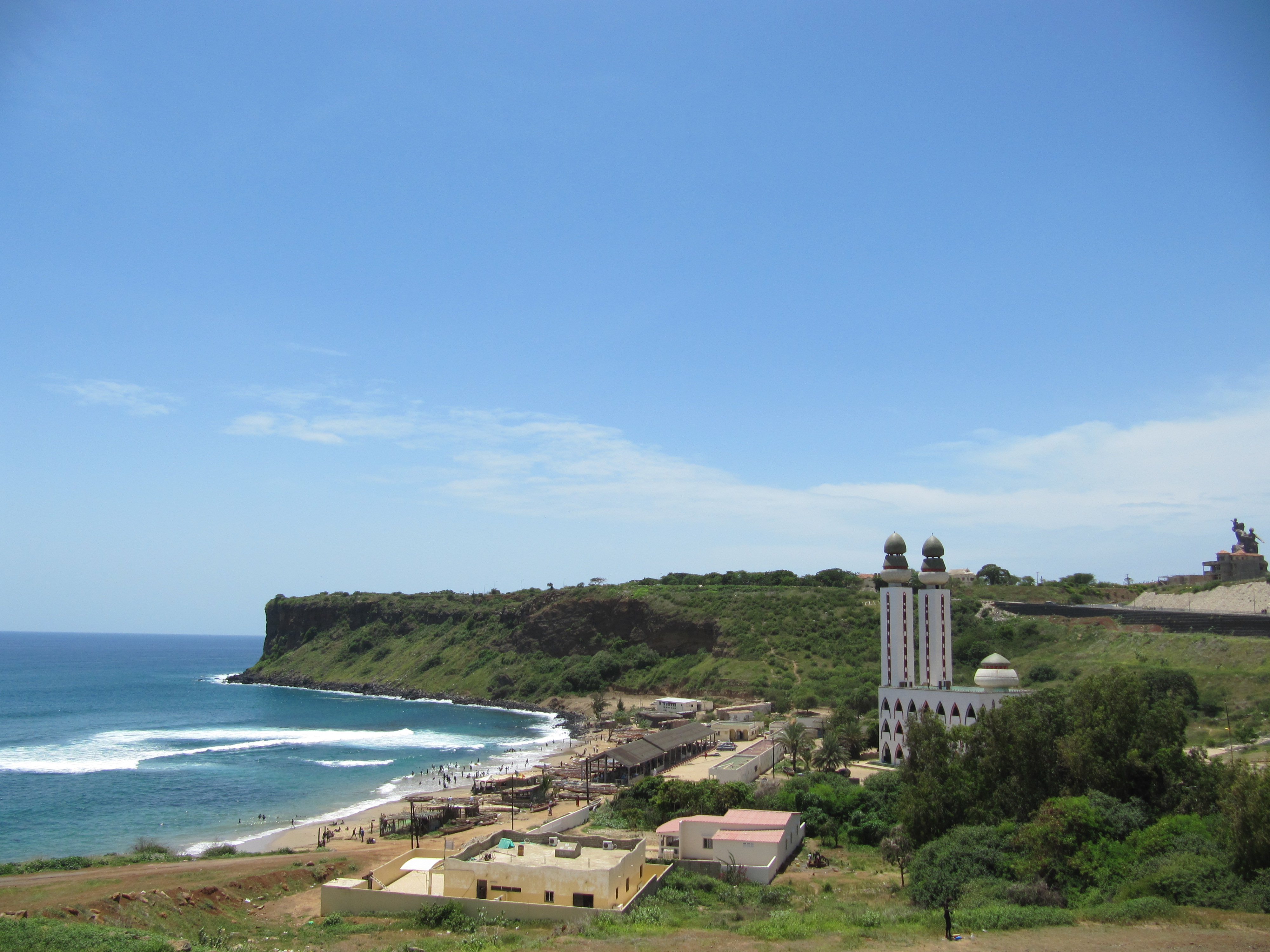
At the westernmost tip of Africa lies Ngor, a captivating neighborhood in Dakar, Senegal, famous for its vibrant Lebou culture, rich maritime heritage, and beautiful coastline. Encompassing Ngor Village on the Cap-Vert Peninsula and the nearby car-free Ngor Island (Île de Ngor), this area invites visitors to experience centuries-old traditions, distinctive colonial architecture, and a welcoming community spirit. Ngor’s history dates back to the 15th century as one of Dakar’s original Lebou fishing villages, maintaining communal leadership and cultural practices such as the “Ndèye Ji” (Mother of the Sea) and festivities like the “Kankurang” masquerade (Wikipedia; travelwithclem.com).
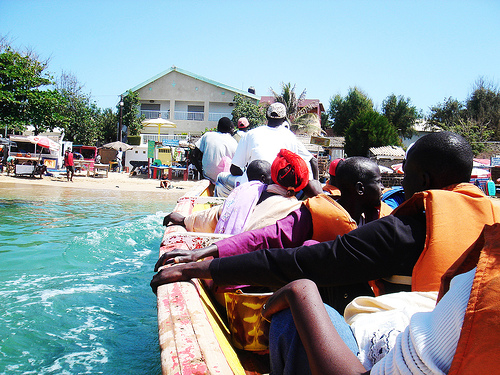
Ngor Island, just 400 meters offshore, is renowned for its sandy beaches, exceptional surf breaks (made famous in the surf documentary “Endless Summer”), and laid-back, solar-powered ambiance (Lonely Planet). The island, accessible by frequent boat rides from Ngor Beach, offers a peaceful escape with opportunities for surfing, snorkeling, artisanal shopping, and savoring Senegalese cuisine such as Thiéboudienne and Yassa (overyourplace.com).
This guide provides an in-depth overview of Ngor’s historical background, cultural traditions, visitor logistics, and insider travel tips—ensuring a seamless and memorable journey to one of Dakar’s most treasured coastal gems (Culture Activities; clairesfootsteps.com).
Historical Background and Cultural Significance
Origins and Evolution
Ngor is one of Dakar’s foundational Lebou villages, established by migrants from the Walo, Cayor, Jolof, and Baol regions around the 15th century. The Lebou people built livelihoods around fishing and millet cultivation, shaping community governance and social structures that persist today (Wikipedia). The village’s leadership, including the “Ndèye Ji” and a council of elders, continues to oversee local affairs.
Colonial Influence
While Ngor remained a traditional fishing village during European colonization, French administrative and architectural influences left a mark, especially as Dakar urbanized (theworldcountries.com; travelwithclem.com). The area has successfully blended its historical roots with modern developments.
Cultural Life
Festivals such as the “Kankurang” masquerade and fishing rituals are central to community life (overyourplace.com). Music, especially Sabar drumming and mbalax, and local crafts including textiles and wood carvings, are part of Ngor’s vibrant artistic heritage (adventurebackpack.com). The Lebou value of “teranga” (hospitality) shapes warm interactions with visitors.
Ngor Island’s Role
Originally used for agriculture and seasonal fishing, Ngor Island now welcomes visitors with its tranquil, solar-powered environment, offering authentic Lebou hospitality (travelwithclem.com).
Visitor Information
Visiting Hours and Tickets
- Ngor Village and Island: Open daily, typically from sunrise to sunset.
- Entrance Fees: No general fees; boat fare (usually 500–3,000 CFA, $0.80–$4.80 USD) is paid at Ngor Beach for the island crossing.
- Cultural Events: Some may require tickets, available locally.
Getting There
- To Ngor Village: Accessible by taxi or public transport from central Dakar.
- To Ngor Island: 5–15 minute boat ride from Ngor Beach, with frequent departures during daylight hours.
Accessibility
- Village: Walkable but features narrow alleys and uneven terrain.
- Island: Car-free; terrain may be challenging for those with mobility impairments.
Guided Tours
Local guides offer tours focusing on history, culture, fishing, and surfing (travel-buddies.com).
Best Time to Visit
- Dry Season (Nov–May): Ideal for outdoor activities and festivals.
- Wet Season (Jun–Oct): Less crowded, warmer, and more humid (travel-buddies.com; theblogofdimi.com).
Historical Landmarks and Sites of Interest
- Westernmost Point of Africa: Ngor is the westernmost point on the African continent (Wikipedia).
- Colonial-Era Architecture: Explore colorful houses and French-style street signs (travelwithclem.com).
- Surfing Legacy: Home to legendary surf breaks, made famous by “Endless Summer” (Lonely Planet).
Social Structure and Modern Developments
Ngor’s population (17,383 in 2013) reflects urban integration, yet the Lebou leadership and traditions remain strong. The community is known for its environmental initiatives, including solar energy on Ngor Island (travelwithclem.com). Football is a major pastime, with Olympique de Ngor representing local pride.
Cultural Etiquette and Visitor Engagement
- Greetings: A handshake and smile are customary.
- Dress: Modest attire is recommended, especially in religious or communal spaces.
- Participation: Join in festivals, dine with families, and support artisans for a richer experience (overyourplace.com).
Frequently Asked Questions (FAQ)
Q: What are the visiting hours for Ngor Village and Island?
A: Open daily from dawn to dusk; boats operate until late afternoon.
Q: Are there entrance fees?
A: No, except for boat fares and select events.
Q: How do I get to Ngor Island?
A: Take a short boat ride from Ngor Beach.
Q: Is Ngor accessible for people with disabilities?
A: Accessibility is limited on both the boat and the island terrain.
Q: Are guided tours available?
A: Yes, covering history, culture, fishing, and surfing.
Getting to Ngor: Transport and Arrival
- Taxis/Ride-Hailing: Fastest and most convenient from central Dakar (igoa-adventure.com).
- Public Transport: Available, but private options are more reliable for travelers.
- Private Transfers: Offered by select hotels/tour operators (veronikasadventure.com).
Boat Crossing:
- Duration: 5–15 minutes; frequent departures.
- Fare: 500–3,000 CFA (cash only).
- Life jackets provided (theblogofdimi.com).
Visiting Hours and Tickets
- Island Access: 7:00 AM–6:00 PM via boat; no entrance fee.
- Tickets: Boat fare only, paid at Ngor Beach.
Best Time to Visit
- Dry Season (Nov–May): Pleasant temperatures, calm seas (wildjunket.com).
- Rainy Season (Jun–Sep): Humid, possible storms, but still accessible.
Top Activities and Attractions
- Pristine Beaches: Sunbathing, swimming, and family-friendly relaxation.
- Surfing: Renowned breaks, surf schools, and equipment rental (Nomadic Samuel).
- Snorkeling & Diving: Clear waters and vibrant marine life.
- Artisan Markets: Purchase crafts and art from local creators.
- Dining: Enjoy fresh seafood and Senegalese classics at beachfront eateries.
- Cultural Tours: Learn about Lebou traditions and history with local guides.
Facilities and Practical Tips
- Amenities: Guesthouses, restaurants, and public restrooms near main beaches (clairesfootsteps.com).
- Connectivity: Wi-Fi limited; mobile coverage generally good.
- Cash: Preferred for most transactions.
Safety and Health
- General Safety: Area is safe; monitor valuables and follow beach safety guidelines.
- Health: Drink bottled/filtered water; use mosquito repellent (wildjunket.com).
Accessibility
- Mobility: Limited for wheelchairs; strollers possible.
- Service Animals: Allowed on ferries and tours (veronikasadventure.com).
Environmental Tips
- Reduce plastic use, respect wildlife, and support local businesses.
Money & Practicalities
- Currency: CFA franc (XOF); 1 USD ≈ 600 XOF (igoa-adventure.com).
- ATMs: Available in Dakar, not on the island.
- Mobile Money: Wave and Orange Money widely used.
Emergency Contacts
- Police: 17
- Medical: 15
Summary of Key Visitor Information and Recommendations
Ngor and Ngor Island are essential stops in Dakar for anyone seeking a blend of tradition, natural splendor, and authentic Senegalese culture. The area offers easy access, affordable boat rides, and a wealth of activities—from surfing and snorkeling to artisan shopping and local cuisine. The best time to visit is during the dry season (November–May). Engage respectfully with locals, support the community by buying crafts and dining at family-run spots, and combine your trip with visits to other Dakar highlights like Gorée Island and the African Renaissance Monument (gatesfly.com; travelwithclem.com).
For the latest updates and travel tips, download the Audiala app and consult official tourism resources. With its enduring traditions, stunning scenery, and welcoming atmosphere, Ngor promises an unforgettable experience on Senegal’s Atlantic coast (wildjunket.com; Nomadic Samuel).
Listen to the full story in the app
The whole Ngor,
told well.
Audio guides for 1,100+ cities across 96 countries. History, stories, and local insight — offline ready.

Verified, and shown.
Researched and written by the Audiala editorial team from historical records, architectural archives, and local expertise.
Last reviewed
Researched from Wikidata, Wikipedia & official sources · fact-checked · How we make our guides →