Historical Background and Significance
From Colonial Roots to Cultural Beacon
IFAN began as the Institut Fondamental d’Afrique Noire in 1936, designed to advance research and safeguard the rich traditions of French West Africa. Post-independence in 1960, IFAN became part of Cheikh Anta Diop University (UCAD), transitioning from a colonial research body to a celebrated hub of Senegalese culture and academic life. Renamed Musée Théodore Monod d’Art Africain in 2007 to honor naturalist Théodore André Monod, the museum now symbolizes African identity, resilience, and artistic achievement (Adanse).
Collections and Exhibitions
Permanent Collections
The museum houses over 10,000 objects reflecting the traditions of more than 20 African countries, especially West Africa. The galleries are organized thematically and by region, offering a deep dive into the continent’s artistic and ethnographic legacy.
Highlights:
- Sculptures & Masks Ritual masks and carved figures from Senoufo, Dogon, Bambara, Sonrai, and Gouin societies.
- Textiles & Costumes Traditional woven fabrics, embroidered garments, and tapestries.
- Musical Instruments Koras, balafons, drums, and more, illustrating the pivotal role of music.
- Weapons & Tools Spears, shields, and historic implements.
- Jewelry & Pottery Ornate beadwork and handcrafted ceramics.
Each item is accompanied by bilingual labels (French and English), enhancing educational value (Secret Attractions).
Temporary Exhibitions
The museum’s rotating displays highlight fresh perspectives and promote return visits. Recent themes have included:
- Ancient West African empires
- Textile evolution and fashion
- Urban life through photography
- Diaspora connections and global Black cultures
These exhibitions are often paired with lectures, workshops, and artist talks (Adanse).
Contemporary Art Initiatives
IFAN increasingly features contemporary African art—painting, sculpture, mixed-media, and performance—spotlighting both established and emerging talents. Partnerships with events like Dak’Art foster international dialogue and showcase the dynamic evolution of African creativity (Adanse).
Visiting Information
IFAN Museum Visiting Hours
- Days Tuesday to Sunday
- Time 9:00 AM – 5:00 PM (some sources note closing at 6:00 PM; verify ahead)
- Closed Mondays and public holidays
- Tip Mornings on weekdays are less crowded for a more peaceful experience.
Ticket Prices & Booking
- Adults 1,000–5,000 CFA francs (approx. $2–$8 USD, confirm current rate)
- Discounts Students, children, and groups often benefit from reduced rates.
- Purchase Tickets available at the entrance; special exhibitions may offer online sales.
- Contact IFAN official site, UrTrips
Accessibility
The museum is committed to accommodating visitors with mobility needs:
- Main galleries are wheelchair accessible; some older sections may have steps or uneven floors.
- Accessible restrooms are available.
- For specific arrangements, contact the museum in advance.
Guided Tours & Educational Programs
- Languages French and English (advance booking recommended for English)
- Content Thematic tours, student workshops, and family-friendly activities.
- Booking Arrange via the museum’s website or by phone.
Visitor Facilities
- Restrooms and a gift shop (books, crafts, postcards)
- Air-conditioned galleries
- Outdoor courtyard and gardens for reflection
Photography Policy
- Non-flash photography is generally allowed.
- Flash and tripods are prohibited to protect sensitive artworks.
- Always confirm with staff before taking photos.
Location and Nearby Attractions
Address: Place Soweto, Dakar Plateau, adjacent to Cheikh Anta Diop University
Getting There: Easily accessible by taxi, local bus, and is within walking distance from the Plateau district. Limited parking available.
Nearby Historical Sites:
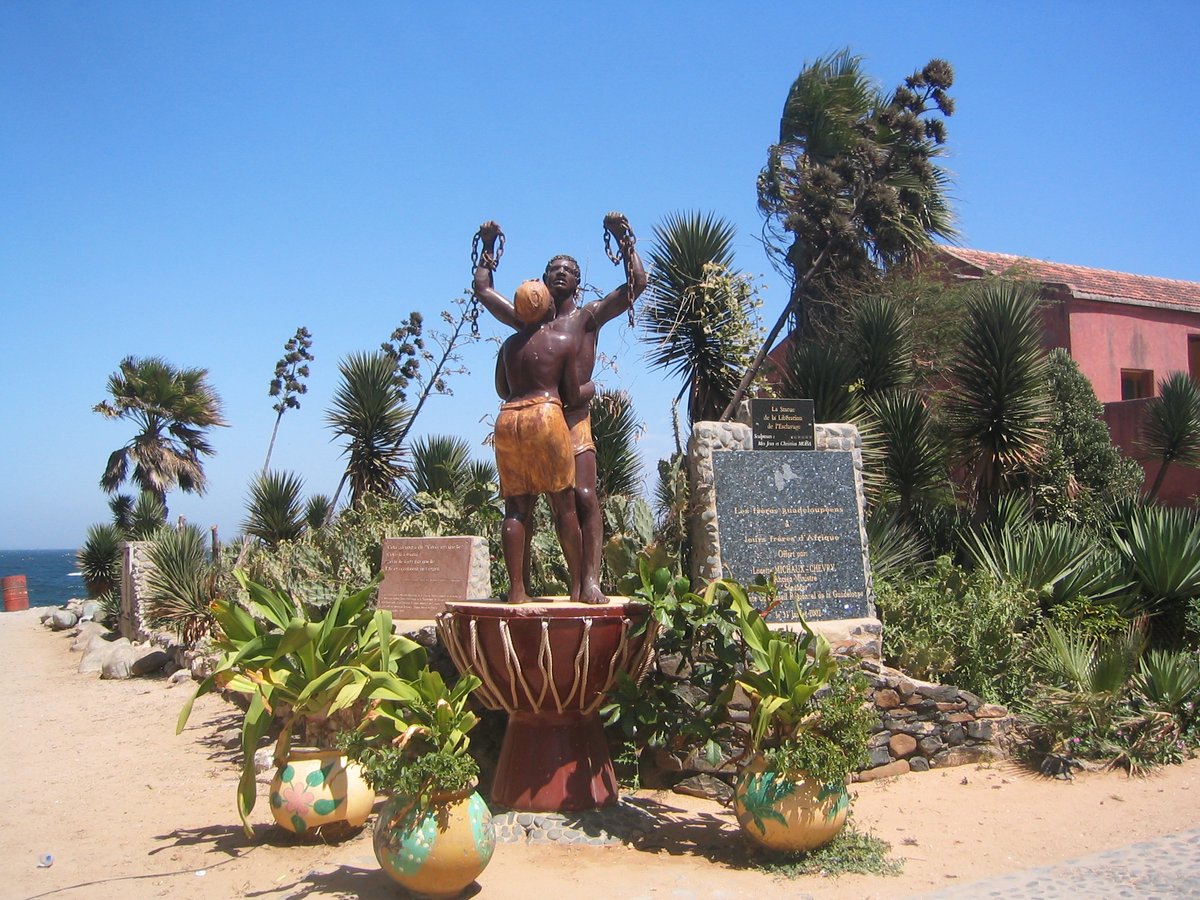
- Gorée Island UNESCO World Heritage Site, renowned for its role in the Atlantic slave trade and historic museums.
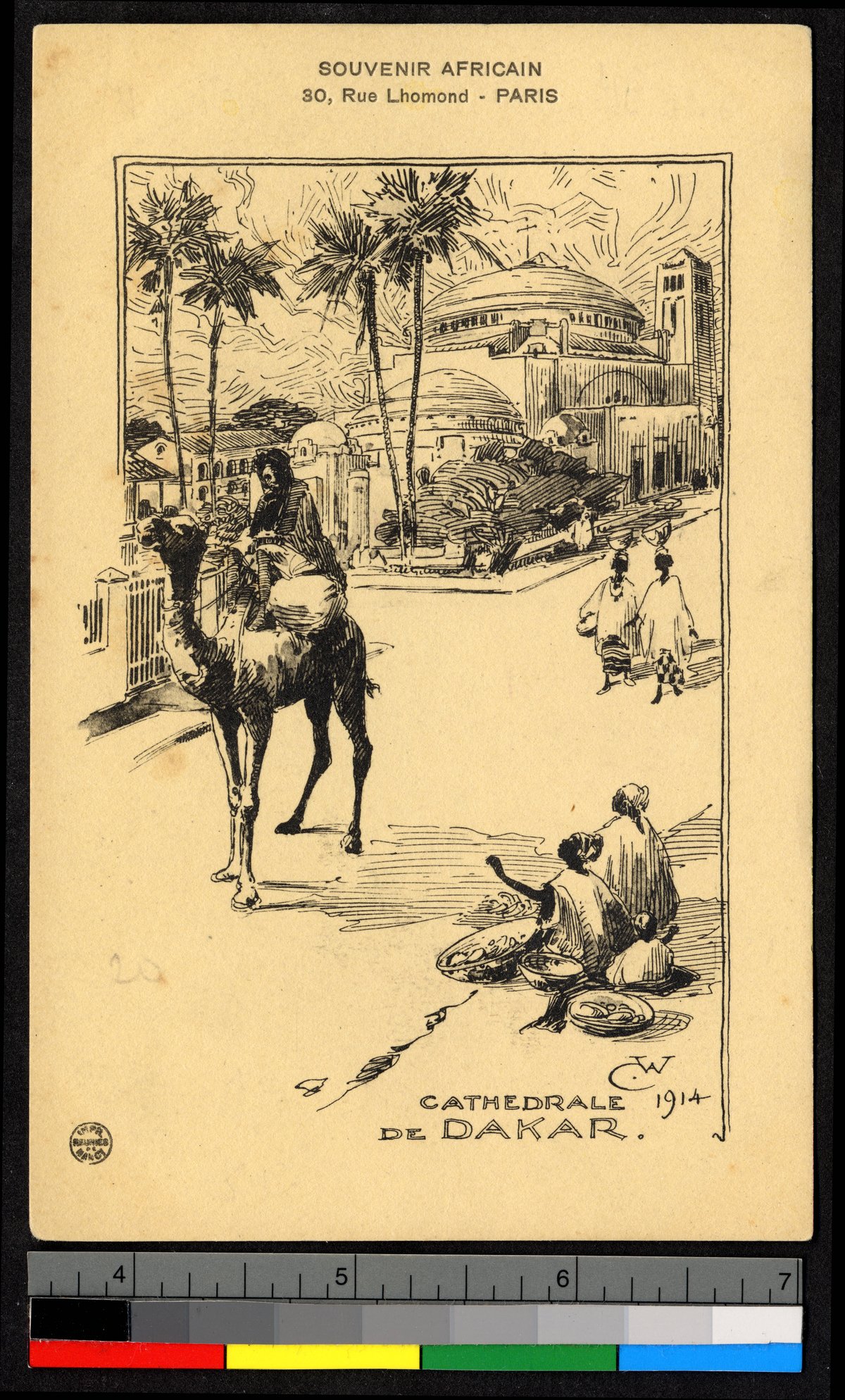
- Dakar Cathedral Architectural landmark minutes away.
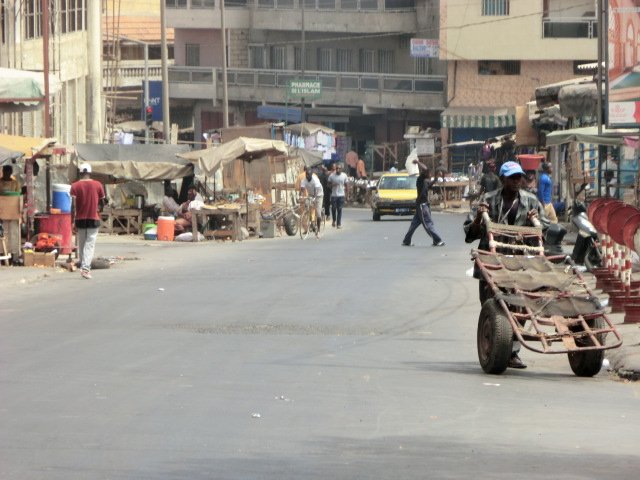
- Sandaga Market Bustling market for crafts and textiles.
- Village des Arts Contemporary art hub.
- House of Slaves On Gorée Island, a profound historical monument.
View the IFAN Museum location on Google Maps
Events & Special Programs
The IFAN Museum is a central venue for the Dakar Biennale (Dak’Art) and other cultural festivals. Events include:
- Special exhibitions
- Mask dances and performances
- Artist workshops
- Educational lectures
Check the museum website for schedules and updates.
Tips for Visitors
- Plan ahead Confirm hours and ticket prices before visiting.
- Arrive early Mornings on weekdays are quieter.
- Dress appropriately Dakar is hot and humid—wear light clothing and stay hydrated.
- Language Most exhibit labels are in French; English tours require reservation.
- Combine attractions Pair your museum visit with nearby sites for a richer experience.
- Safety Dakar is generally safe; keep personal belongings secure and follow museum etiquette.
Frequently Asked Questions (FAQ)
Q: What are the IFAN Museum’s opening hours?
A: Tuesday to Sunday, 9:00 AM–5:00 PM (closed Mondays and public holidays).
Q: How much are tickets?
A: Standard admission ranges from 1,000 to 5,000 CFA francs; discounts available.
Q: Can I buy tickets online?
A: Tickets are mainly sold onsite; some special events may offer online sales.
Q: Is the museum wheelchair accessible?
A: Main galleries are accessible, but contact the museum for special needs.
Q: Are guided tours available in English?
A: Yes, with advance booking.
Q: Are there nearby attractions?
A: Yes—Gorée Island, Dakar Cathedral, Sandaga Market, Village des Arts, and more.
Q: Is photography allowed?
A: Yes, but flash and tripods are not permitted.
Visuals & Multimedia
For virtual tours and galleries, visit the official museum website.
Discover More
The IFAN Museum of African Arts is more than a repository of artifacts—it’s a vibrant stage for West African identity, creativity, and historical memory. With its accessible facilities, enriching exhibitions, and central location, the museum is an essential stop for anyone seeking to understand Senegal’s cultural tapestry. To deepen your experience, leverage digital resources such as the Audiala app, explore related Dakar historical sites, and stay informed about upcoming events through the museum’s official channels.
Plan your visit today, and immerse yourself in the enduring legacy and creativity of Africa’s artistic heritage!