Plan and listen to King Saud University with Audiala.
Audio guide in your pocket, itinerary in your browser. Built for the way you actually visit.
Introduction
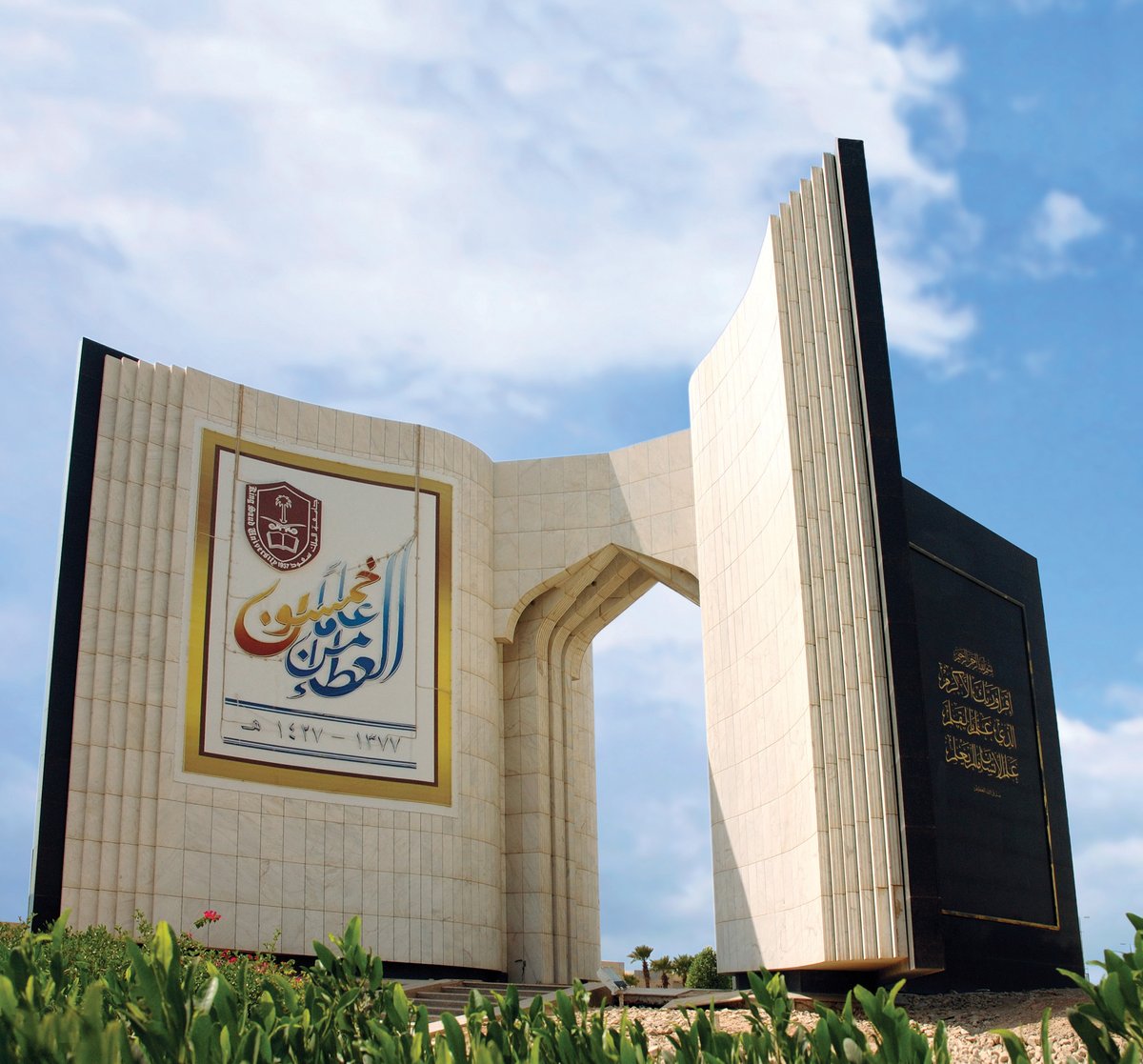
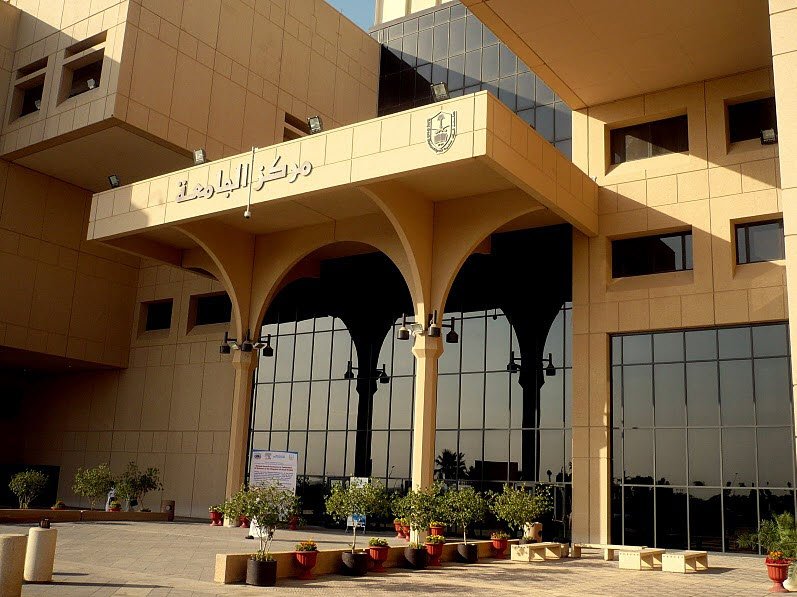
King Saud University (KSU), established in 1957, is Saudi Arabia’s oldest and most prestigious university and a key landmark in Riyadh’s cultural and educational landscape. As both an academic institution and a center of heritage, KSU’s campus combines traditional Saudi architecture with modern design, housing museums, green spaces, and cultural sites that attract tourists, students, and researchers. This guide delivers all you need to know about visiting hours, entry policies, campus highlights, and nearby historical attractions, ensuring you make the most of your journey through Riyadh’s rich history.
For the latest updates, visitors should always confirm details via the official KSU website and consider using digital tools like the Audiala app for interactive maps and guides (Wikipedia; Times Higher Education; MediaOne Online).


Visiting King Saud University: Practical Information
Visiting Hours
- General Hours: 8:00 AM – 5:00 PM, Saturday through Thursday.
- Note: Visiting hours may change during holidays or university events. Always verify timings in advance on the official KSU website.
Tickets and Entry
- Campus Entry: Free for visitors.
- Special Attractions: Some museums or exhibitions may require tickets or advance booking.
- Guided Tours: Available through the university’s visitor services; booking in advance is recommended for groups or during peak seasons.
Accessibility and Visitor Tips
- Mobility: Wheelchair-accessible paths, ramps, elevators, and accessible restrooms are available.
- Dress Code: Modest attire is required, following Saudi customs.
- Photography: Permitted in outdoor public areas; always request permission for indoor spaces or when photographing individuals.
- Security: Valid identification may be required at the gate. Some research and academic areas may have restricted access.
Getting There
- Location: Centrally located in Riyadh, accessible via King Saud University Road.
- Public Transportation: Served by the recently opened King Saud University metro station, buses, and taxi/ride-sharing services.
- Parking: On-campus visitor parking is available.
Campus Highlights
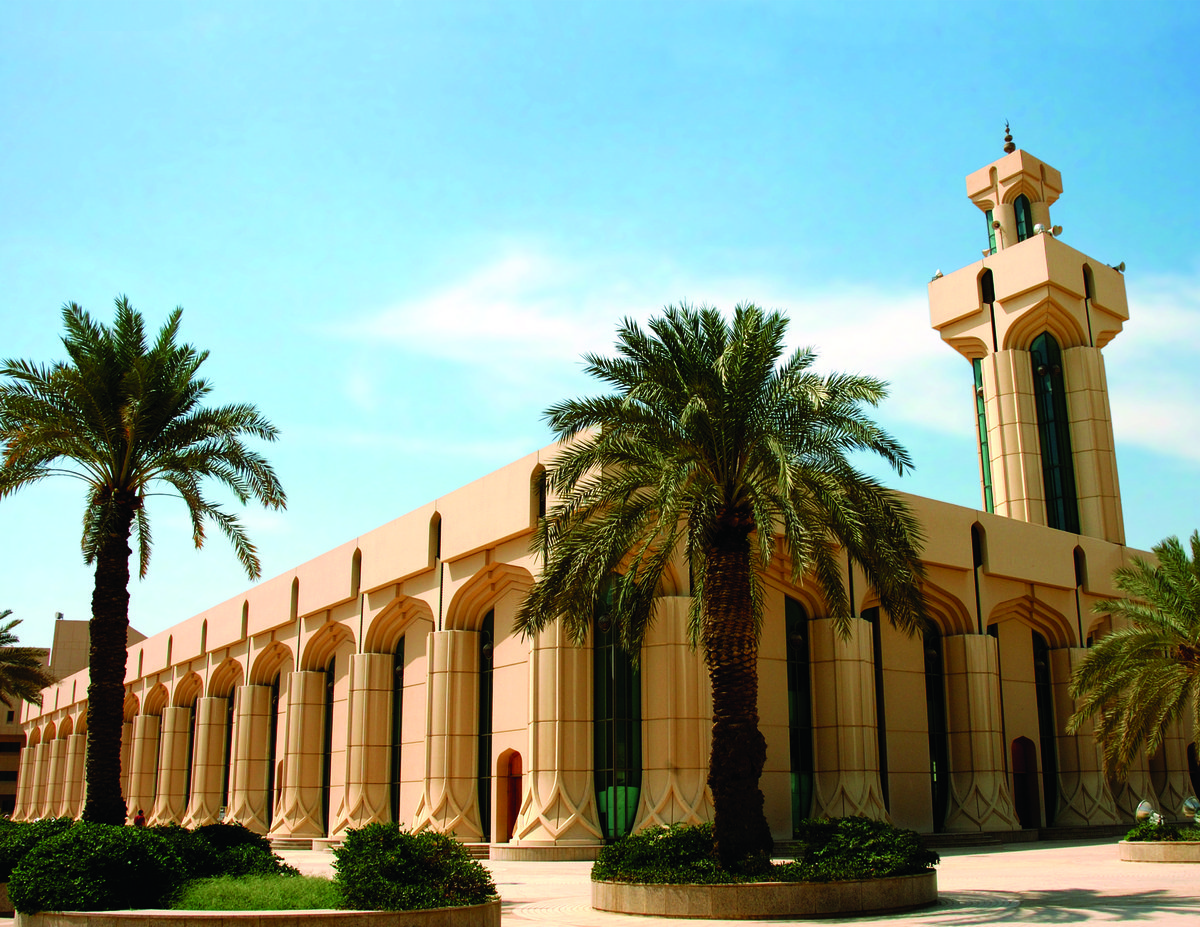
- Palm Mosque (Jama’a Al-Naqheel): A striking architectural landmark and a favorite photo spot, especially at sunset.
- Al Awwal Park Stadium: Hosts major sporting and cultural events (Boulevard Riyadh).
- King Salman Central Library: A seven-floor facility with extensive collections.
- Archaeology Museum: Features artifacts from pre-Islamic and early Islamic eras, open to the public.
- Department of Mass Communication Museum: Showcases the evolution of Saudi media and communication.
Nearby Attractions in Riyadh
- National Museum of Saudi Arabia: In-depth exhibits on local history and Islamic art. Open 9:00 AM–4:00 PM, Tuesday to Sunday.
- Masmak Fortress: 19th-century fort, pivotal in Saudi history, open daily 9:00 AM–5:00 PM.
- Diriyah (At-Turaif District): UNESCO World Heritage Site, open 9:00 AM–7:00 PM, ticketed entry.
- King Abdulaziz Historical Center: A complex of museums and heritage buildings.
- Kingdom Centre Tower: Modern skyscraper with Sky Bridge observation deck for panoramic views of Riyadh.
Founding and Growth
Founded by King Saud bin Abdulaziz in 1957, KSU was the Kingdom’s first university (Wikipedia). Initially named Riyadh University, it became a cornerstone for higher education and national modernization, reverting to its original name in 1982.
The university’s initial colleges included Arts, Sciences, Business (now Public Administration), and Pharmacy. Over time, KSU expanded with new disciplines and branch campuses in Abha and Qassim.
Academic and Cultural Impact
KSU offers programs across sciences, health, humanities, and the arts (Times Higher Education). In 2024, it launched Saudi Arabia’s first College of Arts in partnership with the Ministry of Culture, reinforcing its role in nurturing creative industries (MediaOne Online; Asharq Al-Awsat).
Research and Innovation
KSU is a leader in research, hosting major conferences and housing state-of-the-art libraries, hospitals, and laboratories. The King Salman Central Library stands as a major academic resource.
Campus Architecture
KSU’s main campus, designed by HOK Architects, is a blend of traditional Saudi motifs and contemporary styles. Landmarks like the Palm Mosque, stadium, museums, and landscaped gardens create a unique environment for learning and exploration.
Vision and Recent Developments
In 2023, KSU transitioned to an independent non-profit institution, aligning with Saudi Vision 2030. Continued investments in research and the arts secure its place as a regional leader.
Rankings and Recognition
KSU consistently ranks among the top 300 universities globally, with particular strengths in medical, engineering, and computer sciences (Times Higher Education).
Visitor FAQ
Q: What are the current visiting hours at KSU?
A: 8:00 AM–5:00 PM, Saturday through Thursday. Confirm on the KSU website for potential changes.
Q: Is there an entry fee?
A: General campus entry is free, but some events or exhibitions may require tickets.
Q: Are guided tours available?
A: Yes, arrange in advance via the university’s visitor services or cultural departments.
Q: Is the campus accessible for people with disabilities?
A: Yes; ramps, elevators, and accessible restrooms are available.
Q: What are the best nearby attractions?
A: The National Museum, Masmak Fortress, Diriyah, and King Abdulaziz Historical Center are within easy reach.
Listen to the full story in the app
The whole King Saud University,
told well.
Audio guides for 1,100+ cities across 96 countries. History, stories, and local insight — offline ready.
Verified, and shown.
Researched and written by the Audiala editorial team from historical records, architectural archives, and local expertise.
Researched from Wikidata, Wikipedia & official sources · fact-checked · How we make our guides →