Plan and listen to Sacred Prophetic Chamber with Audiala.
Audio guide in your pocket, itinerary in your browser. Built for the way you actually visit.
Introduction
The Sacred Prophetic Chamber (Al-Hujrah Al-Nabawiyyah), located within Al-Masjid an-Nabawi in Medina, Saudi Arabia, is one of the most revered sites in the Islamic world. As the burial place of Prophet Muhammad (PBUH) and his closest companions, Abu Bakr al-Siddiq and Umar ibn al-Khattab, the chamber draws millions of Muslims each year, seeking spiritual connection and historical insight. Understanding the history, significance, protocols, and practical aspects of visiting this sacred site is essential for an enriching and respectful experience.

Early Origins
After the Hijrah in 622 CE, the Prophet Muhammad (PBUH) established his residence adjacent to what would become the Prophet’s Mosque on land purchased from two orphan brothers, ensuring a fair and just transaction (Life in Madinah). The original structure, built simply from palm trunks and mud bricks, reflected the humility and simplicity of early Islamic society (3rooj.com).
Burial and Expansion
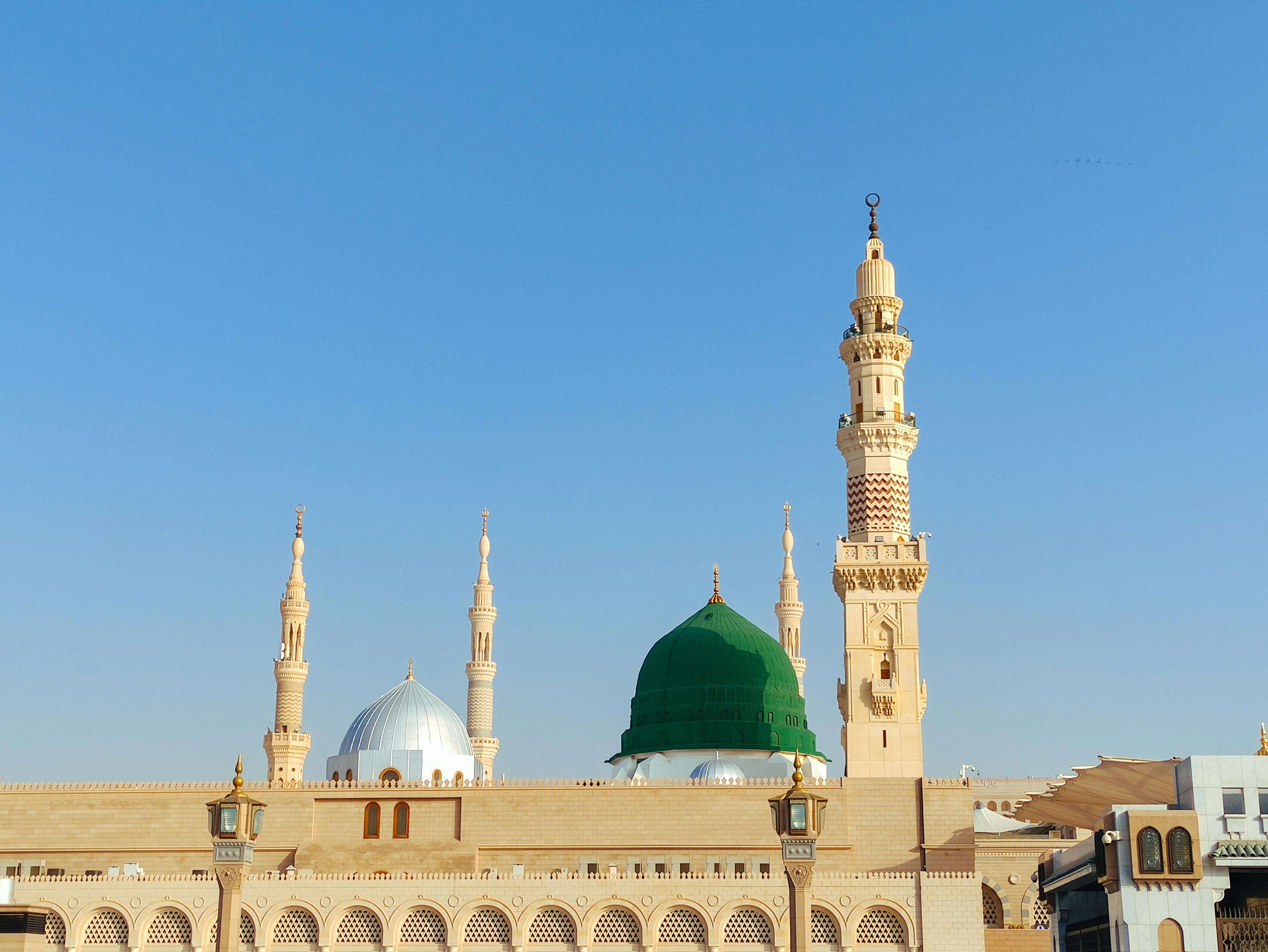
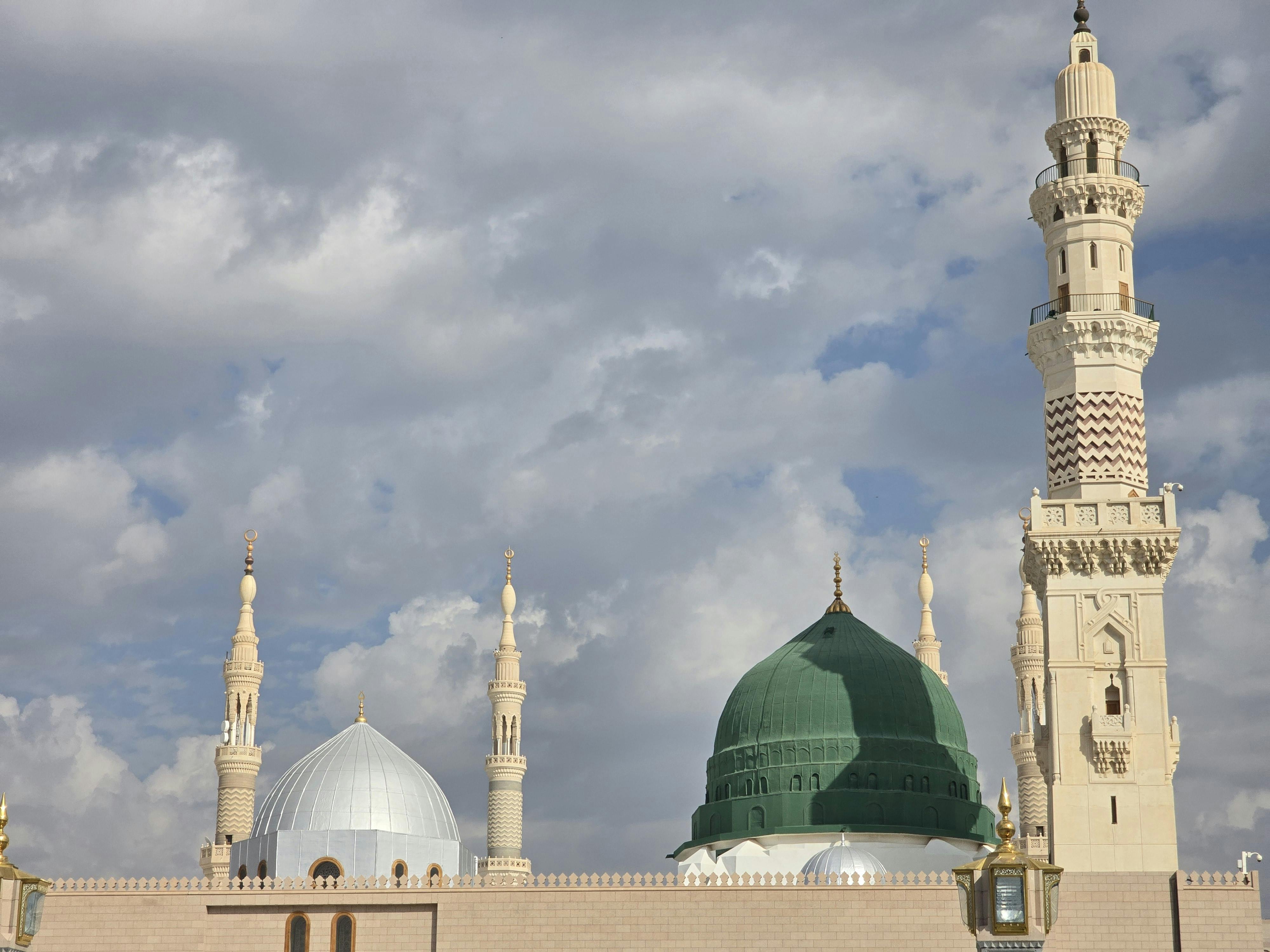
Following the Prophet’s death in 632 CE, he was buried in his chamber per his instruction that prophets be buried where they pass away (Saudipedia). Abu Bakr and Umar were later buried beside him, reinforcing the sanctity of the location. The mosque and chamber underwent several expansions, most notably during the Umayyad, Abbasid, and Ottoman eras. The Green Dome, completed in 1817 and painted green in 1837, is now an iconic symbol of Medina (Wikipedia).
Architectural Features
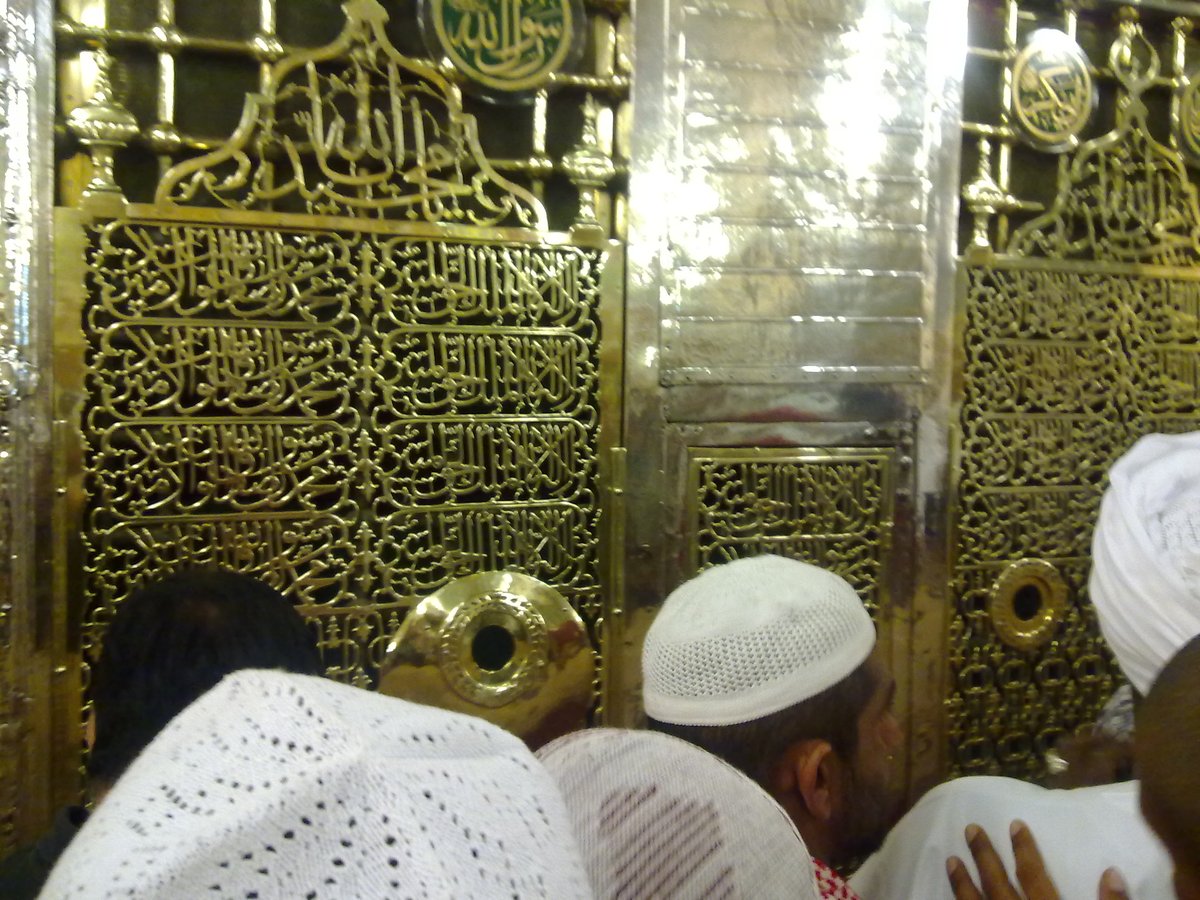
The Sacred Chamber is modest in size, with a roofed enclosure spanning about 17.75 square meters and surrounded by a 1.6-meter wall. Six historically significant doors, such as Bab al-Tawbah (Door of Repentance), Bab al-Tahajjud (Night Prayer Door), Bab Fatima, and Bab al-Nabi (Prophet’s Door), adorn the chamber (Saudipedia). The adjacent Rawdah—distinguished by a green carpet—is considered a “garden from the gardens of Paradise” (Islamic Landmarks).
Religious and Cultural Significance
The chamber’s sanctity is rooted both in its role as the Prophet’s burial place and in authentic hadith, such as the Prophet’s saying: “What is between my house and my pulpit is a garden from the gardens of Paradise” (Sahih al-Bukhari). The Rawdah Mubarak, the area between the Prophet’s tomb and his pulpit, is believed to be a place where supplications are especially accepted (Makarem Hotels).
Visiting the Sacred Prophetic Chamber: Hours, Permits, and Entry
General Access
- Location: Within Al-Masjid an-Nabawi, centrally located in Medina.
- Who Can Visit: Only Muslims are permitted to enter the mosque and the chamber area (Besides the Obvious).
- Non-Muslim Access: While the city of Medina is now open to non-Muslim tourists, access to the mosque and chamber remains restricted to Muslims.
Visiting Hours
- Men: Early mornings to mid-afternoon, with specific time slots allocated via an electronic permit system.
- Women: Late morning and afternoon slots, with separate entrances and queues (Life in Madinah).
- Seasonal Variation: Hours may be extended during Ramadan and Hajj; always check the latest official sources.
Permit and Booking System
- Permit Requirement: Access to the Rawdah Mubarak requires booking a free electronic permit through the official “Nusuk” or “Eatmarna” apps (Life in Madinah).
- Booking: Provide identification and select an available time slot.
- Entry Points: Men typically enter via Bab al-Salam (Gate 1); women use Gate 25 or other designated entrances.
Visitor Protocols and Etiquette
Dress Code
- Men: Long trousers, shirts with sleeves; shorts and sleeveless tops are not permitted.
- Women: Abaya and headscarf required; modest, loose-fitting clothing in subdued colors.
Behavior and Rituals
- Silence and Reverence: Maintain a quiet, respectful demeanor.
- Supplication: Offer prayers and salutations quietly; avoid loud supplications or displays of emotion.
- Prohibited Actions: No touching or kissing the gold grill or chamber barriers, no photography or videography.
Queueing and Crowd Management
- Patience Required: Expect queues, especially during peak seasons. Follow staff instructions and allow priority for elderly and disabled visitors.
- Security: Bag checks are mandatory; large bags, food (except water), and electronics may be restricted.
Accessibility
The mosque is equipped for visitors with disabilities, with ramps, elevators, and wheelchair assistance available. Special support is provided at designated entrances for the elderly and those with mobility challenges.
Special Considerations for Women
Women have specified visiting hours and dedicated entry points. While some scholars discourage grave visitation by women, many choose to pray or offer salutations in the Rawdah during their allocated times (IslamQA).
Nearby Attractions in Medina
Enhance your visit by exploring these significant sites:
- Quba Mosque: The first mosque in Islam.
- Mount Uhud: Site of the historic Battle of Uhud.
- Al-Baqi Cemetery: Final resting place of many of the Prophet’s family and companions.
- Masjid al-Qiblatain: Famous for the change in Qibla direction.
Guided tours are available through approved operators and provide context for Medina’s rich religious heritage.
Practical Tips for Visitors
- Arrive Early: Especially during peak periods, arriving ahead of your time slot can ease entry.
- Minimal Belongings: Bring only essentials; lockers may be available.
- Hydration: Carry water, but note restrictions on food and other drinks.
- Hygiene: Perform ablution (wudu) before arrival and keep clothing clean.
- Language: Arabic is primary, but English is widely understood by staff. Using basic Arabic greetings is appreciated.
Frequently Asked Questions (FAQ)
Q: Are tickets required to visit the Sacred Prophetic Chamber or Rawdah Mubarak?
A: No tickets are required, but a free electronic permit must be booked for Rawdah access.
Q: Can non-Muslims visit Al-Masjid an-Nabawi or the Sacred Chamber?
A: No, access is strictly for Muslims.
Q: What is the best time to visit?
A: Early mornings (after Fajr) are generally less crowded.
Q: Is the mosque accessible for people with disabilities?
A: Yes, with ramps, elevators, and wheelchair support available.
Q: Are guided tours available?
A: Yes, several authorized operators offer historical and spiritual tours.
Images


Summary
The Sacred Prophetic Chamber in Medina is a living symbol of Islamic faith, embodying centuries of devotion and reverence. Visiting requires preparation, respect for protocols, and an understanding of its religious and historical context. Utilize official resources and the Audiala app to stay updated and ensure a meaningful pilgrimage (Makarem Hotels).
Listen to the full story in the app
The whole Sacred Prophetic Chamber,
told well.
Audio guides for 1,100+ cities across 96 countries. History, stories, and local insight — offline ready.
Verified, and shown.
Researched and written by the Audiala editorial team from historical records, architectural archives, and local expertise.
The History of Masjid Al-Nawabi
Places to visit in Madinah - Al-Masjid An-Nabawi
The Prophet’s Mosque - The Tomb of Prophet Muhammad
Tomb of Prophet Muhammad
Green Dome
Facts about Medina
Etiquette and Traditions Visiting Prophet’s Mosque Medina
(2024, March 13). Visit Medina as a Non-Muslim
Researched from Wikidata, Wikipedia & official sources · fact-checked · How we make our guides →