An introduction.
Researched by the Audiala editorial team from historical records, architectural archives, and local expertise.
AA grave, a parliament, and a prayer hall share the same sacred address at Prophet's Mosque in Medina, Saudi Arabia. Visit because few places let you feel the birth of a faith as physically as this one: the hush under the umbrellas, the pull of the Green Dome, the knowledge that a plain courtyard of palm trunks became one of the most charged sites on earth. The scale is vast now, but the emotional center remains intimate.
Documented history begins in 622 CE, when Muhammad arrived in Yathrib, soon renamed Medina, and established a mosque that was also his home compound, court, meeting place, and public square. That layered origin matters. You are not looking at a shrine added to history later; you are standing where worship, government, grief, and daily life once occupied the same packed-earth ground.
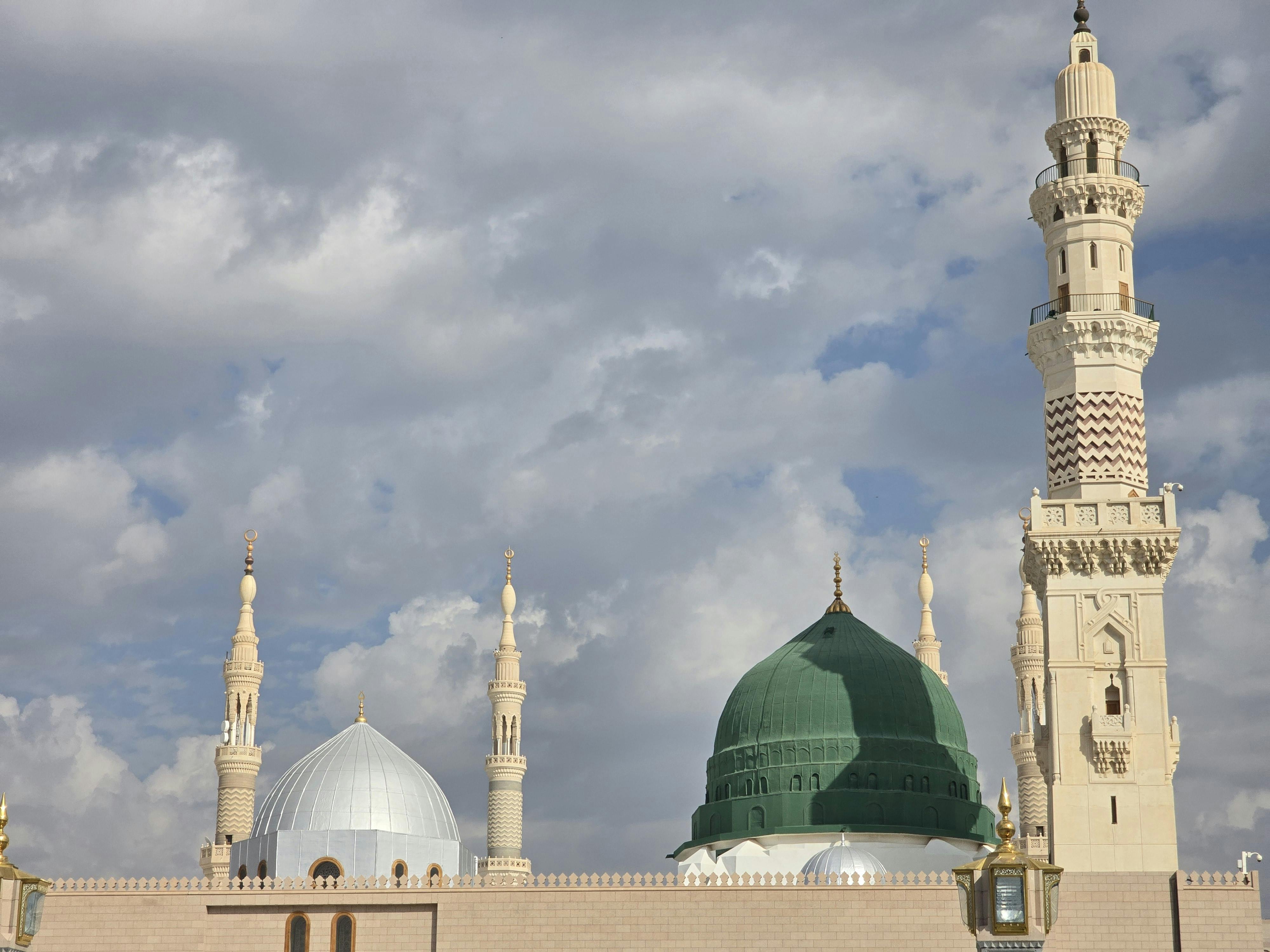
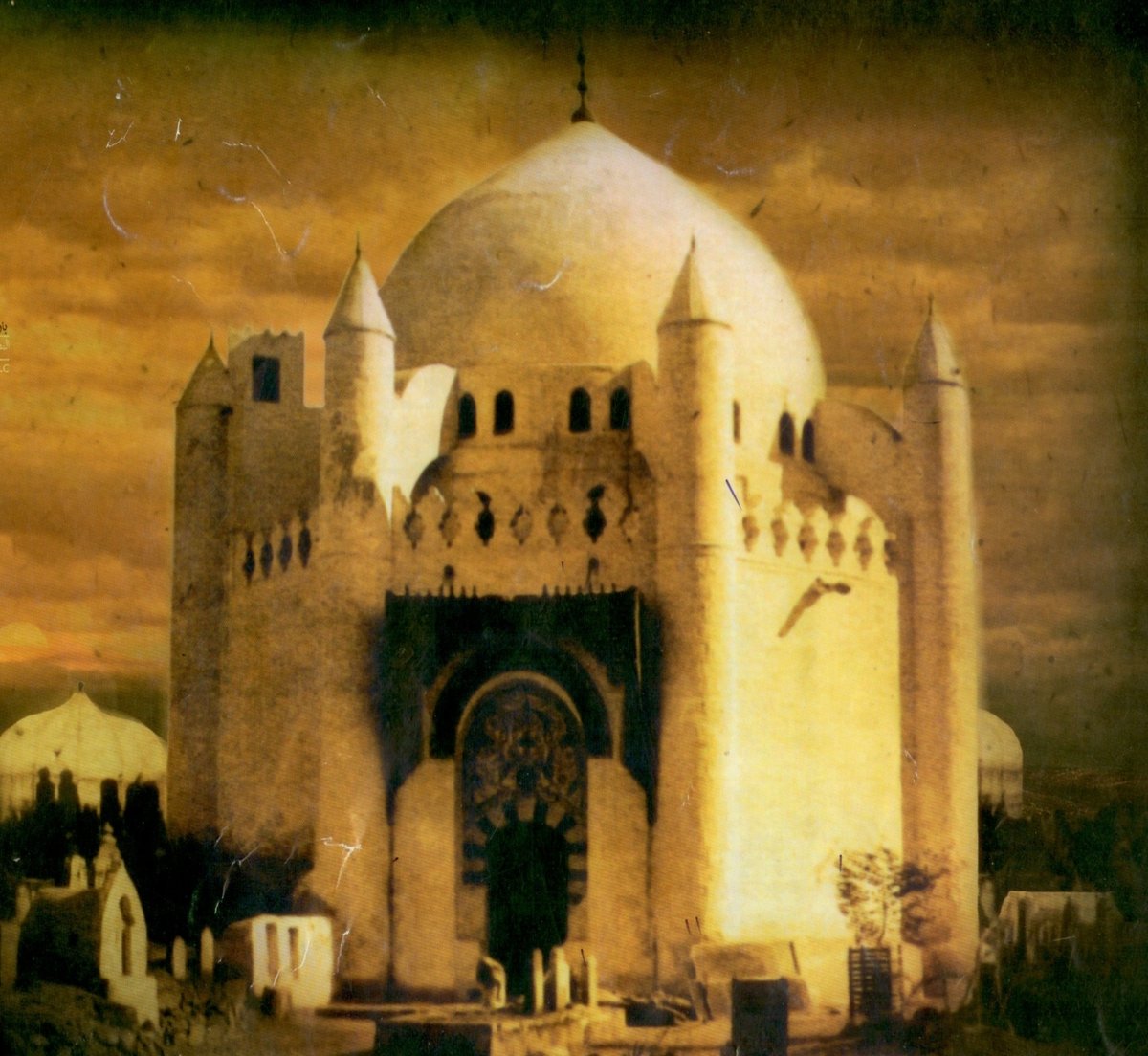
Much of what visitors think is ancient is later than they expect. The burial chamber entered the enlarged mosque during the Umayyad rebuilding between 706 and 709 CE, while the first dome over it is documented to 1279 CE, and the famous green color is much later still. The icon came after the memory.
Medina offers other early chapters of Islamic history, from the quiet gravity of Quba Mosque to the open prayer ground recalled at Mosque Of Al-Ghamama. But Prophet's Mosque is the hinge. Stand here at dusk, with marble cooling underfoot and recitation moving through the air, and the city stops feeling like backdrop and starts feeling like source.
01 What to see.
The Rawdah and the Prophet’s Chamber
The emotional center of the mosque is surprisingly small: the Rawdah measures about 22 by 15 meters, roughly one and a half tennis courts, yet the whole place seems to tighten as you approach it. You feel the shift before you fully see it: red carpet gives way to green, voices drop, oud hangs in the air, and the screened edge of the Prophet’s Chamber turns distance into its own kind of closeness.
Records from the mosque authority identify this as the zone between the Prophet’s chamber and the minbar, and that precision matters because the power of the place comes from how little spectacle it needs. Look down as much as up. The named pillars here, tied to memory and early events, are the detail most people miss while everyone else is trying to stand still for one more second.
The Courtyards, Umbrellas, and the Green Dome
Outside the historic core, the mosque suddenly becomes a machine for shade, air, and scale. The courtyards and prayer areas spread across about 400,500 square meters, roughly 56 football pitches, and the giant umbrellas turn the marble expanse into something halfway between a piazza and a piece of climate engineering; the air feels cooler than Medina has any right to feel, partly because chilled air runs through systems hidden in the columns themselves.
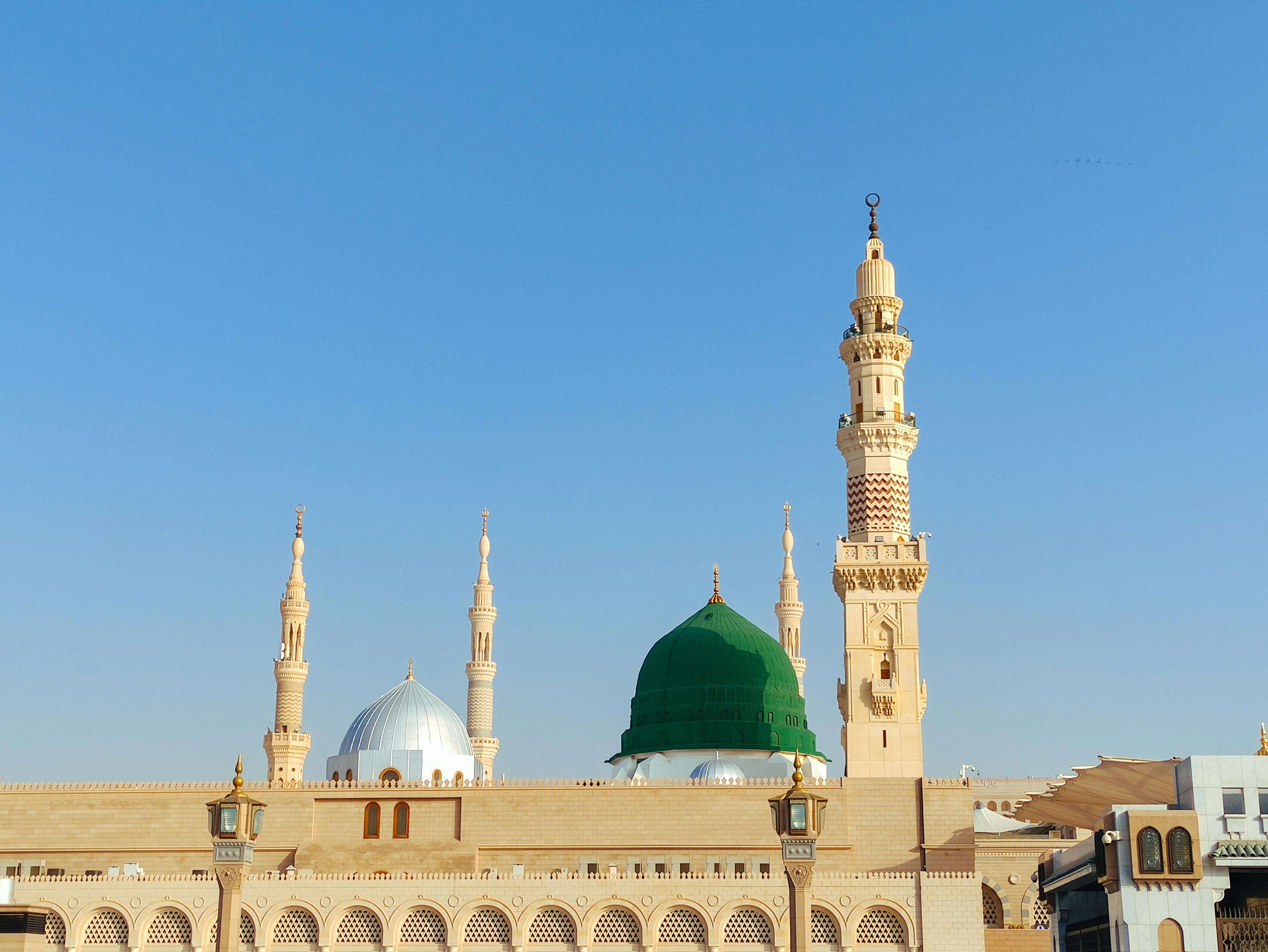
This is also where the Green Dome makes the most sense visually, rising above the sacred southeastern corner like a memory the later expansions refused to erase. Come at dawn if you can. The first light catches the minarets, birds cut through the call to prayer, and the polished stone throws back a pale glow instead of heat.
Take the Southern Edge and Then the Exhibition
Start along the mosque’s south and southeast side, where the line of sight gives you the clearest read of dome, minaret, and courtyard rhythm, then step into the Architectural Evolution Exhibition just south of the complex. The exhibition covers 2,200 square meters, about a third of a football pitch indoors, and it does something the prayer halls rightly do not: it slows the story down enough for you to notice how a palm-trunk mosque from 622 became an Ottoman-Saudi palimpsest with retractable domes, marble cooling, and lighting on the scale of a small city.
That sequence changes the way Medina fits together. After this, Quba Mosque feels less like an isolated landmark and more like part of a chain of early Islamic memory, while Mosque Of Al-Ghamama reads as a quieter footnote just beyond the main current.
Plan and listen to Prophet'S Mosque with Audiala.
Audio guide in your pocket, itinerary in your browser. Built for the way you actually visit.
03 Visitor logistics.
The practical scaffolding for a good visit — kept short.
Getting There
Madinah Bus Route 400 is the cleanest public option: it links Prince Mohammad bin Abdulaziz International Airport, Haramain High-Speed Railway station, Rua Al Madinah, and the Prophet's Mosque. By car, use the main approaches from Abu Bakr Al-Siddiq Road, Quba Road, Omar bin Al-Khattab Road, or Prince Abdulmohsen Road; from Mosque Of Al-Ghamama it is about 200 meters on foot, and from Quba Mosque the Quba Walking Trail runs about 3 kilometers.
Opening Hours
As of 2026, the main mosque is effectively open 24 hours a day, though prayer surges and crowd controls can change how quickly you move through the complex. Rawdah is different: entry runs on timed windows and a Nusuk permit, with separate schedules for men and women and altered Friday hours under the December 5, 2025 official rules.
Time Needed
Give it 45 to 90 minutes for a quick visit focused on the courtyards and orientation. Two to three hours feels right if you want to pray, move through the shaded marble courts under the giant umbrellas, and get your bearings; a Rawdah slot can turn the visit into half a day.
Accessibility
The terrain is flat and forgiving by Medina standards: broad paved courtyards, ramps, and 10 equipped prayer areas make the main complex workable for wheelchair users. Official services include 2,500 free wheelchairs at Gate 7, elevators for visitors with disabilities at Gates 9 and 33, and accessible restrooms; the harder part is crowd density and distance, not slopes.
Cost & Tickets
General entry to the mosque is free as of 2026. Rawdah requires a Nusuk permit rather than a ticket, and the current official rule allows one permit every 365 days, with an instant-access route sometimes offered when you are already near the mosque.
04 Tips for visitors.
Small things that change the day.
Dress Respectfully
Dress more conservatively than you think you need to. Men should wear long trousers and sleeves, women need loose modest dress with a head covering, and shoes come off before prayer areas.
Keep Your Voice
The mosque runs on quiet discipline, not sightseeing energy. Saudi guidance is explicit: lower your voice, do not push in crowds, and do not touch structures for blessing, especially near Rawdah and the greeting area.
Photos Need Restraint
As of 2026, I found no verified blanket ban on personal photography across the whole site, but sensitive interior areas are another matter. Treat Rawdah, the tomb precinct, and any dense prayer zone as no-photo unless staff clearly allow it; tripods, drones, and anything that looks commercial are asking for trouble.
Buy Away From Gates
The sacred core is also a pricing machine. Dates, souvenirs, taxis, and quick meals often cost more right by the gates, so step beyond Markaziyah or toward Qurban Street before buying, and use official ride apps or clearly priced transport.
Eat Outside Core
For food, skip the gate-front strips unless convenience matters more than value. Souq al-Tabbakha on Qurban Street gives you old Medina eating culture at budget prices, Zaitoon is a reliable mid-range option near the Taiba/Safiyyah area, and Arabesque at Sofitel Shahd Al Madinah is the polished splurge.
Choose Your Hour
Early morning has the gentlest rhythm, and the vast courtyards under 250 retractable umbrellas feel almost silver in the first light. Ramadan, Friday prayer, and post-Hajj periods bring the heaviest pressure, so check the smart crowd map and build extra time if you are aiming for Rawdah or pairing the visit with Green Dome.
05 Where a Courtyard Became a Claim on Memory
Documented records place the mosque's foundation in 622 CE, just after the Hijrah. Its first form was almost severe in its simplicity: mud-brick walls, palm-trunk columns, a roof of palm fronds, and open ground that served a new community still inventing its public life as it went.
Every dynasty that expanded this place understood the same uncomfortable truth. Repairing the Prophet's Mosque was never just maintenance. It was a statement about who had the right to guard Islam's memory, from the Umayyads to the Ottomans to the Saudi state.
Abu Lubabah and the Pillar He Could Not Leave
One of the most human stories here belongs to Abu Lubabah ibn Abd al-Mundhir, a Companion remembered through the Pillar of Repentance inside the mosque. According to tradition preserved in Saudi sources, he realized he had gravely compromised himself during the crisis of Banu Qurayzah by signaling their likely fate. What was at stake for him was personal before it was political: his honor, his loyalty to Muhammad, and his standing before God.
The turning point came when panic gave way to self-judgment. According to that tradition, Abu Lubabah returned to the mosque, tied himself to a pillar, and refused to be released until his repentance was accepted. Few sacred buildings keep remorse this close to the surface.
The pillar you see today is not untouched 7th-century fabric; documented accounts say later builders preserved the location even when the material changed. That makes the memory sharper, not weaker. Prophet's Mosque often preserves history as coordinates rather than relics.
The Tomb Was Not Born a Monument
The Fire That Nearly Changed Everything
Listen to the full story in the app
The whole Prophet'S Mosque,
told well.
Audio guides for 1,100+ cities across 96 countries. History, stories, and local insight — offline ready.
06 Frequently asked.
The questions travellers send us most about Prophet'S Mosque.
Is Prophet's Mosque worth visiting?
Yes, if you care about Islamic history, sacred architecture, or the emotional center of Medina. Records place the mosque's foundation in 622 CE, and the building still carries traces of that first community in remembered locations such as the named pillars and the Rawdah. Even the modern parts matter: the vast courtyards, retractable domes, and cooled marble show how a 7th-century sanctuary now receives hundreds of thousands of worshippers.
How long do you need at Prophet's Mosque?
Plan on 2 to 3 hours for a first visit, and longer if you have a Rawdah permit. A quick visit can take 45 to 90 minutes, but the mosque is large enough that rushing misses the courtyards, the greeting area by the sacred chamber, and the shift from the calm outer zones to the compressed intensity near the historic core. Half a day is more realistic during peak periods or if you want prayer time to shape the visit.
How do I get to Prophet's Mosque from Medina?
From central Medina, many visitors simply walk; from farther out, the clearest official public option is Madinah Bus Route 400. That route links Prince Mohammad bin Abdulaziz International Airport, the Haramain High-Speed Railway station, Knowledge Economic City, Rua Al Madinah, and the mosque. If you are coming from Quba Mosque, the Quba Walking Trail is about 3 km, while Mosque Of Al-Ghamama sits roughly 200 meters from the mosque's courtyards.
What is the best time to visit Prophet's Mosque?
Dawn and late evening are usually the best times. The light is softer, the courtyards under the giant umbrellas feel more legible, and Medina's heat matters less; summer highs can push past 39 to 43 C, so midday can feel punishing even with all the cooling systems. For a calmer visit, avoid Friday prayer periods and expect far denser crowds in Ramadan.
Can you visit Prophet's Mosque for free?
Yes, general entry to the Prophet's Mosque is free. The catch is Rawdah access: that sacred area between the Prophet's chamber and the minbar is controlled separately and usually requires a permit through Nusuk. Current official guidance also says the permit is generally valid once every 365 days, with an instant-access route sometimes offered near the mosque.
What should I not miss at Prophet's Mosque?
Do not miss the Rawdah if you can secure a permit, but also do not reduce the mosque to that one room-sized goal. The named pillars in the historic southern zone carry stories people walk past in a blur, including the Pillar of Repentance linked to Abu Lubabah, and the courtyards reveal the mosque's present scale through 250 umbrella canopies, cooled marble, and long sightlines toward the minarets. If you want the icon everyone knows, look for the Green Dome, remembering that its familiar green paint is historically late, not original.
Do you need a permit for Rawdah at Prophet's Mosque?
Yes, in normal operations you need a Nusuk permit to visit the Rawdah. Official schedules published in December 2025 gave separate visiting windows for men and women, with different Friday timings, which tells you this is managed as a timed-flow sacred zone rather than open floor space. Book early, then arrive with patience because the emotional bottleneck is part of the experience.
Verified, and shown.
Researched and written by the Audiala editorial team from historical records, architectural archives, and local expertise.
Foundation date in 622 CE, early mosque form, qibla change, early expansions, and historical framing of the mosque's development.
Official architectural history, major expansion phases, current spatial scale, and structural features of the mosque.
Official Saudi overview of the mosque, its status, chronology, Green Dome details, and preserved historical memory within the site.
Official Rawdah visiting windows announced in December 2025, including separate timings for men, women, and Fridays, plus permit rules.
Official Saudi pilgrimage platform referenced for Rawdah permit booking and visitor access management.
Official booking portal for pilgrimage-related reservations and experiences tied to the Prophet's Mosque area.
Official transport guidance showing that bus service, not metro, is the main public transport mode for reaching the mosque.
Official route map showing Route 400 connections between the airport, Haramain railway station, and the Prophet's Mosque.
Official source for the Quba Walking Trail and its approximate 3 km pedestrian link toward the mosque area.
Official source noting that Al-Ghamamah Mosque stands about 200 meters from the courtyards of the Prophet's Mosque.
Official dimensions of the Rawdah, visitor-management details, and average waiting-time reference.
Official description of the sacred chamber containing the graves of Muhammad, Abu Bakr, and Umar.
Official identification of the named pillars in the historic prayer area and the stories attached to them.
Official figures for the courtyard umbrella system and environmental comfort features around the mosque.
Seasonal temperature ranges used to explain why dawn and evening are more comfortable visiting times.
Current public listing indicating effectively round-the-clock opening and helping estimate typical visit duration.
Official details on the retractable domes and umbrella systems that shape the mosque's contemporary architectural experience.
Official Saudi account of the mosque's named pillars, including the Pillar of Repentance linked to Abu Lubabah.
Historical context for the Green Dome and its later development, useful for correcting the common idea that the current form is original.
Researched from Wikidata, Wikipedia & official sources · fact-checked · How we make our guides →