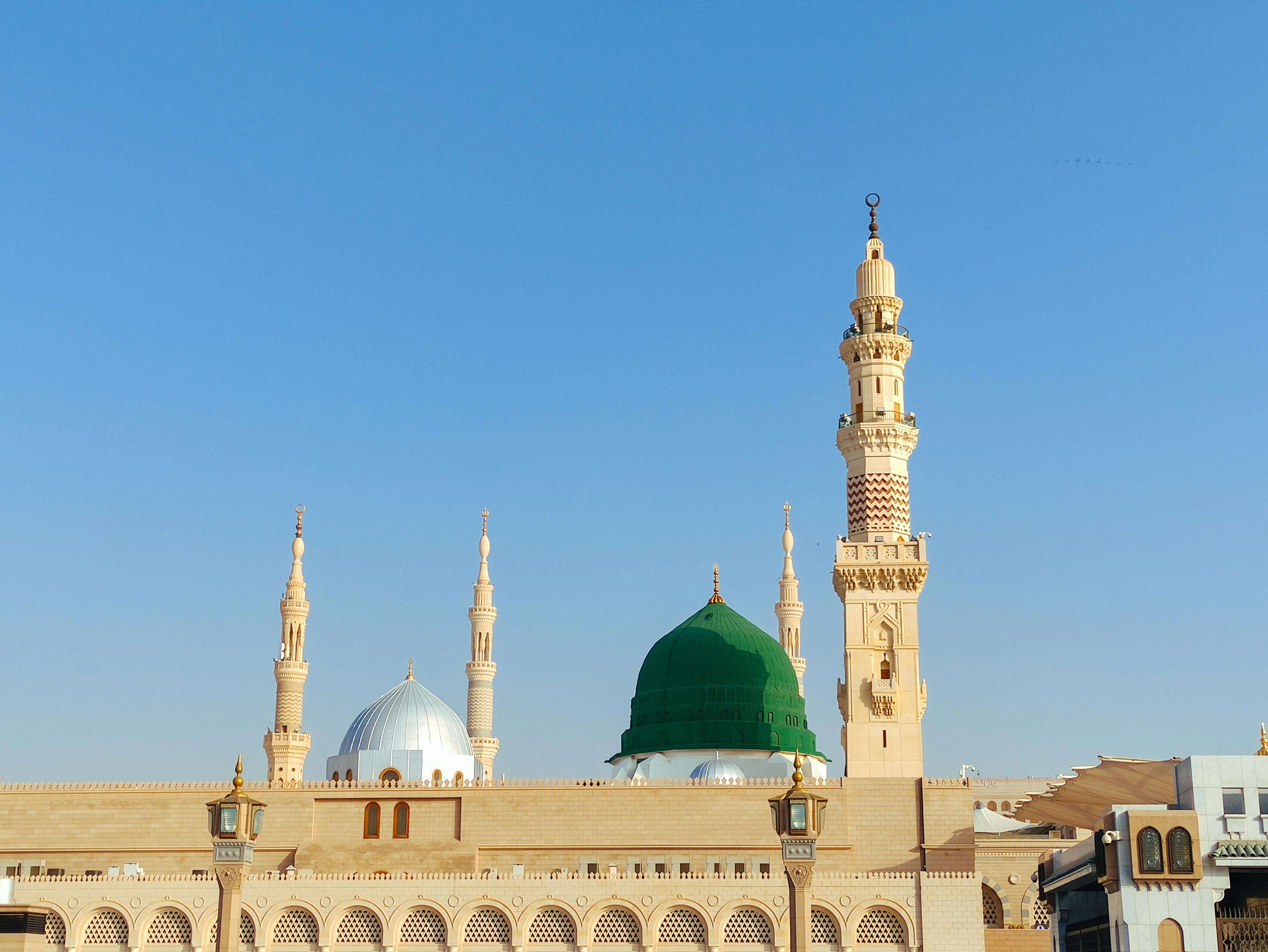
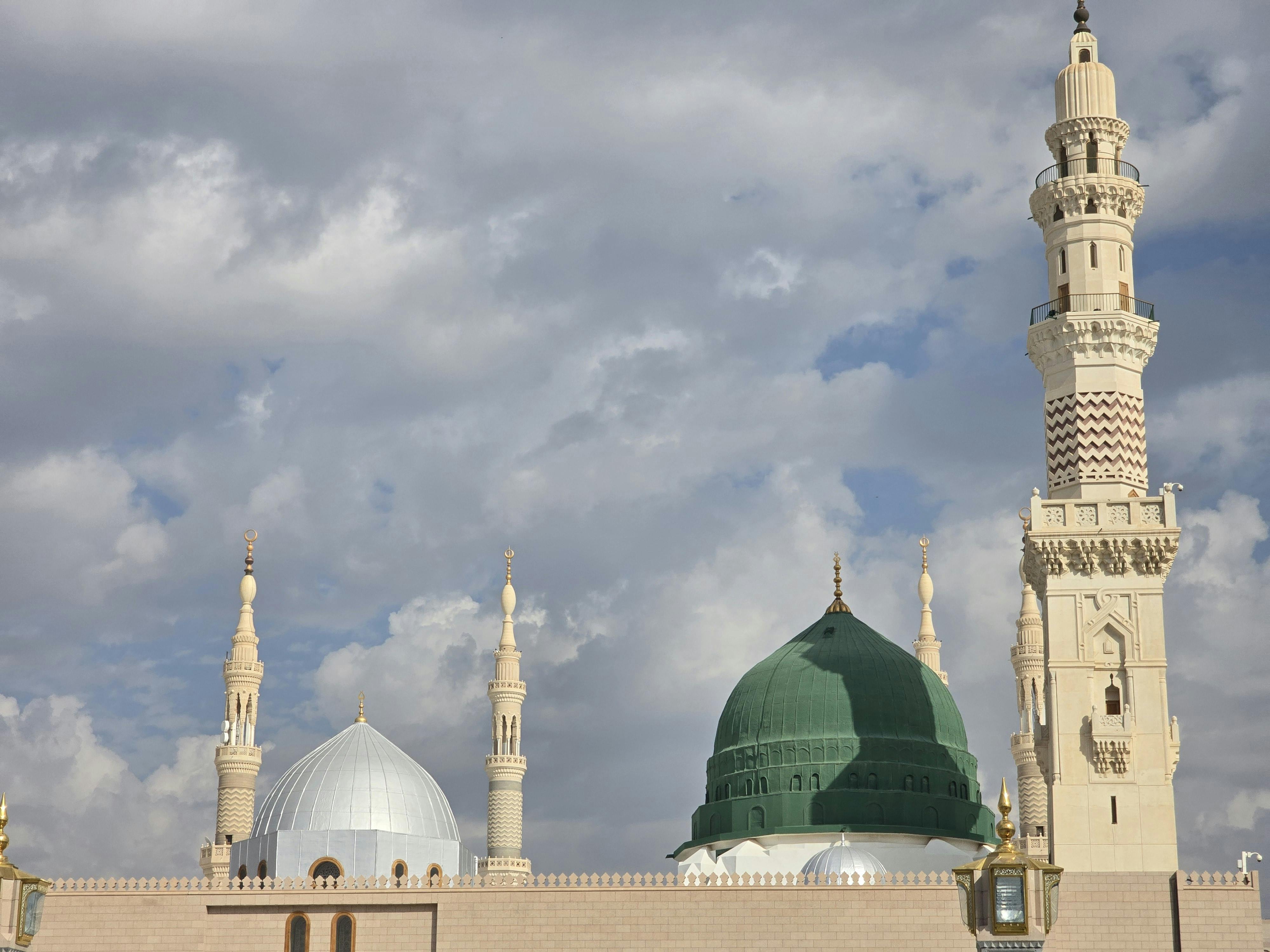
Islamic University of Madinah
The Islamic University of Madinah (IUM) is an institution of Islamic learning and cultural heritage in northern Madinah, Saudi Arabia. Established in 1961, it was envisioned as a center for promoting Islamic education globally. It welcomes students from over 170 countries, with only 20% of seats reserved for Saudi nationals (sdgsuniversities.org; visitalmadinah.com).
IUM is approximately 15 kilometers from the Prophet’s Mosque (Al-Masjid an-Nabawi). It is a male-only academic institution offering undergraduate and postgraduate programs that combine Islamic studies with disciplines including engineering and natural sciences (saudiuniversities.org; studyabroadaide.com).
History and Academic Development
The university was established by Royal Decree No. 11 on 25 Rabi’ al-Awwal 1381 AH (1961 CE), during the reign of King Saud bin Abdulaziz. A select group of renowned scholars, including Sheikh Muhammad bin Nasser Al-Aboudi, formed its foundational faculty. From its beginnings, IUM was structured to serve the international Muslim community.
Its mission is to be a global beacon of Islamic knowledge, bringing together traditional religious sciences and contemporary academic disciplines. It has expanded to include faculties in engineering, science, and humanities, and offers programs exclusively for male students. Its development reflects a commitment to innovation, research, and outreach (saudiuniversities.org; studyabroadaide.com).
IUM alumni have taken leadership roles in religious, academic, and community contexts worldwide, influencing Islamic thought and scholarship. The university participates in Saudi Arabia’s Sustainable Development Goals Universities Initiative and contributes to research bridging traditional Islamic and modern scientific disciplines (sdgsuniversities.org; opportunitiespedia.com).
What to See
When available, guided tours introduce visitors to IUM’s history, academic contributions, and campus. The university has modern lecture halls, libraries, cafeterias serving halal food, and prayer halls.
Visiting Information
Access, Hours, and Fees
IUM does not maintain regular public visiting hours. Access is generally limited and is typically granted for academic purposes, special events, or guided tours arranged in advance. Visitors should contact the university administration or use official tourism channels to arrange a visit. There is no standard entry fee, though some tours or events may have associated costs.
Location and Transport
The campus is about 15 km from the Prophet’s Mosque and 20 km from Prince Mohammad bin Abdulaziz International Airport. Taxis and ride-hailing apps such as Uber and Careem are the most convenient transport options. The typical journey from the airport takes 20–30 minutes.
Facilities and Accessibility
The campus has wheelchair access, gender-segregated restrooms, an on-site clinic, and 24-hour security for visitors’ safety. Advance notice is recommended for special accessibility arrangements.
Tips and Cultural Norms
- Dress Modest attire is mandatory. Men should wear long trousers and sleeved shirts; women are strongly recommended to wear an abaya and headscarf.
- Gender access Gender segregation is observed in academic and many public spaces. Female visitors may require special arrangements and accompaniment.
- Photography Ask permission before taking photos, especially in sensitive areas.
- Conduct The customary greeting is “As-salamu alaykum” (peace be upon you). Visitors should behave respectfully, avoid loud conversation, and refrain from public displays of affection.
- Prayer times Facilities may close during the five daily prayers; visitors should be respectful during these periods.
- Language Arabic is the primary language, though English is widely spoken in academic and administrative settings.
- Planning resources High-quality images, virtual tours, and video documentaries are available through the university’s official website and trusted tourism portals. For visitor information, tour arrangements, and interactive maps, consult official sources and the Audiala app. IUM and local tourism channels also share announcements, cultural information, and visitor guidance.
Nearby Places
Madinah’s historical landmarks offer additional cultural and spiritual sites to visit:
- Al-Masjid an-Nabawi (the Prophet’s Mosque) A major pilgrimage site about 15 km from IUM.
- Quba Mosque The first mosque in Islamic history.
- Mount Uhud The historic site of the Battle of Uhud.
- Al-Madinah Museum Exhibits the city’s Islamic heritage.
These sites are located within a short drive from IUM (gokitetours.com).
The Prophet’s Mosque (Masjid al-Nabawi)
Masjid al-Nabawi is one of Islam’s holiest sites, known for its spiritual significance and historical legacy. Built by the Prophet Muhammad and expanded over the centuries, it is distinguished by the Green Dome and its role as a center for worship and learning.
The mosque is open 24 hours daily, and entry is free. Access to special areas such as the Rawdah is regulated, particularly during prayers and religious occasions. Authorized agencies offer guided tours for a fee.
Visitors should dress modestly; women must wear an abaya and cover their hair. Photography is permitted in most public areas but should be discreet. Facilities for visitors with disabilities are provided. The mosque is accessible from IUM and the airport by taxi or public transport.
Frequently Asked Questions (FAQ)
Are there official visiting hours for the Islamic University of Madinah?
No. Visits require advance arrangements and are typically limited to academic or official purposes.
Is there an entry fee to visit IUM?
There is no standard entry fee. Specific tours or events may have charges.
Can non-Muslims visit the campus?
Generally, non-Muslim visitors are not permitted unless they are part of an official delegation or have special authorization.
What is the dress code for visitors?
Modest, conservative clothing is required. Men should wear long trousers and sleeved shirts; women should wear an abaya and headscarf.
How can I get to the university from the airport?
Taxis and ride-hailing services provide direct access. A typical journey takes 20–30 minutes.