Plan and listen to Hassan Ibn Ali with Audiala.
Audio guide in your pocket, itinerary in your browser. Built for the way you actually visit.
Introduction: The Significance of Hassan Ibn Ali in Medina
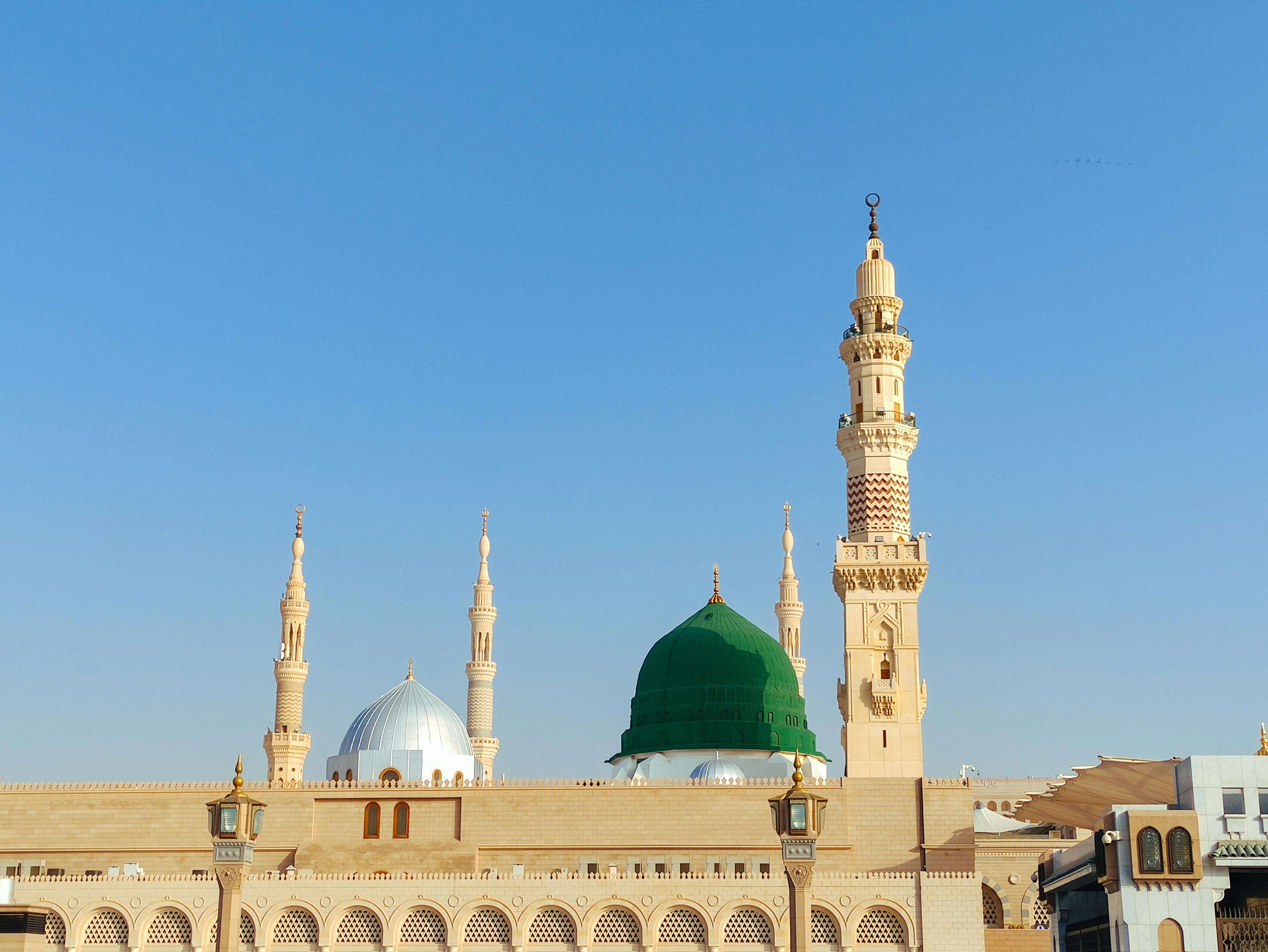
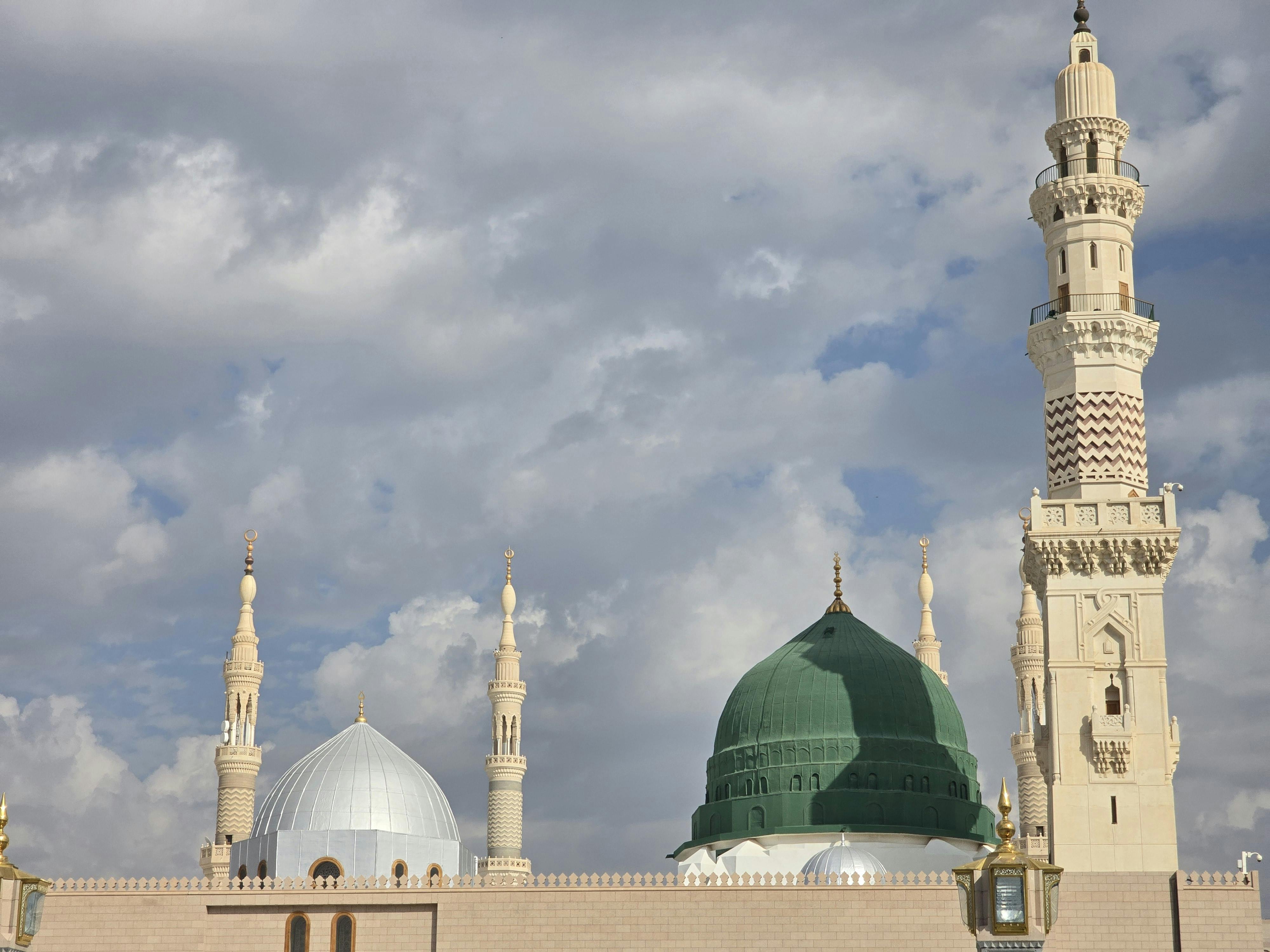
A visit to the tomb of Hassan ibn Ali in Medina is a journey through the depth of Islamic history, spirituality, and heritage. As the eldest grandson of Prophet Muhammad, Hassan ibn Ali is a pivotal figure in early Islam, revered for his leadership, piety, and dedication to unity. His final resting place in Jannat al-Baqi cemetery, adjacent to the Prophet’s Mosque, is a major pilgrimage site for Muslims from around the world. The site is not only a destination for religious devotion but also an opportunity for reflection on the enduring legacy of one of Islam’s most influential figures.
Jannat al-Baqi itself is among the oldest and holiest Islamic cemeteries, containing the graves of numerous family members and companions of the Prophet, as well as early Islamic scholars. While the original mausoleums were demolished in the 20th century, the cemetery remains a deeply spiritual and historical place for visitors. This guide equips you with key information on visiting Hassan ibn Ali’s tomb, including practical tips, historical context, etiquette, and nearby attractions, to ensure a respectful and enriching experience.
For further details, visit Medina Tourism Board, About Islam, and Duas.org.


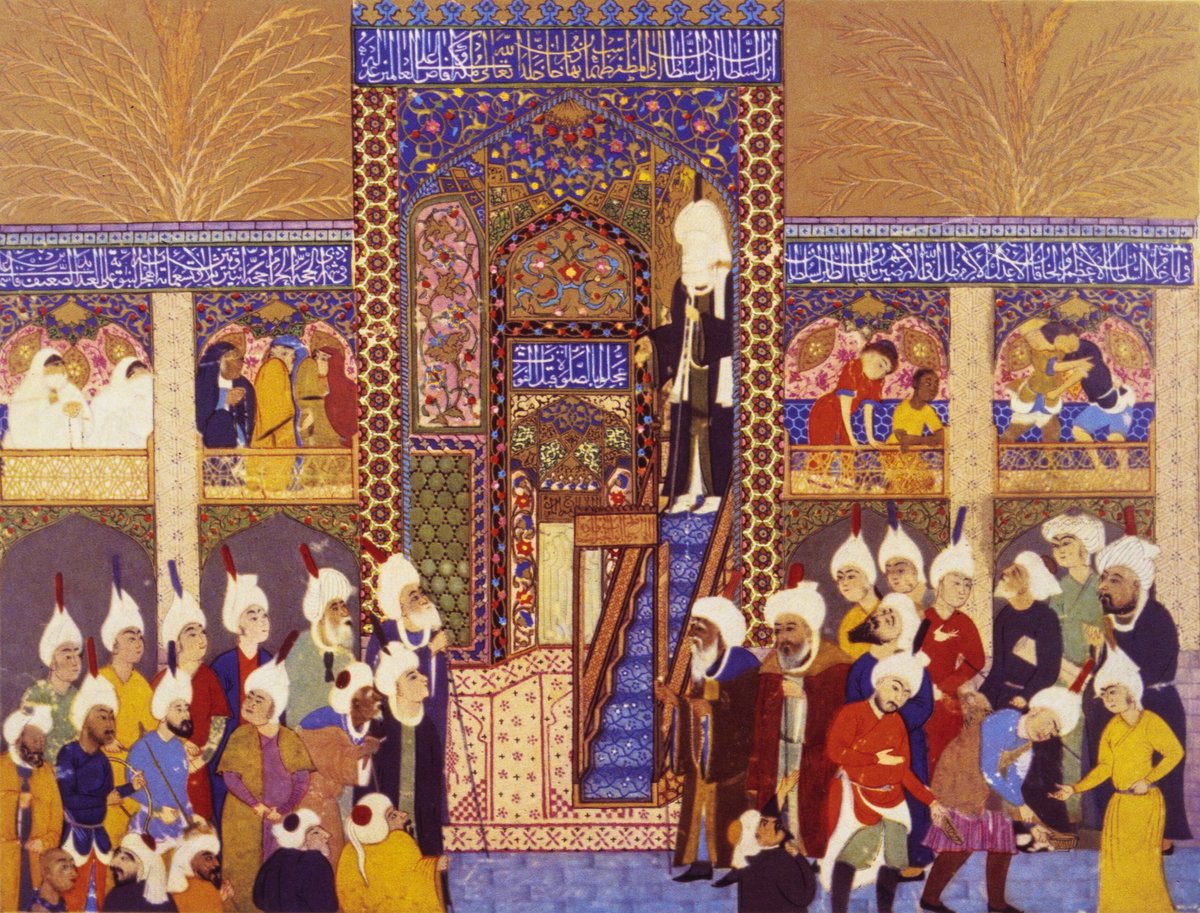

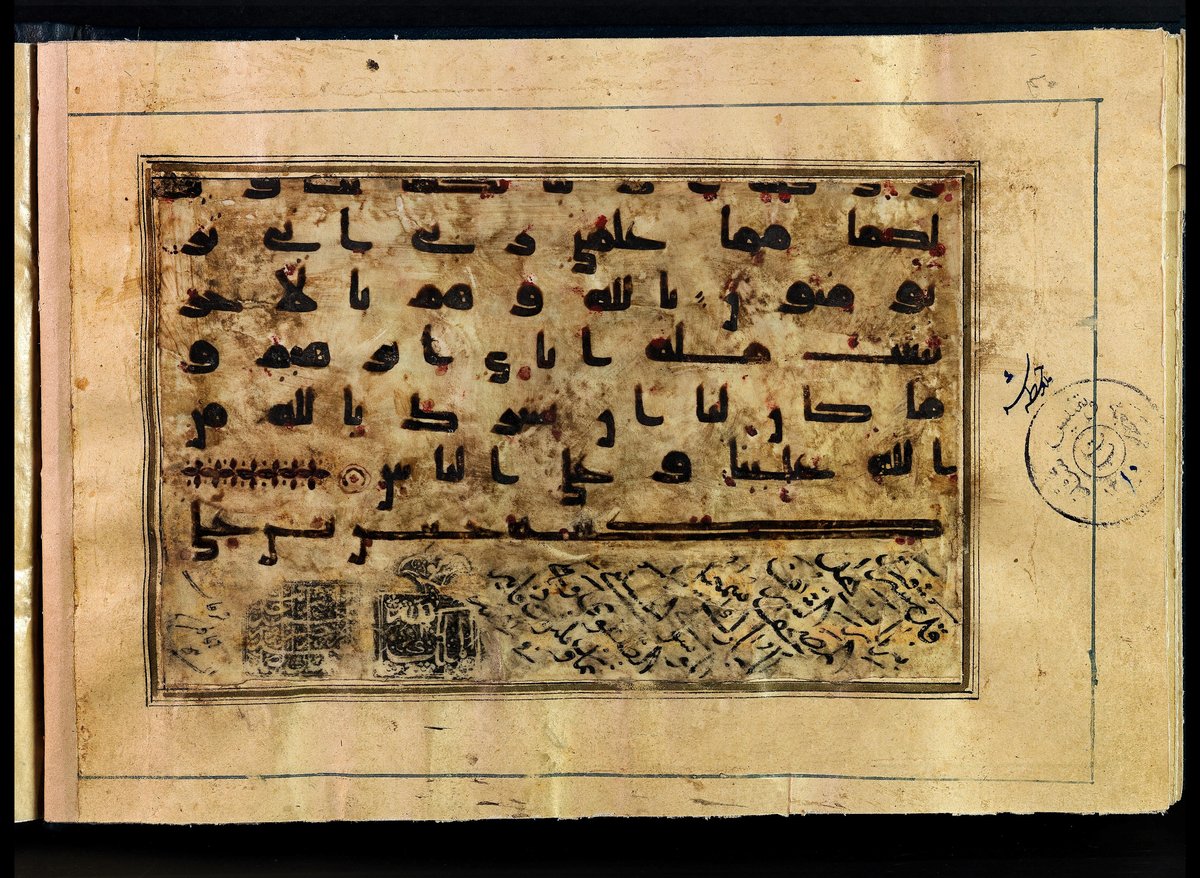
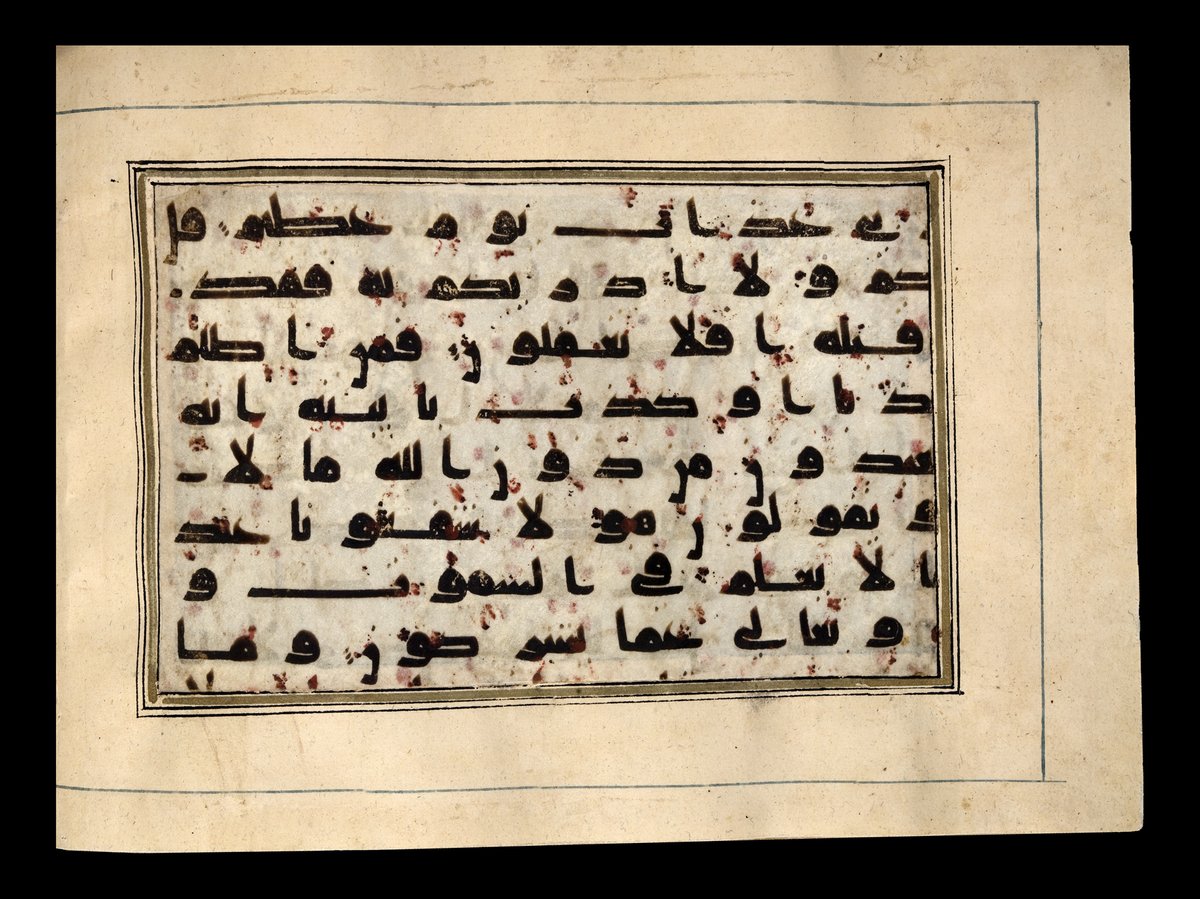
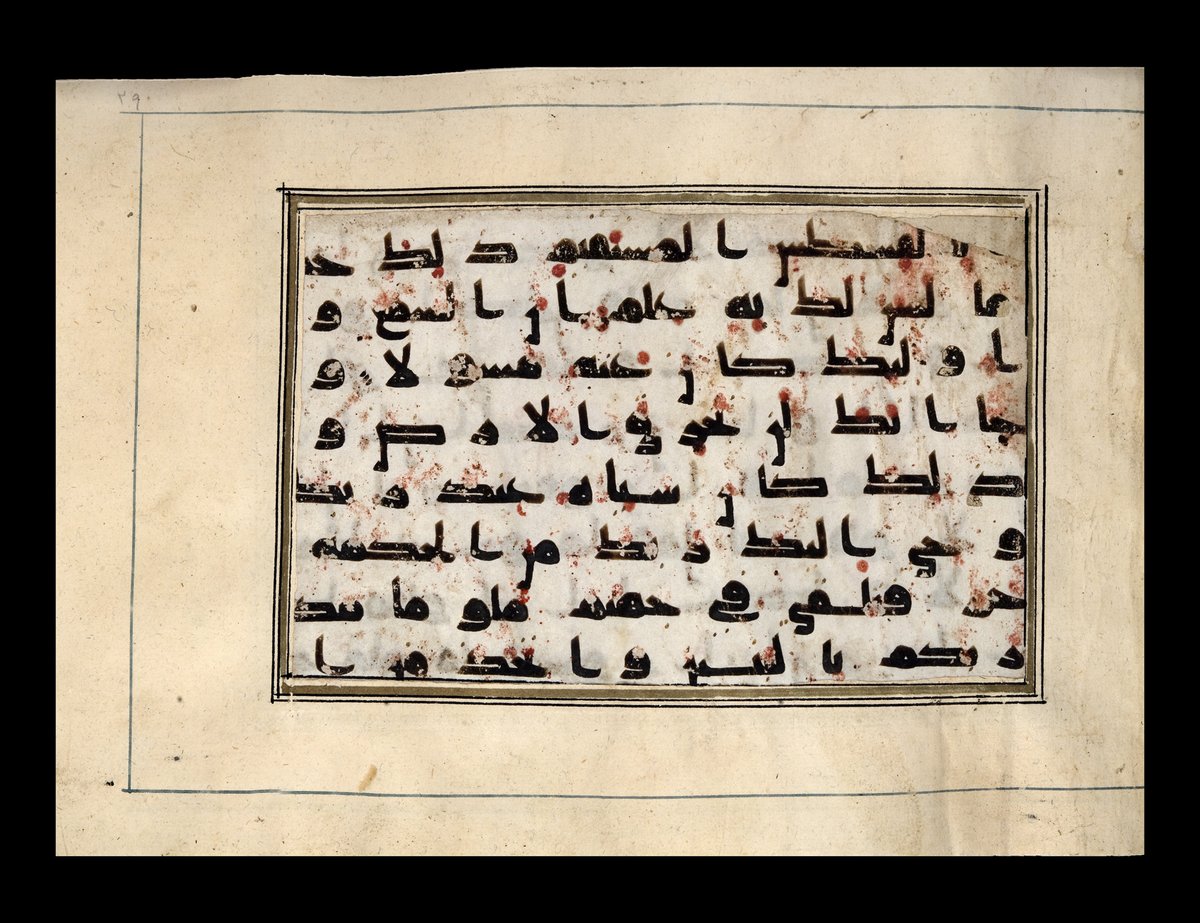
Brief History and Legacy of Hassan Ibn Ali
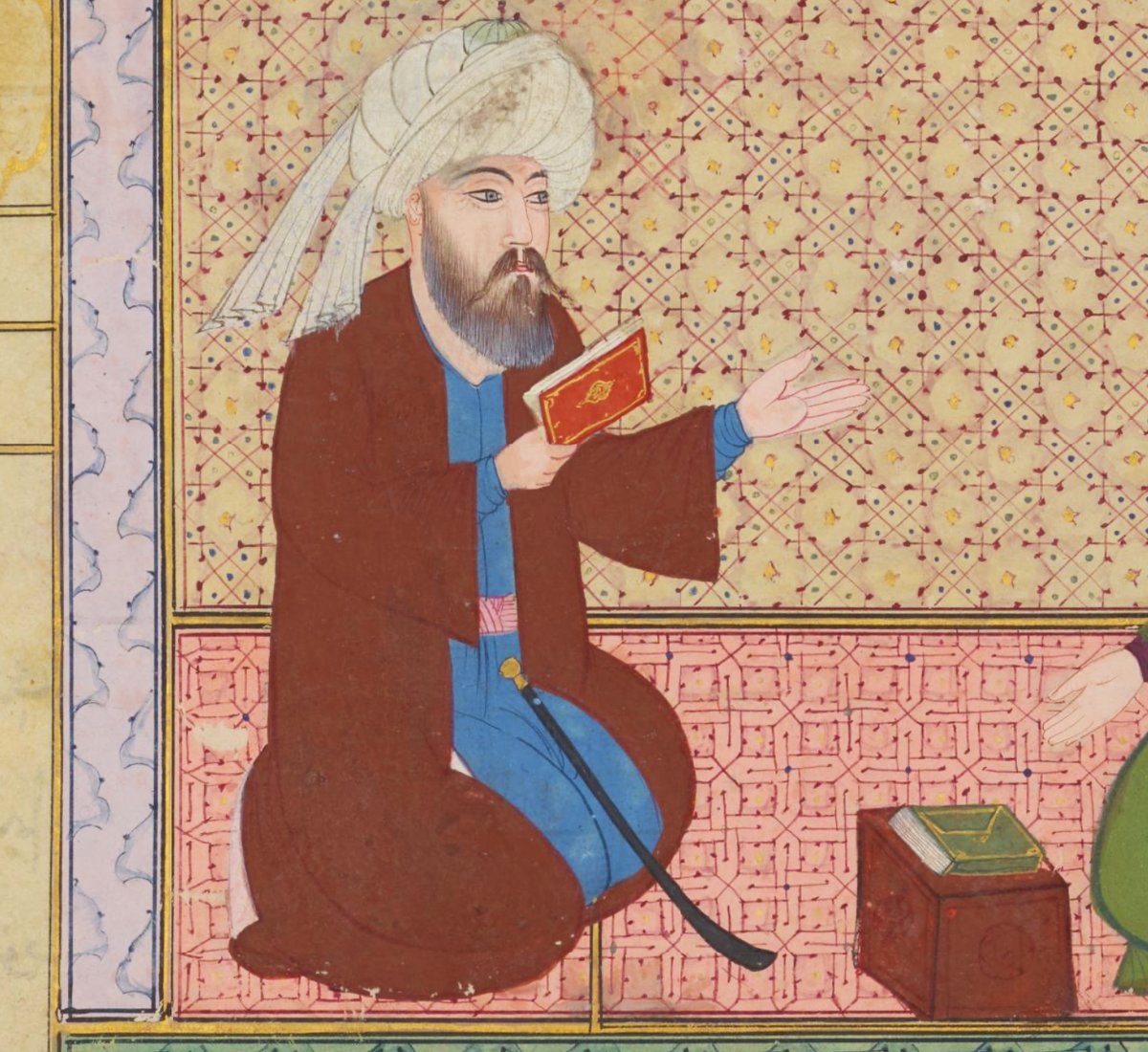
Born in 624 CE (3 AH) in Medina, Hassan ibn Ali was the first son of Ali ibn Abi Talib, the fourth caliph, and Fatimah, the Prophet’s daughter. As the eldest grandson of Prophet Muhammad, Hassan was revered for his piety, scholarship, and commitment to Islamic unity. Following his father’s assassination, he briefly assumed the caliphate before abdicating in favor of Muawiyah to prevent further conflict—a decision that set a powerful precedent for reconciliation in Islamic governance. Hassan spent his later years in Medina, focusing on teaching and charity, until his passing in 670 CE. His tomb in Jannat al-Baqi remains a focal point for those seeking spiritual and historical connection (About Islam).
The Role of Hassan Ibn Ali in Islamic Unity
Hassan ibn Ali’s leadership was marked by his choice to relinquish power for the sake of peace. After Ali’s assassination, Hassan became caliph but soon negotiated a peace treaty with Muawiyah, averting civil war. This act, foretold by the Prophet Muhammad, exemplified Hassan’s humility and vision for unity in the Muslim ummah (About Islam). His decision is celebrated as a model of self-sacrifice and conflict resolution, influencing Islamic governance to this day.
Reverence in Sunni and Shia Traditions
Both Sunni and Shia Muslims honor Hassan ibn Ali, though his status holds special prominence in Shia Islam, where he is recognized as the second Imam. Sunni traditions respect him as a righteous caliph and a member of the Prophet’s family (Ahl al-Bayt), emphasizing his role in maintaining communal unity. His character and actions are invoked as examples of piety, generosity, and justice, and his burial site is a source of inspiration and reflection for all Muslims (About Islam).
The Burial Site: Jannat al-Baqi Cemetery
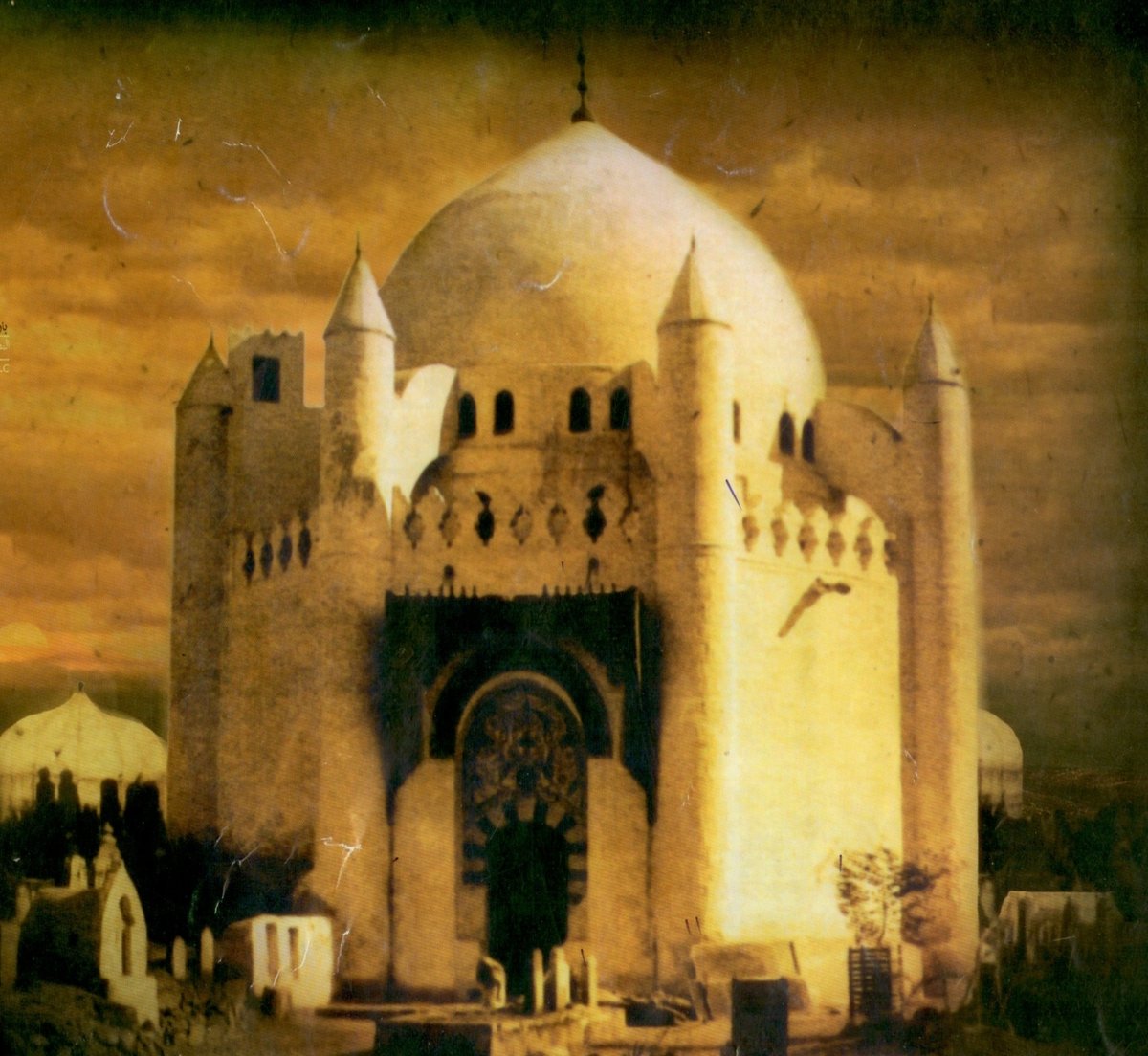
Jannat al-Baqi, located beside the Prophet’s Mosque in Medina, is one of Islam’s most significant cemeteries, established after the Prophet’s migration to Medina. It contains the graves of many of the Prophet’s family members, companions, and early scholars, including Hassan ibn Ali (Duas.org). The cemetery’s original mausoleums were demolished in the early 20th century, leaving simple, unmarked graves—a reflection of the ascetic ideals in early Islam but also a subject of ongoing debate and sorrow, particularly among Shia communities (Cities from Salt).
Practical Visitor Information
Location
- Jannat al-Baqi Cemetery is situated directly adjacent to the eastern wall of the Prophet’s Mosque in Medina’s city center. The main entrance is on the west side, near the mosque (madainproject.com).
Visiting Hours
- Open daily from dawn (after Fajr prayer) until shortly after sunrise, and again from after Asr (afternoon) prayer until sunset.
- Hours may change during Ramadan or pilgrimage seasons; check with local authorities or Medina Tourism Board for current schedules.
Entrance Fees
- Free entry—no tickets or fees are required.
Accessibility
- Accessible to people of all ages and most abilities; wheelchair pathways are available, but some terrain may be uneven.
- Entry is restricted to Muslims; non-Muslims may view the cemetery from designated areas outside its walls (kidskonnect.com).
Tickets and Guided Tours
- No tickets required; entry is on a walk-in basis.
- Guided tours are available from local operators and often include other historical sites. These tours provide valuable context on the cemetery’s history and significance.
Visitor Etiquette and Cultural Protocols
- Dress modestly: Men should wear long trousers and sleeved shirts; women must wear an abaya and cover their hair.
- Behavior: Maintain silence and respectful conduct; loud conversations and disruptive actions are not permitted.
- Photography: Generally prohibited inside the cemetery to preserve sanctity.
- Prayers: It is customary to recite prayers quietly for the deceased. Overt mourning rituals are restricted by local authorities.
- Physical respect: Do not touch or sit on graves; remain on designated pathways.
- Security: Follow all directions from security personnel (thecompletepilgrim.com).
Travel Tips
- Best time to visit: Early morning or late afternoon to avoid crowds and heat.
- Hydration: Bring water (not allowed inside cemetery); avoid midday visits in summer.
- Plan around prayers: Access may be restricted during peak prayer times.
- Language: While Arabic is primary, English is widely understood near the mosque.
- Women’s access: Designated times for women may apply; check with local authorities in advance.
- Maps and guides: Mobile apps and printed maps can help locate specific graves (madainproject.com).
Nearby Historical and Religious Sites
- Al-Masjid an-Nabawi (The Prophet’s Mosque): Second holiest mosque in Islam, adjacent to Jannat al-Baqi.
- Quba Mosque: The first mosque built by the Prophet, located a few kilometers away (regencyholidays.com).
- Mount Uhud: Site of the historic Battle of Uhud, 5 km north of the mosque (hotelsplatform.com).
- Dar Al Madinah Museum: Offers insight into Medina’s rich history (hotelsplatform.com).
Frequently Asked Questions (FAQ)
Q: What are the visiting hours for Hassan ibn Ali’s tomb?
A: Jannat al-Baqi is open after Fajr prayer until shortly after sunrise, and after Asr prayer until sunset. Hours may vary during religious seasons.
Q: Is there an entrance fee?
A: No, entry to the cemetery is free.
Q: Can non-Muslims visit Jannat al-Baqi?
A: No, entry is restricted to Muslims. Non-Muslims may view the cemetery from outside.
Q: Are guided tours available?
A: Yes, local operators offer guided tours focusing on Jannat al-Baqi and Medina’s historical sites.
Q: Is photography allowed?
A: Photography is generally prohibited inside the cemetery.
Q: What is the dress code?
A: Modest, respectful attire is required—long trousers and sleeves for men; abaya and hair covering for women.
Cultural Impact and Global Significance
Hassan ibn Ali’s legacy transcends religious boundaries, influencing Islamic ethics, literature, and leadership models. His example of prioritizing peace over power is often cited in contemporary discussions on conflict resolution within the Muslim world. The demolition of his tomb’s original structure remains a subject of debate among historians and religious communities, highlighting the ongoing need for heritage preservation (Cities from Salt). Despite physical changes, Jannat al-Baqi’s spiritual significance endures, drawing millions of pilgrims annually.
Summary Table: Key Aspects of Visiting Hassan ibn Ali’s Tomb
| Aspect | Details |
|---|---|
| Spiritual Status | Grandson of Prophet Muhammad; second Imam in Shia Islam, revered in Sunni tradition |
| Role in Unity | Brokered peace between rival factions; relinquished caliphate to prevent civil war |
| Burial Site | Jannat al-Baqi cemetery, Medina |
| Visiting Hours | After Fajr prayer until shortly after sunrise, and after Asr prayer until sunset |
| Entry Fee | Free |
| Access | Muslims only; non-Muslims may view from outside |
| Pilgrimage Importance | Major site for ziyarat (visitation), especially during Hajj and Umrah |
| Heritage Controversy | Mausoleums demolished in 1925; ongoing discussions on preservation |
| Global Impact | Inspires religious, ethical, and cultural discourse worldwide |
Discover More
Planning your pilgrimage or spiritual journey to Medina? Ensure you include a visit to Jannat al-Baqi and the tomb of Hassan ibn Ali. For up-to-date guides, maps, and travel tips, download the Audiala app and follow official resources such as the Medina Tourism Board. Respect the sanctity of these sites, prepare adequately, and embrace the opportunity to connect deeply with Islamic heritage.
For more comprehensive guides and resources, see:
About Islam
Duas.org
Cities from Salt
Madain Project
The Complete Pilgrim
Regency Holidays
The Traveler’s Buddy
Hotels Platform
Listen to the full story in the app
The whole Hassan Ibn Ali,
told well.
Audio guides for 1,100+ cities across 96 countries. History, stories, and local insight — offline ready.
Verified, and shown.
Researched and written by the Audiala editorial team from historical records, architectural archives, and local expertise.
Researched from Wikidata, Wikipedia & official sources · fact-checked · How we make our guides →