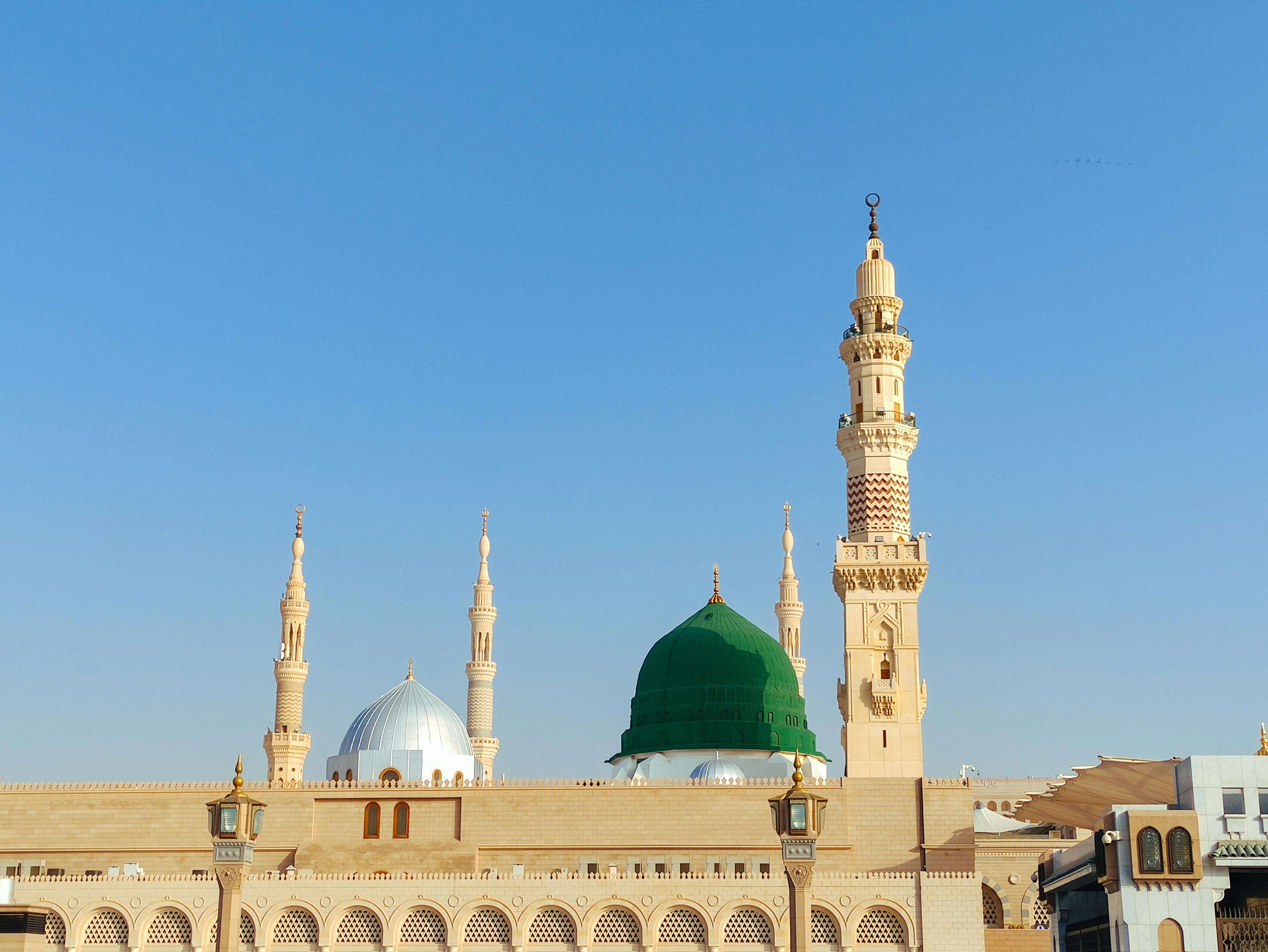
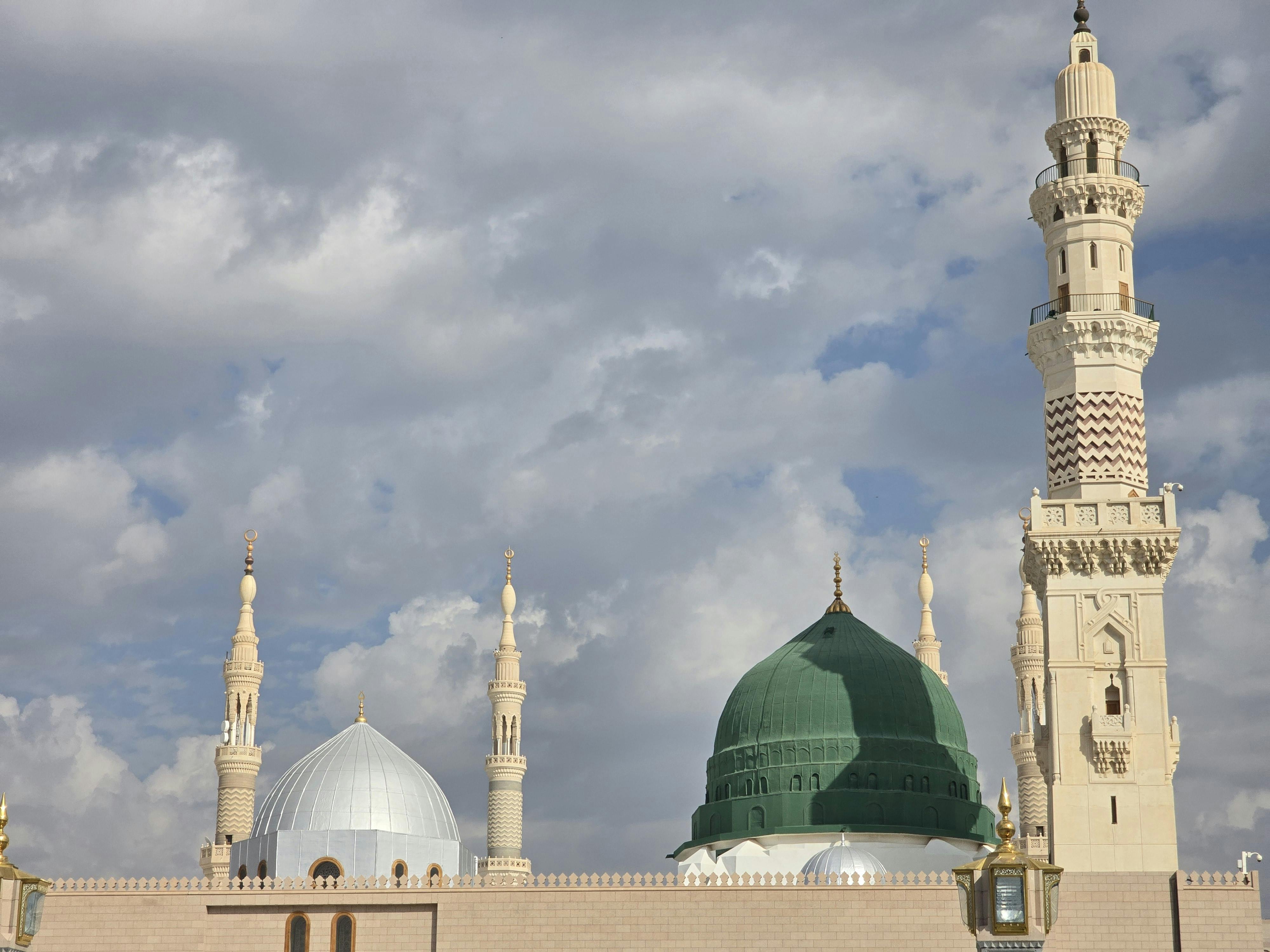
Plan and listen to Bani Haritsah Mosque with Audiala.
Audio guide in your pocket, itinerary in your browser. Built for the way you actually visit.
Introduction to Bani Haritsah Mosque
Nestled in Medina, Saudi Arabia, Bani Haritsah Mosque—also known as Masjid Al-Misbah or Masjid Al-Mustarah—is a landmark of profound historical and spiritual significance. Revered as the site of the Prophet Muhammad’s (SAW) first Fajr prayer upon arriving in Medina, the mosque stands as a testament to the origins of the Islamic community and a symbol of unity and faith (3rooj.com). Its proximity to important sites like Quba Mosque and Al-Masjid an-Nabawi makes it a vital stop for pilgrims and history enthusiasts exploring Medina’s heritage (Trek Zone).
This guide offers detailed information on visiting hours, tickets, accessibility, etiquette, and nearby attractions, ensuring a meaningful and respectful visit to this treasured site.
Historical Background
Early Islamic Significance
Bani Haritsah Mosque’s origins are closely linked to the Prophet Muhammad’s migration (Hijrah) from Mecca to Medina in 622 CE (3rooj.com). Medina, then Yathrib, was home to the Aws and Khazraj tribes, including the Bani Haritsah clan, known for their support of the Prophet. Tradition holds that the Prophet performed his first dawn prayer (Fajr) at this location, marking the birth of the first Islamic community and giving the mosque its alternative name, Masjid Al-Misbah (“mosque of the lamp”).
Role in Early Community Life
The mosque served as a gathering point for the Prophet and his companions, facilitating discussions on faith, governance, and the challenges of building a new community. It was also a resting place for the Prophet after the Battle of Uhud and played a strategic role during the Battle of the Trench (madainproject.com).
Architectural Features and Preservation
Evolution Over Time
The mosque’s original design was simple—an open prayer space characteristic of early Islamic architecture. Over the centuries, it has undergone several renovations, particularly during the Ottoman era and under King Fahd’s rule, which expanded the mosque while preserving its historical character (3rooj.com).
Key Features:
- Mihrab: Indicates the qibla (direction of prayer).
- Minbar: Used for sermons.
- Courtyard (Sahn): Offers space for gatherings and overflow during large prayers.
- Minaret: Added in modern renovations as a call to prayer landmark.
- Materials: Neutral-toned stone and plaster with minimal decoration, reflecting simplicity and humility.
Accessibility improvements include ramps and basic facilities for worshippers of all abilities.
Visiting Information
Hours and Entry
- Opening Hours: Daily from approximately 5:00 AM (Fajr) to 9:00 or 10:00 PM, with slight variations during Ramadan and special occasions. Check local prayer times for precise opening.
- Entry Fee: Free for all visitors.
- Best Times to Visit: Early mornings or late afternoons, especially during cooler months (November–March), offer a peaceful experience with fewer crowds (Airlink Hajj and Umrah).
Guided Tours
Guided tours can be arranged through local operators or hotel concierge services. These tours often cover the mosque’s history and other Medina heritage sites (hijazhajjnumrah.com).
Accessibility
- For Disabled Visitors: Ramps, accessible restrooms, and designated prayer areas are available, though the site’s historic nature means some limitations. Confirm specific needs with mosque staff ahead of your visit.
- Transport: Reachable by car, taxi, bus, or on foot from Al-Masjid an-Nabawi (about 15–20 minutes walking). Ride-hailing apps like Uber and Careem are widely used.
Etiquette and Cultural Guidelines
- Dress Code: Modest Islamic attire is required. Men should wear pants and sleeved shirts; women must cover arms, legs, and hair with a headscarf (Alhannah Islamic Clothing, Blue Mosque Dress Guide).
- Behavior: Maintain quiet, respectful conduct. Silence phones, avoid loud conversations, and ask before taking photographs.
- Ritual Cleanliness: Perform wudu (ablution) before entering. Remove shoes before stepping onto prayer carpets.
- Gender Segregation: Separate prayer areas and entrances for men and women; follow signage and staff instructions.
Facilities
- Ablution and Restrooms: Clean and modern facilities available.
- Prayer Halls: Comfortable, air-conditioned spaces for worship.
- Shaded Courtyards: Provide relief during hot weather.
- Drinking Water: Readily available on site.
Nearby Attractions
Bani Haritsah Mosque’s central location allows visitors to combine their visit with other important Medina historical sites:
- Al-Masjid an-Nabawi (The Prophet’s Mosque): Second holiest site in Islam, just 900 meters south (Medium).
- Quba Mosque: First mosque built in Islam, a short drive away.
- Masjid Qiblatain: Known for the change in qibla direction.
- Mount Uhud: Historic battlefield and graves of martyrs.
- The Seven Mosques (Sab’ah Masajid): Linked to key events in early Islam (MyHolidays).
- Local Markets: Souq Al-Tamar for Ajwa dates and local crafts.
Practical Tips
- Weather: Summers are hot (over 40°C/104°F); wear sun protection, carry water, and plan visits for cooler times.
- Language: Arabic is primary, but English is common in tourist areas.
- Safety: Medina is very safe, with visible security, especially during Hajj and Ramadan.
- Photography: Permitted outside; ask before taking photos inside or of people.
Distance Matrix to Key Attractions
| Attraction | Distance from Bani Haritsah Mosque | Estimated Walking Time |
|---|---|---|
| Al-Masjid an-Nabawi | ~900 meters | 15–20 minutes |
| Quba Mosque | ~5 km | 15 minutes by car |
| Mount Uhud | ~3 km | 10 minutes by car |
| The Seven Mosques | ~2 km | 36 minutes |
| Al-Noor Mall | ~1.4 km | 25 minutes |
Distances are approximate and may vary by route.
Frequently Asked Questions (FAQ)
Q: What are the visiting hours of Bani Haritsah Mosque?
A: Daily from approximately 5:00 AM to 9:00 or 10:00 PM; check local prayer schedules for precise times.
Q: Is there an entrance fee?
A: No, entry is free.
Q: Are guided tours available?
A: Yes, through local tour operators or hotels.
Q: Is the mosque accessible for people with disabilities?
A: Yes, there are ramps and accessible facilities, but confirm specific needs ahead of your visit.
Q: What is the best time to visit?
A: Early mornings, late afternoons, and the cooler months (November–March) are most comfortable.
Q: Are non-Muslims allowed?
A: Non-Muslims can visit mosque courtyards; prayer halls may have restrictions—check local guidelines.
Discover More
Bani Haritsah Mosque stands as a living link to the formative days of Islam, offering pilgrims and travelers a serene site for worship, reflection, and cultural discovery. Its accessibility, welcoming atmosphere, and proximity to Medina’s other sacred sites make it a highlight of any visit to the city.
For the latest updates, guided tour options, and further resources on Medina’s historical sites, download the Audiala app and follow local tourism channels. Embrace the opportunity to explore the spiritual and historical heart of Medina with respect and curiosity.
Listen to the full story in the app
The whole Bani Haritsah Mosque,
told well.
Audio guides for 1,100+ cities across 96 countries. History, stories, and local insight — offline ready.

Verified, and shown.
Researched and written by the Audiala editorial team from historical records, architectural archives, and local expertise.
Researched from Wikidata, Wikipedia & official sources · fact-checked · How we make our guides →