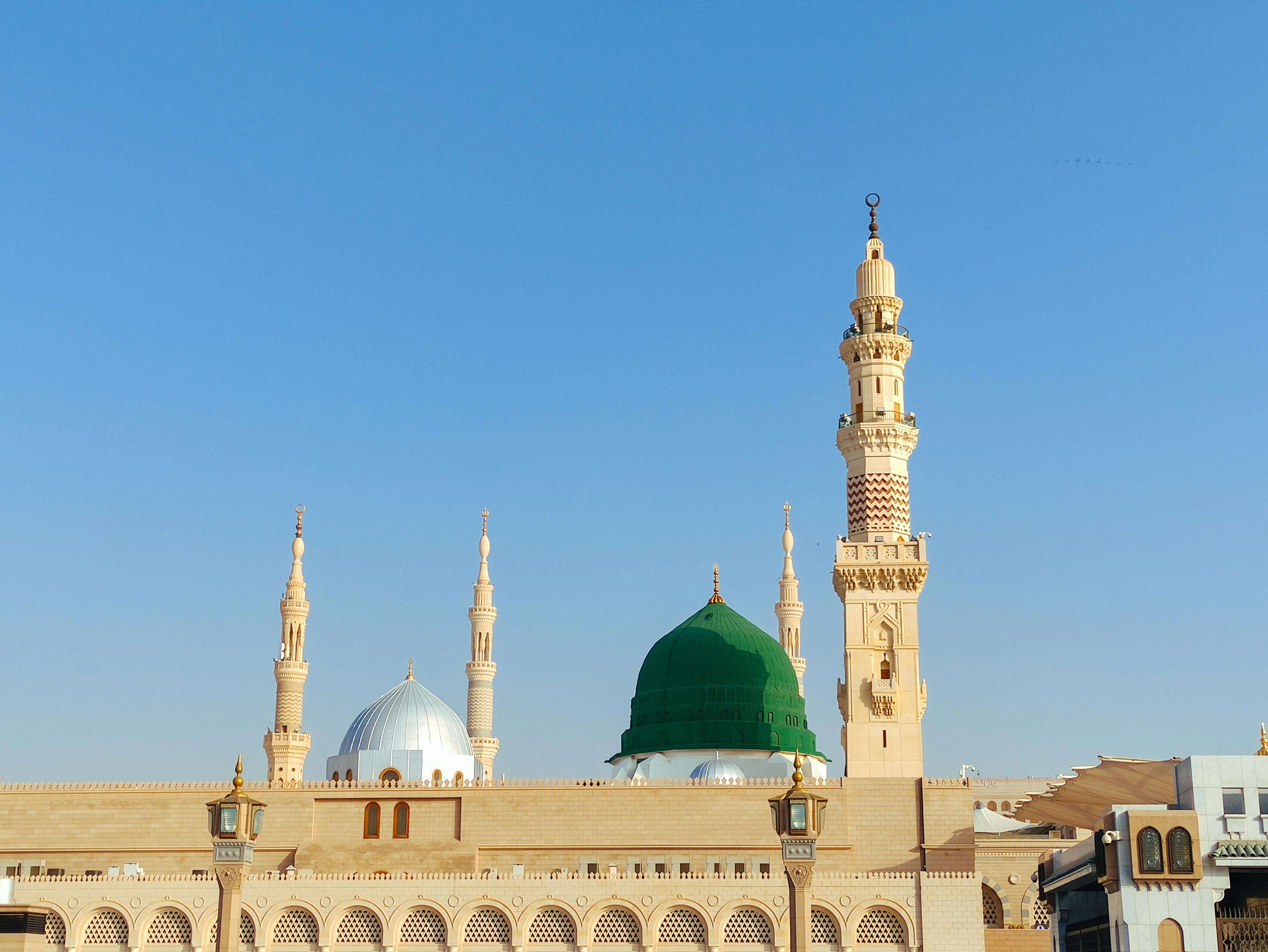
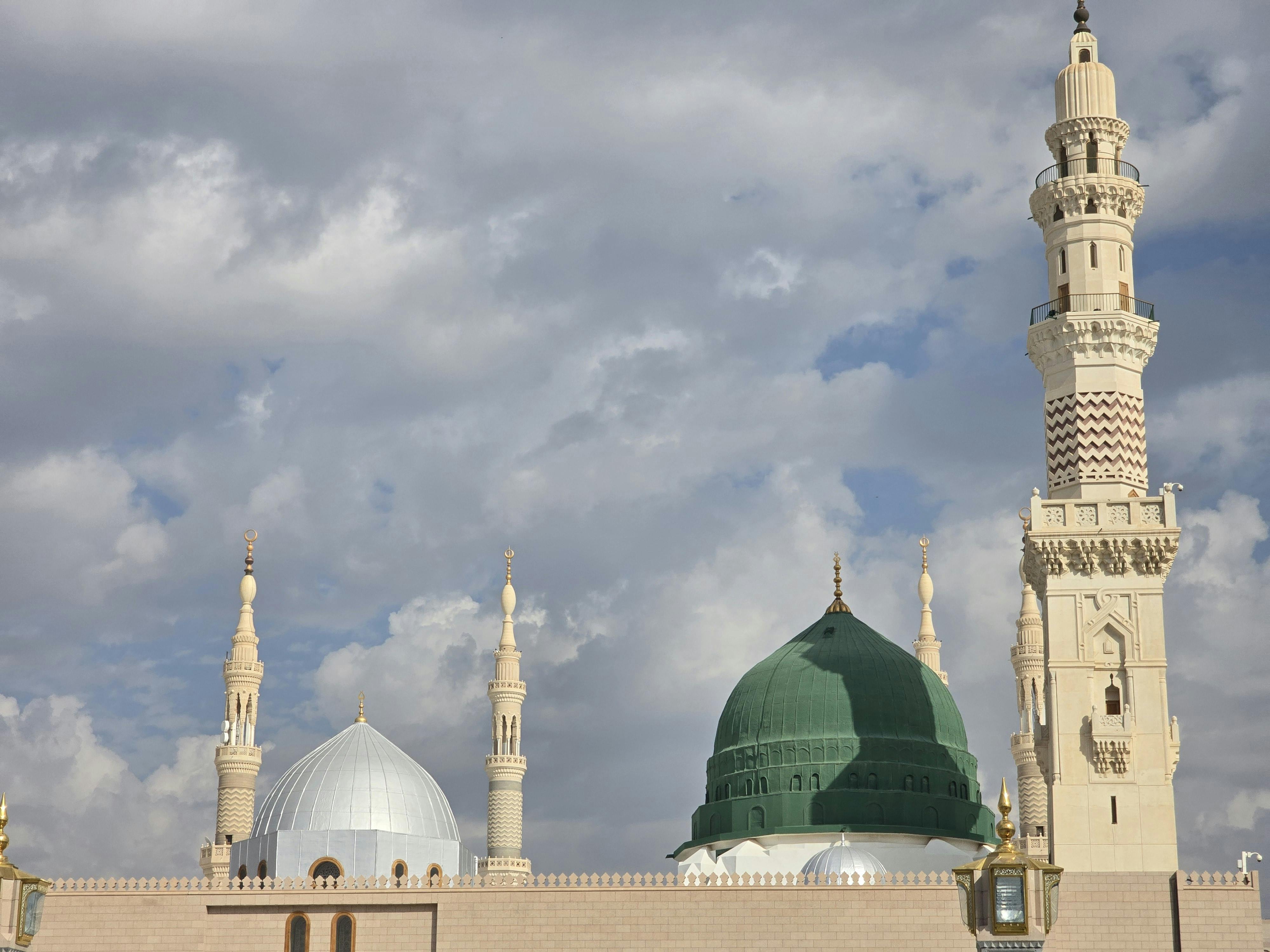
Plan and listen to As-Sabaq Mosque with Audiala.
Audio guide in your pocket, itinerary in your browser. Built for the way you actually visit.
Introduction
Nestled in the sacred city of Medina, Saudi Arabia, As-Sabaq Mosque is a site of quiet but profound historical resonance. Renowned for its association with the early Islamic community and its unique role as a training ground for physical and military exercises under the guidance of Prophet Muhammad (peace be upon him), the mosque offers a window into the formative years of Islam. Though modest and, in some accounts, no longer physically standing due to urban development, As-Sabaq Mosque remains an important part of Medina’s spiritual heritage.
This guide provides a detailed overview of the mosque’s history, practical visitor information, cultural etiquette, accessibility, and travel tips to ensure a meaningful and respectful experience. Whether you are a pilgrim, historian, or traveler interested in Islamic heritage, As-Sabaq Mosque is a site that embodies the integration of faith, discipline, and community in early Islam (Visiting As-Sabaq Mosque in Medina: History, Religious Significance, Hours & Tips, As-Sabaq Mosque in Medina: History, Architecture, and Visitor Information, As-Sabaq Mosque Visiting Hours, Tickets, and Visitor Guide | Medina Historical Sites, Visiting As-Sabaq Mosque in Medina: Hours, Tickets, and Cultural Etiquette).
Historical Background
Early Islamic Context and Location
As-Sabaq Mosque (Masjid as-Sabaq) was situated northwest of Al-Masjid an-Nabawi, near what was once the fringe of Medina at the time of the Prophet. The area, historically known as Maidan Bab al-Shami, was open ground used for horse and camel racing, archery, and military drills. Its location made it a strategic site for communal and martial activities.
Role During the Prophet’s Time
The name “As-Sabaq,” meaning “race” or “competition,” reflects its function as a training ground. Prophet Muhammad (peace be upon him) is reported to have brought his companions here for physical training and preparation for key battles, notably the Battle of Uhud. Hadith literature, including Sahih al-Bukhari and Sahih Muslim, records horse races and martial drills organized in this area by the Prophet himself, fostering unity, discipline, and preparedness among the early Muslims.
Architectural Evolution and Demolition
Originally a simple, perhaps open-air structure, As-Sabaq Mosque evolved over the centuries. Later periods, including the Mamluk and Ottoman eras, saw the addition of decorative elements, domes, and a distinctive minaret. The mosque was last significantly renovated in the 20th century. However, urban expansion led to its demolition, and today the site is occupied by modern infrastructure such as the SAPTCO transit station. While the mosque no longer physically exists, its legacy is preserved in the collective memory and historical records of Medina.
Religious and Spiritual Significance
Despite its modest size and current absence, As-Sabaq Mosque holds enduring religious value. It is closely linked to the Sunnah—the practices of the Prophet—and symbolizes Islam’s holistic approach, blending spiritual devotion with physical vitality and communal responsibility. The mosque also played a pivotal role in the military and defensive strategies during significant events such as the battles of Uhud and the Trench, making it integral to the narrative of early Islamic history.
Visitor Information
Visiting Hours and Entry
- Opening Hours: Historically, the mosque was open from dawn (Fajr) to after evening prayers (Isha). As it has been demolished, visitors can only explore the site’s surroundings and nearby historical markers.
- Entry Fee: There is no entrance fee. Visiting the area is free of charge (Madain Project, TravelSetu).
Accessibility and Facilities
- Physical Access: Medina is serviced by Prince Mohammad bin Abdulaziz International Airport. Taxis and public transportation can bring visitors to the former site of As-Sabaq Mosque.
- Facilities: As the mosque no longer stands, there are no on-site visitor amenities. The SAPTCO mass transit station nearby offers some facilities, and the area is pedestrian-friendly.
- Accessibility: The site is generally accessible, though visitors with mobility challenges should note the absence of dedicated ramps or accessible amenities.
Cultural Etiquette and Dress Code
- Dress Modestly: Women should wear loose-fitting clothing that covers the arms and legs; carrying a scarf is advised. Men should wear long trousers and sleeved shirts (Travel Around The World Blog).
- Behavior: Speak quietly, avoid public displays of affection, and remove shoes before entering any prayer areas in nearby mosques. Respect prayer times and avoid interrupting worshippers.
- Photography: Do not photograph people without permission. Inquire or look for signs about photography rules for historical sites (UAK Travel).
Safety and Security
- General Safety: Medina is safe, with a visible security presence. Carry identification and expect routine security checks, especially during religious holidays and major events.
- Health Precautions: Bring water, sunblock, and sun protection due to the hot climate.
Practical Travel Tips
- Plan visits around prayer times to avoid closures and crowds.
- Use GPS navigation or local guides, as English signage is limited.
- Combine your visit to As-Sabaq Mosque’s location with nearby landmarks for a richer historical experience.
- Download the Audiala app for multimedia guides, maps, and up-to-date information on Medina’s historical sites.
Nearby Attractions
- Al-Masjid an-Nabawi: The Prophet’s Mosque, the second-holiest mosque in Islam.
- Quba Mosque: The first mosque built in Islamic history.
- Qiblatain Mosque: Renowned for being the site where the qibla (direction of prayer) was changed.
- Seven Mosques Complex: A cluster of small mosques tied to key battles and events.
- Mount Uhud and Mount Sela: Historic sites linked to major battles.
Frequently Asked Questions (FAQ)
Q: Can I visit As-Sabaq Mosque today?
A: The mosque itself has been demolished. You can visit the site and explore nearby historical markers.
Q: Is there an entrance fee?
A: No, visiting the site is free.
Q: Are non-Muslims allowed to visit?
A: Non-Muslims may visit Medina, but access to certain religious sites is restricted. Always check current policies.
Q: Are guided tours available?
A: As-Sabaq Mosque is included in some broader Medina heritage tours. Inquire with local tour operators.
Q: Is the site accessible for people with disabilities?
A: The area is generally accessible, though facilities are limited.
Summary
As-Sabaq Mosque, though modest and now physically absent, remains a symbol of Medina’s rich Islamic heritage—emphasizing the importance of faith, community, and physical preparedness in early Islam. Visitors can honor its legacy by exploring the site, learning about its history, and visiting surrounding sacred landmarks. Leveraging travel resources such as official tourism platforms and the Audiala app enhances the historical and spiritual journey through Medina.
Listen to the full story in the app
The whole As-Sabaq Mosque,
told well.
Audio guides for 1,100+ cities across 96 countries. History, stories, and local insight — offline ready.

Verified, and shown.
Researched and written by the Audiala editorial team from historical records, architectural archives, and local expertise.
Researched from Wikidata, Wikipedia & official sources · fact-checked · How we make our guides →