Plan and listen to Humane Heritage Museum with Audiala.
Audio guide in your pocket, itinerary in your browser. Built for the way you actually visit.
Introduction
The Humane Heritage Museum in Mecca, Saudi Arabia, is an essential cultural institution committed to preserving and interpreting the city’s unique history and Islamic heritage. Established by Majdou bin Ahmed Al-Sharawi, the museum has evolved from a private collection into a major destination for pilgrims, scholars, and tourists. Located in the Al Mursalat district, it offers an immersive exploration of Mecca’s spiritual, social, and urban evolution, providing context beyond the city’s renowned religious significance. With multilingual programs, interactive exhibits, and accessible facilities, the museum appeals to a diverse, global audience and stands as a gateway to understanding Mecca’s enduring human story (ibnbattutatravel.com, regencyholidays.com, TripVenture).
Origins and Establishment
The Humane Heritage Museum was founded by Majdou bin Ahmed Al-Sharawi to collect, conserve, and share artifacts that narrate Mecca and the broader Arabian Peninsula’s human and Islamic heritage. What started as a private initiative has grown into a prominent institution, now housing thousands of objects illustrating the city’s multifaceted past (ibnbattutatravel.com).
Development and Expansion
Located in Mecca’s Al Mursalat district (Museum of Human Heritage, Al Mursalat, Makkah 24247), the museum has expanded through the acquisition of diverse artifacts, including musical instruments, weapons, historic architectural elements, and archival documents. Community engagement remains central, with local contributions enriching the museum’s oral history and artifact collections.
Collections and Exhibits
Highlights
- Islamic Manuscripts and Qur’anic Artifacts: View centuries-old handwritten Qur’ans, illuminated in gold and intricate calligraphy, alongside interpretive panels explaining their historical context (blog.almosafer.com).
- Pre-Islamic and Early Islamic Artifacts: Pottery, inscriptions, and coins from pre-Islamic and early Islamic Mecca offer a glimpse into the city’s evolution as a trade and religious center (regencyholidays.com).
- Historic Photographs and Maps: Panoramic photos and historic maps document Mecca’s urban transformation and the routes of ancient pilgrimages (travelsetu.com).
- Pilgrimage Memorabilia and Hajj Artifacts: Includes historic Hajj permits, passports, personal belongings of pilgrims, and dioramas illustrating the rituals of Hajj (parrotio.com).
- Architectural Elements: Carved doors, latticework, and tiles from Mecca’s historic buildings highlight the city’s architectural diversity (soulofsaudi.com).
- Ethnographic Collections: Traditional clothing, jewelry, household utensils, and musical instruments celebrate Mecca’s multicultural heritage.
- Art and Calligraphy: Original works by renowned calligraphers, decorative ceramics, and textiles foster appreciation for Islamic artistic traditions (blog.almosafer.com).
- Temporary Exhibitions: Rotating displays explore themes such as the history of the Kaaba, the evolution of pilgrimage, and the role of women in Meccan society.
Visiting Information
Hours and Tickets
- Monday–Friday: 8:00 AM–12:30 PM & 4:00 PM–9:00 PM (regencyholidays.com)
- Saturday–Thursday: 9:00 AM–6:00 PM; Friday: 2:00 PM–6:00 PM (Evendo)
- Ticket Prices: 30 SAR for adults, discounted rates for students and children, free entry for residents and pilgrims in Ihram during Hajj/Umrah (TripVenture)
- Booking: Tickets available online via the official website or at the entrance; guided tours require advance booking.
Accessibility
- Wheelchair accessible with ramps, elevators, and tactile exhibits.
- Multilingual signage and audio guides.
- Family-friendly amenities and a children’s discovery zone.
- Special assistance services for visitors with additional needs.
Getting There
- Centrally located in Al Mursalat, easily reachable by taxi, ride-sharing apps, or public transport.
- Approximate travel time: 15–20 minutes from central Mecca (Evendo).
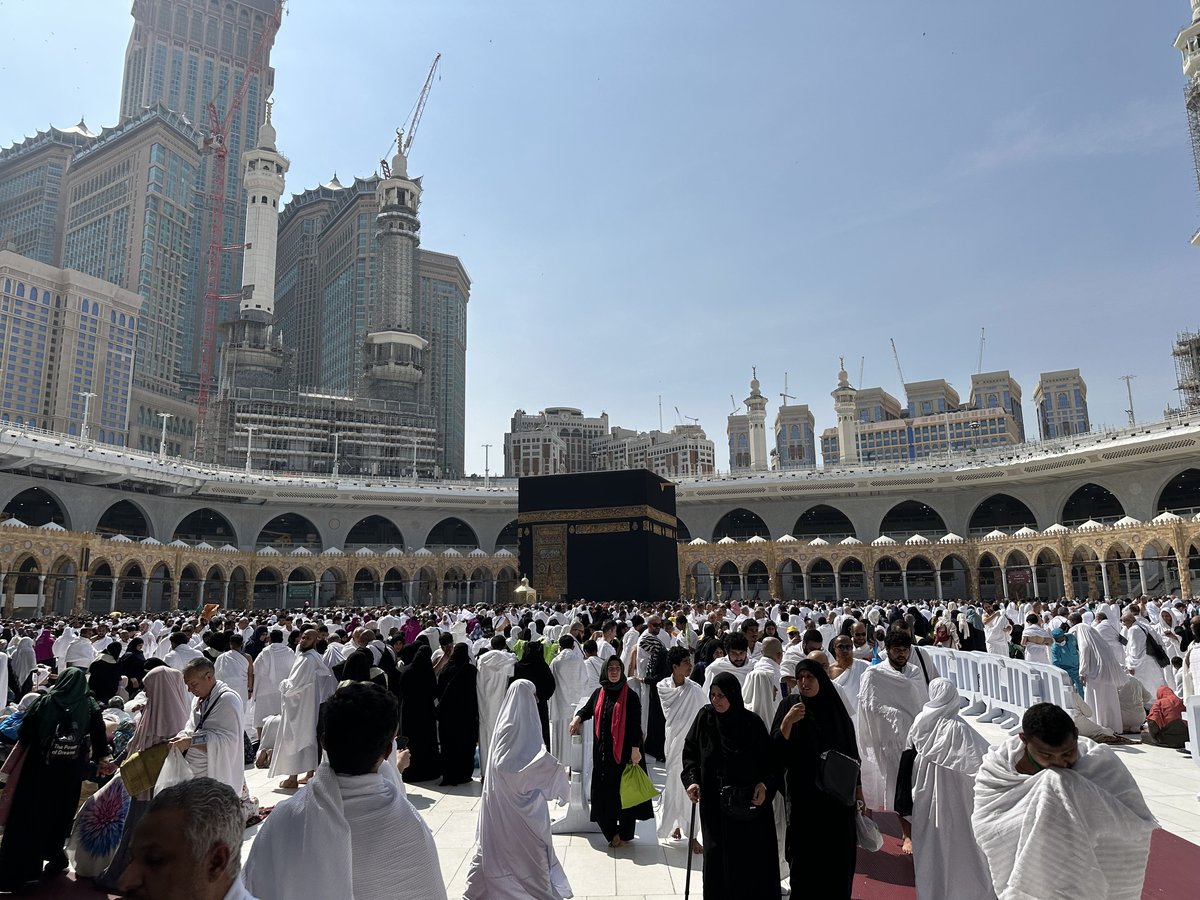
- Nearby: Al-Masjid al-Haram, Kaaba, Abraj Al Bait Towers, and traditional markets.
Educational and Interactive Experiences
- Digital Reconstructions: Explore 3D models of historic Meccan neighborhoods and pilgrimage routes.
- Interactive Multimedia: Audio-visual installations and oral histories from Meccan elders and scholars.
- Guided Tours: Available in several languages; can be tailored to focus on art, history, or pilgrimage.
- Children’s Discovery Zone: Hands-on activities, artifact handling, dress-up, and workshops to engage young visitors.
Conservation and Research Facilities
- Conservation Laboratory: View specialists working to preserve manuscripts, textiles, and archaeological finds.
- Research Library and Archives: Access to rare books and documents by appointment, supporting ongoing scholarship on Meccan history.
Cultural Significance and Community Engagement
The museum is a vital guardian of Mecca’s intangible heritage, preserving customs, beliefs, and collective memory. Community involvement, artifact donations, and oral history projects ensure the museum remains a living institution. Its commitment to digitization and online exhibitions extends Mecca’s heritage to a global audience, supporting sustainable tourism and responsible stewardship (islamicbestworld.com, TripVenture).
Visitor Experience and Accessibility
- Multilingual Descriptions: All exhibits include Arabic and English, with additional languages for key displays.
- Souvenir Shop: Books, replicas, and crafts inspired by the collections.
- Cultural Programs: Lectures, music performances, and community events complement the museum’s exhibitions.
Practical Travel Tips
- Dress Modestly: Men and women should wear conservative attire in line with local customs (Rehlat).
- Photography: Allowed in most areas; follow signage and staff guidance.
- Plan Your Visit: Check the official website or the Audiala app for current hours, ticket prices, and special exhibitions.
- Group Visits: Inquire about group discounts and book guided tours in advance.
Frequently Asked Questions (FAQ)
Q: What are the Humane Heritage Museum’s hours?
A: Generally open Monday–Friday 8:00 AM–12:30 PM & 4:00 PM–9:00 PM; Saturday–Thursday 9:00 AM–6:00 PM; Friday 2:00 PM–6:00 PM. Always confirm before visiting.
Q: How much do tickets cost?
A: 30 SAR for adults; discounts for students and children; free for Mecca residents and pilgrims in Ihram.
Q: Are guided tours available?
A: Yes, in multiple languages, by advance reservation.
Q: Is the museum wheelchair accessible?
A: Yes, with ramps, elevators, tactile displays, and assistance.
Q: What facilities are available for families?
A: Family-friendly exhibits, a children’s discovery zone, and educational programs.
Listen to the full story in the app
The whole Humane Heritage Museum,
told well.
Audio guides for 1,100+ cities across 96 countries. History, stories, and local insight — offline ready.

Verified, and shown.
Researched and written by the Audiala editorial team from historical records, architectural archives, and local expertise.
Researched from Wikidata, Wikipedia & official sources · fact-checked · How we make our guides →