The air in São Tomé smells of cocoa and salt. This is the capital of São Tomé and Príncipe, one of Africa's oldest colonial cities, where Portuguese-built squares sit quiet under the equatorial sun and the ghosts of plantation estates whisper from the jungle. You won't find crowds here, only the gentle rhythm of a place that has learned to move in sync with its own nature.
Researched from Wikidata, Wikipedia & official sources · fact-checked ·
How we make our guides →
SThe air in São Tomé smells of cocoa and salt. This is the capital of São Tomé and Príncipe, one of Africa's oldest colonial cities, where Portuguese-built squares sit quiet under the equatorial sun and the ghosts of plantation estates whisper from the jungle. You won't find crowds here, only the gentle rhythm of a place that has learned to move in sync with its own nature.
The city’s character is written in its roças. These vast, decaying plantation estates are not mere ruins but inhabited villages, where descendants of enslaved workers live among architectural gems slowly being reclaimed by vines. At Roça Agua Izé, the old hospital stands with its roof caved in, a monument to both colonial ambition and its eventual collapse. This layered history is the island’s central nervous system.
Chocolate is the local currency. Cocoa built the islands, and today you can taste world-class chocolate made from beans grown just a few kilometers away. The culture is one of profound ease. Locals are famously gentle, creating an atmosphere of safety and warmth that feels increasingly rare. You walk through the Central Market, a knot of streets humming with trade, and no one tries to sell you anything you don’t need.
Photography Hotspot
02
Why São Tomé.
What makes this place worth slowing down for.
fort
A City of Ruined Grandeur
São Tomé's identity is written in the decaying roças, vast colonial plantation estates slowly being reclaimed by jungle. At Roça Agua Izé, the old hospital crumbles under vines. These aren't just ruins; they're where the nation's story began.
nature
Nature's Vertical Statement
Pico Cão Grande rises 663 meters from the jungle 51km south of the capital, a volcanic spire that looks impossible. Hiking to its base from Santa Josefina is a pilgrimage into a landscape that feels more myth than geography.
anchor
The Equator in Your Path
A 20-minute boat ride from the south coast lands you on Ilhéu das Rolas, a small island split by the equator line. Stand with a foot in each hemisphere, then watch for leatherback turtles hauling themselves onto the sand at night.
storefront
Cocoa's Quiet Capital
Chocolate isn't a souvenir here; it's the main crop. You'll find world-class tastings in the capital, the direct result of the island's volcanic soil and humid air. It's the taste of the place itself.
04
Neighborhoods.
Where to wander, by quarter — each with its own rhythm.
01
Central Market & Transport Hub
This isn't a quiet district. It's the city's raw, beating heart. Several streets converge into a market where the air is thick with the scent of smoked fish and ripe fruit. Minibuses and shared taxis cluster here, engines idling, their destinations shouted in rapid Portuguese. Come for the energy, for a bag of cashews, to feel the daily pulse of the capital. Don't come for solitude.
02
Colonial Plaza Quarter
Find the quiet. Around the Cathedral—reputedly the oldest in Africa, though heavily rebuilt—and Fort São Sebastião, time slows. Sunlight filters through the leaves of square-planted trees onto pastel-colored Portuguese facades. This is where you sit with a drink and watch life pass. The fort itself, one of the oldest colonial buildings on the continent, now houses the National Museum. Its stone walls hold the weight of five centuries.
08
Where to Eat.
Where locals actually book dinner — not the tourist menus.
Fresh Seafood on the Northern Coast
Fresh Seafood on the Northern Coast
Head to the Mucumbli area on the northern coast for seafood pulled straight from the water. Grilled fish is a staple, often served with rice and a simple salad. The setting—a thatched bar by the beach—is as important as the meal.
★ local pick
Market Bounty at the Central Market
Market Bounty at the Central Market
The sprawling Central Market is where the city eats. It's less for formal dining and more for absorbing the atmosphere and sampling fresh fruit—think mangoes, bananas, and jackfruit—sold by the slice. Follow the scent of smoked fish and spices.
★ local pick
Cocoa in All Its Forms
Cocoa in All Its Forms
Beyond chocolate bars, seek out local cocoa tea or dishes that use cocoa as a spice. It's a reminder that this is a working plantation island. The best tastings explain the bean's journey from pod to paste.
★ local pick
09
Insider tips.
Small things that change how the city treats you.
hotel_class
Sample the Chocolate
Cocoa is the most important crop here. Seek out local chocolate tastings—you'll find world-class bars that tell the story of the island's soil and sun.
directions_car
Hire a Driver
Rent a car with a driver for day trips. The roads to Pico Cão Grande and the northern beaches are winding; a local knows the potholes and the best viewpoints.
dark_mode
See Turtles at Night
Visit Praia Jale or Praia Inhame after dark during nesting season. Leatherback turtles haul themselves ashore under the stars—keep your distance and use a red-light torch.
history_edu
Visit the Roças
Don't just see the city. Travel south to Roça Agua Izé or Roça Agostinho Neto. These decaying plantation estates are where the island's complex identity was forged.
attach_money
Carry Local Currency
Bring enough dobra for markets and taxis. Card payments are rare outside major hotels, and ATMs in the capital can be unreliable for foreign cards.
11
Gallery.
The city, as it actually looks.
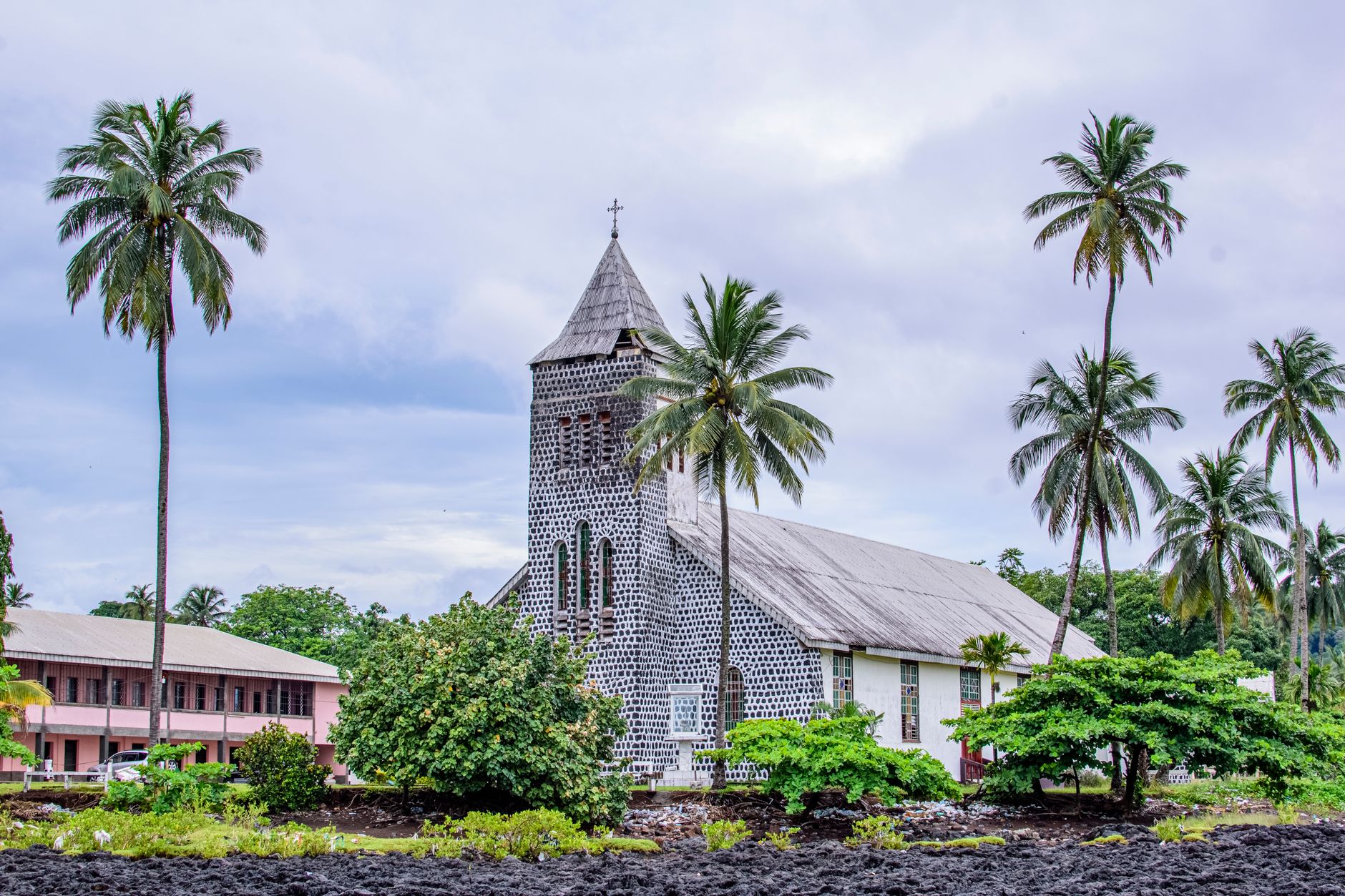
A picturesque stone church stands amidst tropical palm trees in the beautiful island nation of São Tomé and Principe.
George Njukeng on Pexels
A serene aerial perspective of a coastal landing in São Tomé, featuring traditional fishing boats resting on the shore near historic architecture.
Ness'arts Prod on Pexels
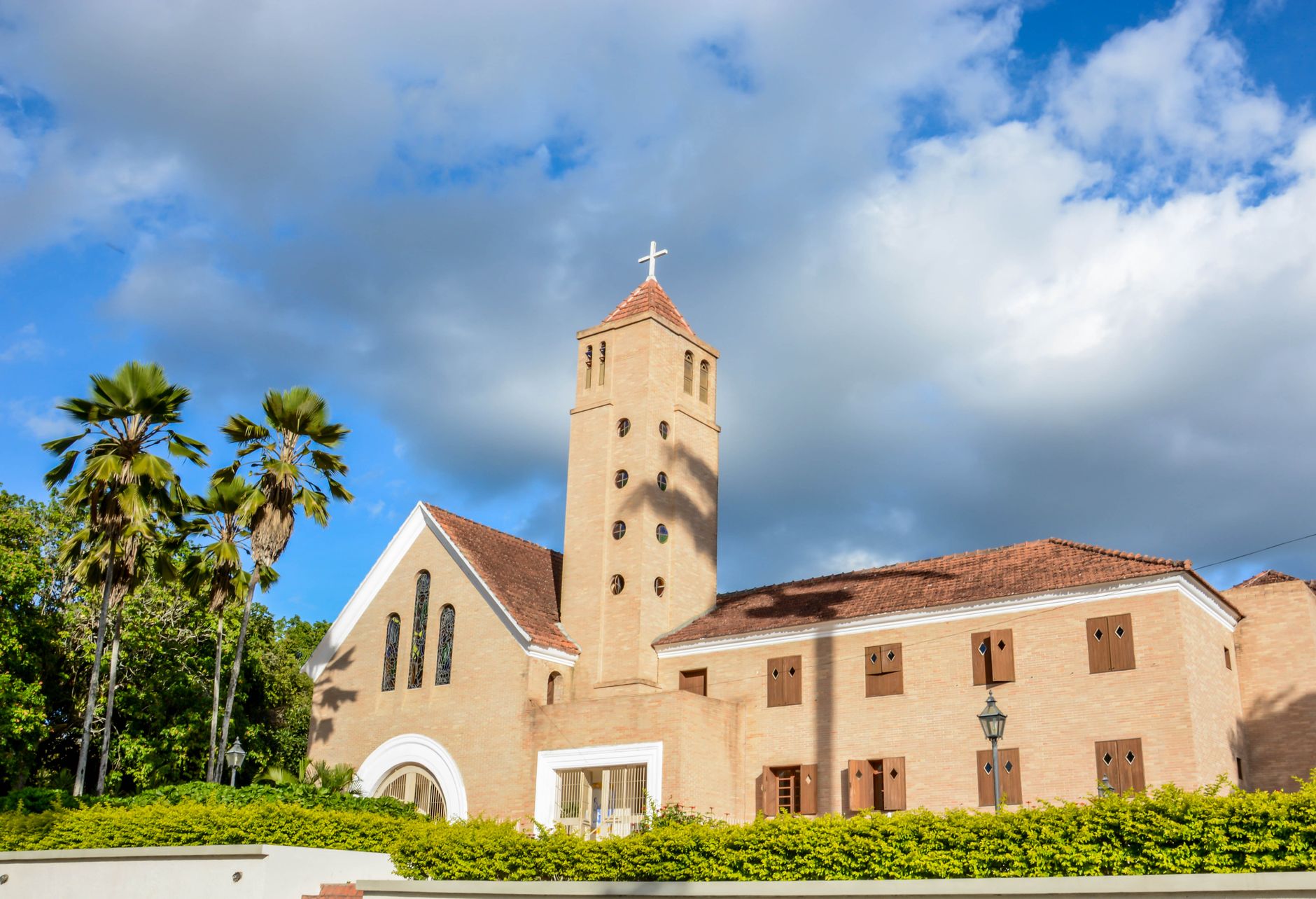
The charming brick architecture of this historic church stands out against the vibrant tropical landscape of São Tomé, Sao Tome and Principe.
Weverton Oliveira on Pexels
12
Frequently asked
Is São Tomé worth visiting?
Yes, if you want a place that feels undiscovered. You'll share stunning volcanic landscapes and empty beaches with perhaps a dozen other tourists. The roça plantations offer a raw, unvarnished history lesson you won't find elsewhere.
How many days do I need in São Tomé?
Spend at least five days. You'll need one for the capital's museum and market, another for Ilhéu das Rolas and the equator, and two more for Pico Cão Grande and the northern beaches. Anything less feels rushed.
Is São Tomé safe for tourists?
It's remarkably safe. Violent crime is rare. The locals are described as some of the gentlest people you'll meet. Standard precautions apply—don't flash valuables, be sensible after dark—but worry less here than in most capitals.
How do I get around São Tomé island?
Taxis and minibuses congregate near the Central Market for short hops. For exploring beyond the city, hire a 4x4 with a driver. Distances are small but roads are slow; the 51km drive to Pico Cão Grande takes over an hour.
What is the best time of year to visit São Tomé?
Aim for the dry season, from June to September. You'll get less rain for hiking to the waterfalls or Pico Cão Grande. The sea is calmer for the boat trip to Ilhéu das Rolas. Avoid the heavy rains of March and April.
Is São Tomé expensive?
It can be. Imported goods and fuel drive up costs. You can save by eating at local markets, using shared taxis, and staying in guesthouses. The biggest expense is often the internal travel—car hires and boat trips add up.
Ready to book?
13Before you go
Practical Information
Flight
Getting There
All international flights arrive at São Tomé International Airport (TMS), located about 5km north of the city center. As of 2026, there are no direct flights from the Americas; connections typically route through Lisbon, Accra, or Libreville. The airport is small, with a single terminal building.
Directions transit
Getting Around
There is no metro or formal bus system. Shared taxis and minibuses (candongueiros) congregate near the Central Market. For day trips, you'll need to hire a private driver or join a tour. Roads outside the capital are often narrow, winding, and can be rough.
Thermostat
Climate & Best Time
Temperatures hover between 22°C and 30°C year-round. The main dry season (gravana) runs from June to September—this is the peak visit window. The rainy season sees heavier downpours, especially October to May, which can make some forest trails muddy but everything intensely green.
Translate
Language & Currency
Portuguese is the official language. The local currency is the São Tomé and Príncipe dobra (STN). Euros are widely accepted, often preferred for tours and larger purchases. Carry small denominations of dobra for markets and taxis.
Take São Tomé with you
All of São Tomé, downloaded once.
0 places, one continuous walking route. Free with your first city.
Strictly necessary cookies keep navigation working. Analytics cookies (PostHog, Google Analytics) help us learn which pages work — aggregate only, no ads, no selling. You can change this any time from the footer.
Privacy
Cookie preferences
Pick what you're okay with. You can change this any time from the footer.
Strictly necessary
Always on
Sign-in, language, navigation. Always on.
Product analytics
PostHog and Google Analytics, aggregate usage only. Helps us see which pages work and which need fixing. No selling, no ads.
Marketing
Off today. Reserved if we ever run paid acquisition. We will ask again before turning it on.