Basseterre
Saint Kitts and Nevis Updated Apr 2026
The salt wind hits first, carrying diesel from the cruise pier and the sweet rot of sugar-cane ghosts. In Basseterre, capital of Saint Kitts and Nevis, the whole island squeezes into eight gridlocked streets where a 1790s fountain once auctioned humans and now sells snow-cones for two Eastern Caribbean dollars.
 Photo: Julia Volk / Pexels
- Attractions
- 8
- Trip length
- 2-3 days
- Best season
- February–May
Why Basseterre
Built from cited sources · see the method · How we make our guides →
Colour is currency here. Mint-green colonial shutters clash with salmon walls still scorched from the 1867 fire that levelled everything except the Methodist chapel whose steeple survived like a stubborn tooth. Between the Circus—Piccadilly’s reckless little cousin—and Independence Square, schoolkids practise steel-pan on verandas while brokers in the downstairs banks shuffle Eastern Caribbean dollars printed with Queen Elizabeth and tropical hummingbirds.
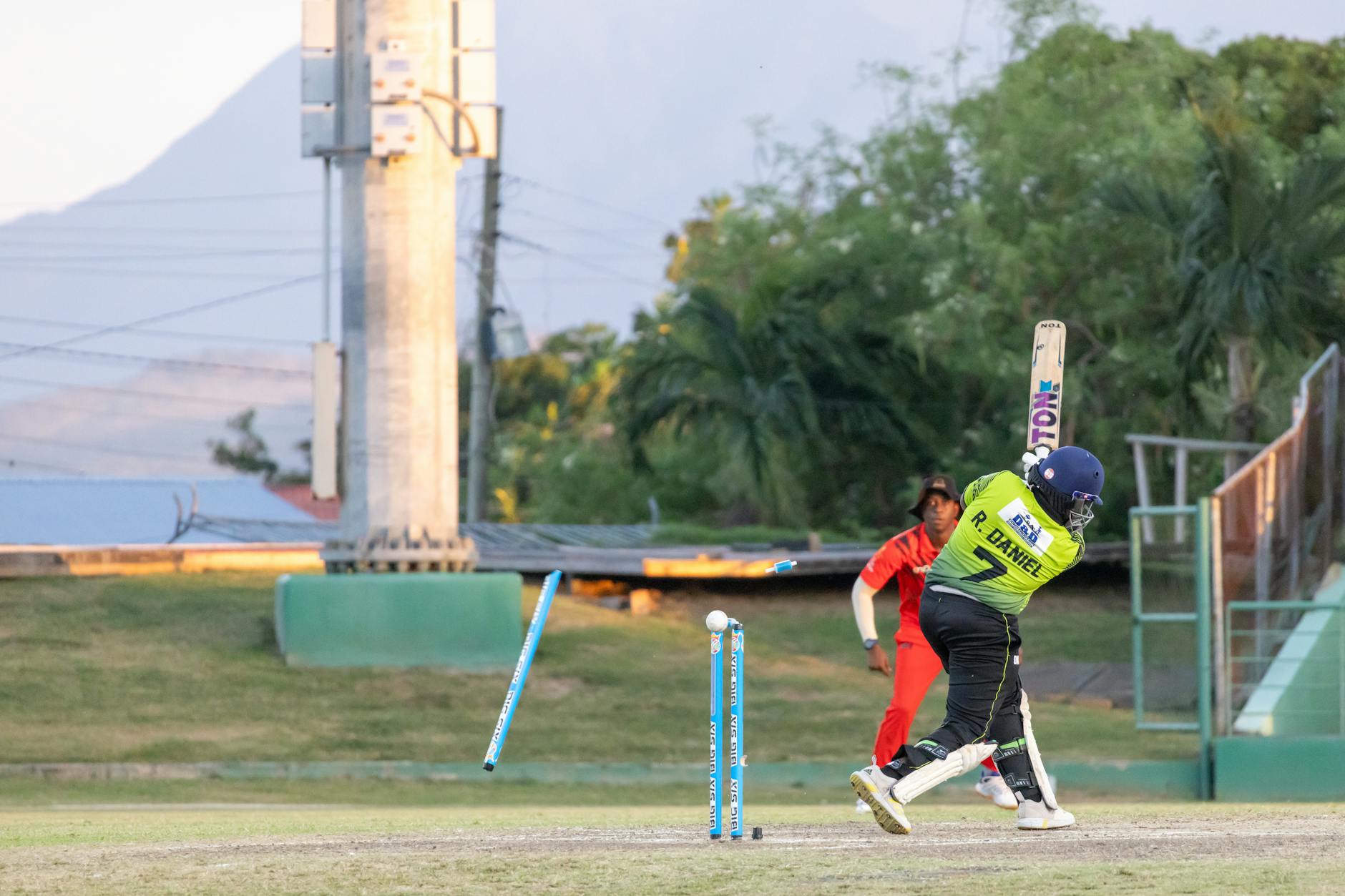
Friday night the roundabout becomes a parliament: taxi men argue cricket over Kubuli beer, grandmothers hawk peanut-cake from plastic buckets, a teenager’s bluetooth speaker leaks old-school soca that drowns the cathedral’s cracked organ. Stay until the streetlights flicker and you’ll hear the city’s real language—half complaint, half boast—about how sugar died, tourism lives, and everyone still knows which family keeps the best goat-water recipe locked in their head.
Caribbean's Oldest Square
Independence Square once held the largest slave market in the Antilles; the 1790s fountain still flows where human cargo was auctioned. The surrounding Georgian arcades survived the 1867 fire that levelled everything else.Friday Night Liming
Locals reclaim The Circus after 8 p.m. with acoustic sets and brown-bottle Carib beer. Plastic chairs appear from nowhere; strangers become dance partners under sodium streetlights.Atlantic Meets Caribbean
From Timothy Hill the peninsula narrows to a knife-edge: Atlantic breakers crash your left ear while Caribbean water laps the right. The gap is barely 200 m—two beaches, two oceans, one shutter click.Last Railway in the West Indies
The double-decker St. Kitts Scenic Railway crawls 18 miles on track laid in 1912 for cane. A cappella voices echo through cane-cutter villages; rum punch arrives at 10 a.m. sharp.
Neighborhoods
Where to wander, by quarter — each with its own rhythm.
The Circus & Fort Street
The island’s spinning heart. Georgian arcades frame a green iron clock installed 1883; underneath, vendors roll johnny-cakes at dawn and taxi radios spit race-day gossip. Follow the smell of frying saltfish two blocks south to find the 1867 fireline where brick suddenly turns to timber.Independence Square
Once Pall Mall, once the biggest slave market in the Leewards. The 1790s fountain still gushes, flanked by Catholic cathedral and mahogany law offices where attorneys kick off leather shoes and work barefoot. Come at noon for the echo of heels on flagstones—best free acoustics in the Caribbean.Port Zante Waterfront
Cruise-terminal mirage of duty-free diamonds and overproof rum. Behind the glint, Rastafarian sculptors carve driftwood under tamarind trees and security guards time their whistles to departing horns. The #StKitts sign is tourist catnip; the real shot frames the rusted crane left by the 1970s sugar-loader.Cayon Village (15 min east)
Where town thins into mango shade and goats browse roadside. Green Valley Festival floods the streets every May with masquerade bands; the rest of the year it’s a slow shuffle between bakery, river mouth and cricket pitch where a single floodlight powers the whole village’s nightlife.Sandy Point
North-western fishing quarter, pastel houses propped on volcanic stone. The 18th-century customs house still stamps yacht papers beside a fish market that reeks of mahi-mahi at sunrise. Ask for Miss Myrna if you want black crab cooked in coconut milk behind her pastel fence.Bird Rock (edge of Basseterre)
Industrial shoreline turned liming strip. Container cranes loom over tin-roof bars where dominoes slap until 2 a.m. and fishermen sell flyingfish straight from coolers. Weekends bring sound-systems that compete with the Atlantic surf—both end up soaked in Kubuli beer.
Plan your trip
Before you go
- Getting There
- Fly into Robert L. Bradshaw International Airport (SKB) on St. Kitts, 5 km northeast of town. Taxis to downtown Basseterre cost USD 10–15 and take 10 min; no meter, fares are zone-based. Inter-island ferries dock at Port Zante, a 3-min walk to The Circus.
- Getting Around
- No metro, trams, or bike-share exist. Privately owned minibuses radiate from The Circus; flag them down, pay EC$2–5 in cash. No transit passes or smart cards. Cycling is possible on the 30-mile island loop, but roads lack shoulders—start at dawn to dodge cruise-day traffic.
- Climate & Best Time
- Dry season runs December–May with highs 27–29 °C and <40 mm rain monthly. Wet season June–November peaks in September–October (hurricanes, 180 mm rain). Visit February–April for empty roads and bargain minibus seats; December–March brings cruise-ship crowds.
- Money & Tipping
- Eastern Caribbean dollar (XCD) is pegged 2.70 to USD; US cash accepted everywhere. Restaurants add 10 % service charge—leave 5 % more in cash to reach staff. Minibuses, street food, and rum shacks are cash-only; carry small EC$ notes.
A City Forged by Sugar, Fire, and Salt Wind
From Carib canoe beach to cruise-ship stage in four turbulent centuries
- c. 500 BCE
Kalinago Settle the Bay
They called the cove Liamuiga, 'fertile land,' and kept their canoes pulled above the high-tide mark where Pelican Mall stands today. Archaeologists still find their shell middens under the cruise-terminal asphalt. The reef gap that let them slip out to hunt green turtles is the same channel that now swallows 4,000-passenger ships.
- 1625
French Flag on the Salt Pond
Pierre Belain d'Esnambuc wades ashore with thirty armed men, claims the swampy flatland for France, and renames it Basseterre—'low land.' They build a wooden fort where the Circus roundabout now spins. Within two years the first cane stalks are in the ground; the island's ecology and demography tilt forever.
- 1629
Spanish Torch the Town
A Spanish frigate squadron slips in at dawn, torches every hut, and hangs six settlers from a tamarind tree. The survivors retreat to the mangroves and rebuild within months. Charred beams become ballast for the next cane ships. The attack sets the rhythm: build, burn, build again.
- 1713
Britain Takes the Whole Island
The Treaty of Utrecht hands France's half of St. Kitts to Britain. Redcoats march into Basseterre's muddy lanes, tear down the fleur-de-lis, and raise the Union Jack over the stone magazine. French planters stay, grudgingly, but must swear loyalty in English. The town's bilingual street names survive as ghosts under new signs.
- 1782
Siege Shadows the Town
Cannon smoke drifts over rooftops as 8,000 French troops storm Brimstone Hill. Basseterre becomes a British rear hospital; amputated limbs are tossed into the bay where children still snorkel. The fortress falls after a month, but the Treaty of Paris returns it to Britain the next year. Locals learn imperial borders are temporary.
- 1834
Emancipation Proclamation Read
At dawn the governor reads the order from the courthouse steps. Former slaves walk away from cane rows, some straight into the hills to plant provisions. Planters panic; wages replace whips. Basseterre's market women, once barred from trading, set up stalls that still operate on Saturday mornings.
Show the full timeline (17 moments)
- 1846
Co-Cathedral Rises
Irish masons lay the last limestone block of Immaculate Conception, its twin towers visible to ships ten miles out. Inside, cedar beams smell of incense and sea salt. The church becomes the island's social safety net—school by day, hurricane shelter by night. Its bells still mark the hour for fishermen.
- 1867
Great Fire Erases the Past
A coal stove tips in a rum shop near the harbor. Within hours, 90 percent of Basseterre is ash. Stone walls crack; iron roofs warp. Rebuilding laws mandate brick and slate, giving the town the Georgian shoulders it wears today. Charcoal layers under Bay Road are a meter thick.
- 1871
Capital of the Leewards
The governor boards a Royal Mail steamer and moves his desk from Antigua to Basseterre. Clerks follow, renting upper floors along Liverpool Row. The town's population doubles; taverns add second stories. For the first time, Basseterre feels like a city rather than an overgrown plantation port.
- 1916
Robert Bradshaw Born in St. Paul's
In a tin-roofed village above the capital, the boy who will rename streets and face down London is born. He learns politics organizing cane-cutters, voice echoing over burnt cane trash. By 1967 he governs from the same Treasury Building where his mother once sold mangoes.
- 1935
Sugar Workers Strike
Two thousand laborers march from cane fields into Basseterre, machetes at their sides, demanding three shillings a ton. Police fire into the crowd; three die on Church Street. The riots birth the St. Kitts Workers' League and, eventually, political parties. The island's modern politics are watered with that blood.
- 1954
Steelpan Echoes on Fort Street
Roy Martin's Wilberforce Pan side debuts at Christmas Carnival, hammering calypso on oil drums salvaged from the refinery. The metallic ring bounces off stone warehouses, drawing dockworkers and clerks together. Basseterre discovers a new voice—loud, improvised, and impossible to ignore.
- 1967
Self-Government Raised
The Union Jack still flies, but Bradshaw becomes Premier inside the wooden Legislative Council. Outside, crowds sing 'Beautiful St. Kitts' while police band plays. Basseterre's post office issues its own stamps for the first time. The mental map shifts: London is no longer the center of this world.
- 1983
Independence at Midnight
Fireworks reflect in the harbor as Kennedy Simmonds lowers the colonial flag and raises the green, red, and gold. The crowd roars when the new anthem replaces 'God Save the Queen.' In the morning, children stencil 'SKN' on their schoolbooks. Basseterre wakes up a national capital.
- 1999
Brimstone Hill Becomes World Heritage
UNESCO plaques arrive by courier; locals joke they weigh more than cannonballs. Cruise ships start advertising 'Gibraltar of the Caribbean' tours. The fortress becomes the island's calling card, drawing 50,000 visitors a year and rerouting Basseterre's economy from sugar to snapshots.
- 2005
Last Sugar Train Runs
Final cane stalks roll through Basseterre yard at dawn, locomotive whistle cracking the humid air. Centuries of sweet dust settle. The next week, demolition crews dismantle the chimney that dominated the waterfront since 1912. The railway is reborn as a rum-punch party ride for tourists.
- 2019
Port Zante Welms Mega-Ships
Oasis-class vessels longer than the entire downtown tie up where Kalinago once hauled canoes. Duty-free diamonds, Tanzanite, and Jimmy Buffett merchandise replace the old coal sheds. Taxi drivers switch from Creole to Midwestern English. Basseterre now earns more from a single Tuesday arrival than a year's worth of sugar once paid.
Where to Eat
Where locals actually book dinner — not the tourist menus.
-
Goat Water
The national stew: clove-scented goat meat slow-simmered with breadfruit and dumplings. Order it at a cook shop behind the market before 11 a.m.; when the pot’s empty, lunch is over.
-
Conch Fritters at the Circus
Vendors set up steel drums at dusk, folding diced conch into turmeric batter. Three fritters for EC$5, served in a brown paper cone slick with pepper sauce.
-
Spice Mill Lobster Roll
On Cockleshell Beach, the roll is grilled-to-order spiny lobster, buttered with local tarragon and stuffed into a butter-crisped baguette. Eat it barefoot while Nevis floats across the channel.
-
Carib Beer & Rum Punch
The lager arrives ice-cold in 275 ml bottles; locals upend a miniature bitters into the neck. Rum punch follows the rhyme: ‘one of sour, two of sweet, three of strong, four of weak’—usually dark rum over shaved ice at 10 a.m. on the train.
Insider tips
Small things that change how the city treats you.
Beat Cruise Rush
Be at The Circus by 8 a.m.; the first tour buses dock at 9 and the square goes from sleepy to swarm in minutes. You’ll have Independence Square—and the best light for photos—almost to yourself.Cash Only Buses
Minibuses from The Circus charge EC$2–10 and never accept cards. Carry small East Caribbean bills; USD is tolerated but change is given at an unofficial 2.60 rate, not the pegged 2.70.Goat Water Timing
The national stew is a Saturday ritual—look for steam rising over Warner Park after 11 a.m. Vendors ladle until the pot is scraped clean, usually by 2 p.m.; arrive early or go without.Hurricane Gap
September–October rooms drop 30 %, but ferries can cancel with a day’s notice and Brimstone Hill closes in heavy rain. Book refundable stays and check the NEMO alert feed each morning.Atlantic vs Caribbean
At Timothy Hill Lookout the peninsula is only 300 m wide—stand astride the yellow line and you can shoot two oceans in one frame. Go at 6:45 a.m. before the tour vans park in your shot.
Gallery
The city, as it actually looks.

Frequently asked
Is Basseterre worth visiting?
Yes—if you like your Caribbean capitals walkable and layered. One square holds a 1790s fountain, a Catholic co-cathedral rebuilt after fire, and a batik shop where the printer still smells of molasses from the old sugar weigh-station downstairs.
How many days in Basseterre?
Two full days covers the fort, the railway, and a beach sunset. Add a third if you want to hike Mount Liamuiga or lime at Green Valley Festival in nearby Cayon.
Can you walk from the cruise port to downtown Basseterre?
Port Zante spills straight onto Bay Road—Independence Square is an eight-minute stroll. Sidewalks are narrow; keep left and watch for bikes squeezing past.
Do I need Eastern Caribbean dollars or can I use USD?
USD is accepted everywhere, but change comes in EC$. Minibuses and Saturday market stalls prefer local coins; withdraw EC$100 at the airport ATM and you’re set for two days.
Is Basseterre safe at night?
Stick to the lit waterfront bars around Port Zante and The Circus. After midnight take a licensed taxi—look for the “T” plate—rather than walking the unlit blocks south of the bus terminal.
What’s the cheapest way to get from the airport to Basseterre?
Shared airport shuttles are $10 USD per person; a private taxi is $15. There’s no public bus to SKB, so pairing up with other backpackers at baggage claim cuts the fare in half.
Pick up where you left off
Saved and recently read places — kept on this device only.
Photo credits (3)
- Julia Volk — Pexels License (https://www.pexels.com/license/) — Source: https://www.pexels.com/photo/5769681/
- Julia Volk — Pexels License (https://www.pexels.com/license/) — Source: https://www.pexels.com/photo/5769831/
- Jermaine Lewis — Pexels License (https://www.pexels.com/license/) — Source: https://www.pexels.com/photo/32897235/
Photos may have been resized or cropped.