Plan and listen to Monument To Sergei Rachmaninoff (Veliky Novgorod) with Audiala.
Audio guide in your pocket, itinerary in your browser. Built for the way you actually visit.
Introduction
The Rachmaninoff Monument in Veliky Novgorod, Russia, is a significant cultural landmark that attracts music lovers and history enthusiasts worldwide. Erected in 2009 to commemorate the 100th anniversary of Sergei Rachmaninoff's first concert in Novgorod, the monument is a tribute to one of Russia's most celebrated composers and pianists. Located in the picturesque Kremlin Park, the bronze statue, designed by sculptor Oleg Komov, captures Rachmaninoff in a contemplative pose, reflecting his deep connection to his homeland and his introspective musical nature. This comprehensive guide will provide you with detailed information on the monument's history, cultural significance, visitor information, and travel tips to ensure an enriching visit to this iconic site. For more detailed information, you can visit the official Veliky Novgorod tourism website.
History and Significance of the Monument
Origins and Historical Context
The monument to Sergei Vasilyevich Rachmaninoff in Veliky Novgorod, Russia, stands as a testament to the enduring legacy of one of Russia's most celebrated composers and pianists. Erected in 2009, the monument commemorates the 100th anniversary of Rachmaninoff's first concert in Novgorod. This city holds a special place in Rachmaninoff's heart, as it is near his family estate, Ivanovka, where he spent many summers composing some of his most famous works.
Design and Symbolism
The monument, designed by sculptor Oleg Komov, is a striking bronze statue that captures Rachmaninoff in a contemplative pose, seated on a bench with a musical score in his hand. This design choice reflects the introspective nature of Rachmaninoff's music and his deep connection to his homeland. The statue is situated in the picturesque Kremlin Park, providing a serene backdrop that complements the reflective mood of the monument.
Visitor Information
Visiting Hours and Tickets
The Rachmaninoff Monument is accessible to the public year-round, with no specific visiting hours as it is located in an open park. There is no admission fee to see the monument, making it an affordable cultural experience for all visitors.
Travel Tips
Veliky Novgorod can be easily reached by train or car from major cities like Moscow and St. Petersburg. Once in the city, public transportation and taxis are available to take you to the monument. Comfortable walking shoes are recommended, as the surrounding Kremlin Park is best explored on foot.
Cultural Significance
Rachmaninoff's contributions to music are immense, and his works are celebrated worldwide. However, the monument in Veliky Novgorod holds particular cultural significance for Russia. It serves as a reminder of the country's rich musical heritage and the global impact of Russian composers. The monument also symbolizes the resilience of Russian culture, having been unveiled during a period of renewed interest in Rachmaninoff's works both domestically and internationally.
Nearby Attractions and Accessibility
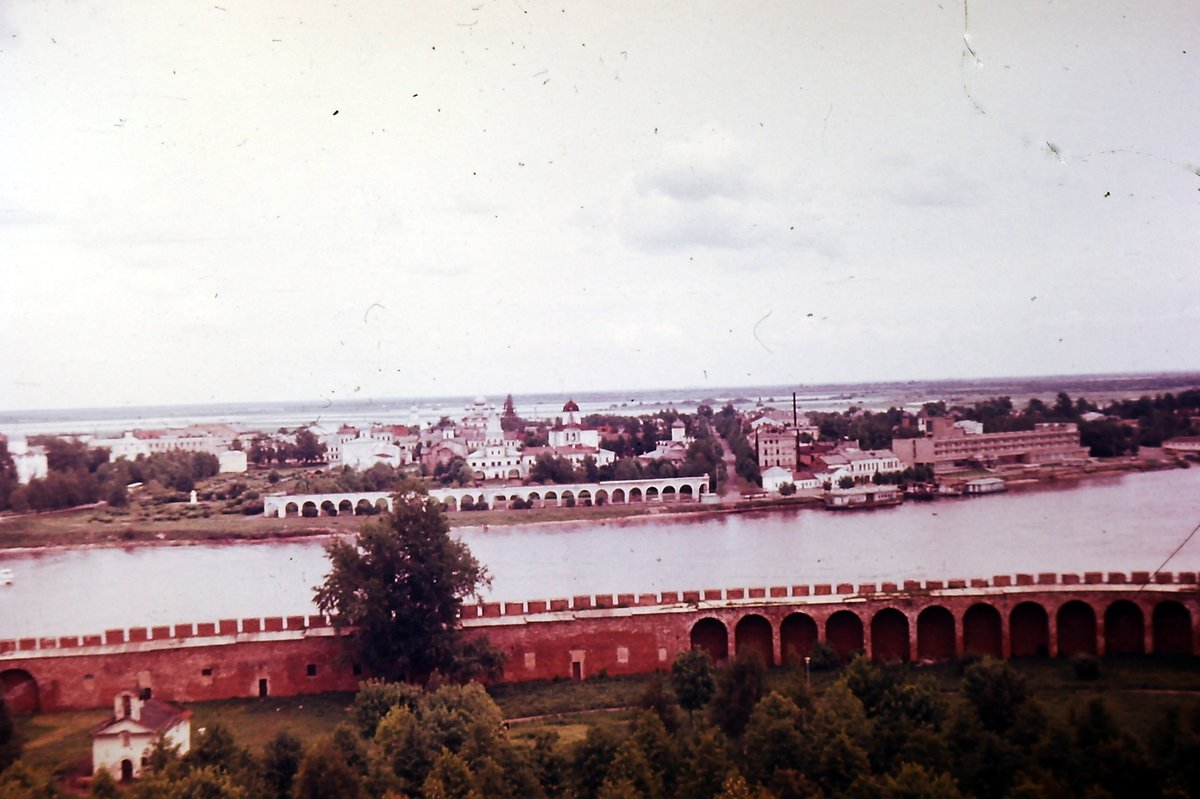
The monument's location in Kremlin Park places it near several other historical sites, including the Novgorod Kremlin and St. Sophia Cathedral. The park is wheelchair accessible, and benches are available for those needing a rest during their visit.
Events and Celebrations
The unveiling of the monument was accompanied by a series of concerts and cultural events, highlighting Rachmaninoff's influence on both classical and contemporary music. These events have become an annual tradition, drawing visitors from around the world to Veliky Novgorod. The monument has thus become a focal point for cultural tourism in the city, contributing to its reputation as a center for the arts.
Visitor Experience
Visitors to the monument can enjoy a tranquil setting that encourages reflection and appreciation of Rachmaninoff's music. The surrounding Kremlin Park offers a peaceful environment, with well-maintained paths and benches that invite visitors to linger and absorb the atmosphere. Informational plaques provide context about Rachmaninoff's life and works, enhancing the educational value of the visit.
Preservation and Maintenance
The monument is maintained by the local government, with regular cleaning and conservation efforts to ensure its longevity. This commitment to preservation underscores the importance of Rachmaninoff's legacy to the community and the broader cultural landscape of Russia. The monument's upkeep is funded through a combination of public funds and private donations, reflecting widespread support for its continued existence.
Impact on Local Community
The monument has had a positive impact on the local community, fostering a sense of pride and connection to Rachmaninoff's legacy. It has also boosted local tourism, with many visitors coming specifically to see the monument and attend related cultural events. This influx of tourists has provided economic benefits to the city, supporting local businesses and contributing to the overall vitality of Veliky Novgorod.
Educational Initiatives
In addition to its cultural and economic impact, the monument has also inspired educational initiatives aimed at promoting Rachmaninoff's music and legacy. Local schools and universities often organize field trips to the monument, incorporating it into their music and history curricula. These educational programs help to instill an appreciation for Rachmaninoff's contributions in younger generations, ensuring that his legacy continues to be celebrated for years to come.
FAQ
Q: What are the visiting hours for the Rachmaninoff Monument? A: The monument is accessible year-round with no specific visiting hours.
Q: Is there an admission fee to visit the Rachmaninoff Monument? A: No, there is no admission fee.
Q: What are some nearby attractions? A: Nearby attractions include the Novgorod Kremlin and St. Sophia Cathedral.
Q: How can I get to Veliky Novgorod? A: Veliky Novgorod is accessible by train or car from major cities like Moscow and St. Petersburg.
For the latest updates and more information, be sure to follow us on social media or visit our website.
Listen to the full story in the app
The whole Monument To Sergei Rachmaninoff (Veliky Novgorod),
told well.
Audio guides for 1,100+ cities across 96 countries. History, stories, and local insight — offline ready.

Verified, and shown.
Researched and written by the Audiala editorial team from historical records, architectural archives, and local expertise.
Researched from Wikidata, Wikipedia & official sources · fact-checked · How we make our guides →