Plan and listen to Zoological Museum Of The Zoological Institute Of The Russian Academy Of Sciences with Audiala.
Audio guide in your pocket, itinerary in your browser. Built for the way you actually visit.
Introduction
Situated on Saint Petersburg’s historic Vasilyevsky Island, the Zoological Museum of the Zoological Institute of the Russian Academy of Sciences is a cornerstone of Russia’s scientific and cultural heritage. Established in the 18th century from Peter the Great’s Kunstkamera collections, the museum has grown to become one of the world’s largest repositories of animal specimens, with over 60 million items spanning a quarter of known animal species. Its notable holdings include the impressive 27-meter blue whale skeleton and rare woolly mammoth remains. As both a public museum and a scientific research hub, it plays a vital role in taxonomy, genetics, and conservation biology. This detailed visitor guide covers the museum’s history, must-see exhibits, hours, ticketing, accessibility, travel tips, and nearby attractions, ensuring you enjoy a rich and educational experience (4traveler.me, petersburg-travel.com, biocomm.spbu.ru).

History and Origins
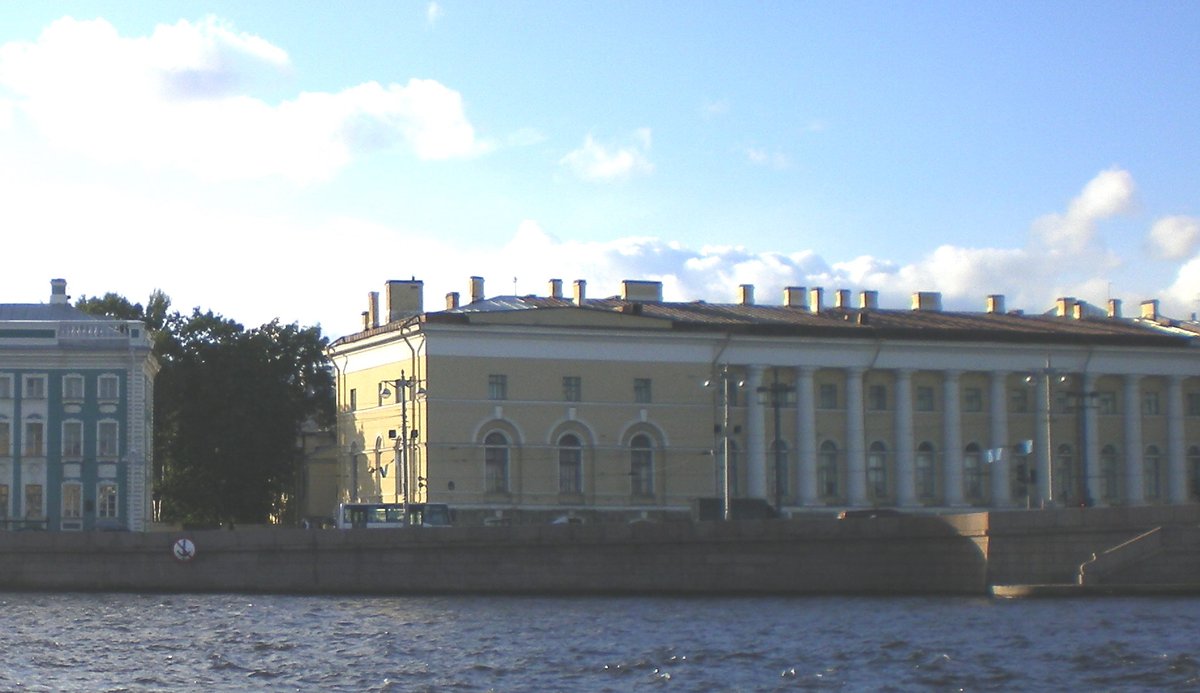
The Zoological Museum’s roots trace back to 1714, when Peter the Great established the Kunstkamera, Russia’s first museum, to foster scientific inquiry. Initially housed in the Green Hall of the Summer Palace and then the Kikin Chambers, the zoological collections grew rapidly. By 1767, they had become a distinct division, and in 1832, the collection was formally recognized as an independent museum, reflecting the increasing importance of zoological sciences in Russia (visit-plus.com). The current building, an architectural landmark on Universitetskaya Embankment, opened to the public in 1901, further establishing the museum as a central institution in Saint Petersburg (petersburg-travel.com).
Collection Highlights and Key Exhibits
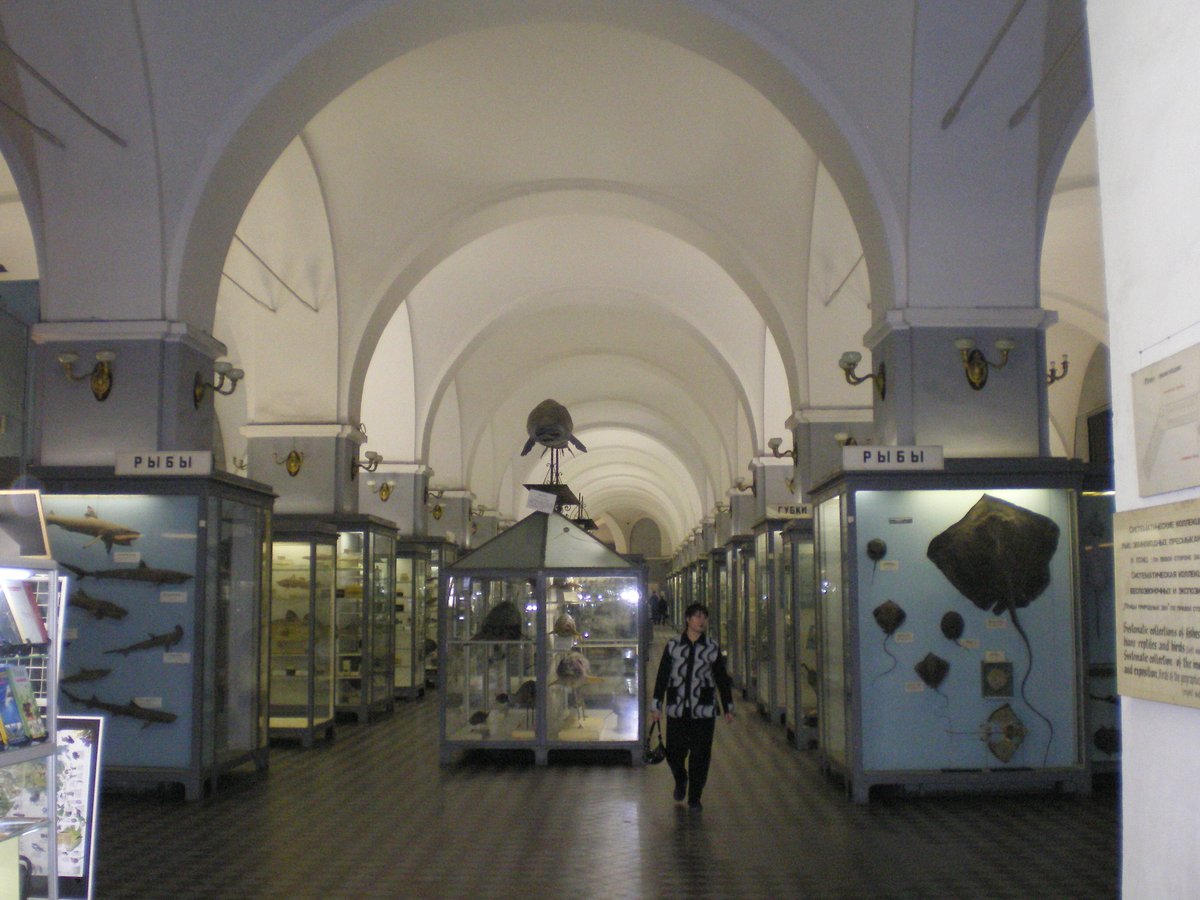
With over 60 million specimens, the museum’s collections are among the largest in the world. Approximately 30,000 items are on public display, arranged to provide a systematic overview of the animal kingdom (biocomm.spbu.ru). Noteworthy exhibits include:
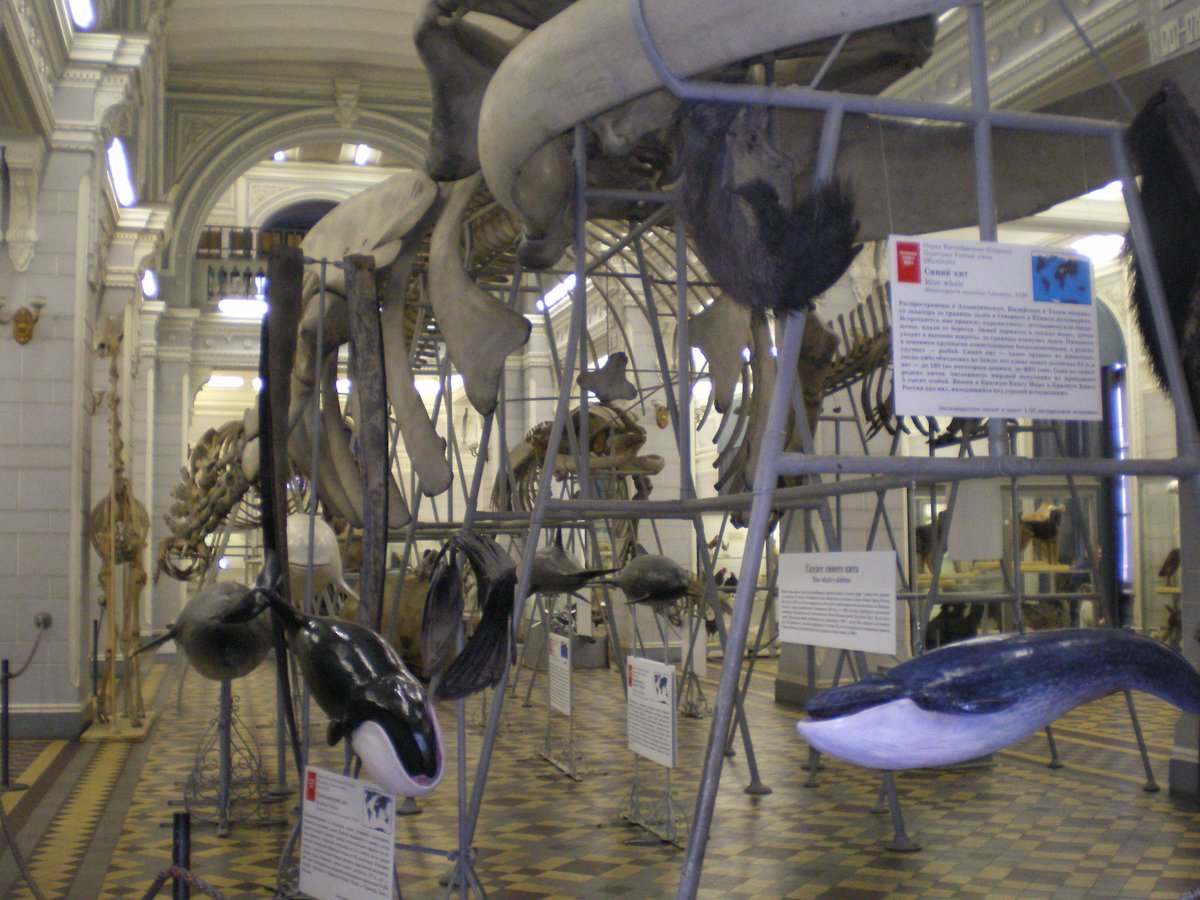
- The Blue Whale Skeleton: The 27-meter-long skeleton is a dramatic centerpiece, representing the world’s largest animal.
- Woolly Mammoth Hall: Features a nearly complete Siberian mammoth skeleton and a preserved baby mammoth from the permafrost, offering a glimpse into Ice Age fauna (visit-plus.com).
- Ornithological Collection: Home to over 16,000 bird specimens, including rare and extinct species, making it the world’s largest such collection (guideforyou-russia.com).
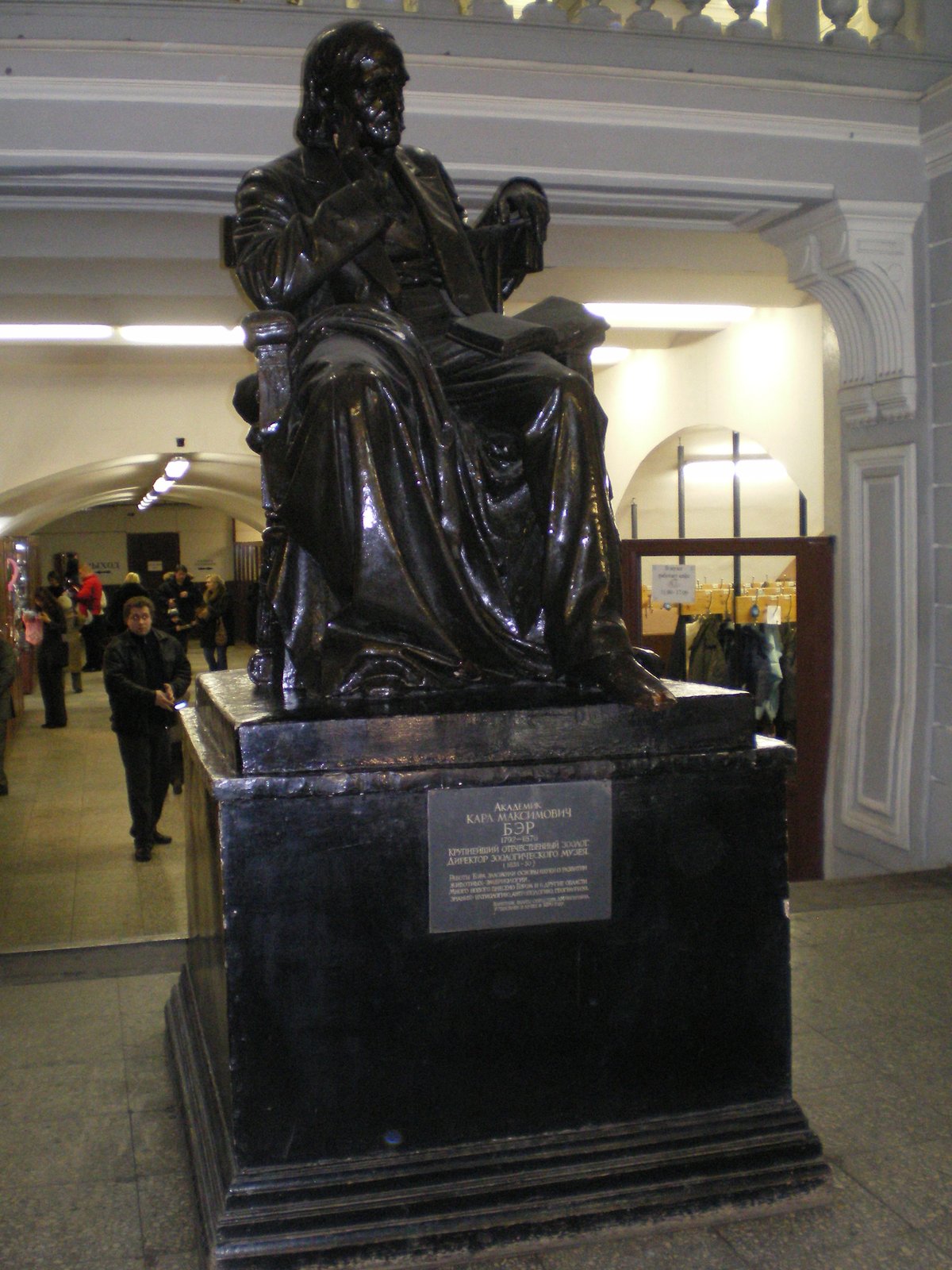
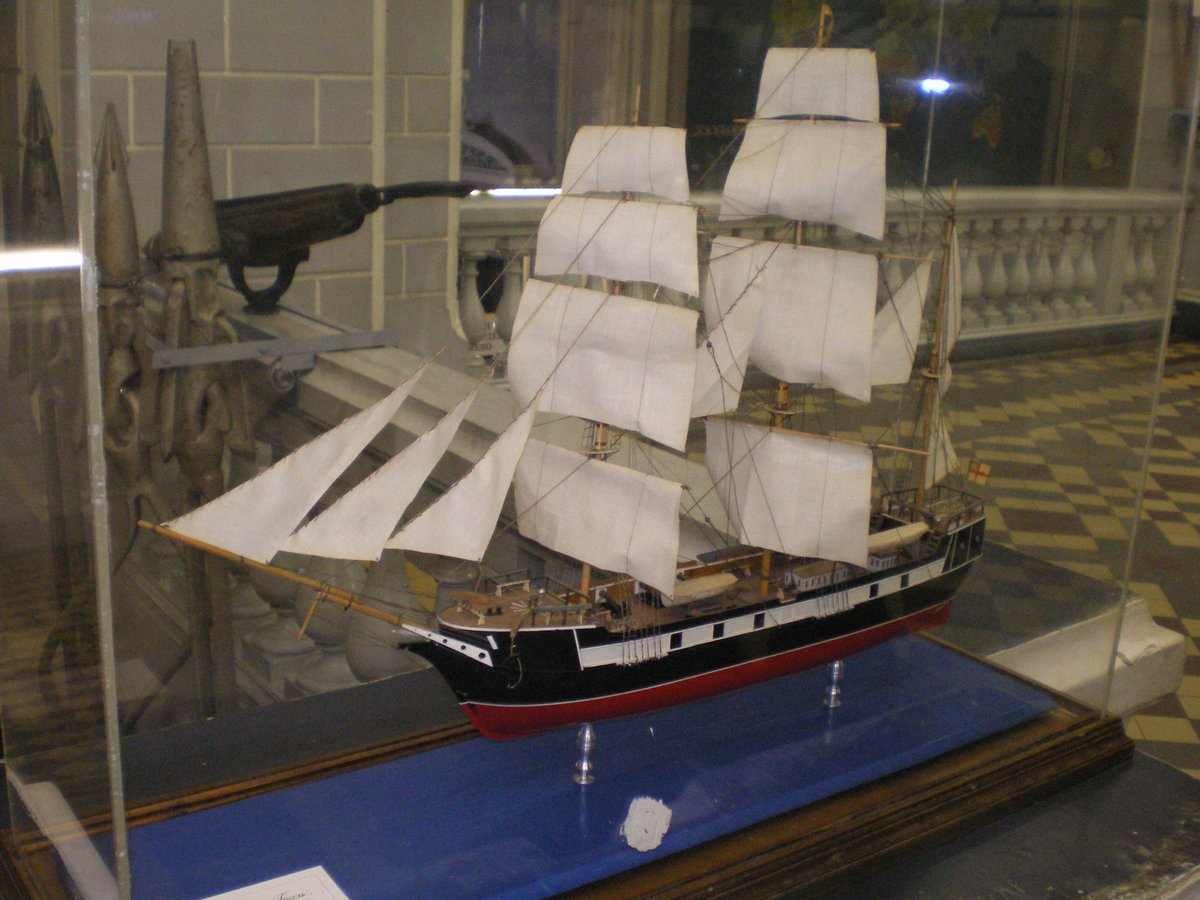
- Historic Collections: Early specimens from the Kunstkamera highlight the evolution of scientific collecting in Russia, many dating back to the 18th century (Academia.edu).
- Invertebrates, Fish, Amphibians, Reptiles, and Mammals: Systematically arranged, these galleries include endemic Russian fauna, rare insects, and large mammals.
Interactive displays, dioramas, and educational panels enrich the visitor experience, while rotating exhibitions cover themes in biodiversity and conservation.
Scientific Importance and Research
As part of the Zoological Institute, the museum is at the forefront of zoological research in Russia and internationally. Its collections are an invaluable resource for taxonomy, genetics, and biodiversity studies. Highlights include:
- Type Specimens: Tens of thousands of primary type specimens underpin zoological nomenclature and species descriptions (biocomm.spbu.ru, gbif.org).
- Digitization: Over 146,000 taxa records and 13,000+ high-resolution images are accessible online, expanding global research access.
- Educational Outreach: The museum runs guided tours, lectures, and workshops for audiences ranging from children to scholars, fostering public engagement with science.
Planning Your Visit
Hours, Tickets, and Accessibility
- Opening Hours: Tuesday–Sunday, 11:00 AM–6:00 PM (closed Mondays and public holidays). Check the official website for current updates.
- Tickets: General admission ranges from 300–400 RUB. Discounts are available for students, seniors, and children; children under 7 usually enter free. Tickets can be purchased onsite or online via the museum’s website.
- Accessibility: The museum is wheelchair accessible, with ramps, elevators, and accessible restrooms. Audio guides, tactile exhibits, and staff assistance are available upon request.
Location and Getting There
- Address: Universitetskaya Embankment, 1, Vasilievsky Island, Saint Petersburg, 199034.
- Transport: The nearest metro station is Vasileostrovskaya (Line 3), about a 15-minute walk. Multiple bus and tram routes service the area (Wanderlog). Parking is limited; public transport is recommended.
Facilities and Amenities
- Cloakroom: Staffed area for coats, large bags, and valuables.
- Restrooms: Accessible toilets are available on the ground floor.
- Gift Shop: Souvenirs, books, educational toys, and exhibit replicas.
- Food: Vending machines offer snacks and drinks; nearby cafés and restaurants are within walking distance.
- Wi-Fi: Free in public areas; rest zones are located throughout the galleries.
Visitor Tips and Special Events
- Best Times to Visit: Weekday mornings or late afternoons are less crowded. The city’s “White Nights” festival in June is a popular but busy period (TravelTriangle).
- Photography: Non-flash photography is generally allowed; some exhibits may have restrictions.
- Guided Tours: Available in Russian daily, and in English or other languages by advance arrangement.
- Special Events: The museum offers regular workshops, lectures, and themed tours.
Must-See Galleries and Exhibits
- Mammoth Hall: Siberian mammoth skeleton and Ice Age fauna.
- Marine Life Gallery: The blue whale skeleton and marine invertebrates.
- Bird Hall: Ornithological specimens, including rare and extinct birds.
- Invertebrates Hall: Insects, mollusks, and crustaceans from historic expeditions.
- Historical Collections: Kunstkamera specimens and displays on the history of Russian science.
Nearby Attractions
Located in Saint Petersburg’s “Museum Town,” the museum is near:
- Kunstkamera: Russia’s first museum of anthropology and ethnography.
- Peter and Paul Fortress: Historic site and burial place of Russian emperors.
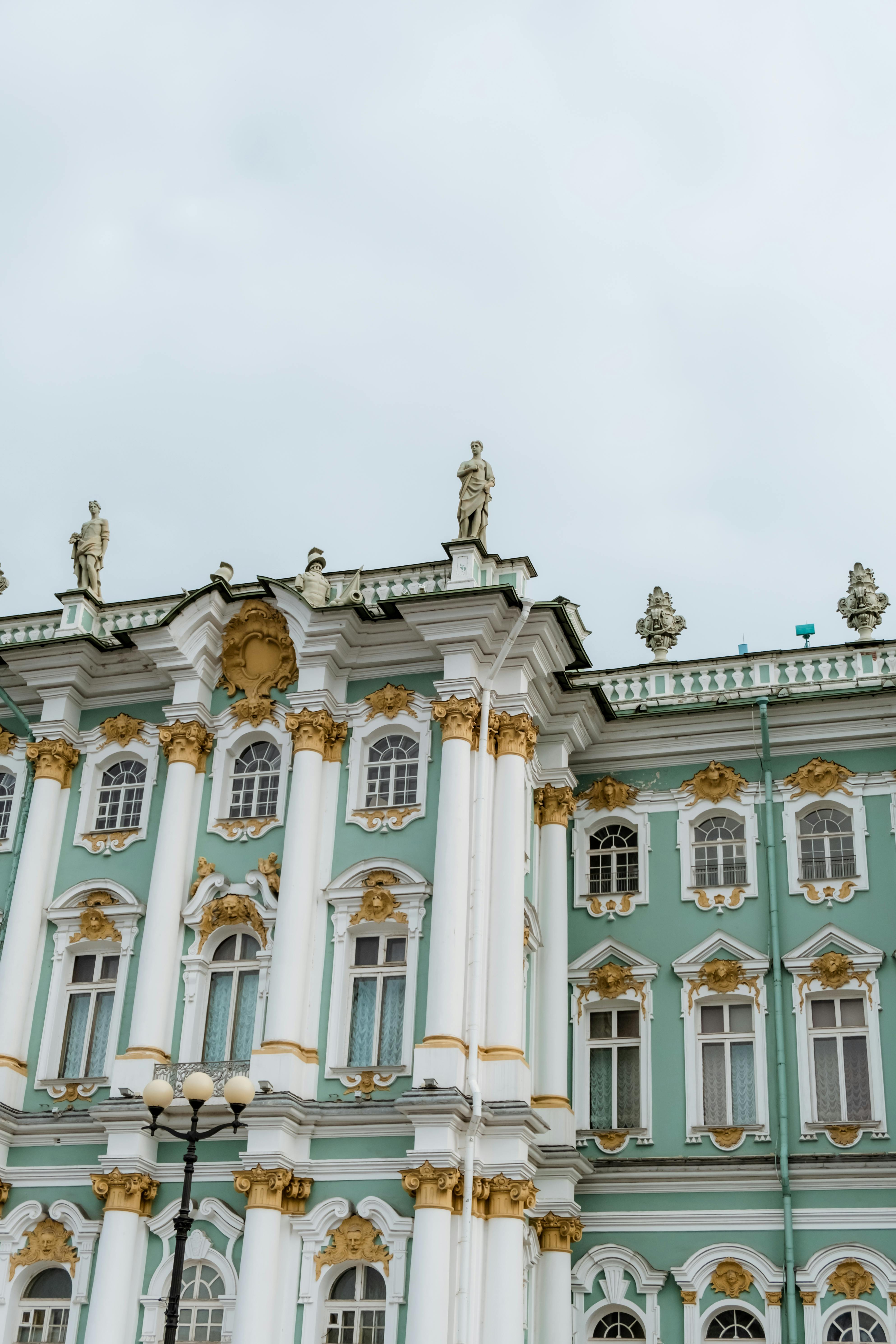
- Hermitage Museum: One of the world’s premier art and history museums.
- Neva Embankment: Offers scenic river views and excellent photo opportunities.
Combining a visit to the Zoological Museum with these sites makes for a rewarding cultural day (GPSmyCity).
Frequently Asked Questions (FAQ)
Q: What are the museum’s opening hours?
A: Tuesday to Sunday, 11:00 AM–6:00 PM; closed Mondays and some holidays.
Q: How much are tickets?
A: General admission is 300–400 RUB, with discounts for students, seniors, and free entry for children under 7.
Q: Is the museum accessible for people with disabilities?
A: Yes, it features ramps, elevators, accessible restrooms, and staff assistance.
Q: Are guided tours available in English?
A: Yes, by advance booking.
Q: Can I take photographs?
A: Yes, non-flash photography is allowed unless otherwise indicated.
Q: What other attractions are nearby?
A: The Kunstkamera, Peter and Paul Fortress, and Hermitage are all close by.
Listen to the full story in the app
The whole Zoological Museum Of The Zoological Institute Of The Russian Academy Of Sciences,
told well.
Listen to sourced travel stories with local history and practical context — ready offline.
Verified, and shown.
Researched and written by the Audiala editorial team from historical records, architectural archives, and local expertise.
Built from cited sources · see the method · How we make our guides →