Early Origins and Route Development
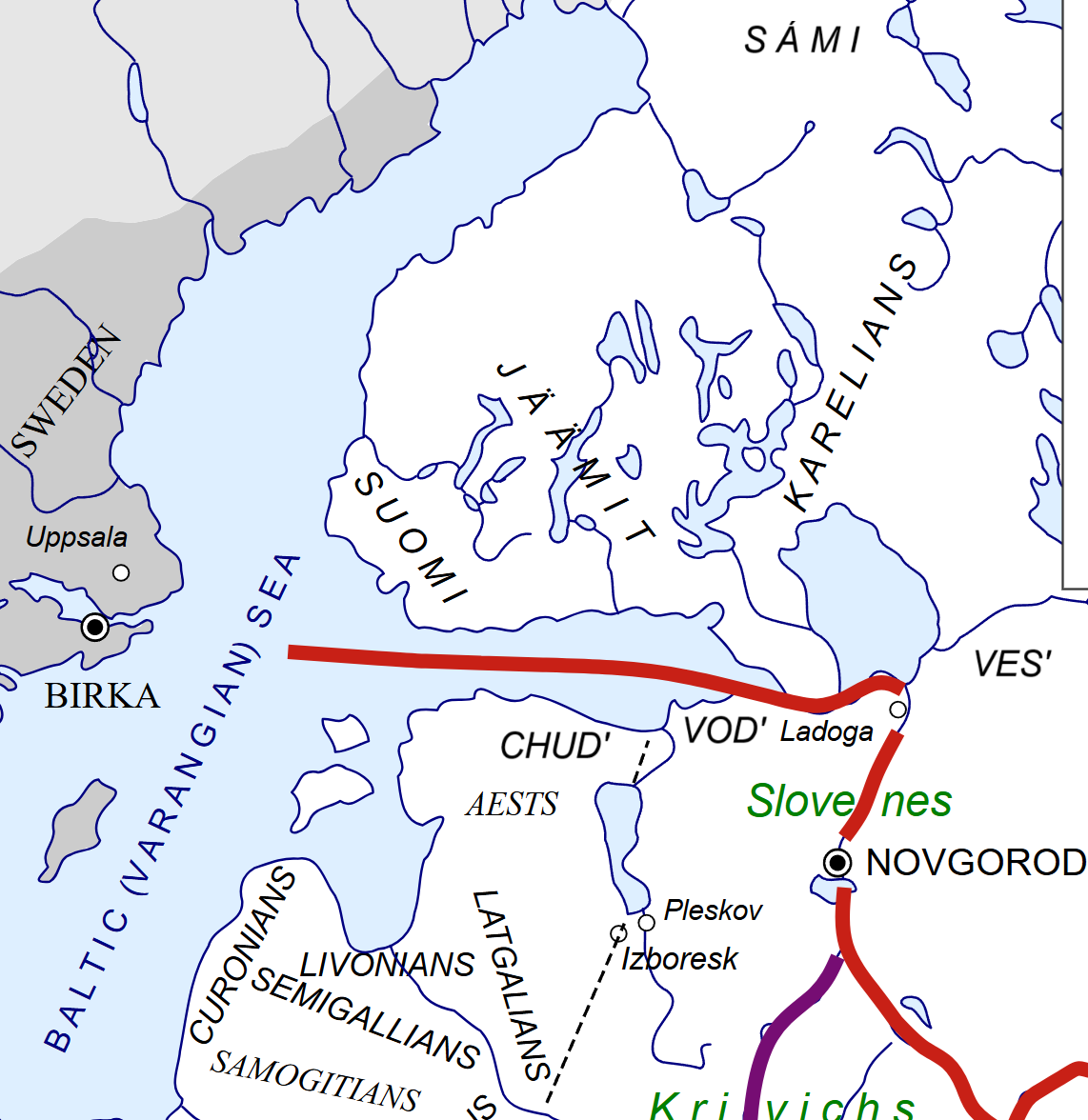
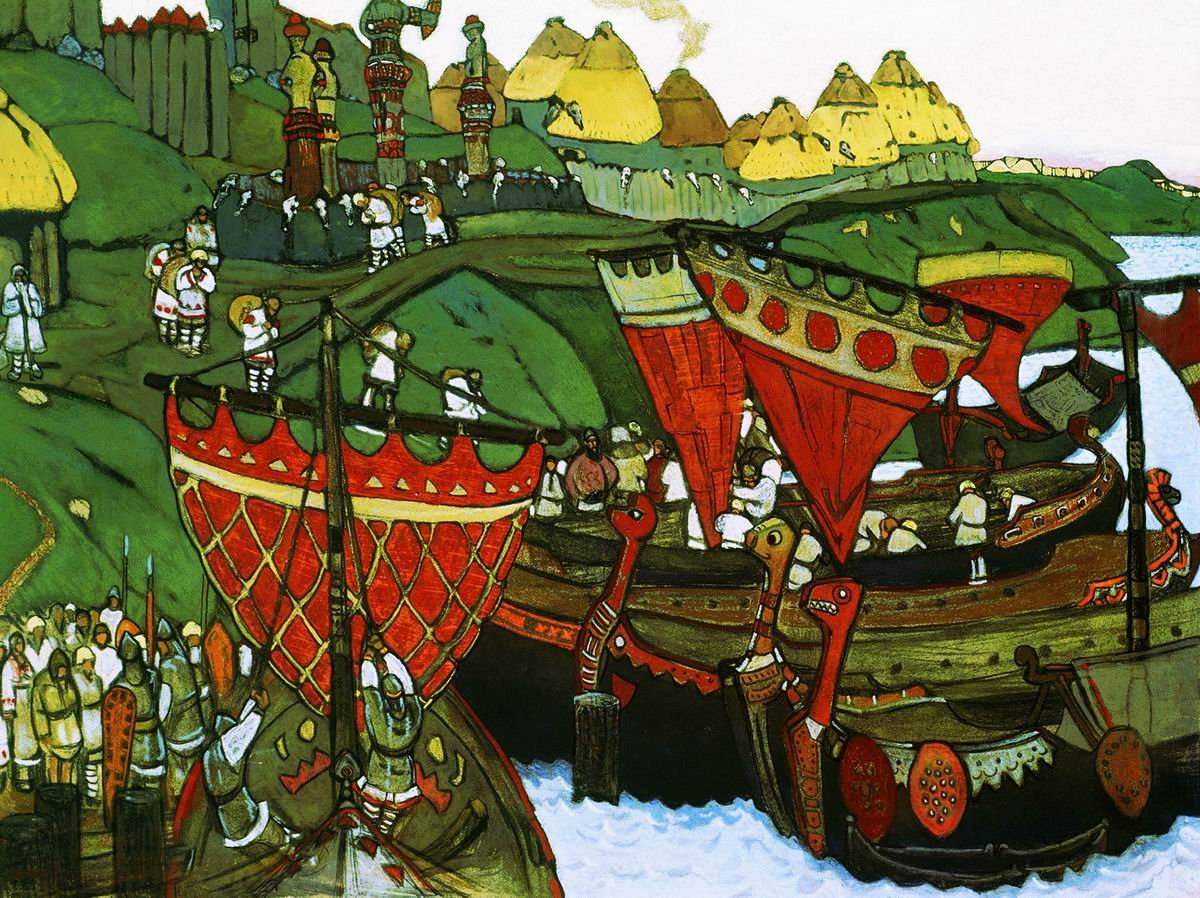
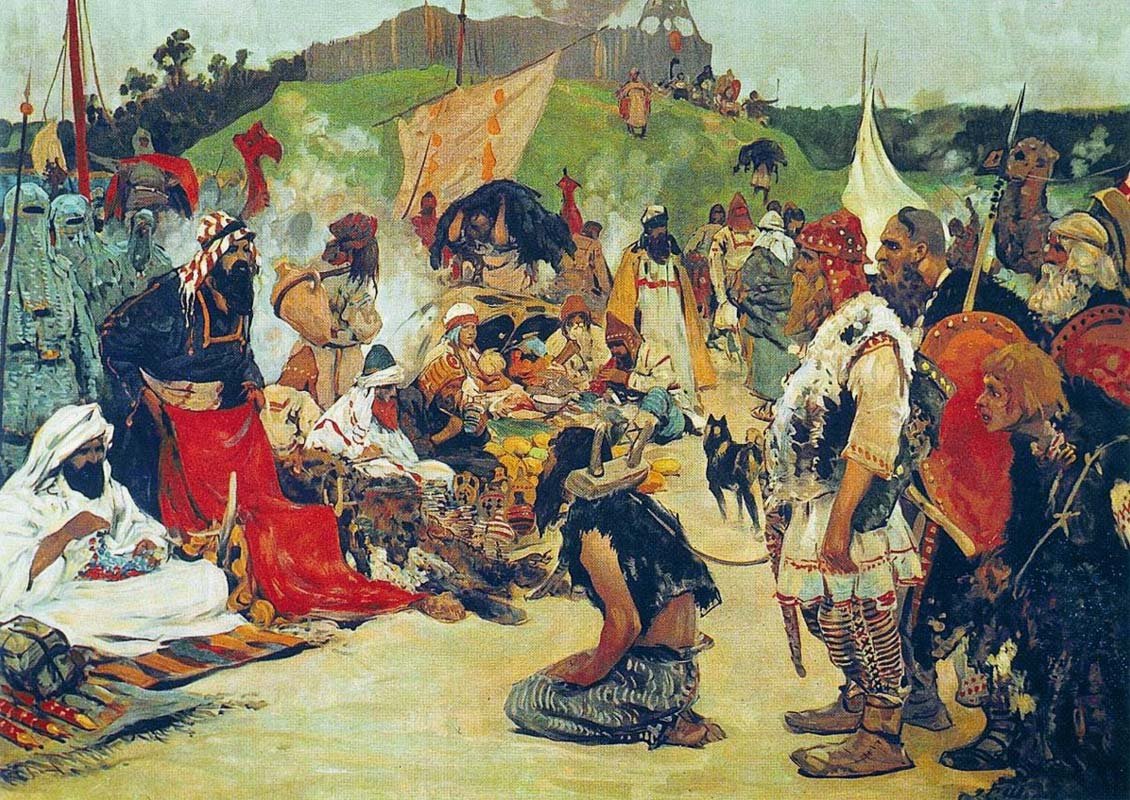
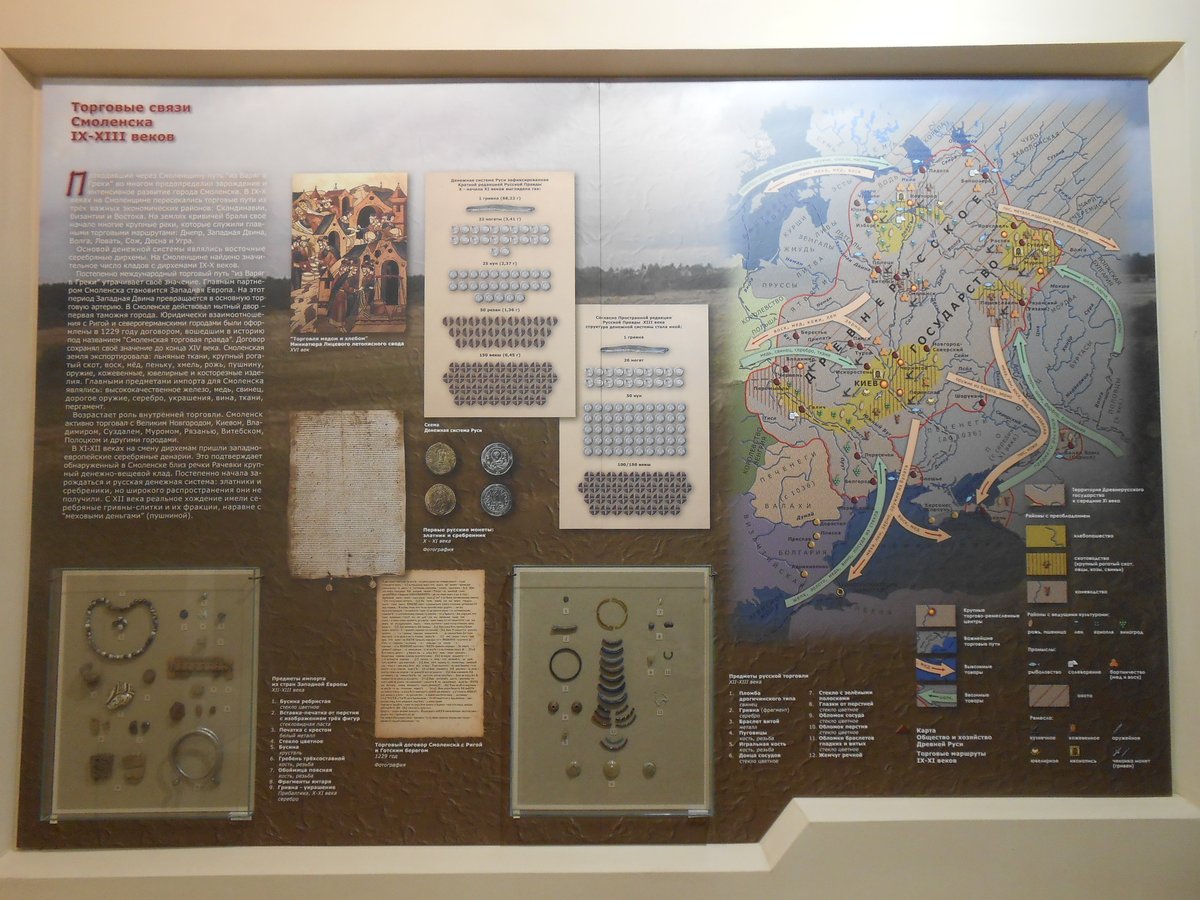
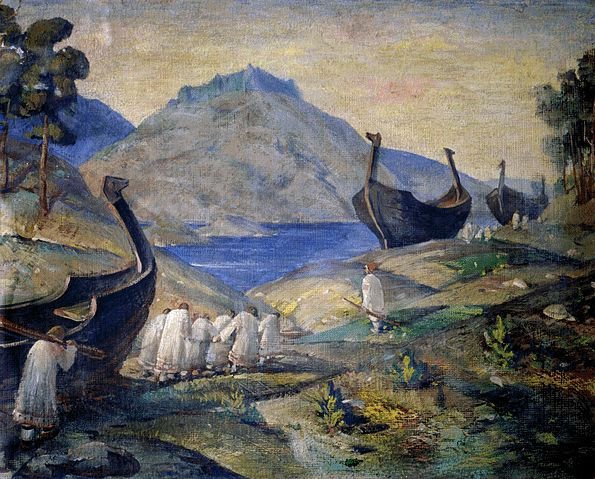
The Varangian-Greek trade route emerged in the late 8th and early 9th centuries, with its significance documented in the Primary Chronicle by the early 12th century. Initially used for plundering, slave raids, and commerce, the route connected the Baltic Sea to the Black Sea, enabling the flow of goods, people, and ideas between the Norse, Slavs, and Byzantines. Its prominence peaked in the 10th and 11th centuries, deeply influencing the development of early Rus’ society.
Geography and Main Waypoints
The route relied on interconnected rivers and portages: starting at the Gulf of Finland, passing Lake Ladoga and Lake Ilmen, descending the Volkhov River to Veliky Novgorod, and continuing to Kiev, the Dnieper, and on to Constantinople (modern-day Istanbul). Key stops included Staraya Ladoga, Veliky Novgorod, and Rurikovo Gorodische (Viking Archeurope).
Veliky Novgorod: The Heart of the Route
Historical Context
Veliky Novgorod, established by the 9th century, was pivotal for both trade and governance. As the legendary seat of Rurik, founder of the Rurikid dynasty, Novgorod evolved into a prosperous republic with a unique veche (assembly) system. Its prosperity was fueled by the exchange of furs, honey, and amber for Byzantine luxuries, and its independence endured until Moscow’s annexation in 1478 (restgeo.com).
Main Sites: Hours & Ticket Information
Novgorod Kremlin (Detinets)
- Hours 10:00–18:00 daily (seasonal changes may apply)
- Tickets Adults ~350–500 RUB; discounts for students/seniors. Purchase onsite or via official portals (Veliky Novgorod Kremlin).
- Highlights St. Sophia Cathedral (1045–1050), Millennium of Russia Monument (1862), Bell Tower and Clock Tower (panoramic views).
- Accessibility Most areas accessible; some historic structures have limited wheelchair access.
St. Sophia Cathedral
- Hours 09:00–17:00
- Tickets Included with Kremlin admission; guided tours available for an extra fee.
Yaroslav’s Court (Yaroslavovo Dvorishche)
- Hours 10:00–18:00
- Tickets Free access to grounds; some churches may request donations.
- Features St. Nicholas Cathedral (1113), Arcade of the Gostiny Dvor, Hanseatic Fountain.
Vitoslavlitsy Museum of Wooden Architecture
- Hours 09:00–18:00 (summer); shorter in winter
- Tickets ~300 RUB; guided tours available.
Rurikovo Gorodische
- Hours 10:00–16:00
- Tickets ~150 RUB; guided archaeological tours recommended.
Monasteries and Churches
- Hours Generally 09:00–17:00
- Tickets Vary by site; many accept donations.
Accessibility & Visitor Tips
- Mobility Most major sites have ramps/accessible paths, but some medieval structures have uneven surfaces.
- Guided Tours Available in English and Russian; book in advance, especially in peak season.
- Best Time to Visit May–September for mild weather and full site access.
- Getting There Trains from St. Petersburg (3–4 hrs) and Moscow (8 hrs); city center is walkable.
- Language English is limited outside tourist sites; translation apps recommended.
Nearby Attractions
- Staraya Russa Explore medieval saltworks and Dostoevsky’s house museum.
- Volkhov River Embankment Scenic walks and boat tours.
- Festivals Hanseatic Days, medieval reenactments, and folk fairs.
Trade, Culture, and Political Influence
Novgorod’s merchants traded fur, wax, honey, and timber for Byzantine wine, silks, and coins. The city’s veche assembly fostered early self-governance, and its artistic legacy is reflected in icon painting and unique architectural styles (featherandthewind.com). As a Hanseatic League member, Novgorod had extensive European ties, and its prosperity persisted even during periods of Mongol pressure.
Archaeological Insights
Excavations confirm the route’s navigability and reveal artifacts such as birch bark manuscripts, jewelry, and Varangian weaponry. The Novgorod State Museum-Reserve and Vitoslavlitsy Museum display these treasures, deepening understanding of the region’s multicultural past.
Decline and Legacy
By the late 11th century, the route’s prominence faded as new paths via Western Europe emerged. However, Veliky Novgorod’s monuments remain a testament to its storied past, earning UNESCO World Heritage status and attracting scholars and travelers worldwide.
Visitor FAQs
Q: What are Novgorod Kremlin’s visiting hours?
A: 10:00–18:00 daily; seasonal changes possible.
Q: How much are tickets for the main sites?
A: Kremlin: 350–500 RUB; Vitoslavlitsy: ~300 RUB; Rurikovo Gorodische: ~150 RUB.
Q: Are guided tours available in English?
A: Yes, at most major sites. Advance booking is recommended.
Q: Is the city accessible for visitors with disabilities?
A: Most sites have some accessibility features, but historic buildings may have limitations.
Q: When is the best time to visit?
A: Late spring to early autumn (May–September).