Plan and listen to Stroganov Palace with Audiala.
Audio guide in your pocket, itinerary in your browser. Built for the way you actually visit.
Introduction
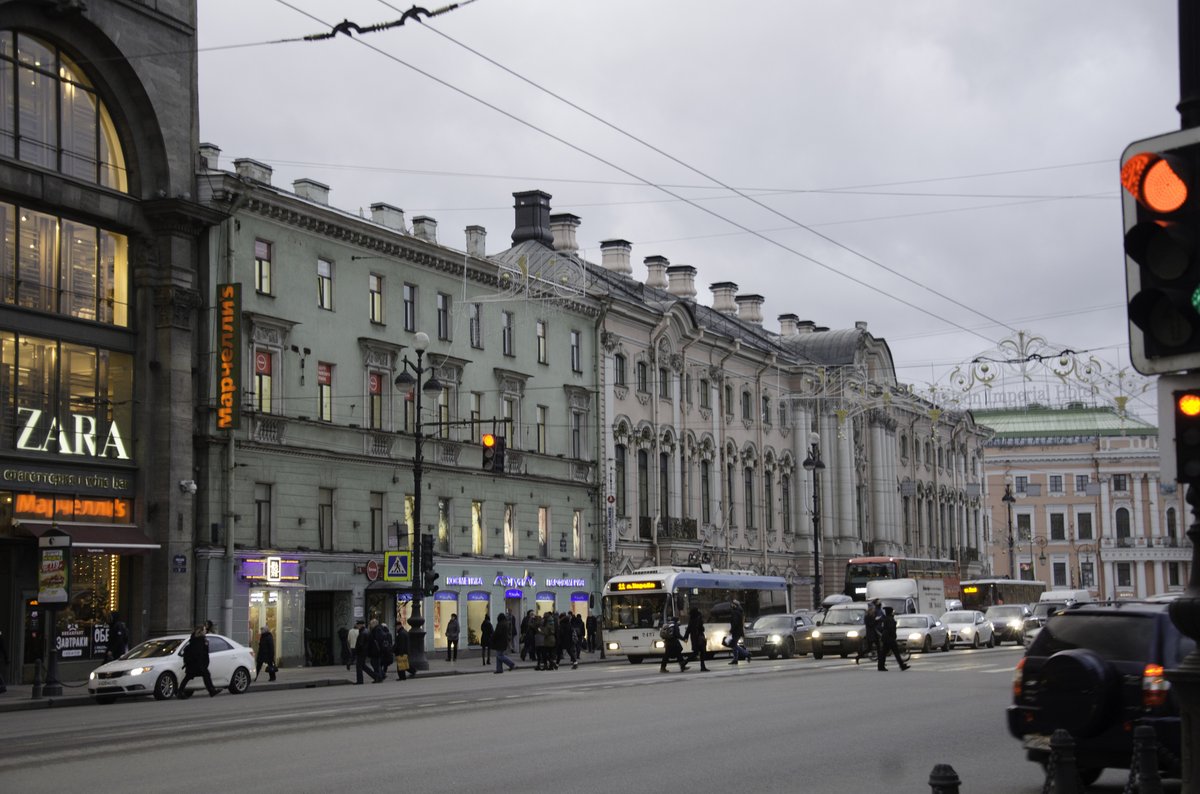
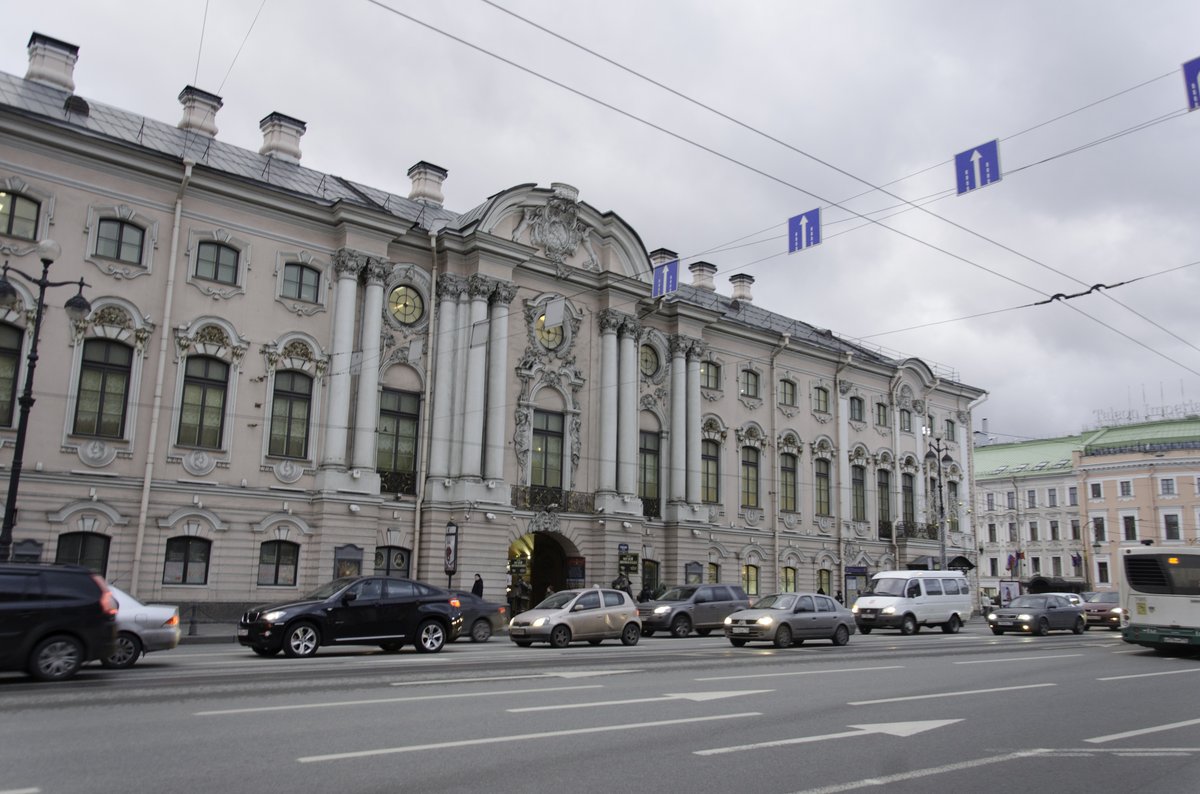
Nestled on the prestigious Nevsky Prospect in the heart of Saint Petersburg, the Stroganov Palace stands as a magnificent testament to Russia’s aristocratic heritage and architectural brilliance. Commissioned in the mid-18th century by Baron Sergey Grigoryevich Stroganov and designed by the celebrated Italian architect Francesco Bartolomeo Rastrelli, this Baroque masterpiece seamlessly blends opulent exteriors with richly detailed neoclassical interiors. Today, the palace forms a vital part of the Russian Museum complex, inviting visitors to journey through its meticulously restored halls, learn about the influential Stroganov family, and experience pivotal moments in Russian history—from imperial grandeur to revolutionary change and modern restoration (travelcultura.com; GuideForYou-Russia; Dame de Lys).
This comprehensive guide covers everything you need to know for a rewarding visit, including opening hours, ticketing, guided tours, accessibility, and notable nearby attractions. Whether you are a history buff, an art lover, or a curious traveler, discover how to make the most of your visit to one of Saint Petersburg’s finest historical gems (saint-petersburg.com; Tigrest Travel Blog).

Historical Background
The Stroganov Family’s Rise and Influence
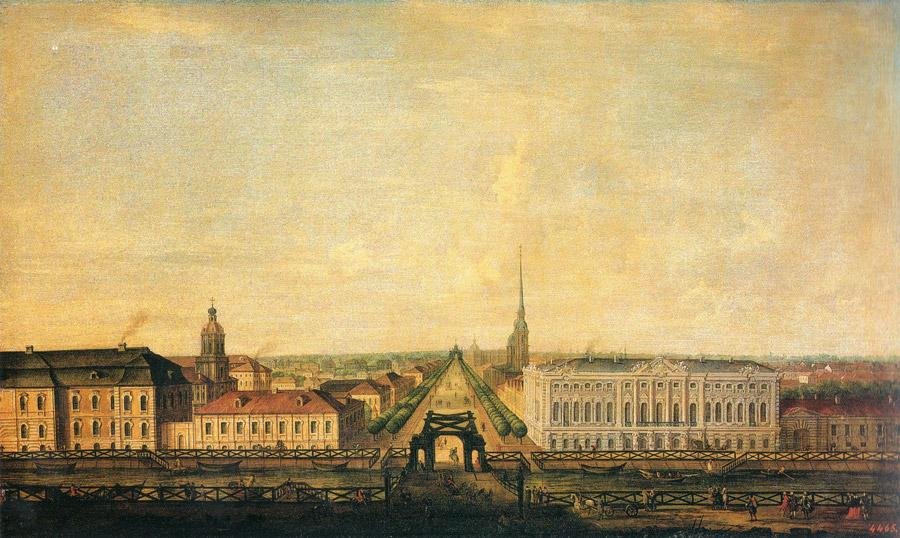
Originating as merchants in the 15th century, the Stroganov family rose to become one of Russia’s wealthiest and most influential dynasties. Their success stemmed from lucrative salt and fur trades, vast landholdings, and later, industrial ventures in metal smelting and Siberian development. The Stroganovs were celebrated patrons of the arts and sciences, amassing extensive collections of Western European paintings, rare books, coins, and minerals. Their ascent into the Russian aristocracy was recognized by Peter the Great, who ennobled the family in gratitude for their financial support during the Great Northern War. By the 18th century, their wealth and imperial connections were unrivaled (travelcultura.com; saint-petersburg.com; wikipedia.org).
Commissioning and Construction of the Palace
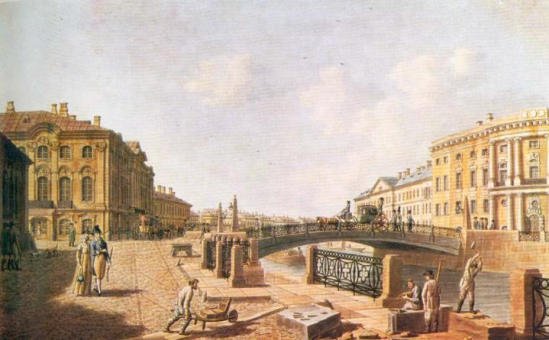
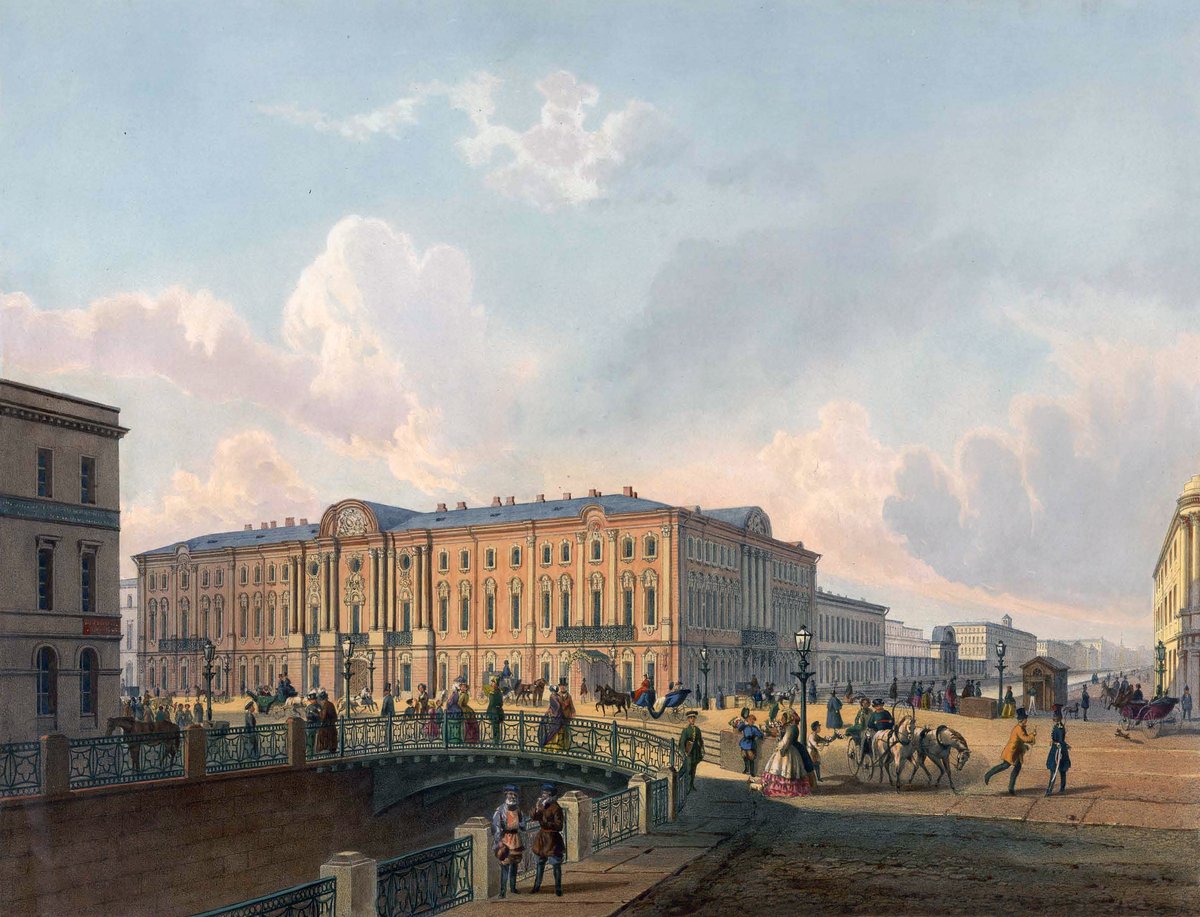
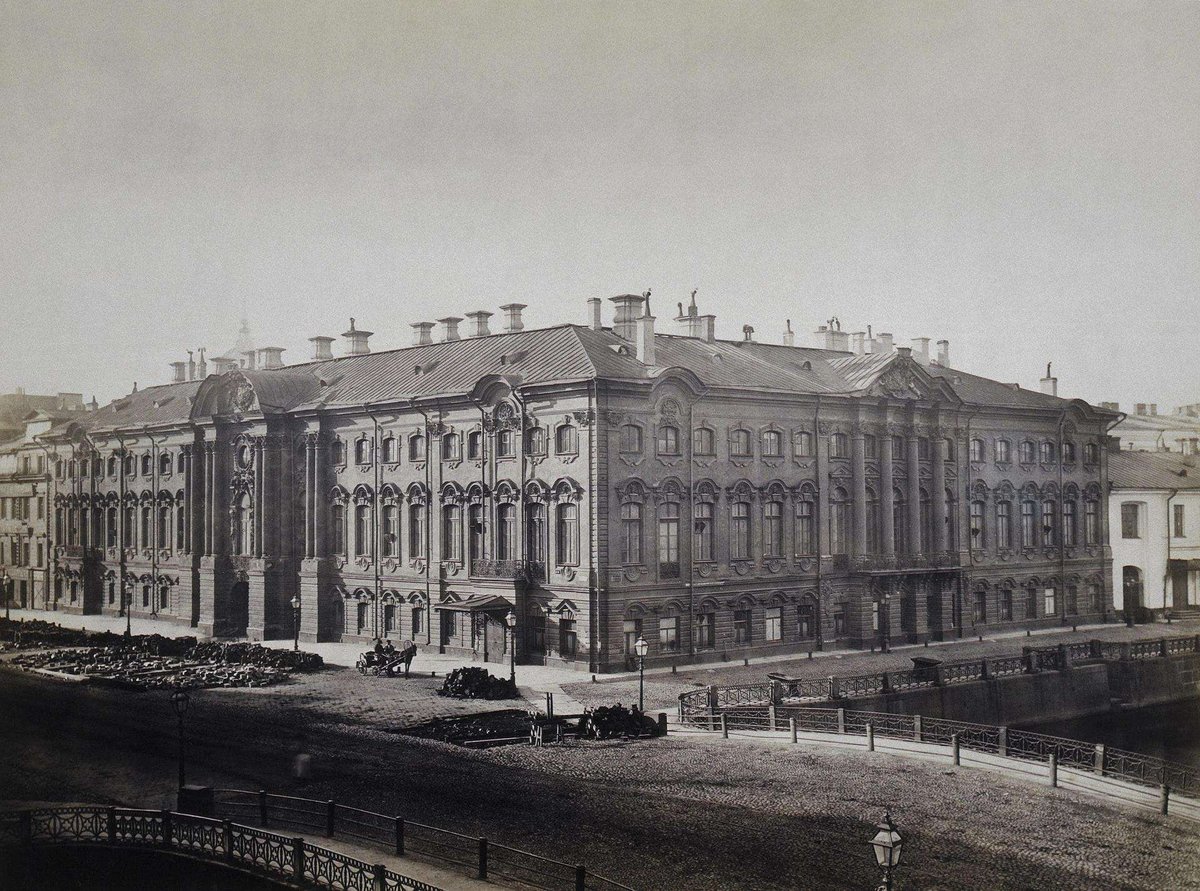
In 1752, Baron Sergey Grigoryevich Stroganov commissioned Francesco Bartolomeo Rastrelli—famed architect of the Winter and Catherine Palaces—to create a residence reflecting the family’s illustrious status. Empress Elizabeth herself authorized Rastrelli’s involvement. Construction began in 1753, incorporating earlier buildings on the site into a unified Baroque structure completed in 1754. The palace’s pink façade overlooking Nevsky Prospect and the Moika River soon became a city landmark (virtualrm.spb.ru; life-globe.com; ask-spb.com).
Architectural Evolution and Interior Redesign
While Rastrelli’s original exteriors have remained largely intact, the interiors saw significant transformation over the next two centuries. Notably, Count Alexander Sergeevich Stroganov enlisted architect Andrei Voronikhin to remodel many rooms in a refined neoclassical style at the turn of the 19th century. Key features include the Mineralogical Cabinet, with Corinthian columns and a dome painted by P. Gonzago, housing the count’s library and mineral collection. Additional highlights are the Great Hall, with Giuseppe Valeriani’s ceiling paintings, and the Arabesque Room, featuring classical motifs (petersburg24.ru; life-globe.com).
The Palace’s Role in Russian History
Beyond its role as a residence, the palace has hosted significant historical events, such as the foundation of the National Library of Russia and the election of deputies for Catherine II’s legal reform commission. The palace is also famously linked to the creation of Beef Stroganoff, now a classic dish of Russian cuisine (travelcultura.com).
From Revolution to Restoration
The Stroganovs retained ownership until the Russian Revolution of 1917, after which the palace was nationalized and its collections dispersed. The building served various functions during the Soviet era. In 1988, it was transferred to the Russian Museum, and extensive restoration began, with exteriors completed in 2003 and interiors continually improved (saint-petersburg.com; ask-spb.com).
Architectural Design and Exterior Features
Baroque Masterpiece by Francesco Rastrelli
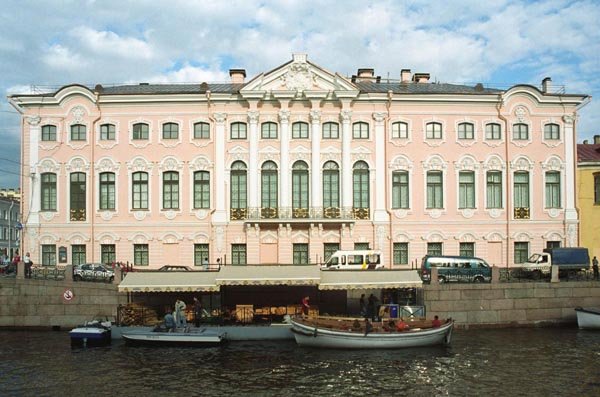
The Stroganov Palace epitomizes late Baroque splendor. Its three-story structure is laid out in a “G” shape, with facades facing both the Moika River and Nevsky Prospect. The building’s ornate stucco work, elegant platbands, pilasters, and sculptural details create a sense of grandeur. Notable features include caryatids supporting the central entrance and the Stroganov family coat of arms, symbolizing their Siberian heritage and role in Russia’s development (GuideForYou-Russia).
Unique Decorative Elements
Medallions with male profiles between the windows add a distinctive touch. Some attribute these portraits to Count Sergei Stroganov; others believe they are subtle self-portraits of Rastrelli. Remarkably, the palace is the only building on Nevsky Prospect to survive nearly unchanged since the 18th century (St Petersburg Essential Guide).
Interior Layout and Artistic Highlights
The Great Hall
Rastrelli’s original Great Hall features a sweeping staircase with iron gilt rails and is adorned with stucco, mirrors, and gilded sculpture. The ceiling’s centerpiece, “Triumph of the Hero” by Giuseppe Valeriani, exemplifies the integration of art and architecture characteristic of the Baroque (GuideForYou-Russia).
The Mineralogical Cabinet
Designed by Andrei Voronikhin, this room reflects Enlightenment-era scientific interests and neoclassical style. It once housed the Stroganovs’ mineral collection and library (GuideForYou-Russia).
The Arabesque Living Room
This space features intricate wall paintings and motifs inspired by classical antiquity and the Renaissance, showcasing the evolving tastes of the Russian nobility (GuideForYou-Russia).
Art Collections and Gallery Spaces
Historically, the palace contained masterpieces by Botticelli, Bronzino, Van Dyck, Claude Lorrain, Rembrandt, and Rubens. While many were dispersed after 1917, today’s exhibitions display works from the State Russian Museum, including painting, sculpture, and decorative arts (St Petersburg Essential Guide).
Artistic Innovations and Symbolism
Architectural Innovation
The Stroganov Palace was Russia’s first private commission for a court architect, signaling a new era of architectural patronage and the rise of the merchant-aristocratic class (GuideForYou-Russia).
Symbolism and Family Heritage
The palace’s decorative themes celebrate the Stroganovs’ achievements, with Siberian symbols in the coat of arms and motifs throughout the interiors, underscoring their legacy as industrialists and patrons (GuideForYou-Russia).
Preservation
After decades of neglect, restoration efforts since the late 20th century have preserved both the architectural structure and the original furnishings that survived the Soviet era (St Petersburg Essential Guide).
Visitor Experience
Visiting Hours and Tickets
- Opening Hours: Tuesday–Sunday, 10:00 AM–6:00 PM (last admission 5:00 PM). Closed Mondays and select holidays.
- Ticket Prices: Adults ~450 RUB; students/seniors discounted; children under 7 free. Guided tours available for an additional fee (Russian Museum).
- Combo Tickets: Available for access to other branches of the Russian Museum.
How to Get There
- Address: 17 Nevsky Prospekt, Saint Petersburg
- Metro: Nevsky Prospekt or Gostiny Dvor stations (5-minute walk)
- Public Transport: Bus and trolleybus lines along Nevsky Prospect
- Parking: Limited; public transport is recommended
Accessibility
The palace offers ramps and elevators for visitors with mobility challenges. Some historic areas may still be difficult to access—contact the museum in advance for assistance (Tigrest Travel Blog).
Guided Tours and Special Events
Guided tours in multiple languages are available and recommended. The palace hosts temporary exhibitions, concerts, and cultural events throughout the year (Russian Museum).
Practical Visitor Tips
- Language: Signage and audio guides in Russian and English
- Photography: Non-flash photography permitted unless otherwise indicated
- Facilities: Cloakroom and restrooms available
- Dining: No café inside, but many options nearby on Nevsky Prospekt
Nearby Attractions
- Russian Museum (main complex)
- Kazan Cathedral
- Church of the Savior on Spilled Blood
- Nevsky Prospect shopping, dining, and historic arcades
Frequently Asked Questions (FAQ)
Q: What are Stroganov Palace’s visiting hours?
A: Tuesday–Sunday, 10:00 AM–6:00 PM. Closed Mondays.
Q: How much are tickets?
A: About 450 RUB for adults; discounts for students and seniors; free for children under 7.
Q: Is the palace accessible?
A: Yes, with ramps and elevators; contact in advance for specific needs.
Q: Can I take photographs?
A: Yes, in most areas without flash.
Q: Are guided tours available?
A: Yes, in multiple languages—book online or at the ticket office.
Q: What’s nearby?
A: Russian Museum, Kazan Cathedral, Church of the Savior on Spilled Blood.
Visitor Reviews and Feedback
Visitors consistently praise the Stroganov Palace for its beautifully restored interiors, tranquil atmosphere, and central location. The manageable size and absence of crowds make it a favorite for those seeking an intimate cultural experience. While the collection is smaller than other palaces, the ambiance and restoration quality are highly regarded (Tigrest Travel Blog; Wanderlog).
Safety and Security
Saint Petersburg is generally safe for tourists, and the area around the palace is well-patrolled. Standard precautions are advised—keep valuables secure and be aware of pickpockets in crowded areas.
Recommendations for a Memorable Visit
- Visit early or during off-peak hours for a quieter experience.
- Use audio guides or join a guided tour for deeper insight.
- Combine your visit with other nearby attractions.
- Enjoy a meal at a nearby restaurant to reflect on your experience.
Interactive Map and Virtual Tour
Listen to the full story in the app
The whole Stroganov Palace,
told well.
Listen to sourced travel stories with local history and practical context — ready offline.
Verified, and shown.
Researched and written by the Audiala editorial team from historical records, architectural archives, and local expertise.
Petersburg, 2024, GuideForYou-Russia
Built from cited sources · see the method · How we make our guides →