Plan and listen to Quay With Sphinxes with Audiala.
Audio guide in your pocket, itinerary in your browser. Built for the way you actually visit.
Introduction to the Guide
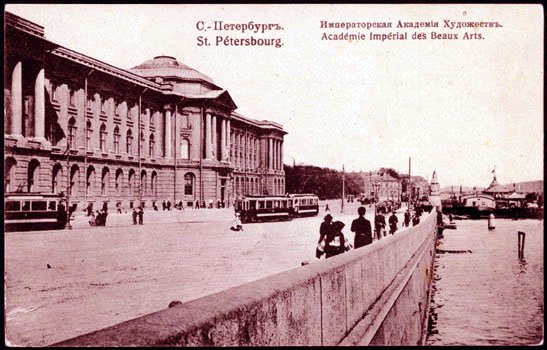
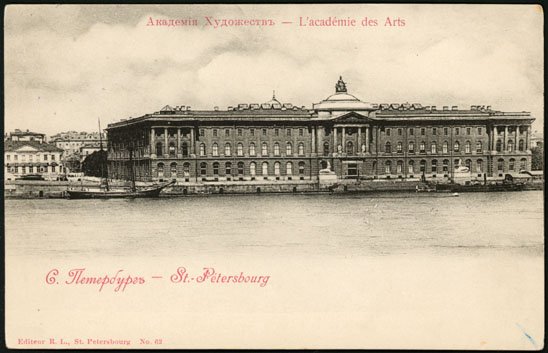
The Ancient Egyptian Sphinxes in Saint Petersburg, Russia, are a unique testament to the city's rich historical and cultural heritage. These monumental sculptures, dating back to the 14th century BCE, were originally part of the temple complex of Pharaoh Amenhotep III in Thebes, Egypt. Their journey to Russia in the 19th century was a significant event, reflecting the European fascination with ancient Egyptian artifacts. Today, these sphinxes stand proudly on the banks of the Neva River, near the Academy of Arts, and have become an iconic symbol of Saint Petersburg. This guide provides an in-depth look at the history, cultural significance, and practical visitor information for anyone planning to visit these remarkable landmarks. For more detailed information, you can refer to the official website of the State Hermitage Museum or explore the Academy of Arts' archives.

History of the Ancient Egyptian Sphinxes in Saint Petersburg, Russia
Origins and Discovery
The Ancient Egyptian Sphinxes in Saint Petersburg are a pair of monumental sculptures that date back to the 14th century BCE. These sphinxes were originally part of the temple complex of Pharaoh Amenhotep III in Thebes, Egypt. They were discovered during archaeological excavations in the early 19th century, a period marked by heightened European interest in ancient Egyptian artifacts and culture.
Acquisition and Transportation
In 1832, the sphinxes were acquired by the Russian government through the efforts of Andrey Muravyov, a Russian writer and traveler. Muravyov, who was deeply fascinated by Egyptian antiquities, negotiated the purchase of the sphinxes from the Egyptian authorities. The acquisition was part of a broader trend of European powers collecting and transporting ancient artifacts to their home countries.
The sphinxes were transported from Egypt to Russia by sea, a journey that took several months. They arrived in Saint Petersburg in 1834 and were initially stored in the courtyard of the Academy of Arts. The transportation and installation of these massive sculptures, each weighing approximately 23 tons, were significant engineering feats of the time.
Installation and Unveiling
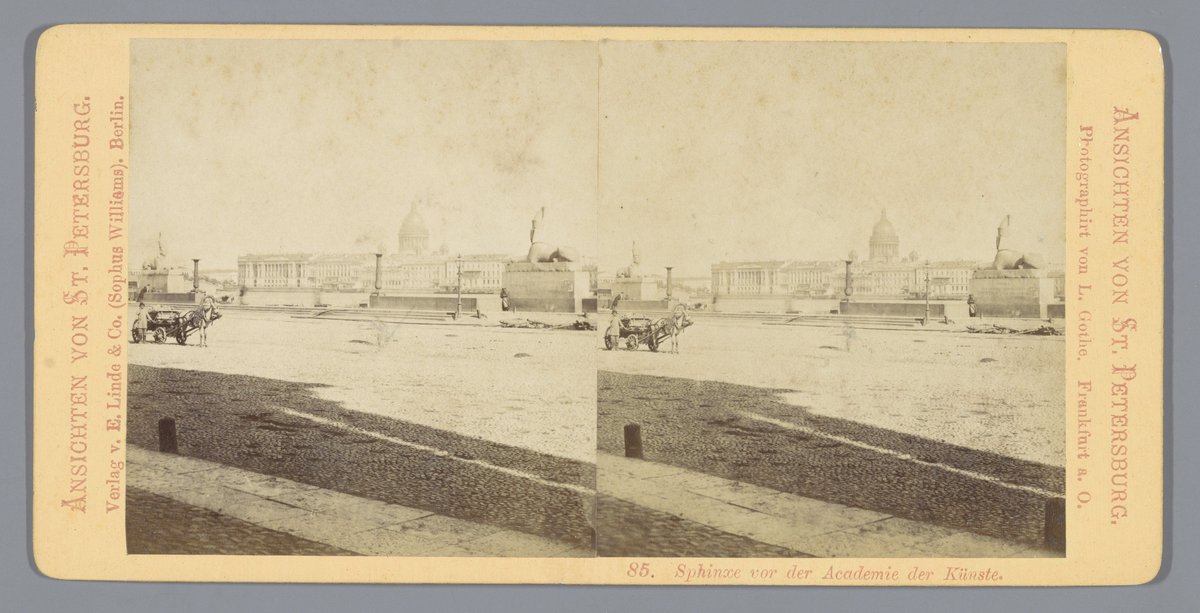
The sphinxes were installed on the banks of the Neva River, near the Academy of Arts, in 1834. The location was chosen for its prominence and visibility, ensuring that the sphinxes would become a notable landmark in the city. The installation was overseen by the architect Konstantin Thon, who designed the pedestals and the surrounding area to complement the grandeur of the sphinxes.
The unveiling of the sphinxes was a major cultural event in Saint Petersburg, attended by dignitaries, scholars, and the general public. The sphinxes quickly became a symbol of the city's connection to ancient civilizations and its status as a center of art and culture.
Cultural Significance
The presence of the sphinxes in Saint Petersburg reflects the city's historical fascination with ancient Egypt, a fascination shared by many European countries during the 19th century. The sphinxes symbolize the intersection of Russian and Egyptian cultures and serve as a testament to the global exchange of art and ideas.
The sphinxes also hold a special place in Russian literature and art. They have been referenced in the works of prominent Russian writers such as Alexander Pushkin and Fyodor Dostoevsky. Pushkin, in particular, was known for his interest in ancient Egypt, and the sphinxes are mentioned in his poem "Egyptian Nights."
Preservation and Restoration
Over the years, the sphinxes have undergone several restoration efforts to preserve their condition and ensure their longevity. The harsh climate of Saint Petersburg, with its freezing winters and humid summers, poses significant challenges to the preservation of these ancient sculptures.
In the late 20th century, a major restoration project was undertaken to address the wear and tear on the sphinxes. This project involved cleaning the surfaces, repairing cracks, and applying protective coatings to shield the sculptures from the elements. The restoration efforts were guided by experts in both Russian and Egyptian art and archaeology, ensuring that the sphinxes were preserved with the utmost care and respect for their historical significance.
Visitor Information
Visiting Hours and Tickets
The Ancient Egyptian Sphinxes are accessible to the public year-round. There is no admission fee to view the sphinxes as they are located in an open public space on the banks of the Neva River. Visitors can view the sphinxes at any time of day, although they are most commonly visited during daylight hours.
Travel Tips and Nearby Attractions
The sphinxes are easily accessible via public transportation, with several bus and tram stops nearby. Visitors can also enjoy a scenic walk along the Neva River. Nearby attractions include the Academy of Arts, the State Hermitage Museum, and the Peter and Paul Fortress.
Accessibility Information
The area around the sphinxes is wheelchair accessible, and there are several benches and rest areas for visitors to use. Information plaques in multiple languages provide historical context and details about the sphinxes.
Special Events and Guided Tours
Guided tours are often available through local tour companies, offering in-depth historical insights and fascinating anecdotes about the sphinxes and their journey to Saint Petersburg. The sphinxes also serve as a popular backdrop for cultural events and photography.
FAQ
Q: What are the visiting hours for the Ancient Egyptian Sphinxes in Saint Petersburg?
A: The sphinxes are accessible to the public year-round, with no specific visiting hours as they are located in an open public space.
Q: Is there an admission fee to see the sphinxes?
A: No, there is no admission fee to view the sphinxes.
Q: Are there guided tours available for the sphinxes?
A: Yes, guided tours are often available through local tour companies.
Q: Are the sphinxes wheelchair accessible?
A: Yes, the area around the sphinxes is wheelchair accessible.
Q: What nearby attractions can be visited along with the sphinxes?
A: Nearby attractions include the Academy of Arts, the State Hermitage Museum, and the Peter and Paul Fortress.
Discover More
For more updates on cultural events and historical sites in Saint Petersburg, follow us on social media and check out our other related posts. Don't forget to download the mobile app Audiala for a rich, interactive experience!
Summary and Final Thoughts
The Ancient Egyptian Sphinxes in Saint Petersburg continue to be one of the city's most iconic landmarks, attracting thousands of visitors each year. These sphinxes not only symbolize the historical connection between Russia and ancient Egypt but also serve as a focal point for cultural and educational events. The preservation efforts over the years have ensured that these monumental sculptures remain in excellent condition for future generations to appreciate. Whether you are a history enthusiast, an art lover, or a curious traveler, the sphinxes offer a unique and enriching experience. To stay updated on related events and exhibitions, follow us on social media and download the Audiala app for the latest news and updates. For more information, visit the State Hermitage Museum and the Academy of Arts.
Listen to the full story in the app
The whole Quay With Sphinxes,
told well.
Listen to sourced travel stories with local history and practical context — ready offline.
Verified, and shown.
Researched and written by the Audiala editorial team from historical records, architectural archives, and local expertise.
Built from cited sources · see the method · How we make our guides →