Plan and listen to Peter And Paul Fortress with Audiala.
Audio guide in your pocket, itinerary in your browser. Built for the way you actually visit.
Introduction to Петропавловская крепость
The Peter and Paul Fortress, known in Russian as Петропавловская крепость, is an emblematic landmark in Saint Petersburg, Russia, embodying the city's rich history and cultural heritage. Established by Tsar Peter the Great on May 27, 1703, the fortress marks the very foundation of Saint Petersburg and stands as a testament to the city's strategic importance and resilience. Originally constructed to defend the newly acquired lands during the Great Northern War, the fortress has evolved through the centuries, serving various roles from a military garrison to a political prison, and now a major historical museum complex (Saint Petersburg.com) (Russia Beyond).
The centerpiece of the fortress is the Cathedral of Saints Peter and Paul, one of the tallest buildings in Saint Petersburg, which houses the tombs of almost all Russian emperors and empresses from Peter the Great to Nicholas II. The fortress also played a crucial role during the October Revolution of 1917 and later served as a prison for political dissidents during the Soviet era. Today, it is a part of the State Museum of the History of Saint Petersburg, attracting millions of visitors annually who come to explore its museums, exhibitions, and historic structures (Saint Petersburg.com) (History.com).
This comprehensive guide aims to provide visitors with essential information on the fortress's history, ticketing, visiting hours, and travel tips, ensuring a memorable and enriching experience at one of Saint Petersburg's most iconic sites.

History of the Peter and Paul Fortress
Foundation and Early Years
The Peter and Paul Fortress was strategically located on Zayachy Island (Hare Island) along the Neva River to protect the newly acquired lands from Swedish forces during the Great Northern War. The initial construction was overseen by the Swiss-Italian architect Domenico Trezzini, who played a significant role in shaping the early architectural landscape of Saint Petersburg (Saint Petersburg.com).
Architectural Evolution
The fortress's original earthen ramparts were soon replaced with stone bastions between 1706 and 1740. The six bastions, named after Peter the Great and his closest associates, form a hexagonal layout. The most notable of these is the Naryshkin Bastion, which houses the daily firing of the noon cannon, a tradition that continues to this day (Russia Beyond).
The Cathedral of Saints Peter and Paul
At the heart of the fortress stands the Cathedral of Saints Peter and Paul, designed by Trezzini and completed in 1733. The cathedral's golden spire, topped with an angel holding a cross, reaches a height of 122.5 meters, making it one of the tallest buildings in Saint Petersburg. The cathedral serves as the burial site for almost all the Russian emperors and empresses from Peter the Great to Nicholas II and his family, whose remains were interred here in 1998 (Saint Petersburg.com).
Military and Political Significance
Throughout its history, the Peter and Paul Fortress has played various roles, from a military stronghold to a political prison. During the 18th and 19th centuries, it housed many prominent political prisoners, including Tsarevich Alexei, the son of Peter the Great, and the writer Fyodor Dostoevsky. The Trubetskoy Bastion, constructed in the 1870s, became the main political prison within the fortress, notorious for its harsh conditions (Russia Beyond).
The October Revolution and Soviet Era
The fortress's role shifted dramatically during the October Revolution of 1917. It was here that the Bolsheviks fired artillery shells at the Winter Palace, marking a pivotal moment in the revolution. Following the revolution, the fortress was used by the Soviet government as a prison and execution site for political dissidents. The most infamous of these was the execution of the Romanov family in 1918, although their remains were later moved to the cathedral (History.com).
Restoration and Modern Use
In the 1920s, the fortress was transformed into a museum, and extensive restoration work began to preserve its historical structures. Today, the Peter and Paul Fortress is part of the State Museum of the History of Saint Petersburg, attracting millions of visitors annually. The fortress complex includes several museums, exhibitions, and the iconic cathedral, offering a comprehensive insight into the city's rich history (Saint Petersburg.com).
Visitor Information
Ticket Prices and Visiting Hours
The Peter and Paul Fortress is open to visitors year-round. Here is some essential information about ticket prices and visiting hours:
- Visiting Hours: The fortress is generally open daily from 10:00 AM to 6:00 PM, but hours may vary depending on the season and specific attractions within the fortress.
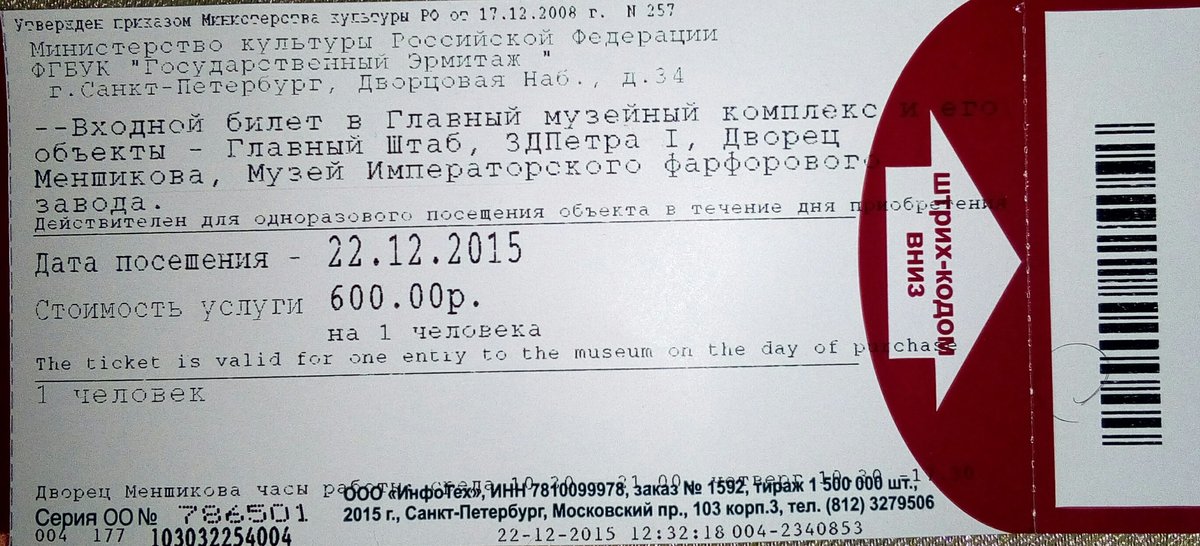
- Ticket Prices: Admission fees vary. A standard ticket to the fortress costs around 600 RUB, with additional fees for specific exhibits and guided tours. Discounts are often available for students, seniors, and children.
- Official Website: For the most up-to-date information on visiting hours and ticket prices, visit the official website.
Travel Tips
- Guided Tours: Consider taking a guided tour to fully appreciate the historical and architectural significance of the fortress. Tours are available in multiple languages.
- Special Events: Check the fortress's event calendar for special exhibitions, reenactments, and cultural events that may coincide with your visit.
- Photographic Spots: The fortress offers numerous picturesque spots, including views of the Neva River and the golden spire of the Cathedral of Saints Peter and Paul. Don't forget your camera!
- Accessibility: The fortress is generally accessible to visitors with mobility issues, but some areas may have limited access. It's advisable to check in advance.
- Nearby Attractions: Other notable historical sites nearby include the Winter Palace, the Hermitage Museum, and the Cruiser Aurora.
Key Historical Events
- 1703: Foundation of the fortress by Peter the Great.
- 1706-1740: Replacement of earthen ramparts with stone bastions.
- 1733: Completion of the Cathedral of Saints Peter and Paul.
- 1870s: Construction of the Trubetskoy Bastion as a political prison.
- 1917: Bolshevik artillery attack during the October Revolution.
- 1920s: Transformation into a museum and beginning of restoration work.
Historical Artifacts and Exhibits
The fortress houses numerous artifacts and exhibits that chronicle its storied past. The Museum of the History of Saint Petersburg, located within the fortress, features exhibits on the city's founding, the construction of the fortress, and its role in Russian history. Notable exhibits include original architectural plans, personal items of political prisoners, and artifacts from the October Revolution (Saint Petersburg.com).
FAQ
- What are the opening hours of the Peter and Paul Fortress? The fortress is generally open daily from 10:00 AM to 6:00 PM, but hours may vary. Check the official website for the most current information.
- How much do tickets cost? A standard ticket to the fortress costs around 600 RUB, with additional fees for specific exhibits and guided tours.
- Are guided tours available? Yes, guided tours are available in multiple languages and are highly recommended for a comprehensive experience.
- Is the fortress accessible to visitors with mobility issues? While the fortress is generally accessible, some areas may have limited access. It's advisable to check in advance.
- What other attractions are nearby? Nearby attractions include the Winter Palace, the Hermitage Museum, and the Cruiser Aurora.
Listen to the full story in the app
The whole Peter And Paul Fortress,
told well.
Listen to sourced travel stories with local history and practical context — ready offline.
Verified, and shown.
Researched and written by the Audiala editorial team from historical records, architectural archives, and local expertise.
A Comprehensive Guide to Visiting the Peter and Paul Fortress - History, Tickets, and Tips. Available at:
Peter and Paul Fortress: The History of St. Petersburg's Oldest Landmark. Available at:
October Revolution. Available at:
Built from cited sources · see the method · How we make our guides →