Plan and listen to Marble Palace with Audiala.
Audio guide in your pocket, itinerary in your browser. Built for the way you actually visit.
Introduction
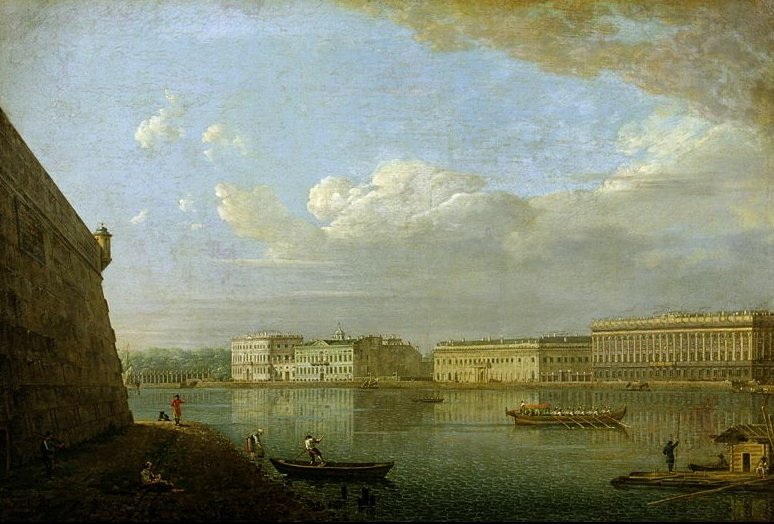
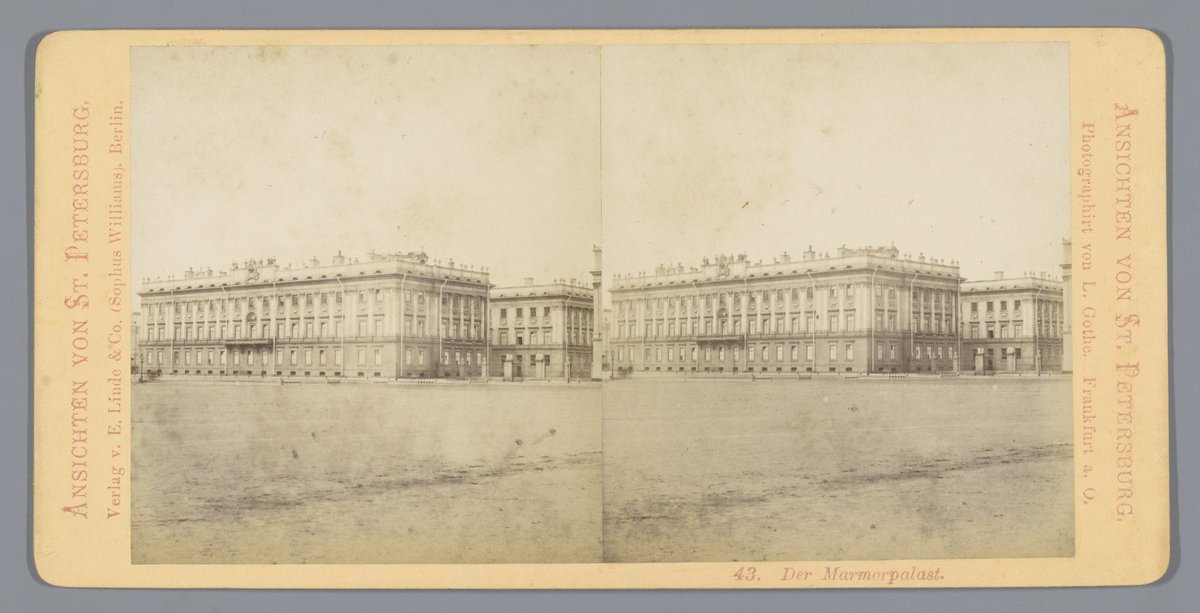
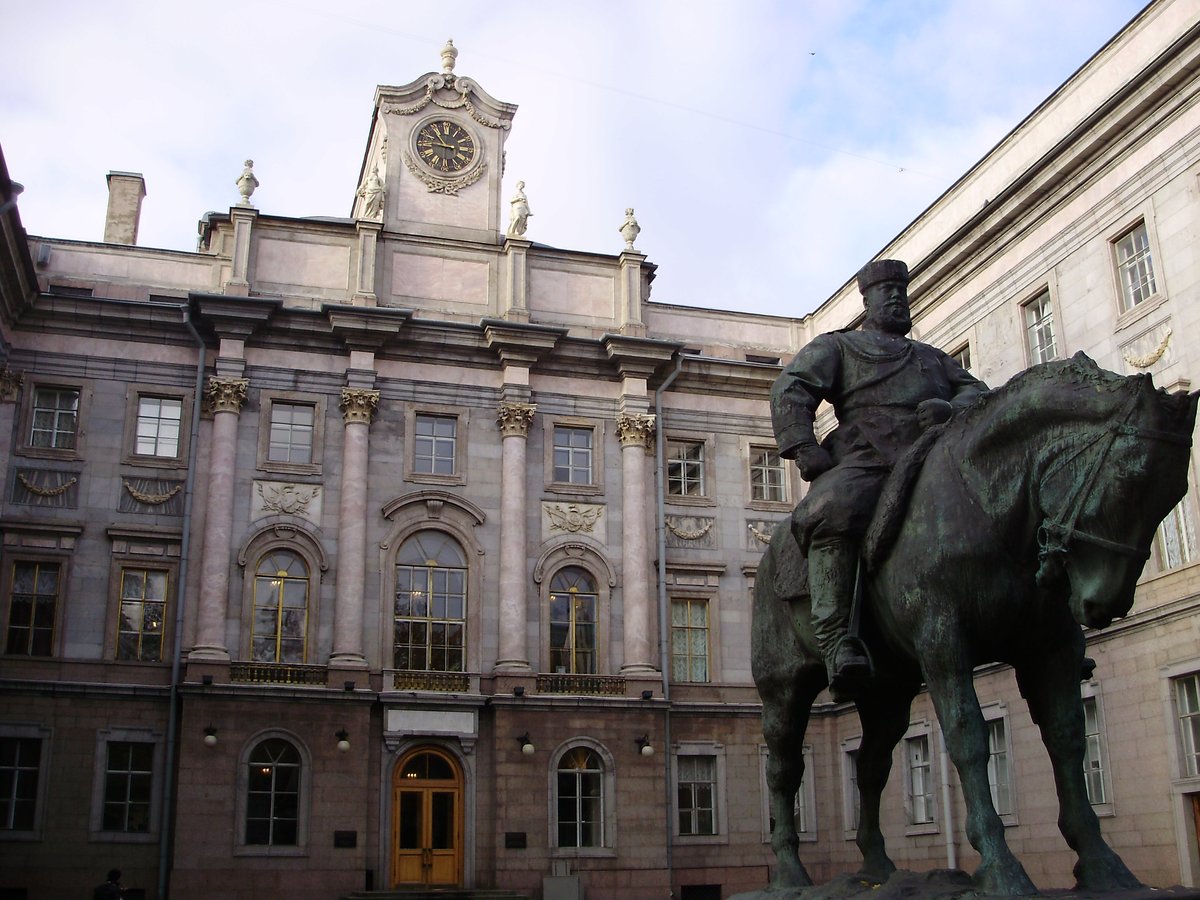
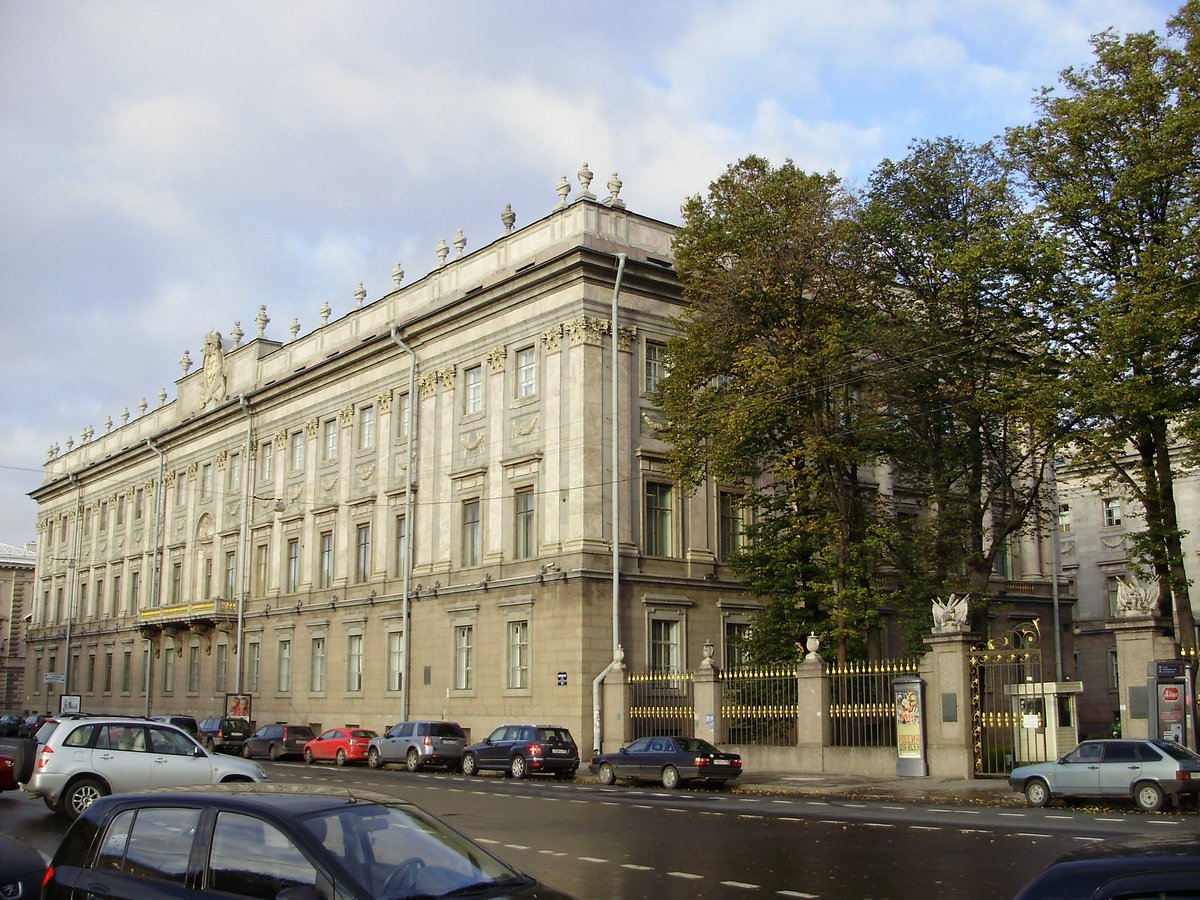
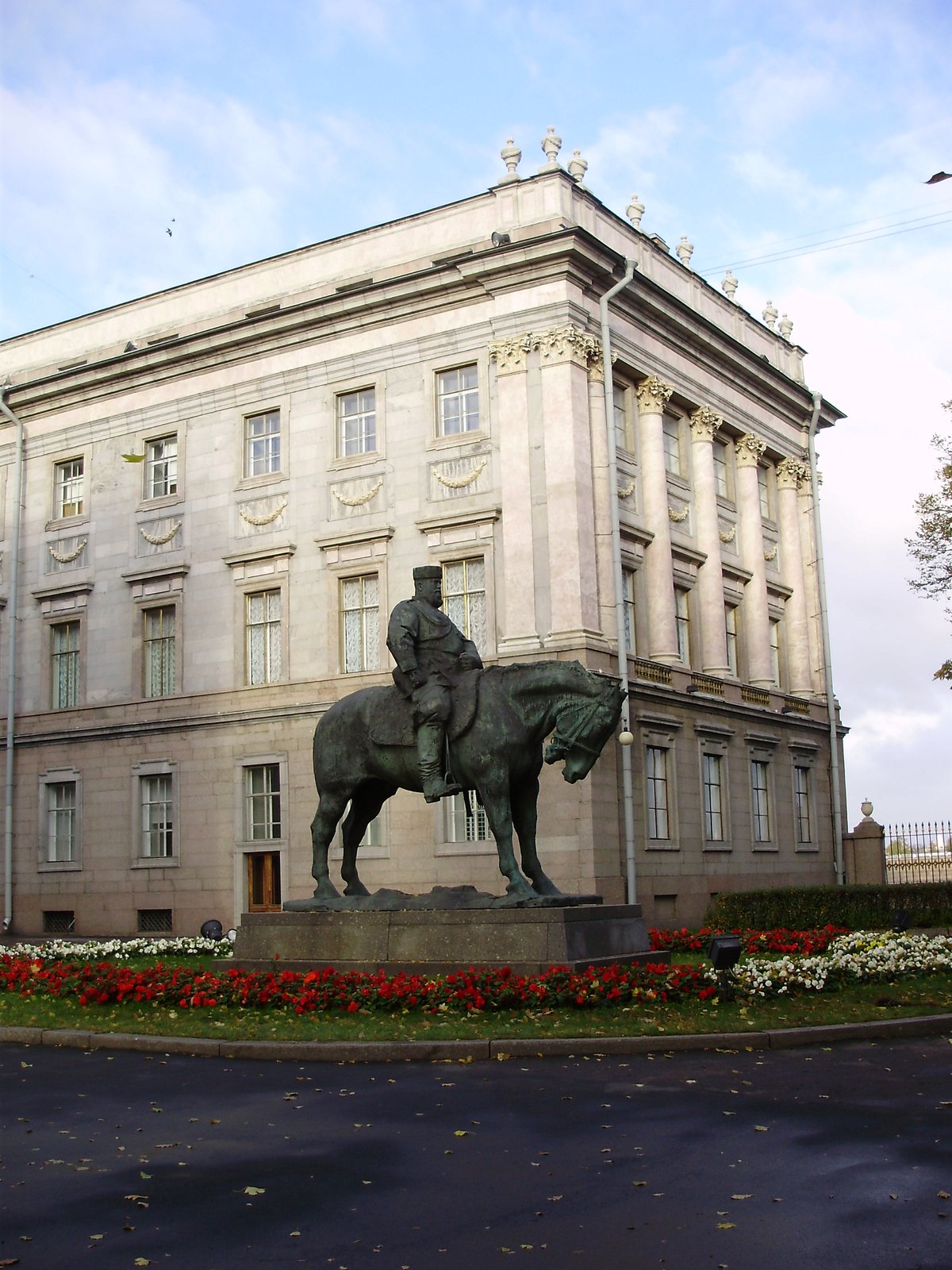
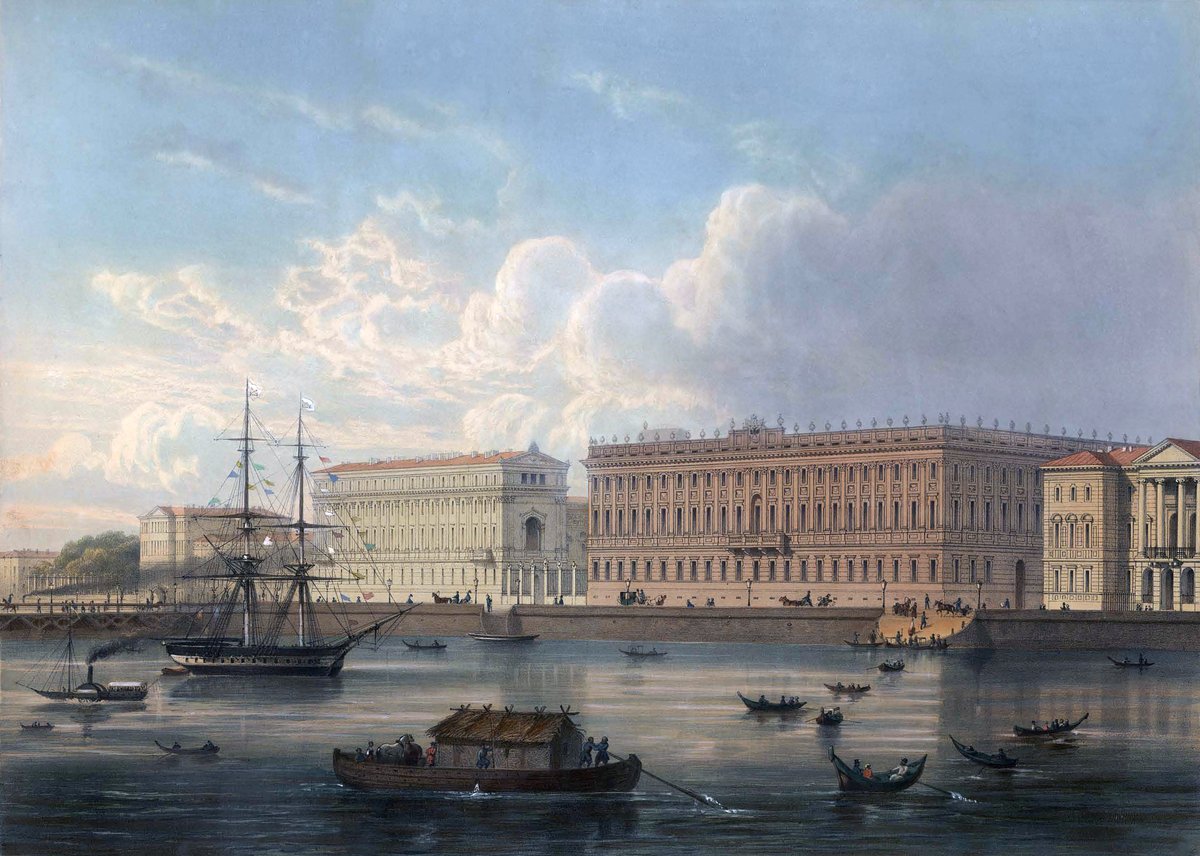
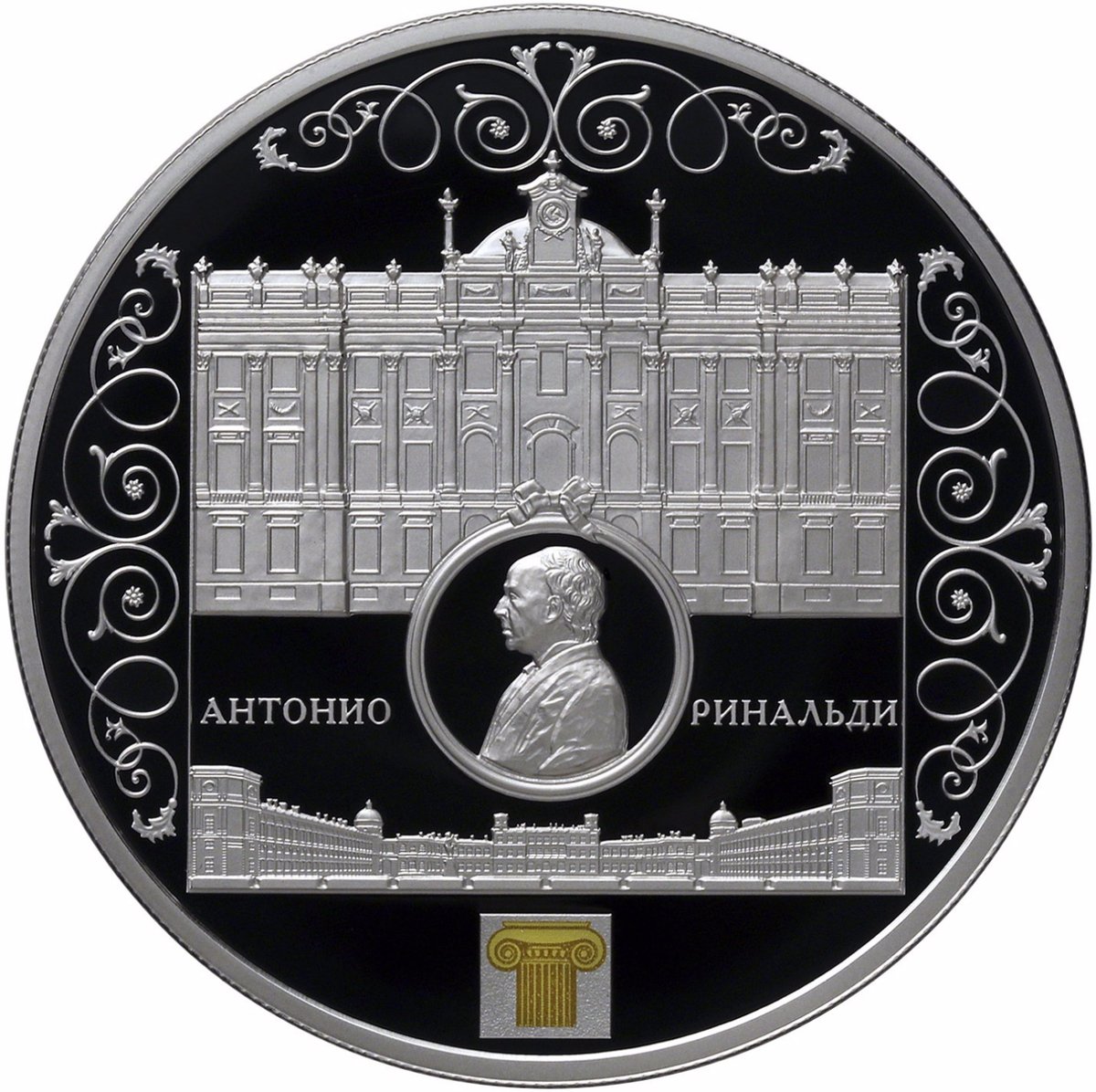
Nestled in the heart of Saint Petersburg, the Marble Palace stands as a testament to Russia's rich history and architectural grandeur. Commissioned by Empress Catherine the Great, this iconic landmark has witnessed centuries of change and remains a must-visit site for history enthusiasts and art lovers alike. Designed by Italian architect Antonio Rinaldi, the palace's name derives from its lavish use of over 30 varieties of marble sourced from quarries across Russia and Europe (The State Hermitage Museum). Originally intended as a gift for Catherine's favorite, Grigory Potemkin, the palace passed through various hands before becoming a museum showcasing Russian art (Visiting the Marble Palace in Saint Petersburg). Today, it serves as a branch of the State Russian Museum, offering a comprehensive overview of Russian art from the 18th to the 20th centuries.

A Storied Past: The Marble Palace Through the Ages
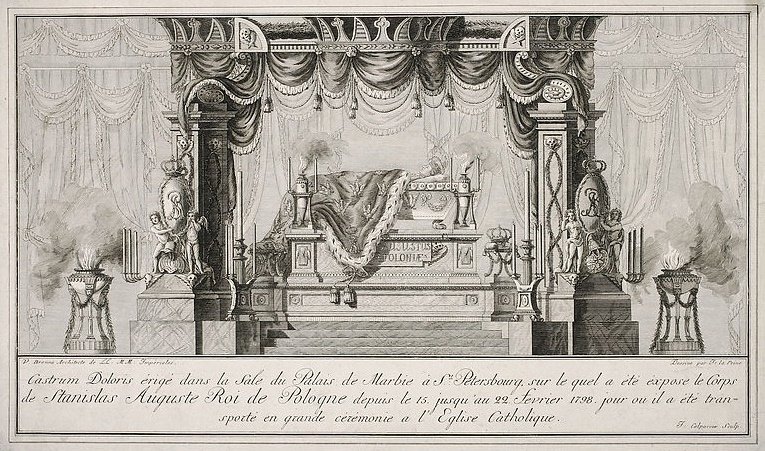
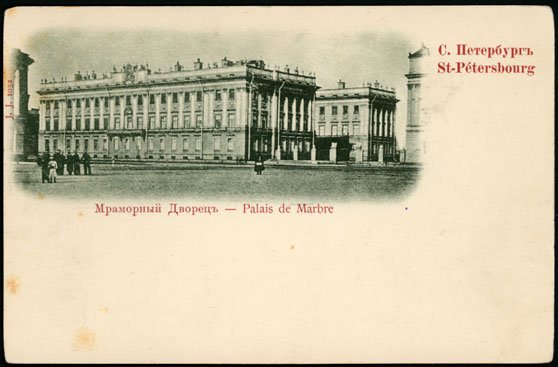
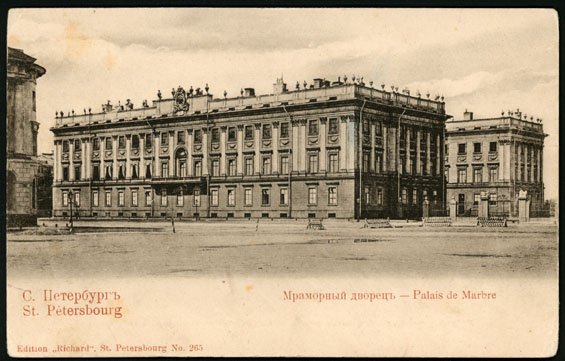
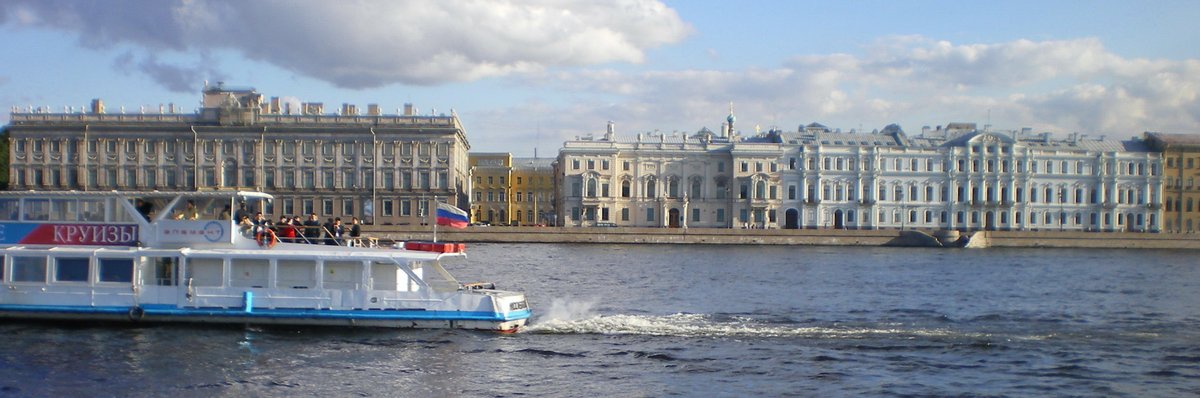
The Marble Palace stands as a prominent landmark in Saint Petersburg, its history interwoven with the city's own grand narrative.
A Gift and a Transformation: From Potemkin to the Romanovs
While Catherine envisioned the palace for Potemkin, he passed away in 1791, leaving the unfinished palace in the hands of the empress. Catherine then gifted the palace to her grandson, Grand Duke Constantine Pavlovich, upon his marriage to Princess Anna Feodorovna of Saxe-Coburg-Saalfeld. Significant alterations were made to the original design by Antonio Rinaldi under the supervision of Ivan Starov to better suit the tastes of the young couple.
A Legacy Passed Down: From One Grand Duke to Another
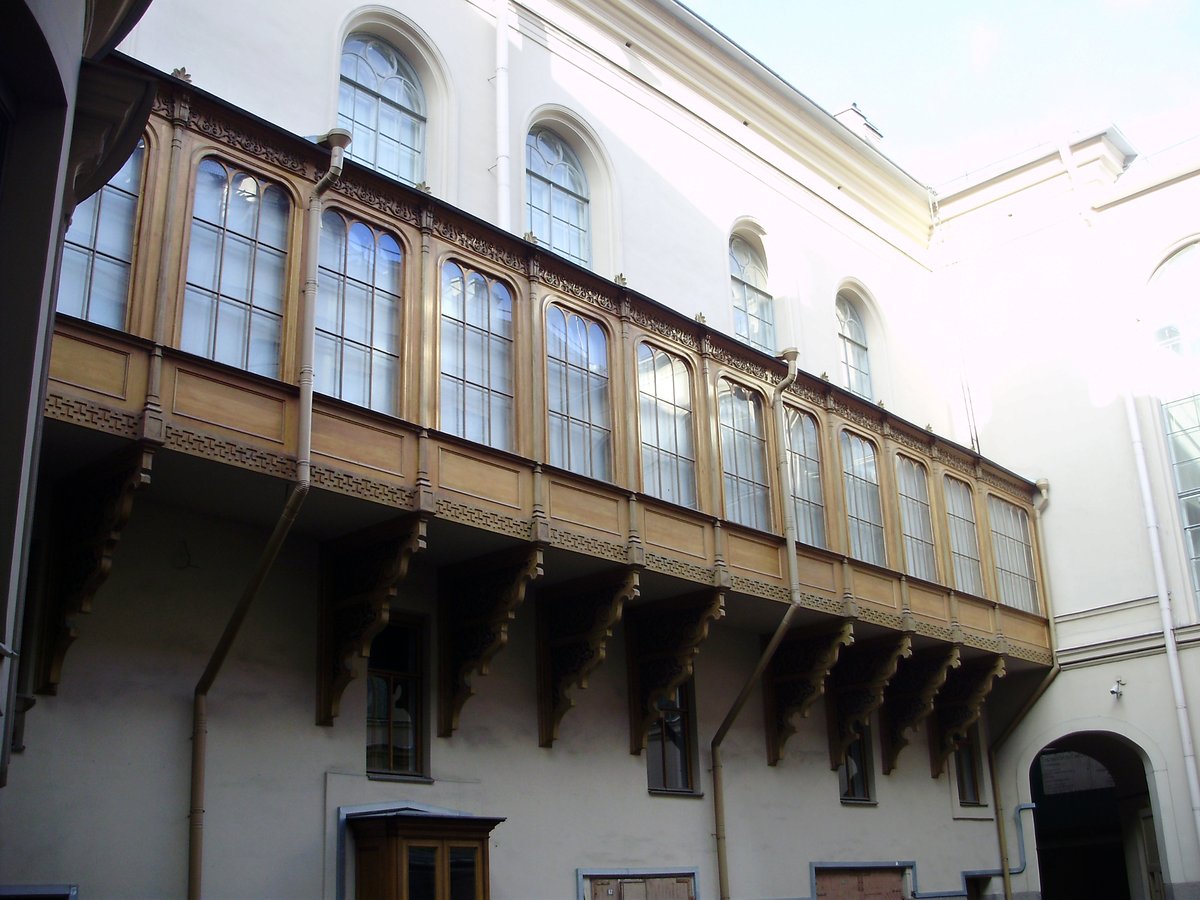
Following Constantine's death, the Marble Palace transitioned to his younger brother, Grand Duke Nicholas Pavlovich, who later became Emperor Nicholas I. Extensive renovations were undertaken, shaping the palace into a grand residence for his second son, Grand Duke Konstantin Nikolayevich. This era saw the palace flourish as a hub of social and cultural activity.
A New Century, A New Purpose: The Palace in the 20th Century
The dawn of the 20th century brought significant changes. Following the Russian Revolution, the palace's role shifted from an imperial residence to a museum. Initially housing the Museum of the Revolution, it became a branch of the Russian Museum in 1937, showcasing a diverse collection of Russian art from various periods.
Practical Visitor Information
Marble Palace Visiting Hours
The Marble Palace is open to visitors from Tuesday to Sunday, 10:30 AM to 6:00 PM. It is closed on Mondays and the first Thursday of each month.
Marble Palace Tickets
- General Admission: 500 RUB
- Students and Seniors: 300 RUB
- Children under 18: Free
Tickets can be purchased at the entrance or online through the official website.
How to Get There
The Marble Palace is located at 5/1 Millionnaya Street, Saint Petersburg. It is easily accessible by public transport, with the nearest metro station being Nevsky Prospekt. From there, it is a short walk to the palace.
Nearby Attractions
- The State Hermitage Museum
- The Summer Garden
- The Church of the Savior on Spilled Blood
Accessibility
The Marble Palace is wheelchair accessible, with ramps and elevators available for visitors with mobility issues. Special assistance can be requested at the entrance.
Events and Photographic Spots
The palace hosts a variety of special events and exhibitions throughout the year. The grand staircase and the main hall are popular spots for photography, offering stunning backdrops for memorable pictures.
The Significance of the Marble Palace: More Than Just a Building
The Marble Palace holds a multifaceted significance that extends beyond its architectural grandeur.
Architectural Significance: A Fusion of Styles
The palace is celebrated for its unique architectural style, a blend of Neoclassical and early Classicist elements. The use of 32 different shades of marble sourced from quarries across Russia and Europe showcases the opulence characteristic of Russian architecture during Catherine the Great's reign.
Historical Significance: A Witness to Russia's Past
Beyond its architectural merit, the Marble Palace holds immense historical significance. Its walls have witnessed pivotal moments in Russian history, from the reign of Catherine the Great to the Russian Revolution.
Cultural Significance: A Repository of Russian Art
Today, as a branch of the Russian Museum, the Marble Palace plays a vital role in preserving and showcasing Russia's artistic heritage. Its collection boasts a diverse range of artworks, providing a comprehensive overview of Russian art from the 18th to the 20th centuries.
FAQ
What are the Marble Palace visiting hours?
The Marble Palace is open from Tuesday to Sunday, 10:30 AM to 6:00 PM. It is closed on Mondays and the first Thursday of each month.
How much are the Marble Palace tickets?
- General Admission: 500 RUB
- Students and Seniors: 300 RUB
- Children under 18: Free
How can I get to the Marble Palace?
The Marble Palace is located at 5/1 Millionnaya Street, Saint Petersburg, near the Nevsky Prospekt metro station.
Is the Marble Palace wheelchair accessible?
Yes, the Marble Palace is wheelchair accessible with ramps and elevators available.
Listen to the full story in the app
The whole Marble Palace,
told well.
Listen to sourced travel stories with local history and practical context — ready offline.
Verified, and shown.
Researched and written by the Audiala editorial team from historical records, architectural archives, and local expertise.
Built from cited sources · see the method · How we make our guides →