Plan and listen to Kunstkamera with Audiala.
Audio guide in your pocket, itinerary in your browser. Built for the way you actually visit.
Introduction
The Kunstkamera, officially known as the Музей антропологии и этнографии имени Петра Великого Российской Академии наук, is a testament to Russia's rich history and dedication to scientific exploration. Established in 1714 by Peter the Great, this museum stands as one of the oldest in Russia and is a prominent landmark in Saint Petersburg. The museum's inception was driven by Peter's fascination with natural history and his ambition to modernize Russia through scientific knowledge. The Kunstkamera houses an extensive collection of artifacts, ranging from anatomical specimens and ethnographic artifacts to natural curiosities (Kunstkamera Official Site).
Architecturally, the Kunstkamera is a masterpiece of the Petrine Baroque style, designed by Georg Johann Mattarnovy. Its distinctive appearance, featuring a green-and-white color scheme and a central tower, makes it a notable landmark along the Neva River. Over the centuries, the museum's collection has grown substantially, thanks to contributions from explorers and scholars, solidifying its status as a key institution in the fields of anthropology and ethnography (Saint Petersburg Encyclopedia).
In the Soviet era, the Kunstkamera continued to thrive despite political upheavals. It became part of the Institute of Ethnography of the Soviet Academy of Sciences in 1933, furthering its focus on ethnographic research. Today, the museum embraces modern technology, offering online exhibitions and virtual tours, making its collections accessible to a global audience. The Kunstkamera also hosts various educational programs and collaborates with international institutions for joint exhibitions and research projects (Russian Academy of Sciences).
This comprehensive guide aims to provide detailed information for visitors, including the museum's history, visiting hours, ticket prices, and travel tips, ensuring a memorable and enriching experience at one of Saint Petersburg's most historic and culturally significant museums.

History of the Kunstkamera
Foundation and Early Years
The Kunstkamera, established by Peter the Great in 1714, reflects his passion for science and curiosity about the world. Initially housed in the Kikin Hall, it moved to its current location on the Neva River in Saint Petersburg in 1727 (Kunstkamera Official Site). Peter aimed to create a center for the study of natural history and ethnography, starting with his personal acquisitions, including anatomical specimens, ethnographic artifacts, and natural curiosities.
Architectural Significance
Designed by architect Georg Johann Mattarnovy, the Kunstkamera is a fine example of Petrine Baroque architecture. Completed in 1734, it features a distinctive green-and-white color scheme with a central tower, originally housing an observatory (Saint Petersburg Encyclopedia). The building also includes a large hall for public lectures and exhibitions.
Growth and Development
Throughout the 18th and 19th centuries, the Kunstkamera's collection grew significantly, thanks to contributions from explorers, scientists, and collectors. It played a crucial role in the development of anthropology and ethnography as academic disciplines in Russia. Expeditions by the Russian Academy of Sciences brought back a wealth of artifacts from various regions (Russian Academy of Sciences).
The Kunstkamera in the Soviet Era
Despite the upheavals of the Soviet era, the Kunstkamera continued to thrive. In 1933, it became part of the Institute of Ethnography of the Soviet Academy of Sciences, leading to a renewed focus on ethnographic research. During World War II, the museum's staff protected the collections from bombing raids, and extensive restoration efforts followed the war (Kunstkamera Official Site).
Modern Era and Recent Developments
In the post-Soviet era, the Kunstkamera has embraced modern technology and digitalization, making its collections more accessible through online exhibitions and virtual tours. It has also expanded its educational programs and partnered with international institutions for joint exhibitions and research projects (Kunstkamera Collaborations).
Visitor Information
Visiting Hours and Tickets
The Kunstkamera is open daily from 11:00 AM to 6:00 PM, except on Mondays. Tickets can be purchased at the museum's entrance or online. General admission is 300 RUB, with discounts available for students and seniors (Kunstkamera Official Site).
Travel Tips
The museum is located on the University Embankment of the Neva River, easily accessible by public transport. The best time to visit is during weekdays in the morning to avoid crowds. Guided tours are available in multiple languages.
Accessibility
The Kunstkamera is committed to accessibility, offering facilities for visitors with disabilities, including ramps, elevators, and accessible restrooms.
Nearby Attractions
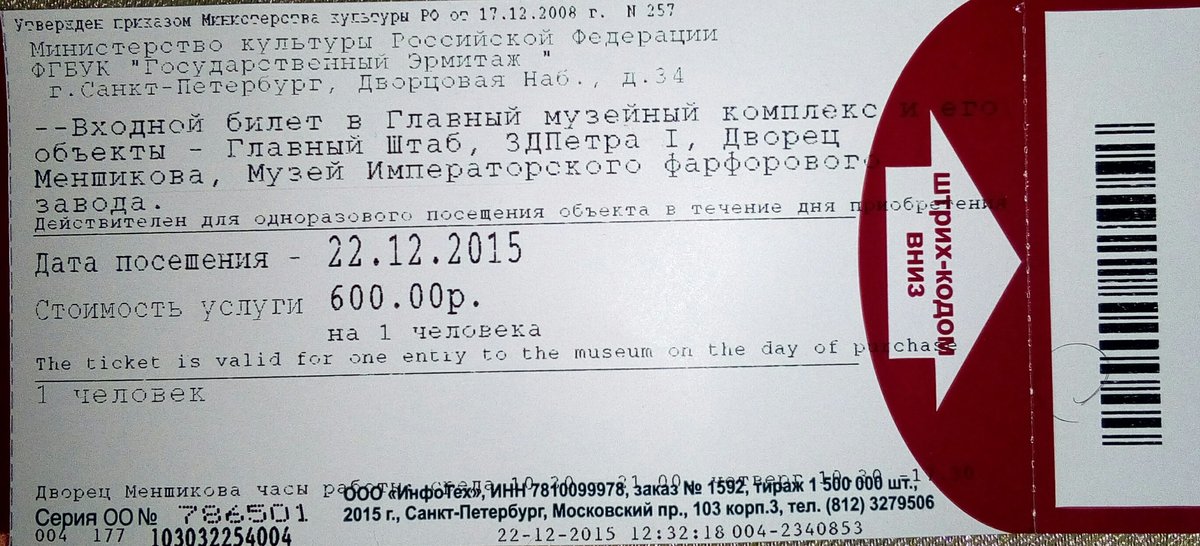
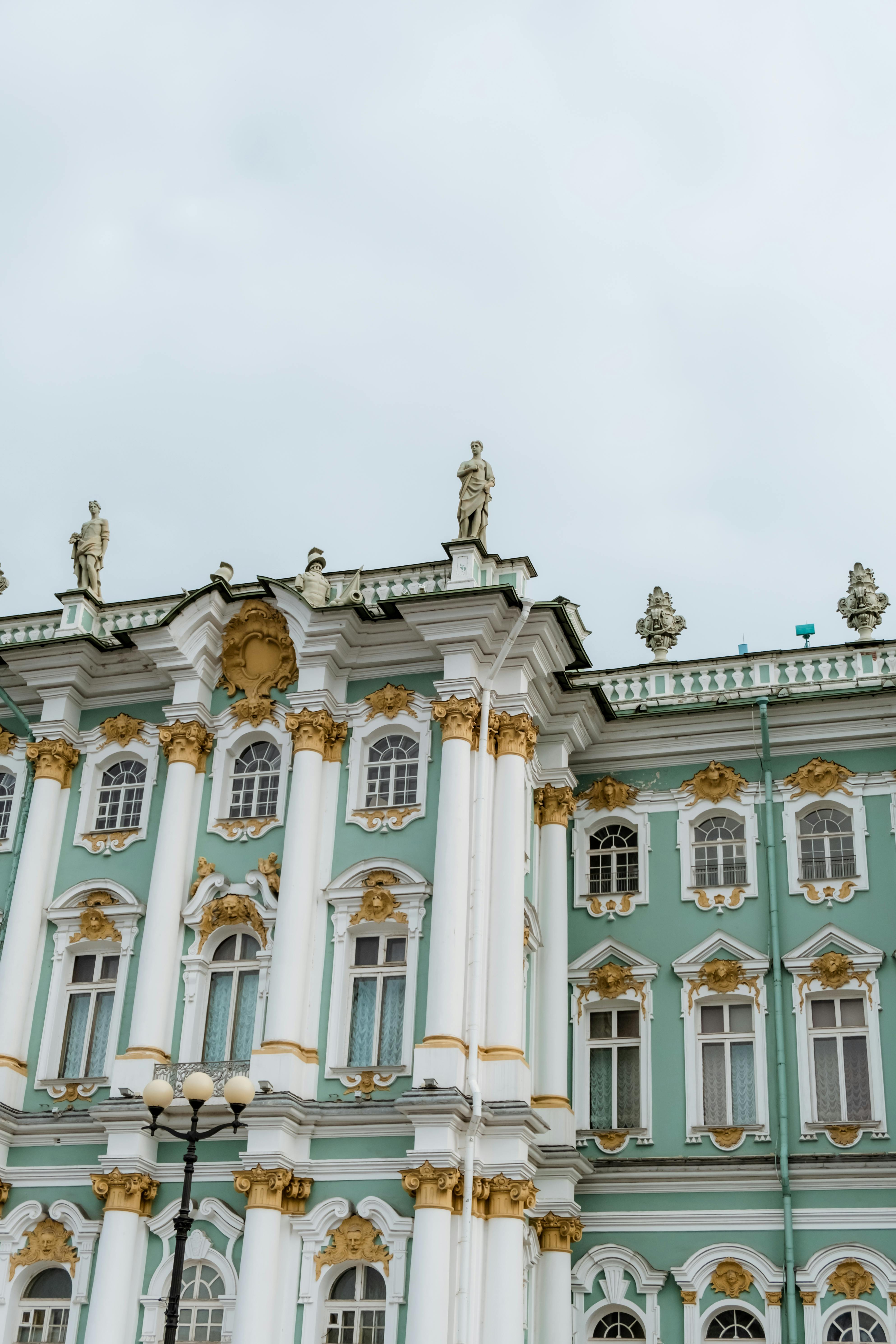
- Hermitage Museum - One of the largest and oldest museums in the world, located nearby. (Hermitage Museum)
- Peter and Paul Fortress - A historical fortress with a cathedral and prison museum.
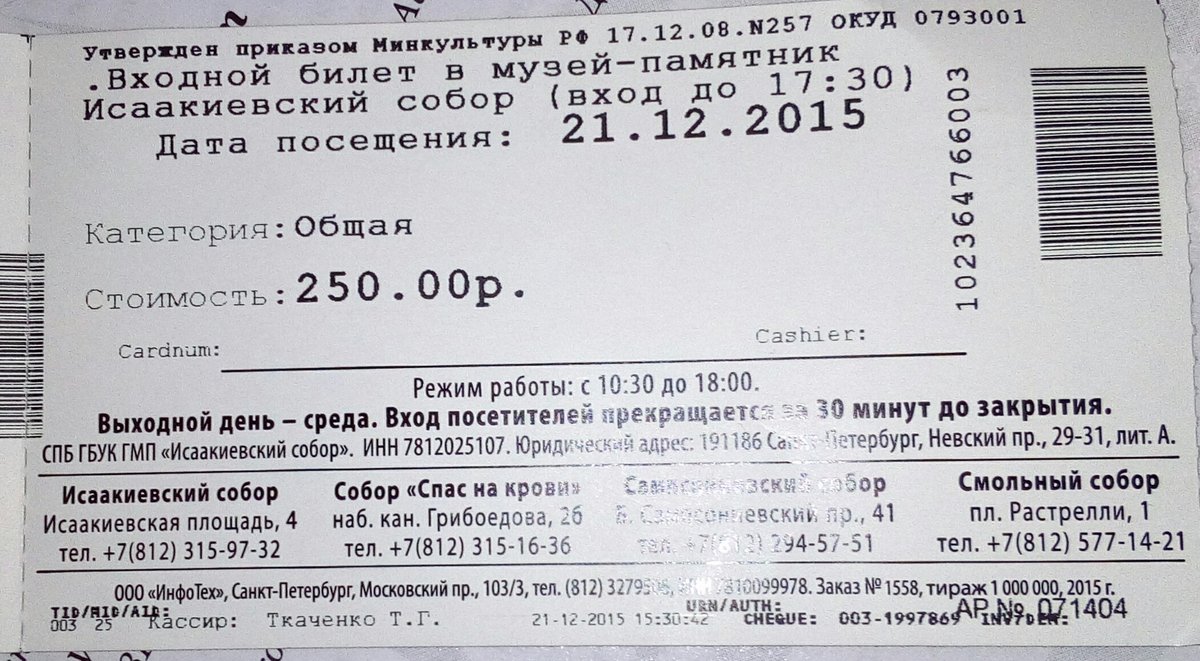
- Saint Isaac's Cathedral - A stunning architectural landmark with a panoramic viewpoint. (St. Isaac's Cathedral)
- Mariinsky Theatre - Renowned for its ballet and opera performances.
Special Events and Guided Tours
The Kunstkamera hosts various special events throughout the year, including temporary exhibitions, workshops, and cultural events. Guided tours are available, offering deeper insights into the museum's collections and history.
Photographic Spots
Popular spots for photography include the central tower, the river-facing façade, and the exhibits of Peter the Great's curiosities. Photography is allowed in most areas of the museum but is restricted in certain sections.
Notable Collections and Exhibits
Peter the Great's Curiosities
Anatomical specimens, scientific instruments, and natural curiosities collected by Peter the Great, including the famous two-headed calf and other unique items.
Ethnographic Collections
Artifacts from various cultures around the world, showcasing traditional clothing, tools, and art.
Natural History Collections
A wide array of specimens from the natural world, including minerals, plants, and animals.
Anthropological Exhibits
Displays focusing on the development and diversity of human cultures and societies.
FAQ
Q: What are the Kunstkamera's opening hours? A: The Kunstkamera is open daily from 11:00 AM to 6:00 PM, except on Mondays.
Q: How much are the tickets to the Kunstkamera? A: General admission is 300 RUB, with discounts available for students and seniors.
Q: Is the Kunstkamera accessible for visitors with disabilities? A: Yes, the museum offers facilities for visitors with disabilities, including ramps, elevators, and accessible restrooms.
Q: Are guided tours available at the Kunstkamera? A: Yes, guided tours are available in multiple languages.
Listen to the full story in the app
The whole Kunstkamera,
told well.
Listen to sourced travel stories with local history and practical context — ready offline.
Verified, and shown.
Researched and written by the Audiala editorial team from historical records, architectural archives, and local expertise.
Built from cited sources · see the method · How we make our guides →