Plan and listen to Constantine Palace with Audiala.
Audio guide in your pocket, itinerary in your browser. Built for the way you actually visit.
Introduction
Constantine Palace, located on the southern shore of the Gulf of Finland in Strelna—approximately 19 kilometers from Saint Petersburg’s city center—is one of Russia’s most significant imperial landmarks. Conceived by Peter the Great in the early 18th century as a “Russian Versailles,” the palace has evolved through centuries of royal patronage, war, and restoration. Today, it serves both as the official presidential residence in Saint Petersburg and as a world-renowned venue for diplomatic summits and cultural events.
This guide provides detailed, practical information for visiting Constantine Palace, including opening hours, ticketing, tour options, accessibility, and travel tips. It also explores the palace’s rich history, architectural features, and the surrounding attractions that make Strelna a must-visit in the Saint Petersburg region. For the latest updates, official resources, and audio guides, consult the Constantine Palace official website and supporting links (Geomerid, Archtene, Official site).


Origins and Early Construction
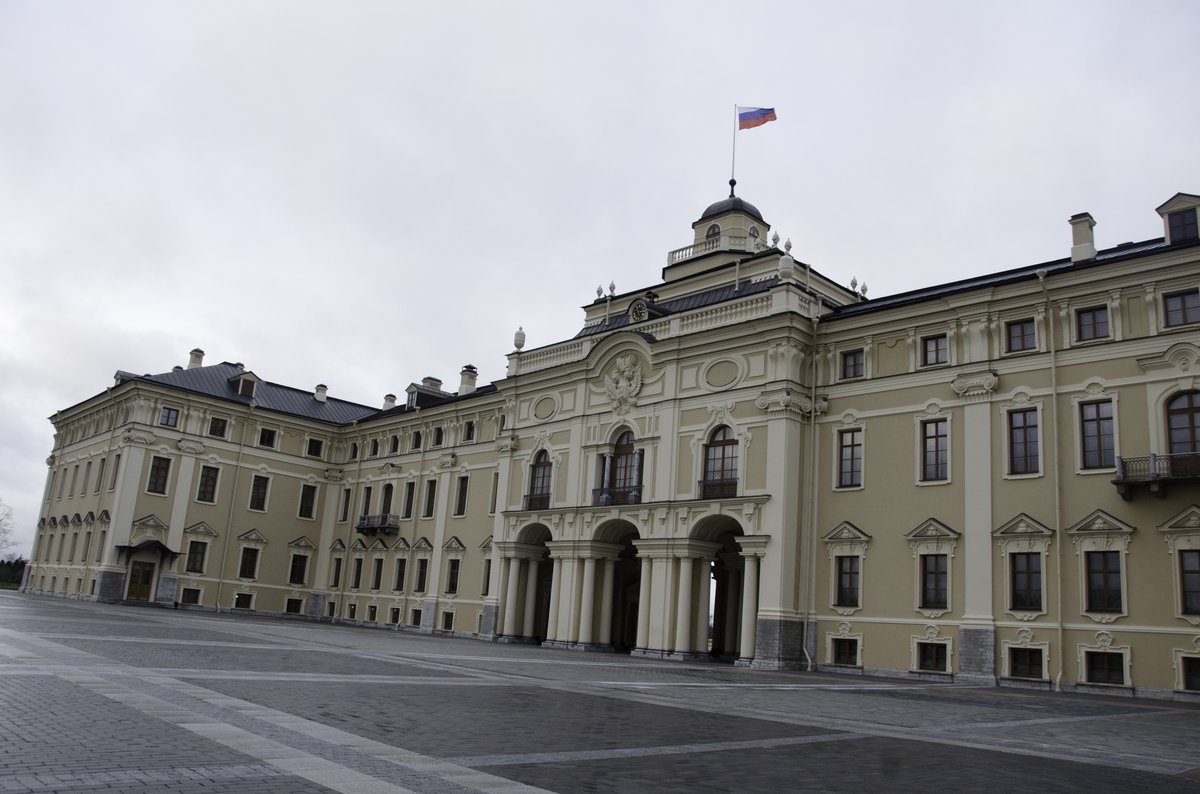
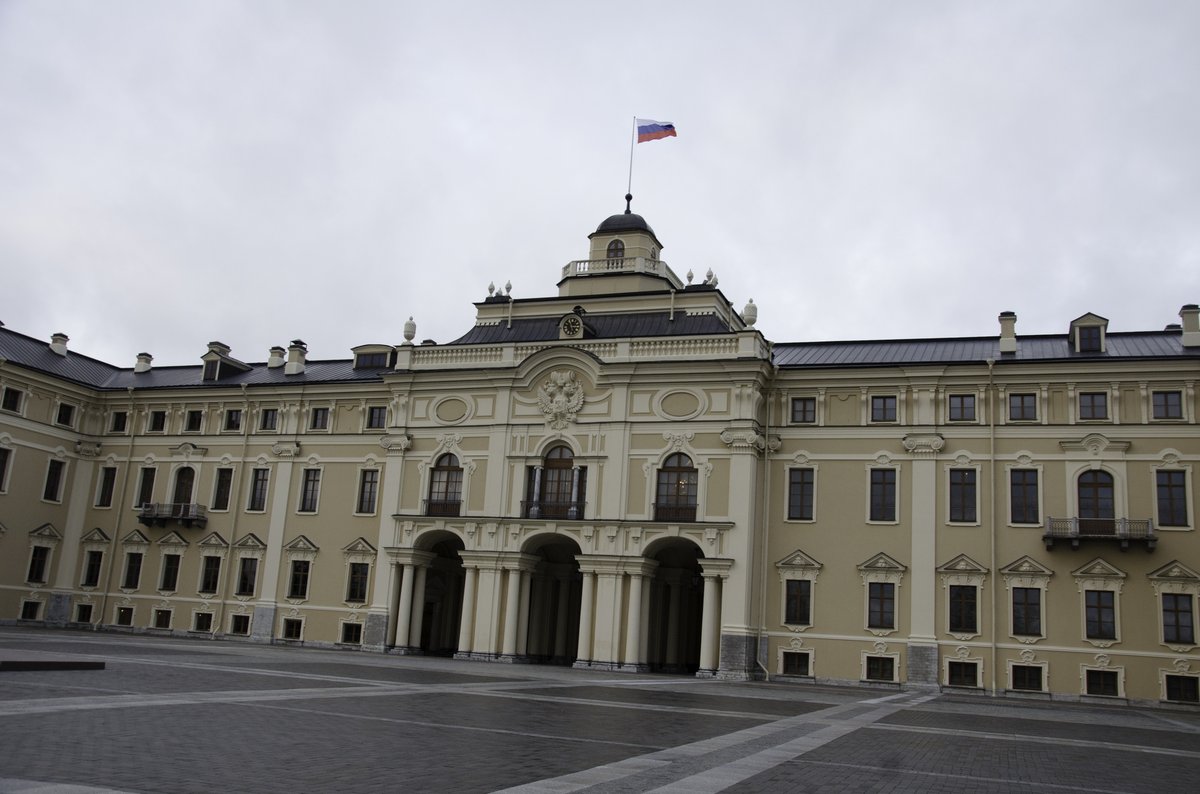
Peter the Great initiated the construction of Constantine Palace (also called the Great Strelna Palace, Russian: Константиновский дворец) in 1720. Italian architect Niccolò Michetti designed the initial structures and the elaborate canal system, aiming to rival Europe’s grandest palaces. Construction was hampered by marshy terrain and shifting priorities, and the palace stood unfinished for decades.
18th–19th Century Development
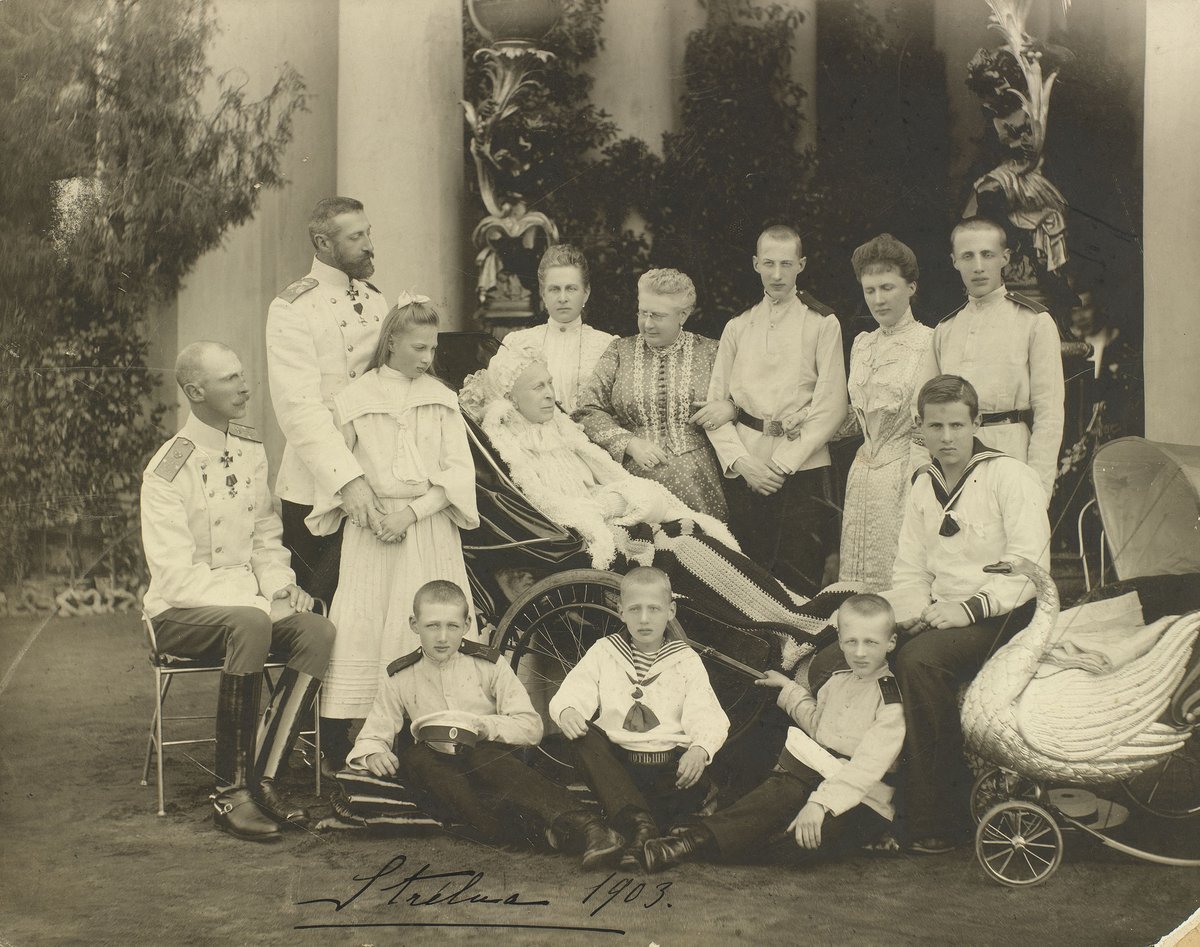
Revived under Emperor Paul I, the project was entrusted to his son, Grand Duke Constantine Pavlovich. Architects Andrei Voronikhin and Luigi Rusca completed upper stories by 1807, despite setbacks such as a fire in 1803. Throughout the 19th century, the Konstantinovichi branch of the Romanovs used the palace as a summer residence, and it hosted notable figures like Grand Duke Konstantin Konstantinovich and Queen Olga of Greece.
Soviet Era and Modern Restoration
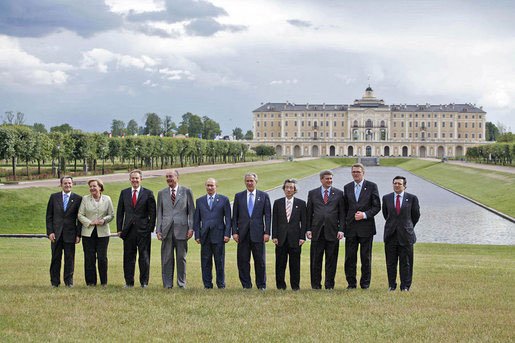
After the 1917 Revolution, the palace was nationalized and repurposed, suffering severe damage during World War II. In 2000, a major restoration began in preparation for Saint Petersburg’s 300th anniversary. The project meticulously revived the palace’s facades, interiors, and gardens, blending historical accuracy with modern adaptation. Since reopening in 2003, Constantine Palace has hosted major events including the G8 (2006) and G20 (2013) summits (Geomerid).
Architectural Features and Park
Exterior and Gardens
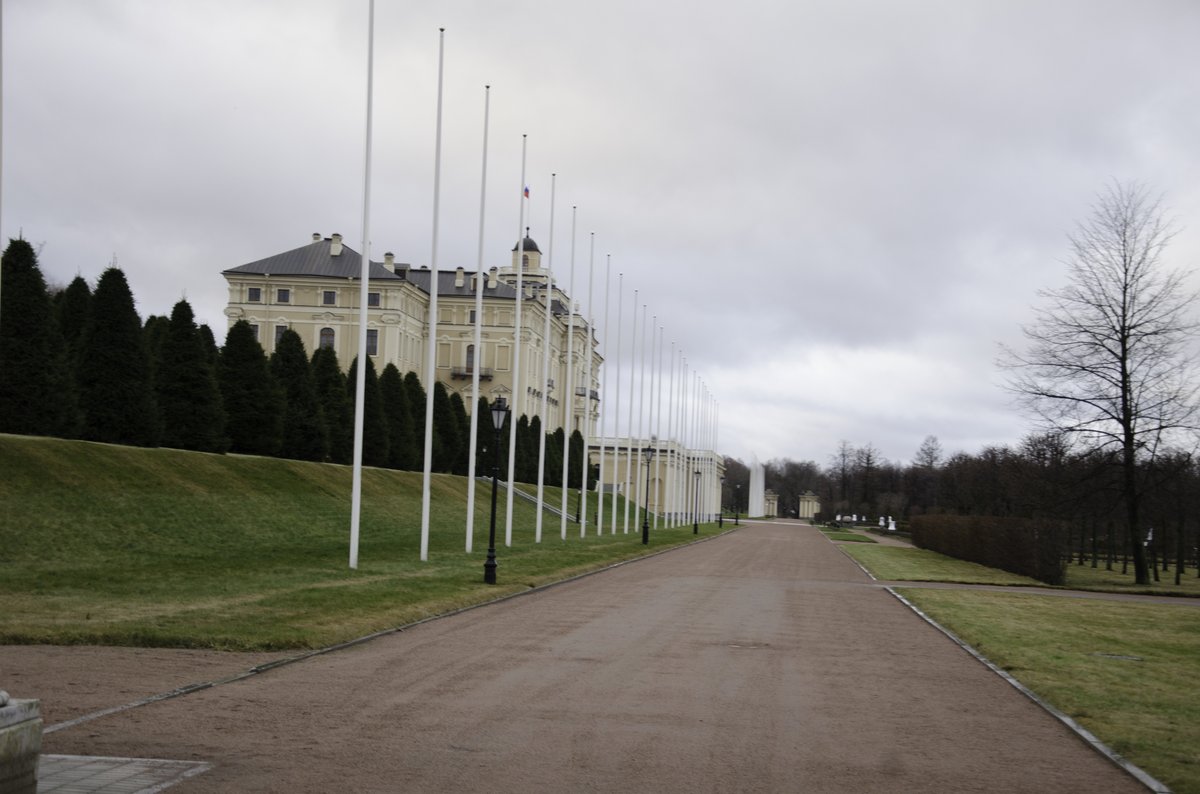
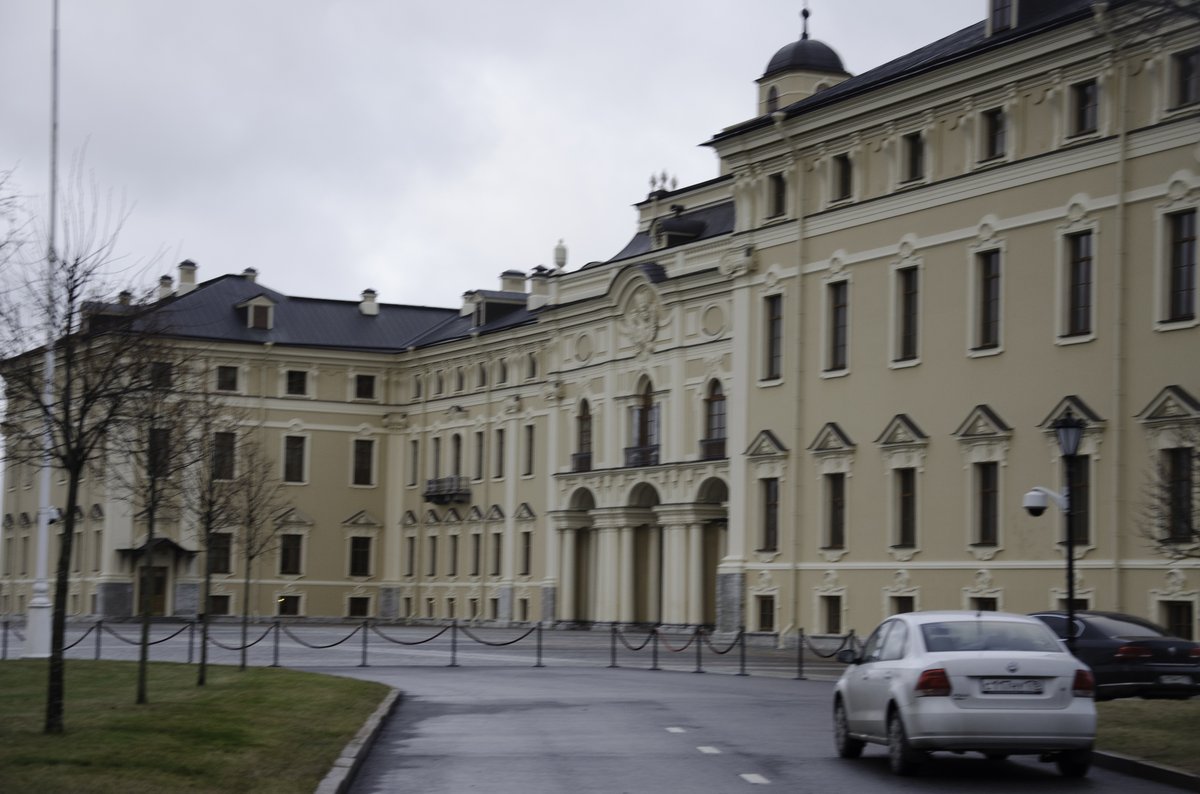
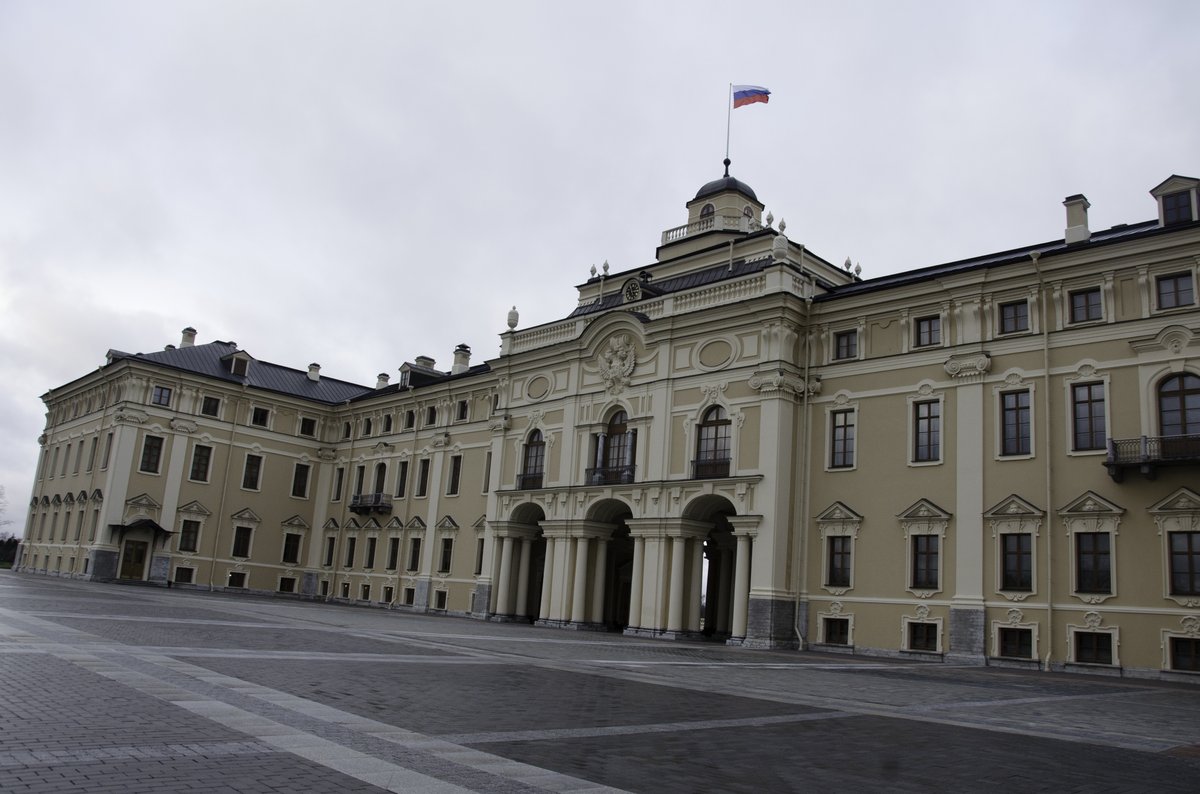
Constantine Palace is a blend of early Russian Baroque and Neoclassical styles, with a symmetrical façade, colonnades, and a golden spire. The palace grounds feature French formal gardens, geometric parterres, cascading fountains, and a canal system designed to evoke Versailles (Archtene).
Interior Highlights
Inside, visitors can explore grand ceremonial halls, intricate staircases, and opulent private chambers with period furnishings. The palace hosts a collection dedicated to musicians Mstislav Rostropovich and Galina Vishnevskaya. Restoration efforts have ensured that both historical authenticity and modern amenities are present, particularly in spaces now used for state functions and exhibitions.
Restoration Efforts
The restoration—completed in 2003—required extensive research to balance historical preservation with the palace’s new diplomatic role. Modern infrastructure, such as security and audiovisual systems, was discreetly integrated into the restored interiors (Geomerid).
Presidential Residence and Congress Center
State Functions
Now the official Saint Petersburg residence of the President of Russia, Constantine Palace is often closed to the public for official events. It serves as a venue for international summits, banquets, and state receptions (Official site).
Modern Facilities and Events
The National Congress Center within the palace complex provides over 40,000 square meters of event space, including a plenary hall for up to 1,000 delegates, multiple conference rooms, and interpretation facilities. It regularly hosts the St. Petersburg International Economic Forum (SPIEF) and other diplomatic gatherings (SPIEF official).
Visiting Information
Hours and Ticketing
- Opening Hours: Generally Tuesday–Sunday, 10:00 AM–6:00 PM. Closed on Mondays and during official events. Always check the official website for the latest schedule.
- Tickets: Prices usually range from 500 to 1500 RUB, with discounts for students, seniors, and groups. Advance online purchase is strongly recommended.
- Identification: Bring a valid passport or ID for security checks.
Guided Tours
- Availability: Tours are required for entry due to security protocols. Offered in Russian and other languages by request.
- Structure: Tours last 1.5–2 hours, covering ceremonial halls, select private spaces, and the palace gardens.
- Booking: Reserve by phone or official tour operators. Walk-in tickets are rare (4traveler.me, uvisitrussia.com).
Accessibility and Security
- Accessibility: Ramps, elevators, and adapted restrooms are available, though some historic areas may have limited access. Contact staff ahead for assistance.
- Security: Screening is mandatory. Large bags, photography in restricted areas, and wandering outside the group are not allowed.
Directions
- By Train: Suburban trains from the Baltic Station to Strelna.
- By Bus/Minibus: From Avtovo metro station (30 minutes in light traffic).
- By Car/Taxi: About 30–40 minutes from central Saint Petersburg. Parking available on-site.
Facilities
- Visitor center, cloakrooms, restrooms, and a gift shop are available. Nearby Strelna offers cafés and restaurants.
Visitor Experience
Photography and Exhibitions
- Photography: Allowed in gardens and designated interiors; prohibited in sensitive or private areas.
- Exhibitions: The palace often hosts art and cultural exhibits featuring works by Russian masters and gifts from dignitaries.
Atmosphere
- The restored interiors combine imperial opulence—marble, gilding, and fine art—with modern state-of-the-art features.
- The gardens and terraces offer beautiful panoramas of the Gulf of Finland and the palace’s symmetrical landscape.
Nearby Attractions
- Peterhof Palace: Renowned for its fountains and gardens, just a short drive away (Peterhof Museum).
- Oranienbaum Palace and Tsarskoye Selo: Both offer complementary imperial experiences.
- Strelna Town: Local shops and cafés provide opportunities to relax before or after your palace tour.
Practical Travel Tips
- Best Seasons: Spring and summer showcase the gardens and fountains at their best.
- Weather: June temperatures range from 13°C to 23°C with frequent rain—bring an umbrella (weather25.com).
- Dress Code: Smart-casual recommended; avoid shorts and sleeveless tops.
Frequently Asked Questions (FAQ)
Can I visit Constantine Palace without a tour?
No, entry is only allowed with a guided tour due to security requirements.
Are tickets available online?
Yes, tickets can be booked online or by phone (4traveler.me).
Is the palace accessible for visitors with disabilities?
Most public areas are accessible, but contact the ticket office in advance for specific needs.
What are the visiting hours?
Generally 10:00–18:00 Tuesday–Sunday, but closures occur for official events. Confirm before your visit.
Are other attractions nearby?
Yes, Peterhof Palace and Strelna town are close by and highly recommended.
Listen to the full story in the app
The whole Constantine Palace,
told well.
Listen to sourced travel stories with local history and practical context — ready offline.
Verified, and shown.
Researched and written by the Audiala editorial team from historical records, architectural archives, and local expertise.
St Petersburg Architecture: Iconic Designs, 2025
Built from cited sources · see the method · How we make our guides →