Plan and listen to Anichkov Palace with Audiala.
Audio guide in your pocket, itinerary in your browser. Built for the way you actually visit.
Introduction
Anichkov Palace, at the crossroads of Nevsky Prospekt and the Fontanka River, stands as a magnificent emblem of Russia’s imperial grandeur and vibrant cultural life. Since its inception in 1741 under Empress Elizabeth Petrovna, the palace has evolved from a Baroque residence into a Neoclassical and Empire-style masterpiece, thanks to architects such as Mikhail Zemtsov, Bartolomeo Rastrelli, Ivan Starov, and Andrei Stackenschneider. Named after the nearby Anichkov Bridge—famous for its equestrian sculptures—the palace has been a focal point of Russian aristocratic, royal, and cultural history for nearly three centuries (Saint Petersburg Encyclopedia; Saint Petersburg.com).
Over the centuries, Anichkov Palace has served as an imperial residence, cultural salon, and, during the Soviet era, the Leningrad Palace of Pioneers—a model for youth education and creativity. Today, as the Saint Petersburg City Palace of Youth Creativity, it welcomes thousands of visitors annually, offering guided tours, exhibitions, and cultural events that celebrate its storied past and architectural beauty (Russia Beyond; Culture.ru; Anichkov Palace Official Site; Visit Petersburg).
This detailed guide provides everything you need to know for planning your visit, including the history, architectural highlights, ticketing, tours, accessibility, and nearby attractions.



Origins and Early Construction (18th Century)
Commissioned in 1741 by Empress Elizabeth Petrovna, Anichkov Palace was initially designed by Mikhail Zemtsov and completed by Bartolomeo Rastrelli, the master architect of the Winter Palace. The "H"-shaped Baroque building featured ornate stucco, grand halls, and a canal connection to the Fontanka River. It was gifted to Count Alexei Razumovsky, exemplifying the tradition of rewarding courtiers with splendid residences (Saint Petersburg Encyclopedia; Saint Petersburg.com).
Imperial Residence and Architectural Transformations (18th–19th Centuries)
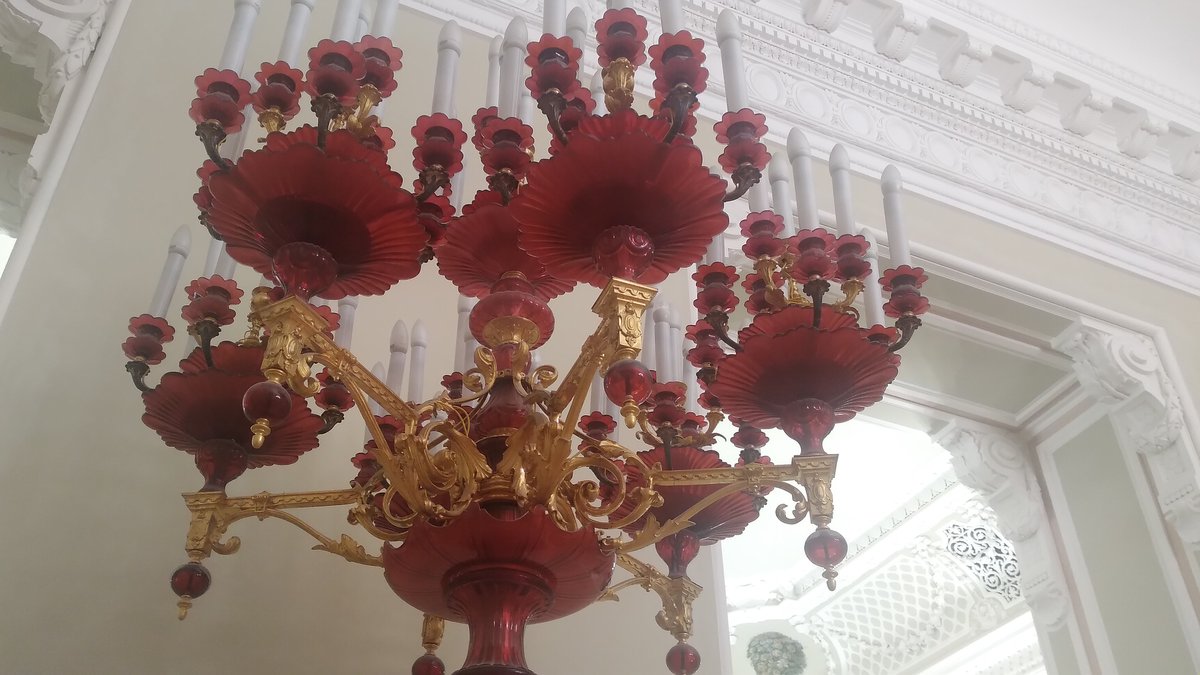
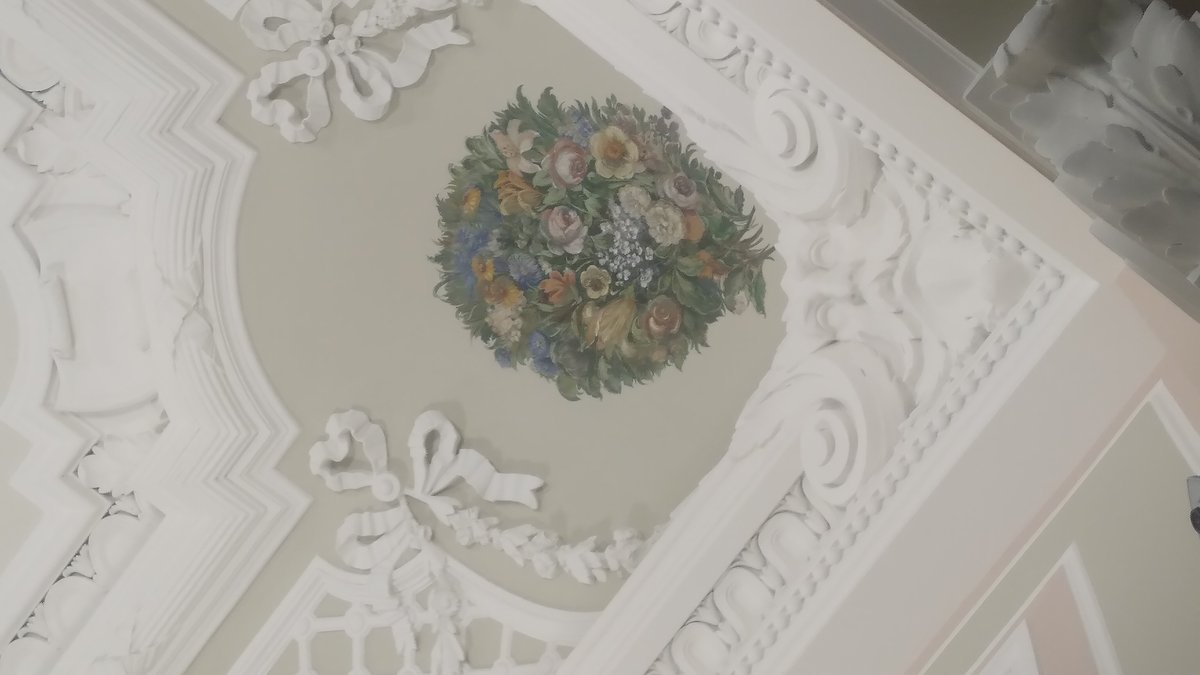
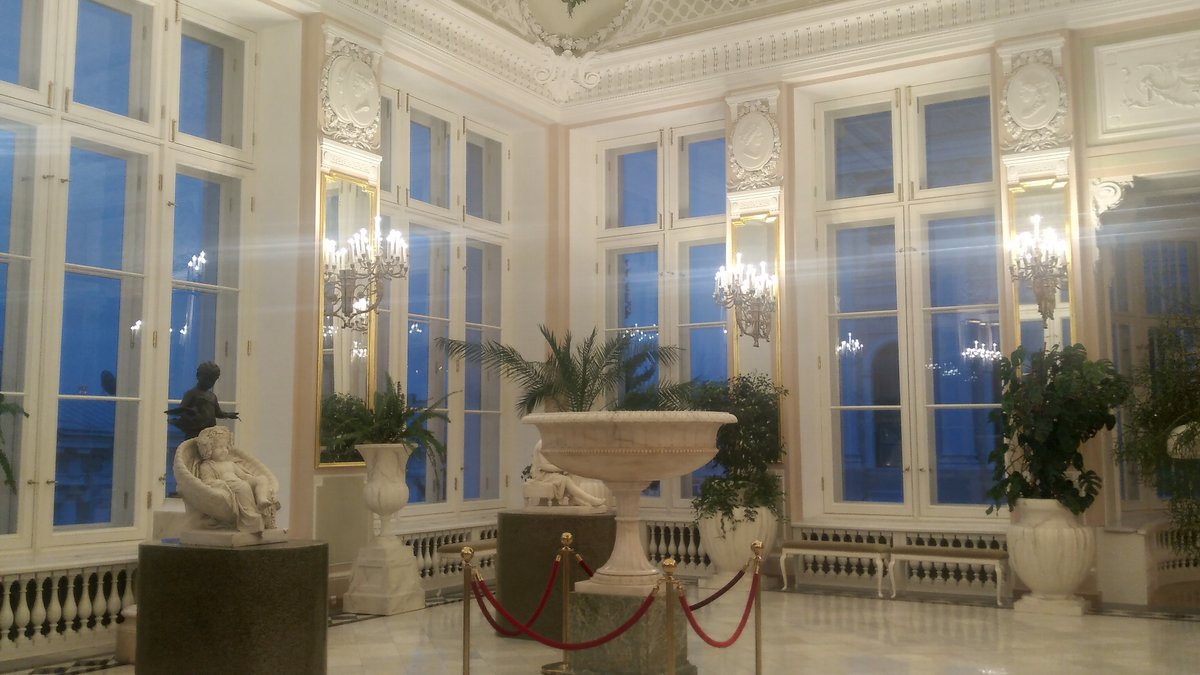
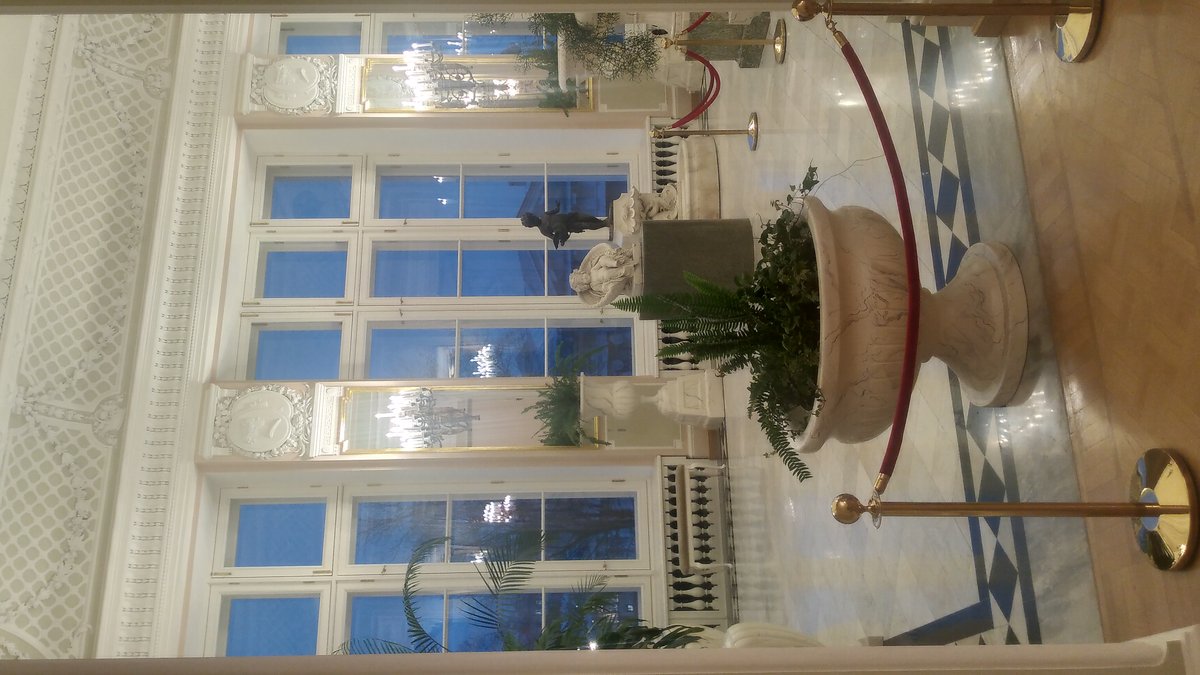
After Razumovsky’s death, the palace reverted to the crown and became a residence for Romanov family members, notably Grand Duke Alexander Nikolaevich (future Alexander II). Architect Ivan Starov led Neoclassical renovations in the 1770s, and later, under Nicholas I, Andrei Stackenschneider introduced Empire-style elements. Interiors were lavishly updated, featuring gilded moldings, parquet floors, and grand staircases (Visit Petersburg; Russia Beyond).
Cultural and Social Role
Beyond its residential use, Anichkov Palace was a center for grand balls, concerts, and literary events. Its gardens, designed in the English landscape tradition, and its music rooms—frequented by Tchaikovsky—made it a hub for the city’s elite and creative minds (Saint Petersburg.com).
Revolution and Soviet Era
Following the 1917 Revolution, Anichkov Palace was nationalized and repurposed as the City Museum before becoming the Leningrad Palace of Pioneers in 1937—a landmark youth center for creativity and education, with much of its imperial interior preserved or restored (Culture.ru). The palace survived the Siege of Leningrad and underwent postwar restoration.
Modern Use
Since the 1990s, Anichkov Palace has balanced its educational mission with its role as a public museum and event venue. Major restorations have preserved its 19th-century interiors and improved visitor facilities, ensuring its status as a vibrant cultural monument (Anichkov Palace Official Site; Visit Petersburg).
Architectural Evolution and Artistic Heritage
Baroque Origins and Neoclassical Transformations
- Original Baroque: Initiated by Zemtsov, completed by Rastrelli (1740s–1750s), with domed wings and elaborate stucco (allrus.me).
- Neoclassical Remodeling: Ivan Starov unified the structure and removed Baroque details. Giacomo Quarenghi, Egor Sokolov, and others contributed auxiliary buildings and interiors (allrus.me).
- Empire Style: Stackenschneider’s 1840s work brought grand staircases, gilded interiors, and a refined façade.
Notable Interiors
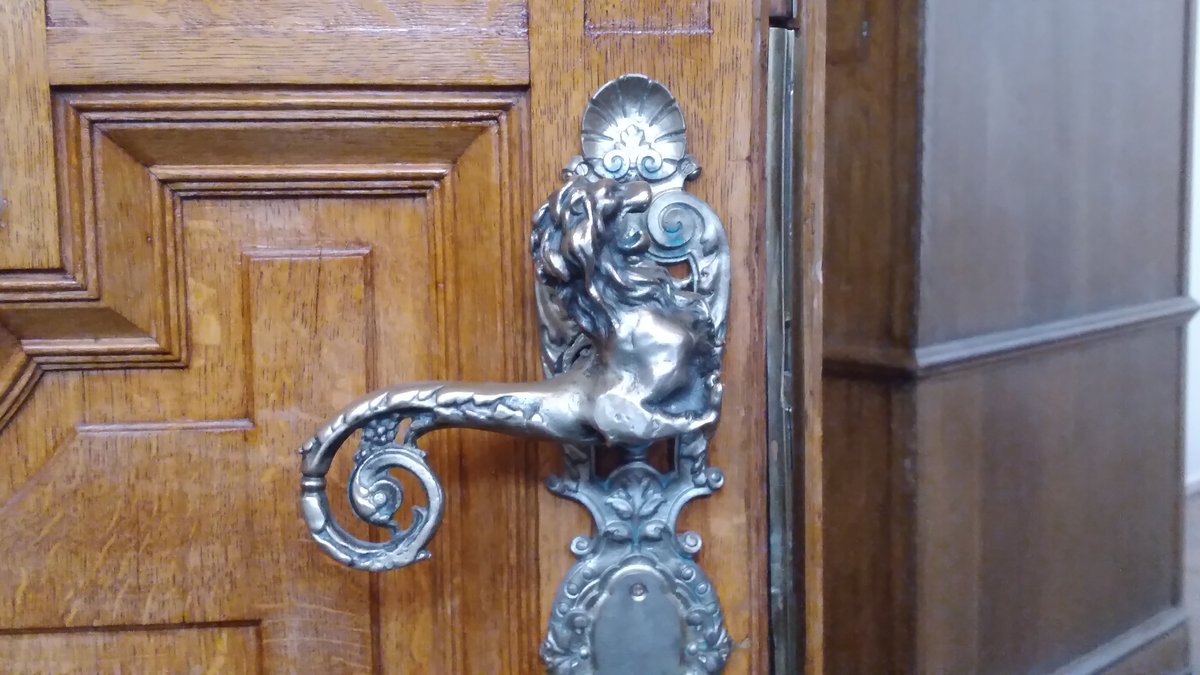
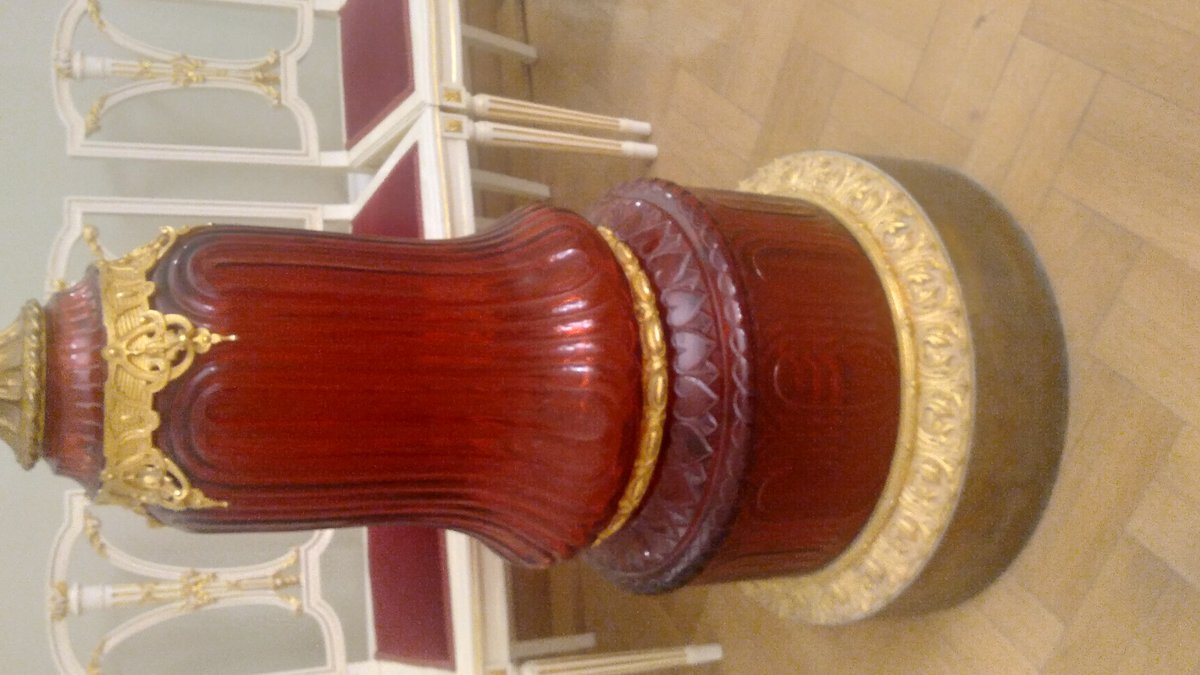
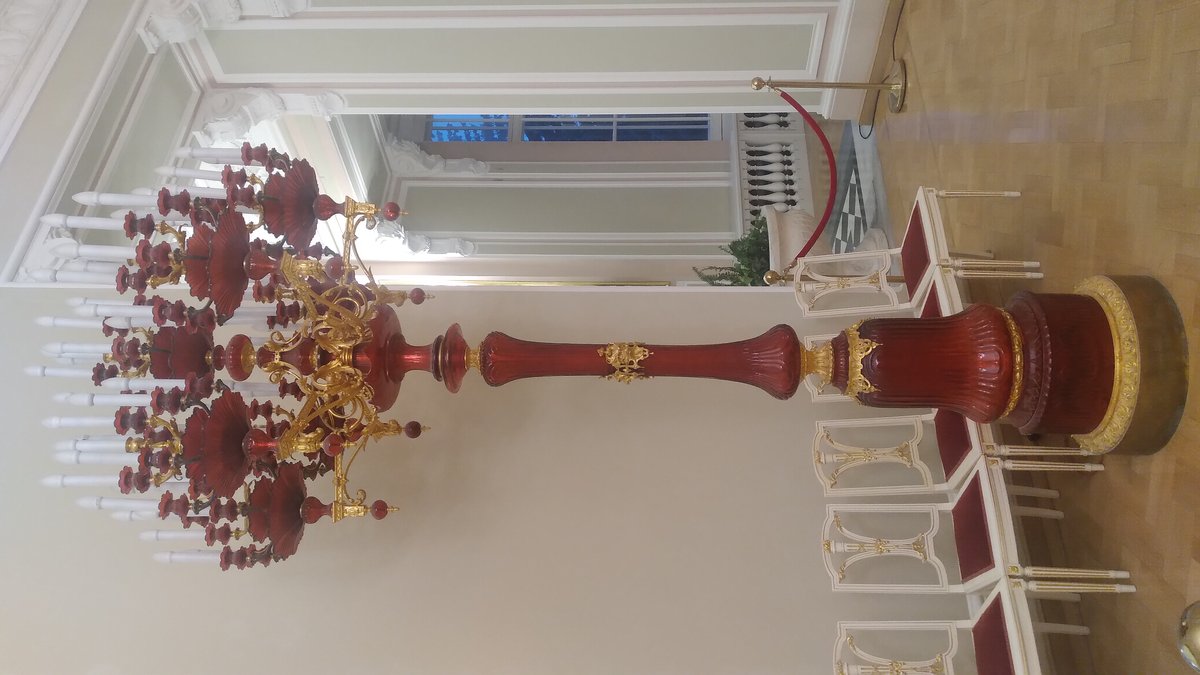
- Library (1869): Renaissance Revival design by Ernest Gibert and Ippolit Monighetti, with oak panels and bronze chandeliers (allrus.me).
- Yellow Drawing Room and Emperor Alexander III’s Study: Preserved 19th-century décor (st-petersburg-essentialguide.com).
- Palekh Murals: 1930s Soviet-era murals inspired by Russian fairy tales (allrus.me).
Gardens and Grounds
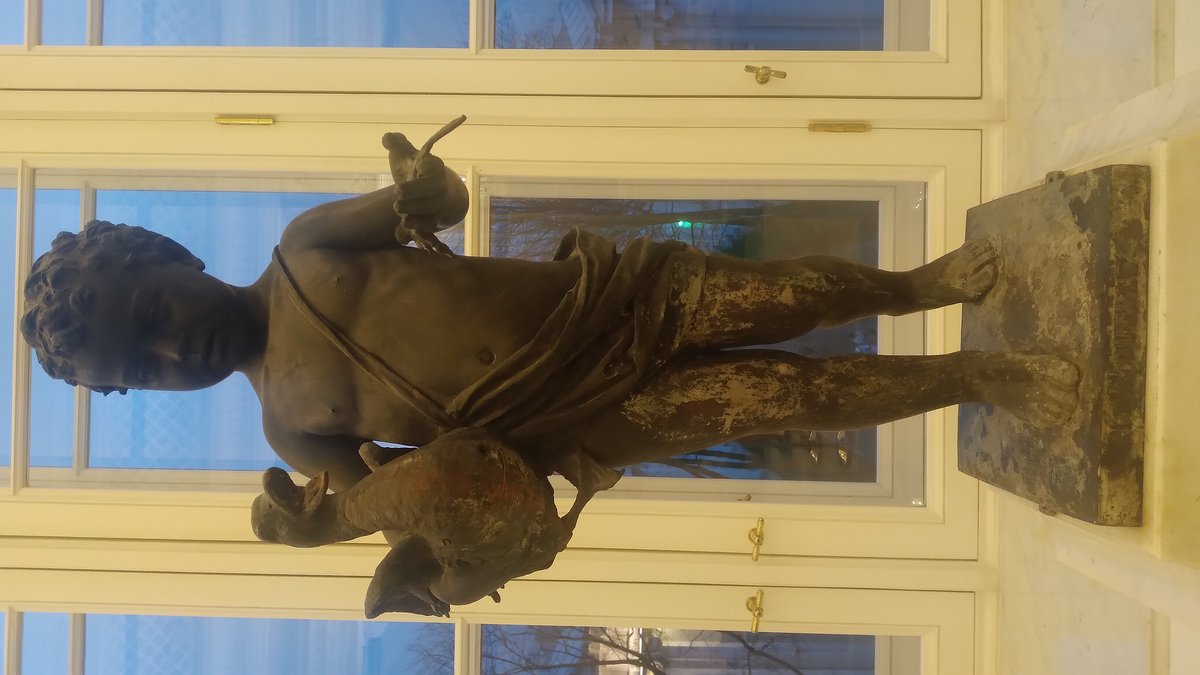
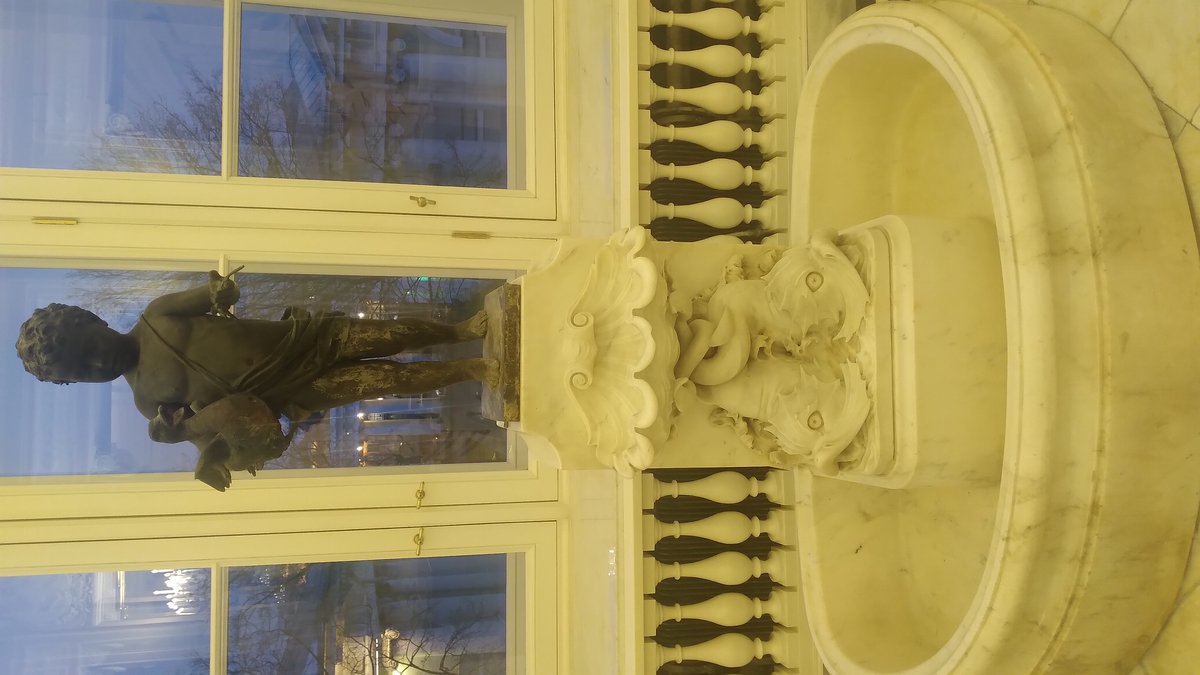
The original English garden, designed by Ludwig Taper, featured pavilions, fountains, and later, Starov’s landscape enhancements. Classical sculptures and vases line the grounds, and the adjacent Anichkov Bridge with its "Horse Tamers" sculptures remains a defining feature (st-petersburg-essentialguide.com).
Social and Cultural Significance
Imperial and Literary Legacy
Anichkov Palace hosted royal families, diplomatic receptions, and artistic gatherings. Its history intertwines with figures like Alexander II, Maria Alexandrovna, and Tchaikovsky, and it appears in works by Dostoevsky and Pushkin (Russia Beyond; Audiala).
Soviet and Contemporary Role
As the Palace of Pioneers and now the Palace of Youth Creativity, Anichkov Palace has democratized access to culture and education, serving over 10,000 children annually with diverse programs and excursions (Petersburg24).
Visiting Hours and Ticket Information
- Hours: Tuesday–Sunday, 10:00 AM–6:00 PM (last admission 5:00 PM). Closed Mondays and public holidays. Always confirm on the official site.
- Tickets: 300–600 RUB for adults; discounts for students, seniors, and children. Family and group packages available. Purchase online or at the ticket office.
- Guided Tours: Offered in Russian, English, and other languages; 60–90 minutes. Special thematic tours available seasonally.
Tours, Events, and Amenities
- Tours: Advance booking recommended during peak season. Tours cover ceremonial halls, imperial apartments, and gardens.
- Events: Concerts, art exhibitions, and seasonal festivals are regularly held.
- Amenities: Café, gift shop, cloakrooms, restrooms, and free Wi-Fi in public areas.
Accessibility
- Wheelchair Access: Main entrance and exhibition areas accessible. Ramps and elevators provided; staff assistance available by request.
- Facilities: Information desks offer brochures in multiple languages.
Nearby Attractions and Travel Tips
- Landmarks: Anichkov Bridge, Kazan Cathedral, Russian Museum, Alexandrinsky Theater, and the Imperial Public Library are within walking distance.
- Transport: Metro (Nevsky Prospekt, Mayakovskaya), trams, buses, and taxis all serve the area. Public transit recommended due to limited parking.
- Best Time to Visit: The White Nights season (late May–early July) offers extended daylight and city-wide events.
Frequently Asked Questions (FAQ)
Q: What are the visiting hours?
A: Tuesday–Sunday, 10:00 AM–6:00 PM. Closed Mondays.
Q: What is the ticket price?
A: 300–600 RUB for adults; discounted rates for eligible visitors.
Q: Are guided tours available?
A: Yes, in multiple languages. Book in advance for preferred times/languages.
Q: Is the palace accessible for wheelchair users?
A: Yes, with ramps, elevators, and staff assistance where needed.
Q: What are nearby attractions?
A: Anichkov Bridge, Kazan Cathedral, Russian Museum, and more.
Q: Can I take photos inside?
A: Photography is usually permitted, but flash may be restricted in certain rooms.
Listen to the full story in the app
The whole Anichkov Palace,
told well.
Listen to sourced travel stories with local history and practical context — ready offline.
Verified, and shown.
Researched and written by the Audiala editorial team from historical records, architectural archives, and local expertise.
Built from cited sources · see the method · How we make our guides →