Introduction
At 1:30 a.m., the Neva bridges lift like stage curtains while the sky stays pale enough to read by, and that is your first clue that Saint Petersburg, Russia plays by different rules. You hear gulls and tram brakes in the same breath, and the air smells of river water, diesel, and fresh pastry from all-night bakeries. Imperial facades promise ceremony; the courtyards behind them hide punk clubs, tiny galleries, and kitchens still serving solyanka at midnight.
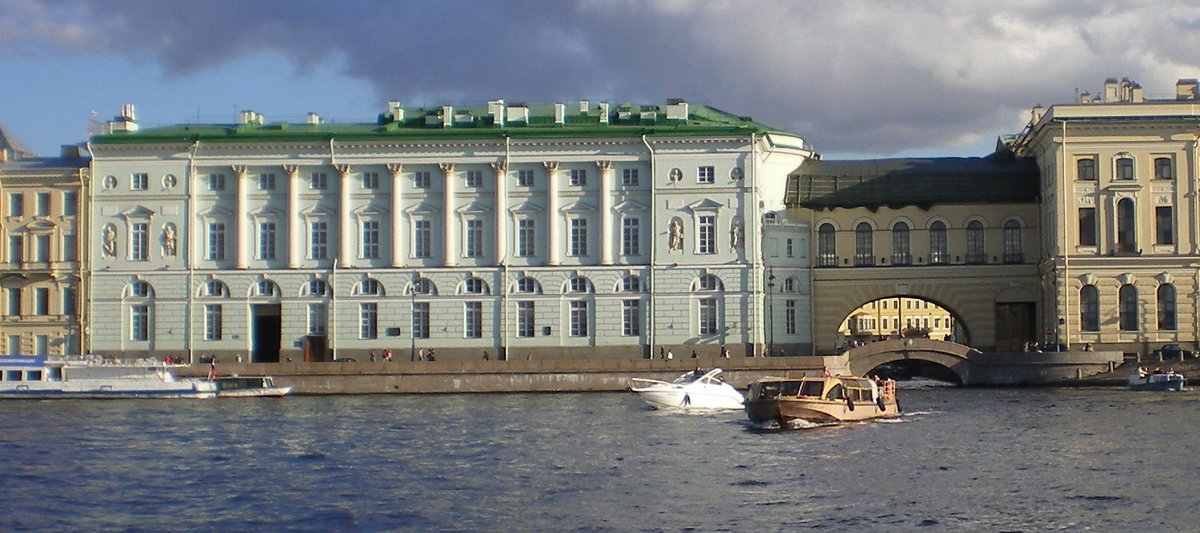
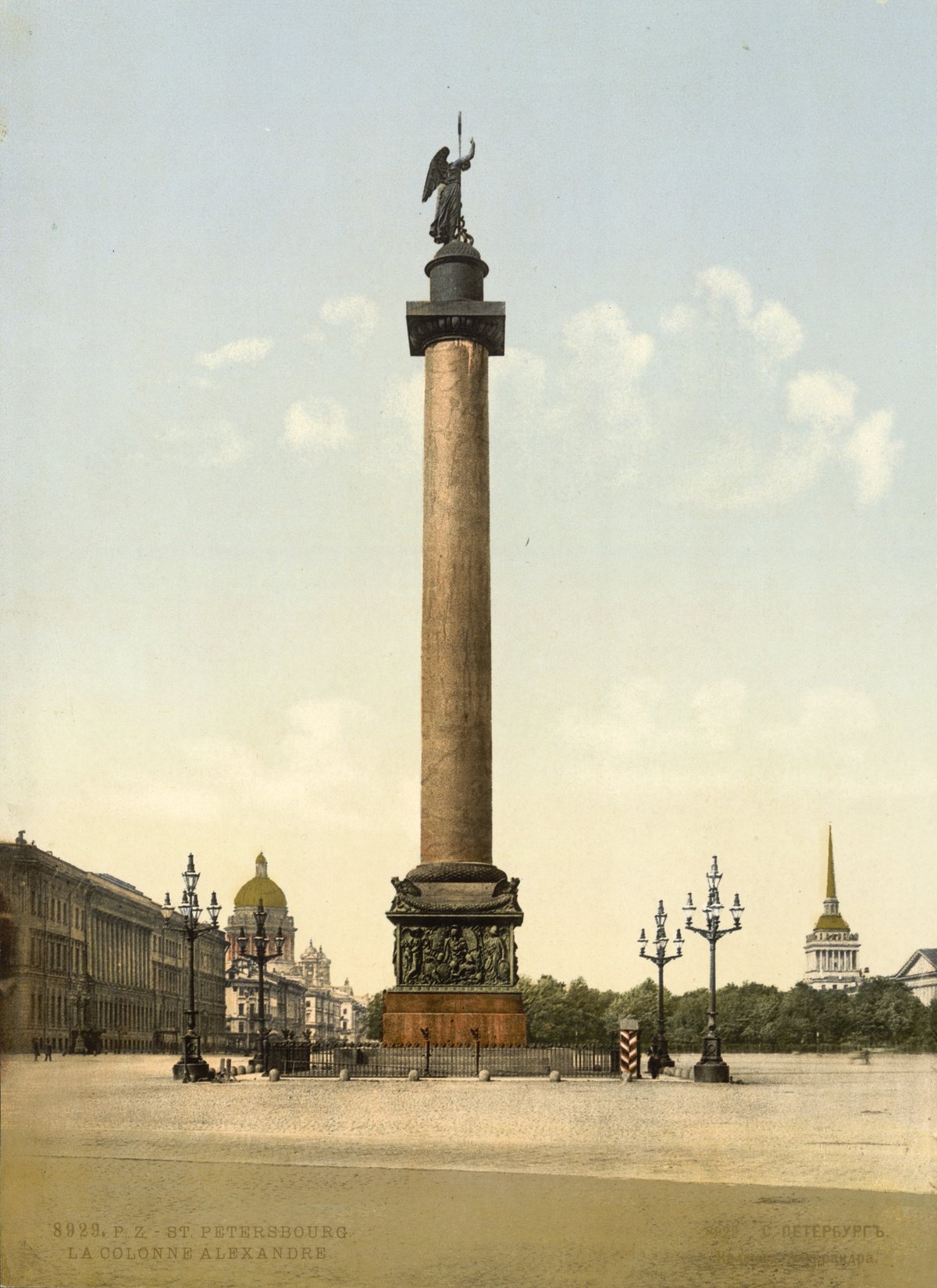
This city rewards people who look twice. The Hermitage holds more than 3 million objects across multiple buildings, yet one of the most revealing views is free: standing in Palace Square at dusk as the Winter Palace turns honey-gold and street musicians tune up under the arch of the General Staff Building. Climb the 562 steps to St. Isaac’s colonnade and the map snaps into focus: islands, canals, and long embankments stitched into a single theatrical horizon.
Culture here is not background decoration, it is daily infrastructure. Locals in office clothes still queue for ballet at the Mariinsky, then argue over late dinner on Rubinshteyna Street; students cross Vasilyevsky Island with sketch tubes under their arms; jazz spills from basement clubs near Shpalernaya. The city’s elegance sits beside hard memory, especially in museums and family stories of the 872-day Siege of Leningrad, and that tension gives Petersburg its emotional voltage.
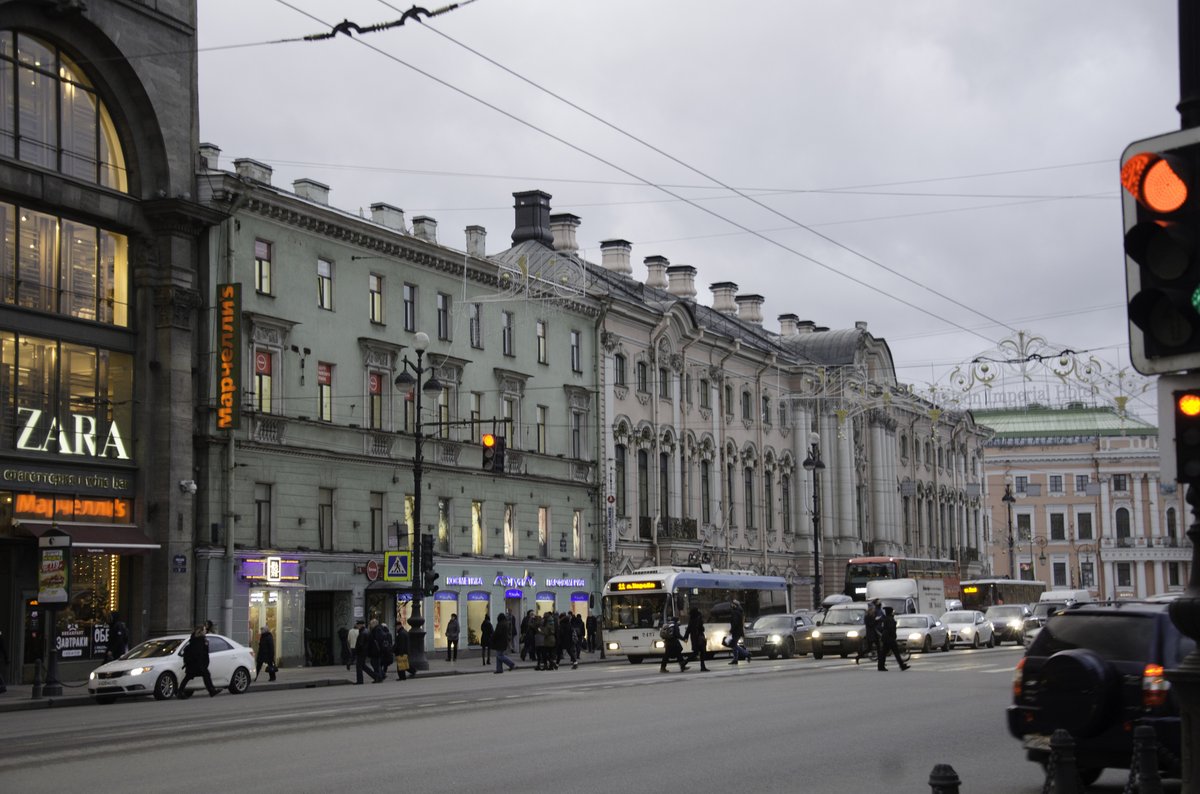
Come for palaces if you want, but stay for the texture: business lunches in no-frills stolovaya canteens, Georgian khinkali houses full on weeknights, and those narrow archways leading into quiet wells of light and laundry lines. Saint Petersburg changes your understanding of Russia because it is both imperial and improvisational, formal on the surface and startlingly intimate once you step off Nevsky Prospect.
Places to Visit
The Most Interesting Places in Saint Petersburg
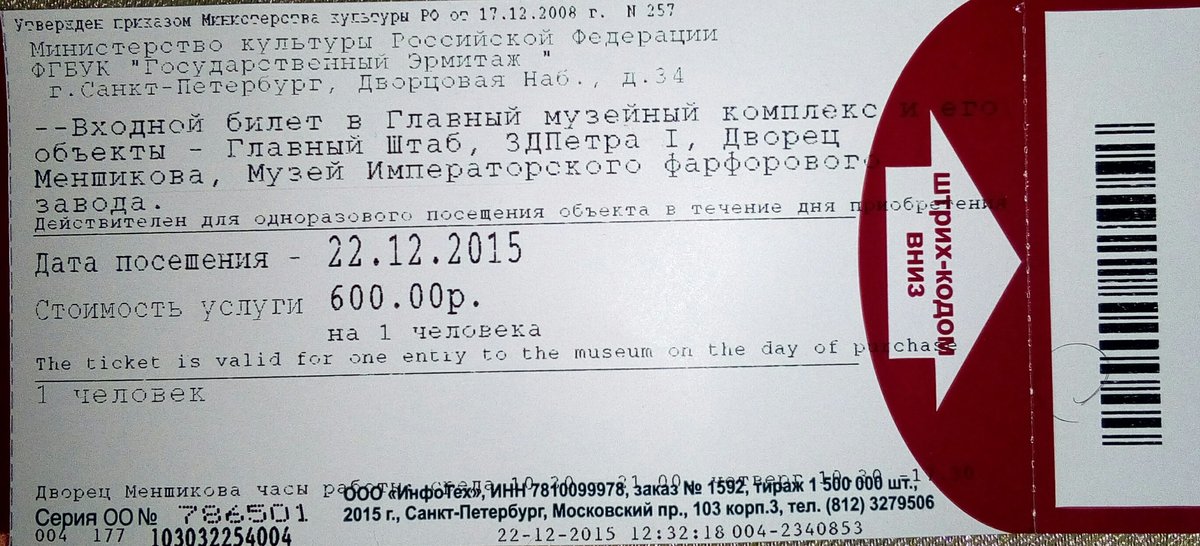
Hermitage Museum
Nestled in the heart of Saint Petersburg, the Hermitage Museum stands as a monumental testament to art, culture, and history, drawing millions of visitors…
Palace Square
М. В. Захарову, situated in the heart of Saint Petersburg, Russia, is a district rich in historical and architectural significance.
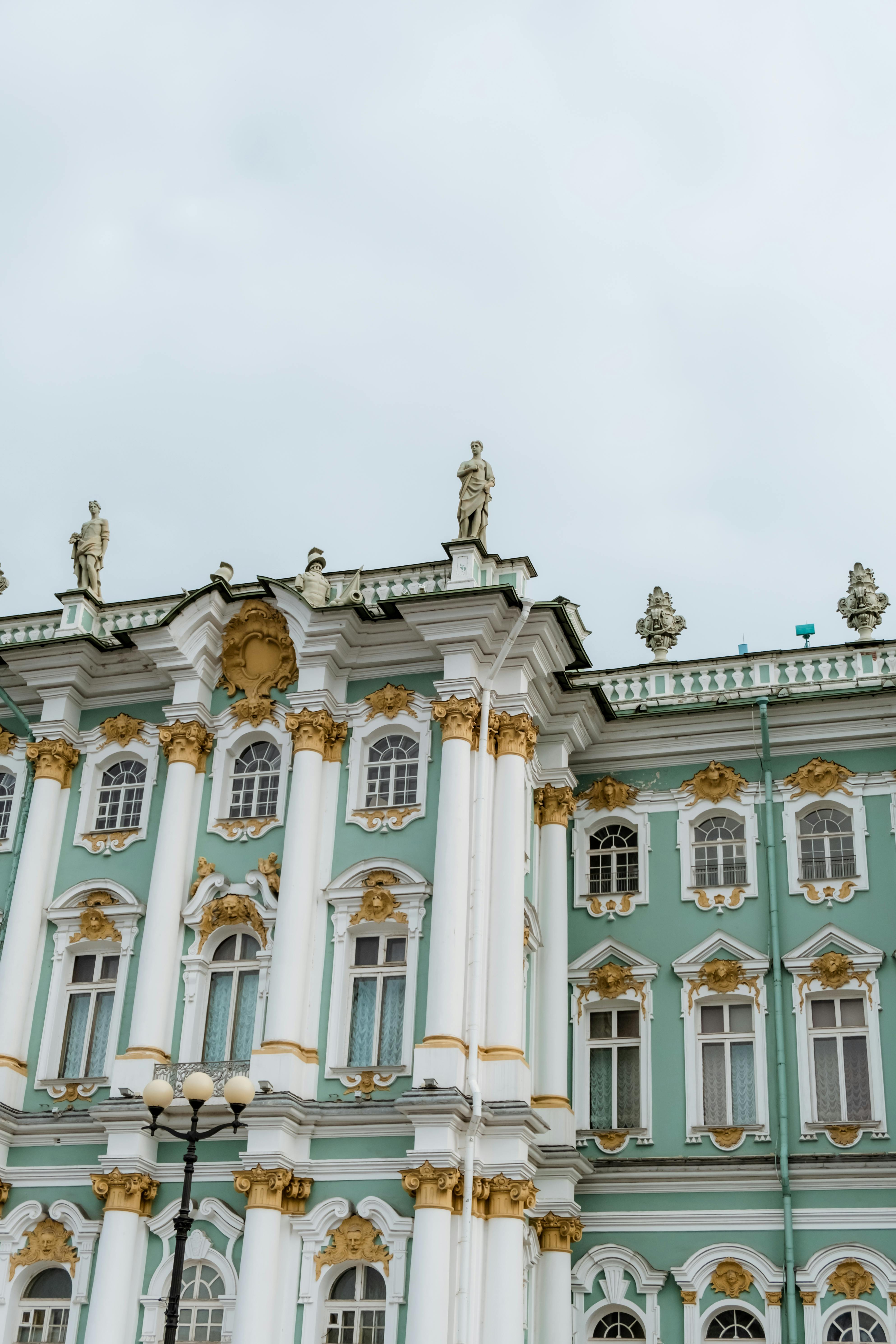
Winter Palace
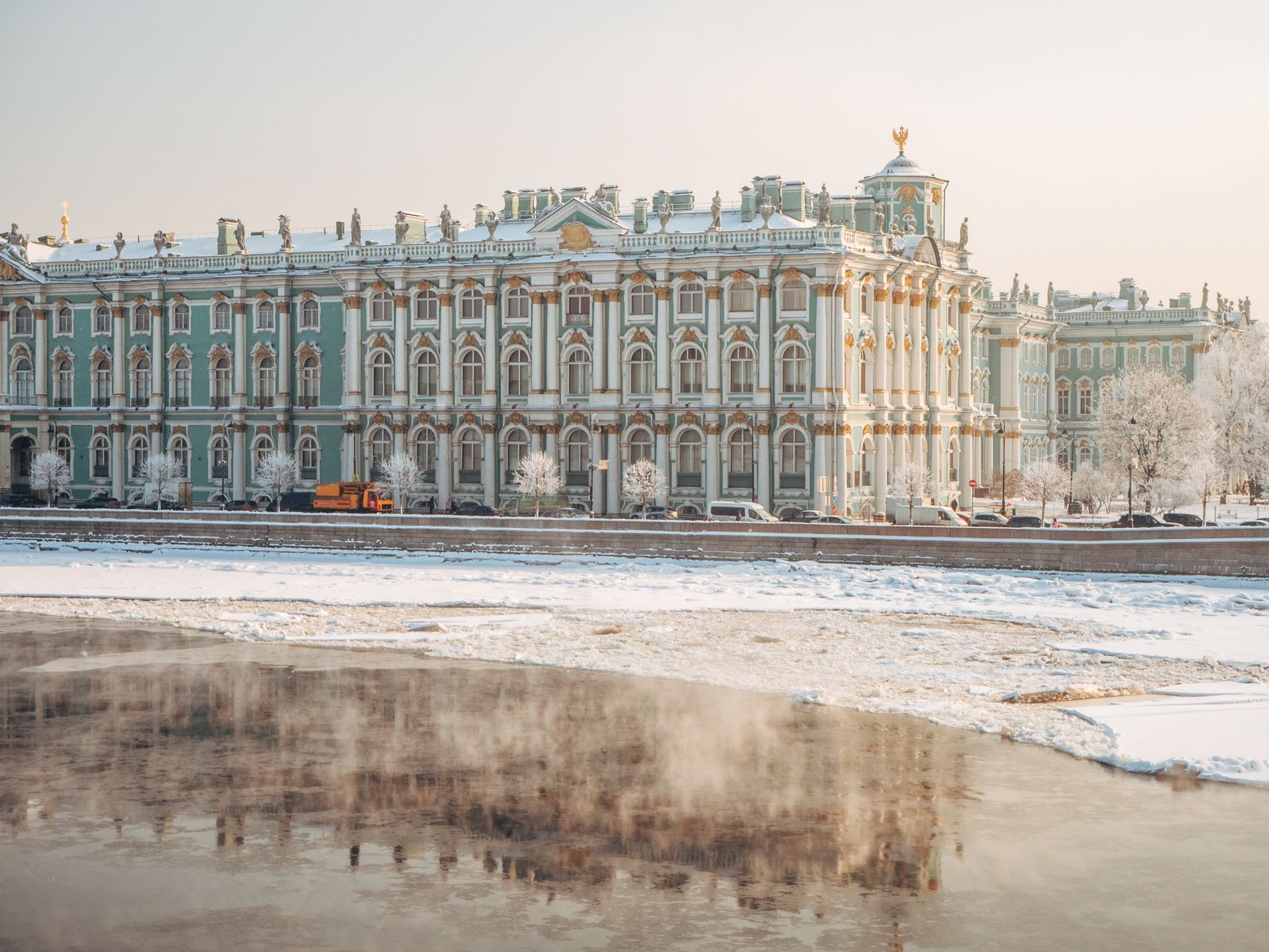
The Winter Palace's iconic turquoise color only dates to 1947 — it's been yellow, red, and white. Now home to 3 million artworks inside the Hermitage.
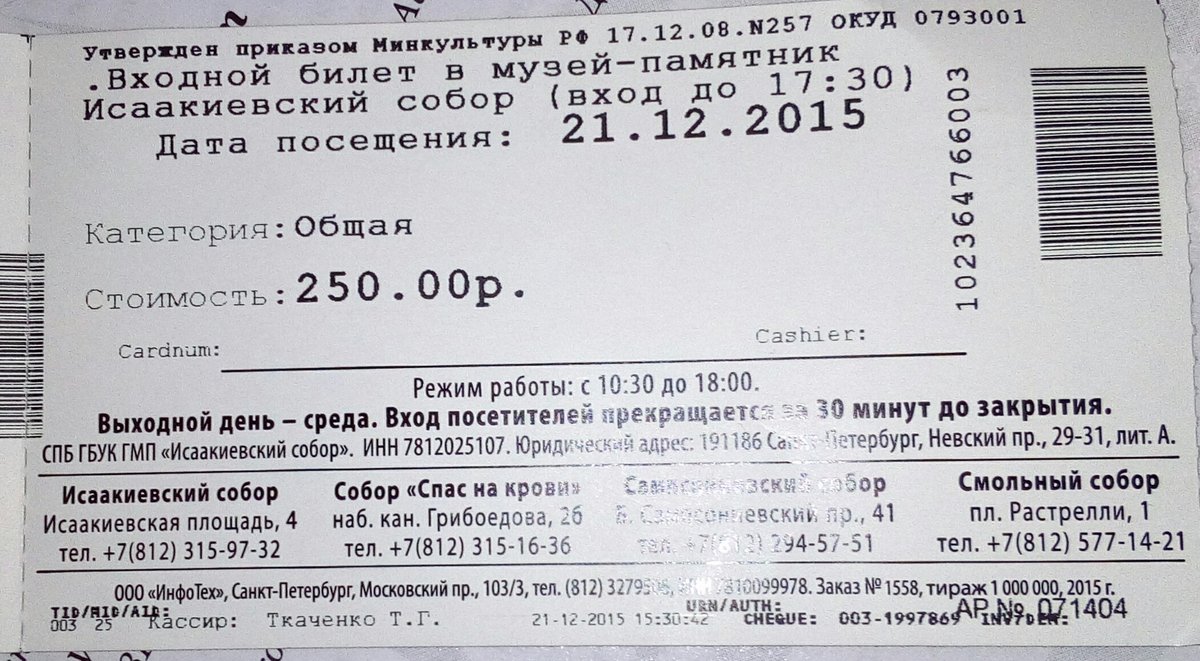
Saint Isaac'S Cathedral
Nestled in the heart of Saint Petersburg, Russia, St.
Peter and Paul Fortress
The Peter and Paul Fortress, known in Russian as Петропавловская крепость, is an emblematic landmark in Saint Petersburg, Russia, embodying the city's rich…
Kazan Cathedral
A cathedral built to echo St. Peter's became Saint Petersburg's war memorial, city church, and one of Nevsky Prospekt's few places of real hush still today.
Church of the Savior on Blood
The Church of the Savior on Spilled Blood, also known as the Church of the Resurrection of Jesus Christ, stands as one of Saint Petersburg's most remarkable…
Aurora
A warship turned revolution icon still floats on the Neva, where Tsushima, the Siege of Leningrad, and Petersburg memory meet on one steel hull today.
Rumyantsev Museum
Nestled prominently near the Moscow Kremlin, the Rumyantsev Museum, housed in the illustrious Pashkov House, stands as a monumental emblem of Russia’s…
Bronze Horseman
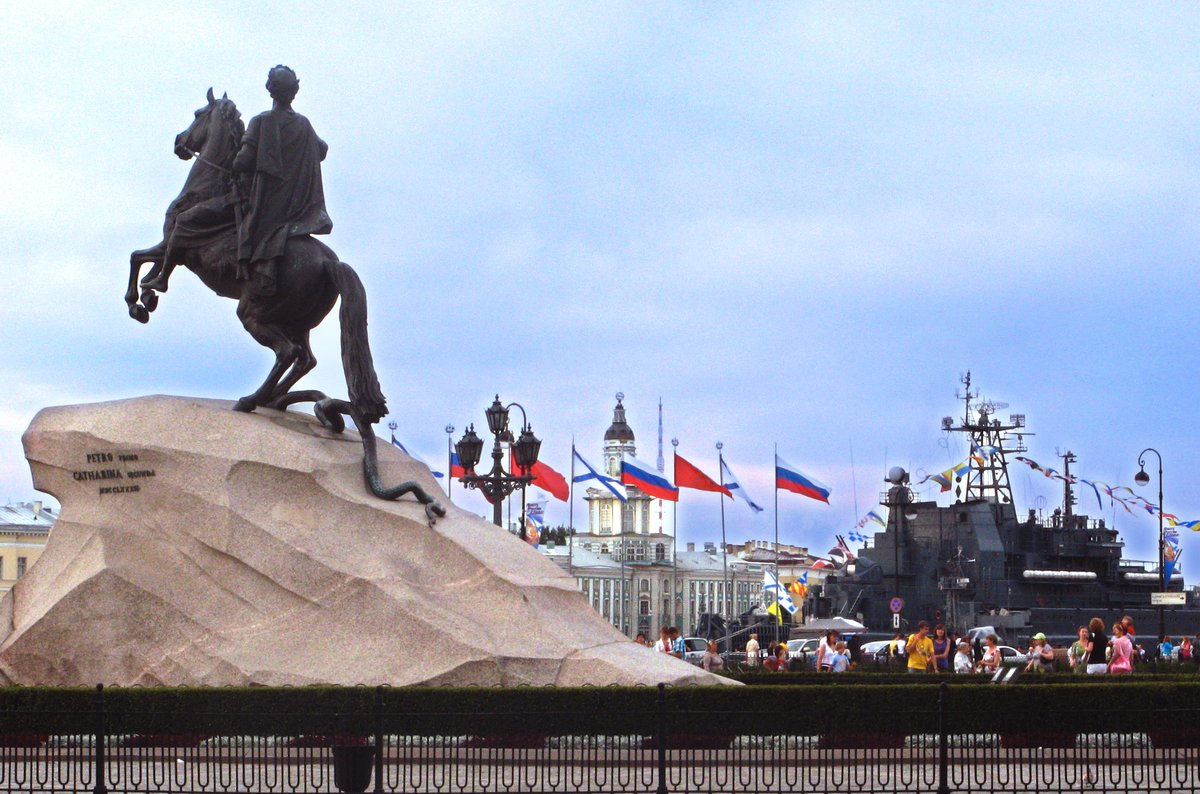
The Peter the Great Statue, also known as the Bronze Horseman, is an iconic monument located in Senate Square, Saint Petersburg, Russia.
Catherine Palace
Situated in the picturesque town of Pushkin, just 25–30 kilometers south of Saint Petersburg, the Catherine Palace stands as an enduring emblem of Russian…
Anichkov Bridge
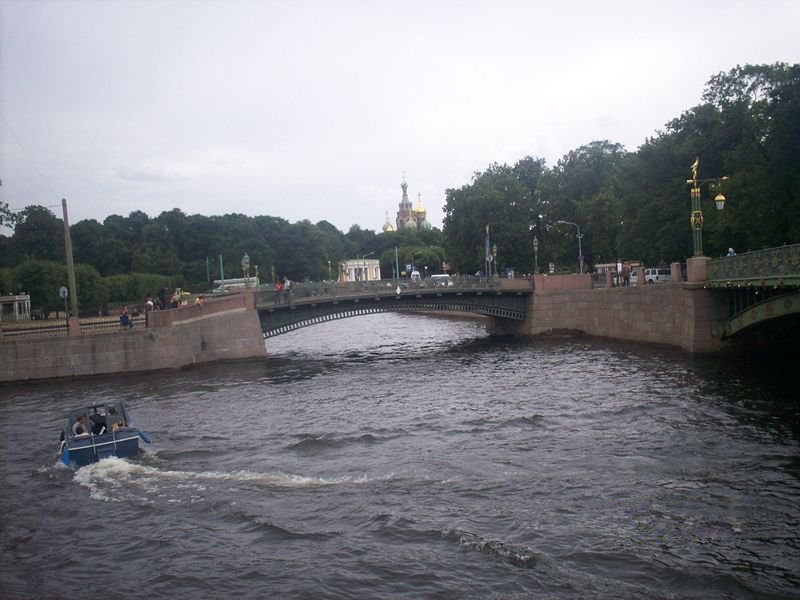
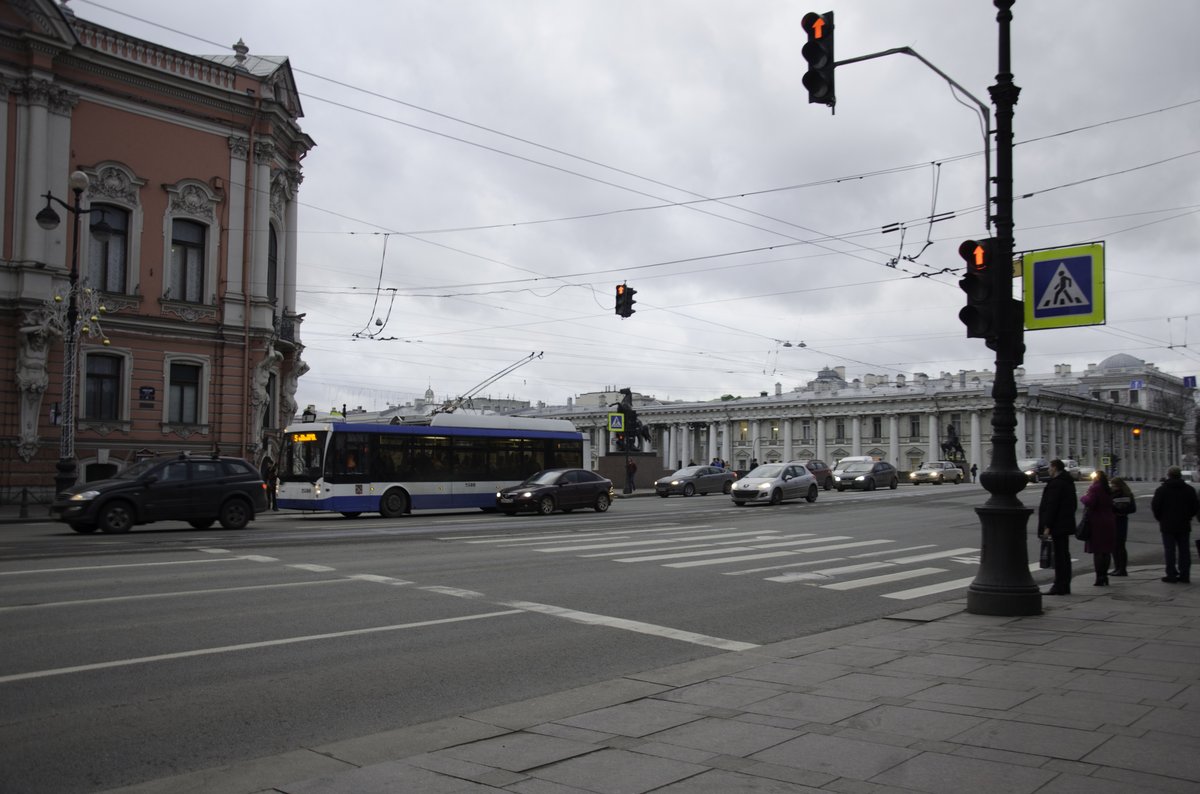
The Anichkov Bridge stands as one of Saint Petersburg's most iconic and historically significant structures.
What Makes This City Special
Imperial Art, Human Scale
The Hermitage can feel like a city inside a palace, but the surprise is how intimate Saint Petersburg gets once you step into smaller rooms: Akhmatova’s apartment, Fabergé’s jewel-like salons, a side wing of Russian modernism with almost no crowds. You move from empire to private memory in a single afternoon.
Architecture as Biography
This city reads like a political diary in stone: baroque flourishes at Smolny, strict classicism on the Strelka, Art Nouveau on Nevsky, and fortress walls that were built for war but used as prisons. Even the skyline carries data, from St. Isaac’s gold dome to the 122.5-meter Peter and Paul spire.
White Nights and Bridge Rituals
From late May to mid-July, darkness barely arrives, and the city slips into a second life after midnight. Between roughly 01:00 and 05:00, Neva bridges rise for ship traffic, and embankments turn into open-air theaters of light, wind, and brass bands.
Water, Islands, and Breathing Room
Saint Petersburg is not just façades; it is a system of islands, canals, and long river horizons where the air smells faintly metallic off the Neva. New Holland, Yelagin Island, and the Peter and Paul beach give you local summer life within minutes of grand museums.
Historical Timeline
A City Built on Water, Power, and Memory
From Neva marshland to imperial capital, siege city, and post-Soviet reinvention
Life in the Neva Marshes
Long before domes and granite embankments, Finno-Ugric communities lived among reeds, bogs, and low islands in the Neva delta. Fishing grounds, fur traffic, and river crossings made this wet frontier strategically valuable centuries before any formal city appeared.
Alexander Nevsky Stops Sweden
At the Battle of the Neva, Prince Alexander of Novgorod defeated a Swedish force near the river junction that would later anchor Saint Petersburg. The victory secured a vulnerable corridor between inland Rus' lands and the Baltic world, and gave Alexander the name 'Nevsky.'
Stolbovo Seals Baltic Exile
The Treaty of Stolbovo handed Ingria, including the Neva delta, to Sweden and cut Russia off from the Baltic Sea. For nearly a century, Moscow ruled inland while this river mouth remained under Swedish control, a strategic wound Peter I would later reopen by force.
Fortress Born on Hare Island
On May 27 (New Style), Peter I ordered the Peter and Paul Fortress laid out on Zayachy Island, effectively founding Saint Petersburg during the Great Northern War. Soldiers and laborers drove piles into waterlogged ground while Swedish guns were still within reach of the delta.
Peter the Great's Gamble
Peter I tied his political future to a city many called unbuildable: cold, flood-prone, and far from old Muscovite power. He forced resources, talent, and manpower into the site, turning a military bridgehead into the stage for Russia's western-facing identity.
Capital Moves to the Neva
The imperial court and central institutions shifted from Moscow to Saint Petersburg, making the new city Russia's political heart. Diplomats, nobles, and clerks followed; the marshland experiment became an operating capital with global ambitions.
Academy of Sciences Opens
Peter founded the Russian Academy of Sciences in Saint Petersburg, anchoring the city as an intellectual project as much as a military one. Laboratories, observatories, and learned societies gave the imperial capital a reputation for Enlightenment-era research.
Winter Palace Rewrites Skyline
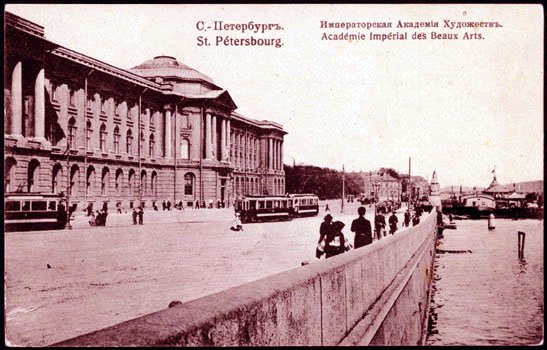
Construction began on Rastrelli's vast Winter Palace, later counted at 1,057 rooms and nearly 2,000 windows. Its green-and-white Baroque mass turned Palace Embankment into a ceremonial imperial facade and set the visual grammar of the Romanov capital.
Catherine Builds an Art Empire
Catherine II launched the Hermitage collection with a purchase of 225 paintings, then expanded it into one of Europe's great art holdings. In Saint Petersburg, collecting became statecraft: canvases, sculptures, and antiquities were used to signal Russia's cultural parity with the West.
Bronze Horseman Faces the Storm
Falconet's equestrian monument to Peter I was unveiled on Senate Square atop the 1,500-ton Thunder Stone. The statue's forward surge became the city's signature image: ambition frozen in bronze, staring into floodlight, wind, and political upheaval.
St. Isaac's Long Build Begins
Work started on St. Isaac's Cathedral, a project that would run until 1858 and consume enormous imperial resources. Its dome, gilded with roughly 100 kilograms of gold, eventually fixed a new vertical marker over the flat river city.
The Flood That Terrified Empire
A catastrophic surge pushed Neva waters to about 421 cm above normal, killing hundreds and smashing thousands of homes. The disaster exposed the city's fundamental contradiction: a triumph of design built on a floodplain that never stopped pushing back.
Decembrists Freeze on Senate Square
Liberal officers and noble conspirators refused allegiance to Nicholas I and gathered troops in winter cold, demanding constitutional change. Cannon fire broke the revolt within hours, but the failed uprising left a permanent moral scar in Petersburg political memory.
Pushkin's Last Petersburg Winter
Alexander Pushkin died after a duel at the Black River, and crowds flooded to his Moika apartment in mourning. His Petersburg poems had already taught readers to hear the city as both glittering and haunted; after his death, the streets felt newly literary and newly tragic.
Serf Emancipation Signed at Palace
Alexander II's emancipation reform, affecting roughly 23 million serfs, was signed in the imperial capital. The decree did not solve rural inequality, but it reshaped labor flows and accelerated the urban-industrial growth that changed Saint Petersburg's social map.
Tchaikovsky Learns a New Russia
Pyotr Tchaikovsky entered the new Saint Petersburg Conservatory, where formal training met a rapidly modernizing city. Conservatory halls, opera pits, and salon culture gave him the technical and emotional vocabulary that later traveled worldwide in ballet and symphonic form.
A Tsar Dies by Canal
Alexander II was mortally wounded by bombers from Narodnaya Volya along the Catherine (Griboedov) Canal. His assassination ended a reformist reign and hardened imperial politics, while the bloodstained site became one of the city's most charged addresses.
Spilled Blood Church Rises
Construction began on the Church of the Savior on Spilled Blood exactly where Alexander II was attacked. Its Russian Revival silhouette and vast mosaic interior (about 7,000 square meters) looked deliberately backward, a political argument in brick, enamel, and stone.
Bloody Sunday Shatters the Throne
Workers marched toward the Winter Palace with petitions and icons; troops opened fire, killing at least dozens and likely far more. The snow, gunshots, and panic on Nevsky-side streets detonated trust in the monarchy and ignited the Revolution of 1905.
Petersburg Becomes Petrograd
With World War I underway, authorities replaced the German-sounding 'Petersburg' with the Slavic 'Petrograd.' The rename sounded symbolic, but it marked a deeper shift: the imperial capital entering total-war politics, shortages, and rising anger.
Two Revolutions, One Collapsing World
Bread lines and mutiny toppled the Romanovs in February, then Bolshevik forces seized key sites in October after the cruiser Aurora's signal shot. In less than a year, Petrograd went from imperial court city to revolutionary command center.
Leningrad: A New Soviet Name
After Lenin's death, Petrograd was renamed Leningrad, folding the city's identity into Soviet political mythology. The new name framed it as both revolutionary cradle and sacrificial city, a narrative that would intensify in wartime.
The 872-Day Siege Begins
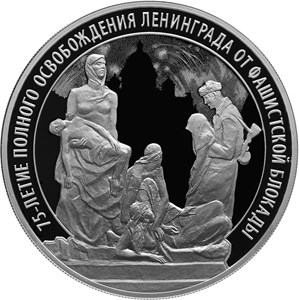
German and Finnish forces sealed Leningrad on September 8, trapping about 2.5 million civilians. Winter rations fell to 125 grams of bread for many residents, and starvation, cold, and shelling turned apartment blocks into endurance lines.
Shostakovich Sounds Defiance
On August 9, a depleted orchestra performed Shostakovich's Seventh Symphony inside besieged Leningrad, amplified toward enemy lines. The composer, formed by this city, gave it a score that sounded like hunger, artillery, and refusal in a single arc.
Blockade Broken, City Survives
Soviet offensives fully lifted the siege in January after 872 days. Civilian deaths are estimated roughly between 800,000 and 1.5 million, making Leningrad one of history's deadliest urban sieges and the core of the city's moral identity.
Metro Palaces Open Underground
Leningrad's first metro line opened with stations carved deep into unstable, waterlogged ground, often around 80 meters below street level. Marble halls, chandeliers, and long escalators turned daily transit into a controlled Soviet spectacle of resilience and engineering.
Saint Petersburg Returns by Vote
In a June referendum, about 54% voted to restore the name Saint Petersburg, and the change became official in September. The rename was not cosmetic: it signaled a city choosing layered memory over a single Soviet label.
Three Hundred Years, Restored Facades
The tricentennial triggered major restoration of palaces, embankments, and ceremonial spaces after rough post-Soviet decades. New funding polished the historic core and reintroduced Saint Petersburg as a high-visibility diplomatic and cultural stage.
Lakhta Center Pierces the Horizon
The 462-meter Lakhta Center was completed on the Gulf edge, becoming Europe's tallest building at the time. Its glass needle announced corporate-era ambition while reigniting old Petersburg arguments about height, heritage, and who gets to define the skyline.
War-Era Isolation Rewires Culture
After Russia's invasion of Ukraine, sanctions and institutional ruptures hit Saint Petersburg's global cultural circuits hard. International tours, loans, and partnerships narrowed, and the city that once marketed itself as Russia's European window felt the shutters come down.
Notable Figures
Peter the Great
1672-1725 · Tsar and city founderHe ordered a fortress on the Neva marshes in 1703 and forced a new imperial capital into existence almost by willpower alone. The city's straight embankments and ship-facing skyline still carry his maritime obsession. He would probably approve that the noon cannon still sounds on schedule.
Catherine II
1729-1796 · Empress and art collectorCatherine turned court collecting into state cultural power, buying European masters at a scale that still shapes the Hermitage. Even the museum cat tradition traces to her reign. She would recognize the ambition instantly, even if the ticket queues would surprise her.
Alexander Pushkin
1799-1837 · PoetPushkin wrote and moved through the city's salons, theaters, and river streets before his fatal duel in 1837. His Petersburg is elegant and dangerous, full of pride, gossip, and winter light. The city still reads him as if he just stepped out for a walk along the Moika.
Fyodor Dostoevsky
1821-1881 · NovelistHe mapped moral panic onto real streets around Sennaya, turning courtyards and stairwells into psychological terrain. Visiting his apartment museum near Kuznechny lane makes his final years feel close and concrete. Today's city, with its polished facades and rough back courts, still looks like one of his plots.
Anna Akhmatova
1889-1966 · PoetAt the Fountain House she wrote through revolution, terror, and war, while friends queued outside prisons for news of loved ones. Her Petersburg is a city of endurance rather than ornament. She would likely see the restored palaces and still ask who gets remembered, and who is left out.
Dmitri Shostakovich
1906-1975 · ComposerHe trained in the city's conservatory culture and became one of its defining musical voices. The Siege era legacy of his Seventh Symphony remains part of local memory and concert life. In today's halls, he would still hear the same argument between grandeur and survival.
George Balanchine
1904-1983 · ChoreographerBefore reshaping ballet in the United States, he trained in the imperial school tradition that grew into the Mariinsky system. His speed, musicality, and clean lines were forged here. Watching a Saint Petersburg ballet night now, you can still feel the grammar he carried to the world.
Plan your visit
Practical guides for Saint Petersburg — pick the format that matches your trip.
Saint Petersburg Money-Saving Passes & Cards
Should you buy a Saint Petersburg pass? Usually no. Here is the honest math on transport cards, city passes, murky products, and when each one saves money.
Saint Petersburg Insider Tips for First-Time Visitors
Honest local-style guide to Saint Petersburg: Hermitage timed slots, Pulkovo taxi scam fix, Nevsky pickpocket zones, free-Thursday hack and 10 monument shortcuts.
Photo Gallery
Explore Saint Petersburg in Pictures
The majestic golden dome of St. Isaac's Cathedral rises above a peaceful park in the heart of Saint Petersburg, Russia.
Vitali Adutskevich on Pexels · Pexels License
The iconic Church of the Savior on Spilled Blood stands majestically over a frozen canal in Saint Petersburg, Russia, during a bright winter day.
Paolo Boaretto on Pexels · Pexels License
Pedestrians walk through the historic streets of Saint Petersburg, Russia, beneath the iconic yellow arch of the General Staff Building.
Vitali Adutskevich on Pexels · Pexels License
An elevated winter view of Saint Petersburg, Russia, showcasing the iconic domes of Kazan Cathedral and St. Isaac's Cathedral against a crisp blue sky.
Anna Bogatova on Pexels · Pexels License
A sunny day view of the historic Kazan Cathedral in Saint Petersburg, Russia, showcasing its grand colonnade and the statue of Field Marshal Barclay de Tolly.
Siarhei Nester on Pexels · Pexels License
An elevated perspective of the iconic blue and white dome of the Smolny Cathedral overlooking the historic cityscape of Saint Petersburg, Russia.
Ibyin on Pexels · Pexels License
The iconic golden dome of St. Isaac's Cathedral towers over the historic Hotel Astoria in the heart of Saint Petersburg, Russia.
Vitali Adutskevich on Pexels · Pexels License
A stunning elevated view of Saint Petersburg, Russia, showcasing the iconic Singer House and the historic city center under a bright winter sky.
Anna Bogatova on Pexels · Pexels License
The historic Winter Palace stands majestically along the icy, steaming banks of the Neva River in Saint Petersburg, Russia.
Evgeniy Zolotarev on Pexels · Pexels License
The vibrant Church of the Savior on Spilled Blood stands prominently along a canal in Saint Petersburg, Russia, bathed in warm afternoon sunlight.
Vitali Adutskevich on Pexels · Pexels License
The elegant Hermitage Bridge spans the Winter Canal in Saint Petersburg, Russia, illuminated by the warm glow of evening lights.
Vitali Adutskevich on Pexels · Pexels License
Practical Information
Getting There
Saint Petersburg is served by Pulkovo Airport (LED), about 17 km south of the center. As of 2026, most international arrivals connect via hubs such as Istanbul, Dubai, Yerevan, Baku, Belgrade, or Minsk rather than direct EU/US routes. Main rail gateways are Moskovsky, Ladozhsky, Vitebsky, Finlyandsky, and Baltiysky stations; key road links include M10/E105 (toward Moscow), A181/E18 “Scandinavia” (toward Finland), and R21 “Kola.”
Getting Around
The Saint Petersburg Metro has 5 lines and remains the fastest way across the historic core, with dense tram, bus, and trolleybus coverage filling the gaps. As of 2026, a reloadable Podorozhnik card is the practical default for visitors, with metro rides typically priced at about 70+ RUB and small discounts versus single tickets. Cycling is possible but patchy in the center; embankments and islands are better for leisure rides than commuter-speed lanes.
Climate & Best Time
Spring (April-May) usually runs about 5-17°C, summer (June-August) around 18-24°C, autumn (September-October) roughly 6-16°C, and winter (November-March) often from -10°C to 2°C. Rain is moderate year-round but tends to peak in mid-to-late summer, while winter brings snow, wind, and long dark stretches. Best balance is late May to early July (White Nights) or September; July-August is busiest, and November-March is cheapest and quietest.
Language & Currency
Russian is the working language, and English drops sharply outside major hotels and flagship museums, so offline translation and Cyrillic station names help a lot. As of 2026, international Visa and Mastercard cards generally still do not function in Russia, so plan for a cash-heavy trip in rubles (RUB). Yandex Maps and Yandex Go are usually more reliable locally than non-Russian apps.
Safety
In central districts, the main risk is petty theft on Nevsky Prospekt, in metro interchanges, and around major stations, especially late evening. Use licensed taxis or app bookings, and avoid street exchange deals or bar-scout invitations that steer visitors into overcharging scams. In 2026, many Western governments still maintain high-risk advisories for Russia, so check your national guidance and consular limits before departure.
Tips for Visitors
Carry Cash Backup
Bring cash and do not rely on foreign bank cards; Visa and Mastercard issued abroad have been widely unusable since 2022. Many museums and smaller cafes still prefer cash, even when cards are accepted elsewhere.
Respect Bridge Hours
From roughly May to November, Neva bridges open overnight (about 01:00-05:00), which can trap you on the wrong side of the river. Check the opening schedule before dinner and plan your return route early.
Airport Budget Route
From Pulkovo, take bus 39 or K-39 to Moskovskaya metro, then continue by metro to the center. It is far cheaper than a taxi and usually predictable outside peak traffic.
Target Museum Evenings
Book timed tickets for the Hermitage and aim for Wednesday evening when crowds are lighter. If you want Impressionists with more space, prioritize the General Staff Building wing.
Plan White Nights
Late May to mid July gives you the White Nights glow, with near-midnight light and active streets. Reserve theater tickets and central lodging early, especially around the Scarlet Sails period in late June.
Guard Bags on Nevsky
Saint Petersburg is generally safe, but pickpocketing is common on Nevsky Prospect, in metro interchanges, and around major stations. Keep phones and wallets zipped away, especially late at night.
Eat in Markets
For better value than tourist corridors, eat near Kuznechny Market or use reliable local chains like Teremok and Stolle. You will spend less and still get solid Russian staples like blini, pies, and soups.
Explore the city with a personal guide in your pocket
Your Personal Curator, in Your Pocket.
Audio guides for 1,100+ cities across 96 countries. History, stories, and local insight — offline ready.
Audiala App
Available on iOS & Android
Join 50k+ Curators
Frequently Asked
Is saint petersburg worth visiting? add
Yes, if you want world-class art, imperial architecture, and a city that changes character by season. The Hermitage, canal embankments, and major theaters can fill several days without feeling repetitive. White Nights in June are unforgettable, but winter gives quieter museums and a more local rhythm.
How many days in saint petersburg? add
Plan 4-5 days for a strong first trip. That gives you time for the Hermitage, Peter and Paul Fortress, Nevsky area, one major performance, and at least one day trip such as Peterhof or Tsarskoye Selo. If you love museums, add 1-2 extra days.
How do I get from Pulkovo airport to saint petersburg city center? add
The cheapest practical route is bus 39 or K-39 to Moskovskaya metro, then metro into central stations. It is usually the best value and avoids taxi pricing swings. Official taxis and app rides are faster door-to-door but cost much more.
Is saint petersburg safe for tourists? add
Generally yes in central areas, with normal big-city caution. The main tourist risk is petty theft, especially on Nevsky Prospect, around Sennaya, and at train stations. Use official taxis or trusted apps, and check your government's travel advisory before booking.
Is saint petersburg expensive for travelers? add
It can be moderate if you use public transport and mix paid sights with free landmarks. Metro rides are low-cost, while major museums often run around a few hundred rubles each and top ballet/opera seats can be expensive. Costs jump during White Nights and major festivals.
When is the best time to visit saint petersburg? add
May, early June, and September are the best balance of weather and crowds. Mid June gives peak White Nights energy but also the highest demand and prices. November to March is colder and darker, but lines are shorter and theaters stay strong.
Do I need cash in saint petersburg? add
Yes, carry cash as a backup every day. International cards from many countries may not work reliably, and some venues still prefer cash payments. Withdraw from established bank ATMs and avoid street exchange offers.
Can I get around saint petersburg without speaking Russian? add
Yes, but it is easier if you save station names in Cyrillic and use offline maps. The metro is efficient, though signage can be less English-friendly outside tourist cores. Learning a few route words and keeping destination screenshots helps a lot.
Sources
- verified State Hermitage Museum (Official) — Ticketing structure, branch information, and practical visitor planning for the Hermitage complex.
- verified Mariinsky Theatre (Official) — Performance schedules, venue distinctions, and ticket ranges for opera and ballet.
- verified Visit Petersburg (Official City Tourism Portal) — City-wide attraction overviews, seasonal events, and transport-oriented visitor information.
- verified Saint Petersburg Metro (Official) — Network structure, operating details, and station-level transport context.
- verified Pulkovo Airport (Official) — Airport access context and current flight/terminal information relevant to arrivals.
Last reviewed: