Plan and listen to Yermolova Theatre with Audiala.
Audio guide in your pocket, itinerary in your browser. Built for the way you actually visit.
Introduction
Nestled on Moscow’s historic Tverskaya Street, the Yermolova Theatre stands as both a living tribute to Maria Nikolayevna Yermolova—one of Russia’s most celebrated actresses—and a vibrant center for contemporary dramatic arts. Since its founding in the early 20th century, the theatre has evolved alongside the city, offering audiences a blend of classical Russian repertoire, international works, and innovative productions. This guide offers a detailed overview of the Yermolova Theatre’s history, practical information for visitors, and tips to help you make the most of your cultural experience in Moscow.
For further reading, see Britannica, The Moscow Times, and the official website.

Foundation and Early Years
The Yermolova Theatre is named after Maria Nikolayevna Yermolova (1853–1928), an iconic actress renowned for her compelling portrayals of strong, independent women. Yermolova’s career, primarily with Moscow’s Maly Theatre, helped define Russian dramatic performance for over five decades (Britannica). Following her death, her legacy was enshrined with the founding of the theatre that bears her name in the 1920s, during a period of cultural transformation in Soviet Russia.
Soviet Era and Modernization
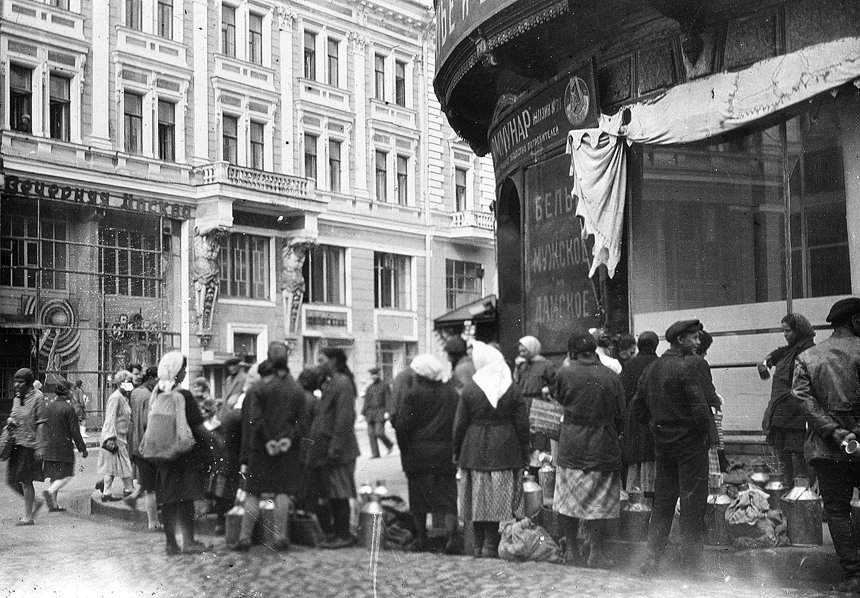
Throughout the Soviet era, the Yermolova Theatre became a prominent institution, balancing ideological expectations with a commitment to artistic excellence (Advantour). The repertoire included both Russian classics and new Soviet works, often reflecting the heroic and socially engaged spirit epitomized by Yermolova herself. Despite challenges during periods of political repression, the theatre maintained high artistic standards and played a role in the postwar cultural revival.
With the dissolution of the Soviet Union, the Yermolova Theatre embraced a new era of creative freedom. It diversified its programming and began welcoming younger audiences and emerging talent, evolving into a hub for both tradition and innovation (The Moscow Times).
Cultural Significance
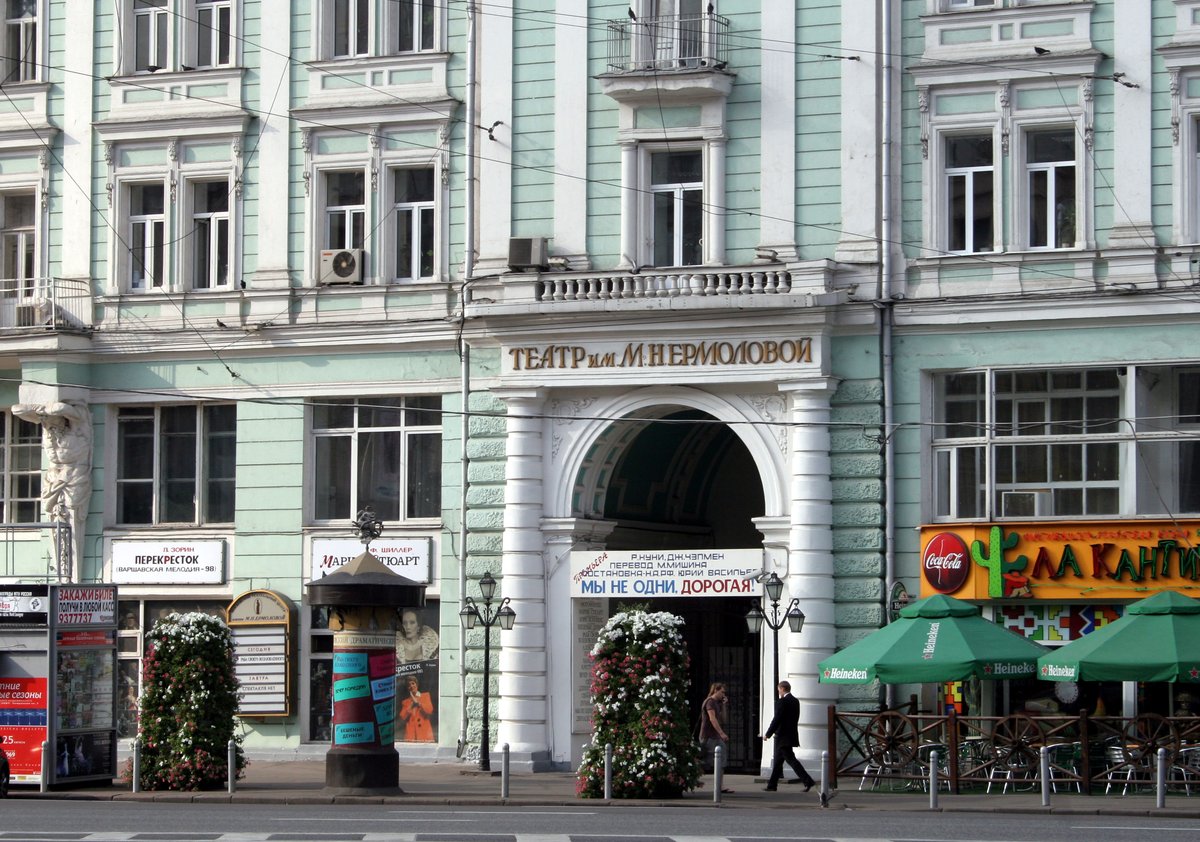
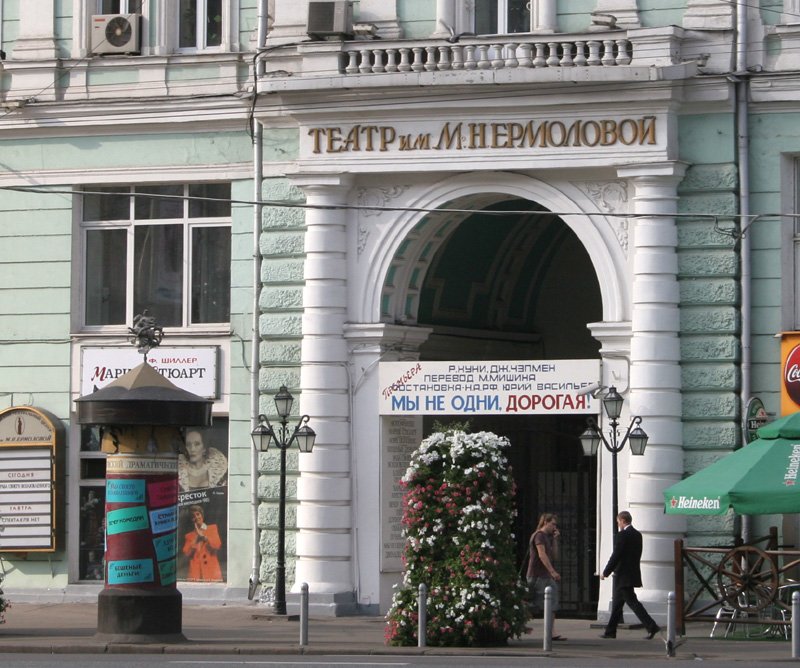
The Yermolova Theatre is more than a performance venue; it is a living symbol of Russian cultural identity. Its elegant 19th-century building, located at 5/6 Tverskaya Ulitsa, is among the largest and most distinguished on the avenue—reflecting the grandeur and artistic heritage of Moscow (Wikipedia). The theatre’s mission honors Yermolova’s commitment to artistic independence and social engagement, making it a beacon for Moscow’s thriving arts scene.
Milestones and Leadership
Key milestones in the theatre’s history include:
- 1925: Theatre founded in Yermolova’s honor.
- 1930s–1950s: Navigated ideological purges, maintained a high-caliber repertoire.
- Post-1991: Transitioned to post-Soviet artistic trends and expanded outreach.
- 2013: Hosted “Theater Almanac,” a festival of emerging directors and actors (The Moscow Times).
Contemporary leadership, notably under Oleg Menshikov, has propelled the theatre into a new era of innovation while preserving its classical roots (The Moscow Times).
Visiting the Yermolova Theatre
Location and Access
- Address: 5/6 Tverskaya Ulitsa, Moscow, Russia
- Metro: Okhotny Ryad, Tverskaya, and Pushkinskaya stations are all within walking distance.
- Parking: Limited street parking is available; public transport is recommended due to central Moscow’s traffic.
Visiting Hours
- Box Office: Open daily from 12:00 PM to 8:00 PM. Closed on Mondays.
- Performance Times: Most shows begin between 6:30 PM and 7:30 PM. Check the official schedule for exact times and special events.
Ticketing Information
- Prices: Typically range from 500 to 2,500 RUB, varying by show and seat location.
- Purchase Options:
- Online via the official website
- By phone: +7 495 580 52 15 (box office: ext. 325)
- In person at the theatre box office
- Discounts: Available for students, seniors, and groups.
Accessibility and Facilities
- Wheelchair Access: The main auditorium and facilities are wheelchair accessible. Contact the box office in advance for assistance.
- Cloakroom: Available to all visitors.
- Café: “Время Антракта” (Intermission Time) offers light refreshments.
- Restrooms: Modernized and accessible.
Guided Tours and Special Events
The Yermolova Theatre occasionally offers guided tours in Russian, highlighting its architectural features and storied history. Special events, workshops, and festivals are regularly scheduled—check the event calendar for details.
Tips for Visitors
Dress Code and Etiquette
- Attire: Smart casual is customary; formalwear is not required but appreciated.
- Etiquette: Arrive 15–20 minutes early, silence mobile devices, and refrain from photographing or recording performances.
Nearby Attractions
The theatre’s central location allows you to easily combine your visit with other top sights:
- Red Square
- Bolshoi Theatre
- State Historical Museum
- Arbat Street
- GUM Department Store
Tverskaya Street itself offers numerous dining options, from traditional Russian cuisine to international eateries—ideal for pre- or post-show meals (Miss Tourist).
Safety, Language, and Practical Advice
- Safety: Central Moscow is generally safe. The area is well-patrolled and secure.
- Language: Most performances are in Russian; English subtitles are rare. Learning basic Russian phrases or using a translation app is helpful.
- Currency: Russian rouble (RUB); major credit cards accepted.
- Transport: Metro is the most efficient way to reach the theatre. Taxis and Yandex.Taxi are available but may be delayed by traffic.
Frequently Asked Questions (FAQ)
Q: What are the Yermolova Theatre’s visiting hours?
A: The box office is open from 12:00 PM to 8:00 PM (closed Mondays). Performances usually begin between 6:30 PM and 7:30 PM; consult the official schedule.
Q: How do I buy tickets?
A: Purchase tickets online at the official website, by phone, or at the box office.
Q: Is the theatre wheelchair accessible?
A: Yes. Contact the box office in advance for specific arrangements.
Q: Are performances in English?
A: Most are in Russian. Some major productions may offer English materials; check in advance.
Q: Is there a dress code?
A: Smart casual is recommended, though formalwear is not required.
Listen to the full story in the app
The whole Yermolova Theatre,
told well.
Audio guides for 1,100+ cities across 96 countries. History, stories, and local insight — offline ready.
Verified, and shown.
Researched and written by the Audiala editorial team from historical records, architectural archives, and local expertise.
Researched from Wikidata, Wikipedia & official sources · fact-checked · How we make our guides →