Plan and listen to Tverskoy Boulevard with Audiala.
Audio guide in your pocket, itinerary in your browser. Built for the way you actually visit.
Introduction
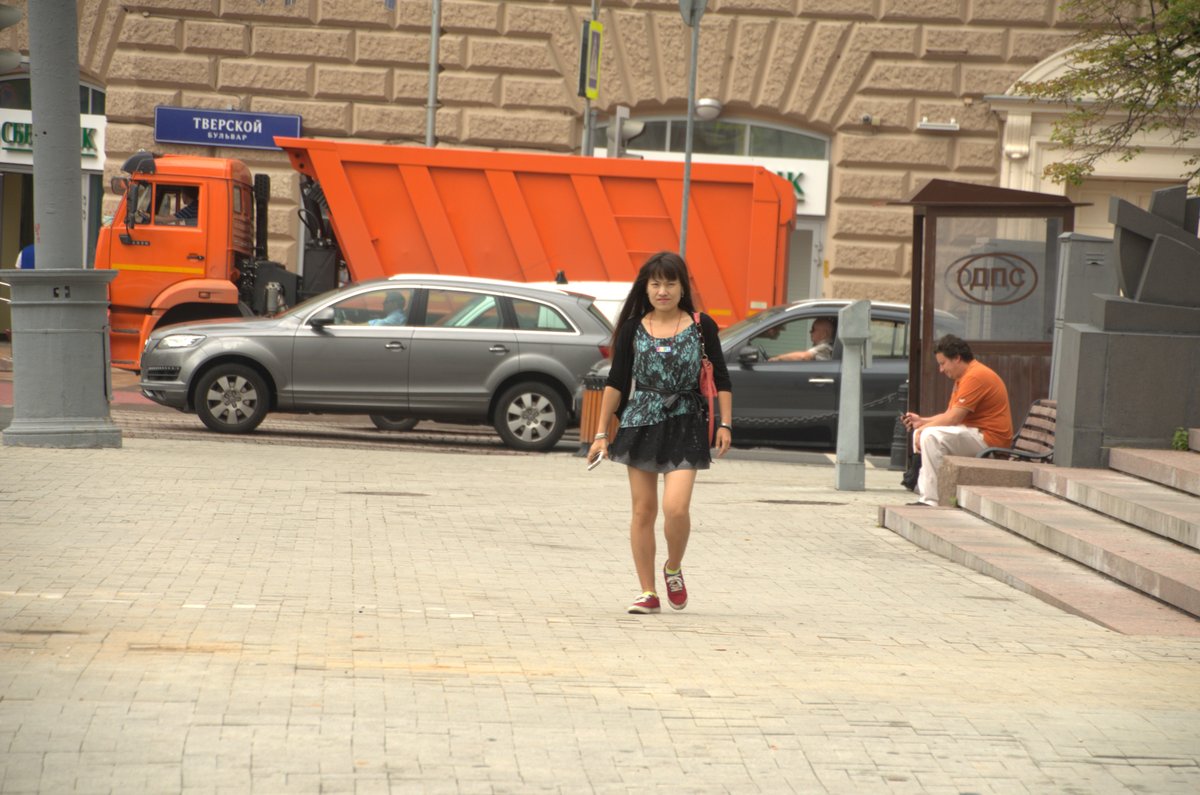
Tverskoy Boulevard stands as one of Moscow’s most distinguished historical and cultural landmarks, weaving together centuries of urban evolution, artistic achievement, and vibrant public life. As the oldest segment of the city’s renowned Boulevard Ring, Tverskoy Boulevard was born from the city-wide renewal following the fire of 1812. The transformation of old city fortifications into this lush, tree-lined promenade marked a turning point in Moscow’s modernization and has since become a symbol of its cultural identity (Moscow City Museum, Moscow.ru).
Tverskoy Boulevard has long attracted Russia’s literary and artistic elite, including Alexander Pushkin, Leo Tolstoy, and Sergei Yesenin, commemorated by monuments and memorials along its length (Russia Beyond, abeautifulbook.wordpress.com). Today, the boulevard remains a vibrant hub, home to institutions like the Moscow Art Theatre and hosting citywide festivals (Moscow Art Theatre, Moscow Seasons). Visitors benefit from easy metro access, a host of nearby attractions, and free, year-round entry. This guide provides everything you need to plan your visit, including practical information, historical context, and tips for making the most of Tverskoy Boulevard.

Origins and Early Development
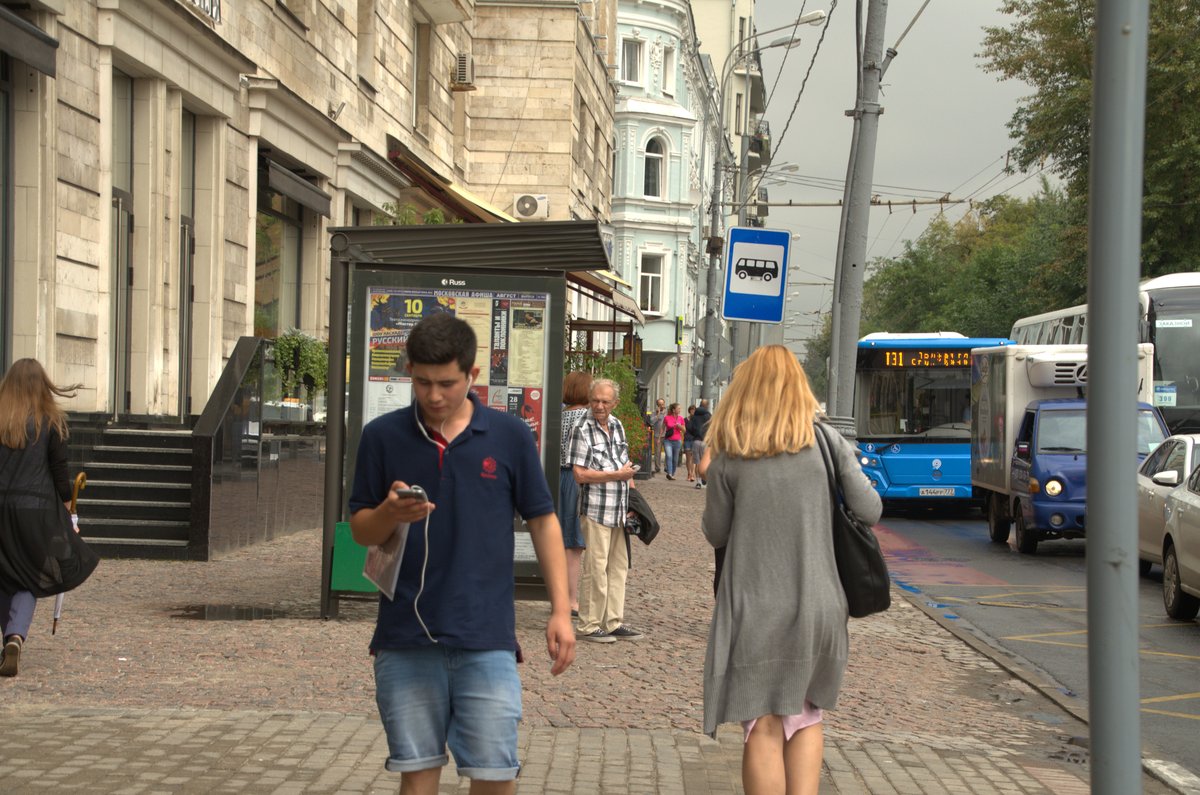
Tverskoy Boulevard’s roots trace back to the late 18th century. Officially opened in 1796, it was the first of Moscow’s Boulevard Ring, replacing the demolished White City walls after the fire of 1812 (Moscow City Museum). The project reflected a new vision for Moscow: not just a fortified city, but a modern metropolis with open, green spaces.
Initially a fashionable address for nobility and merchants, Tverskoy Boulevard was lined with elegant mansions and townhouses. The broad promenade set a precedent for urban green spaces in Russia and quickly became a symbol of Moscow’s modernization (Moscow.ru).
Architectural Evolution and Urban Landscape
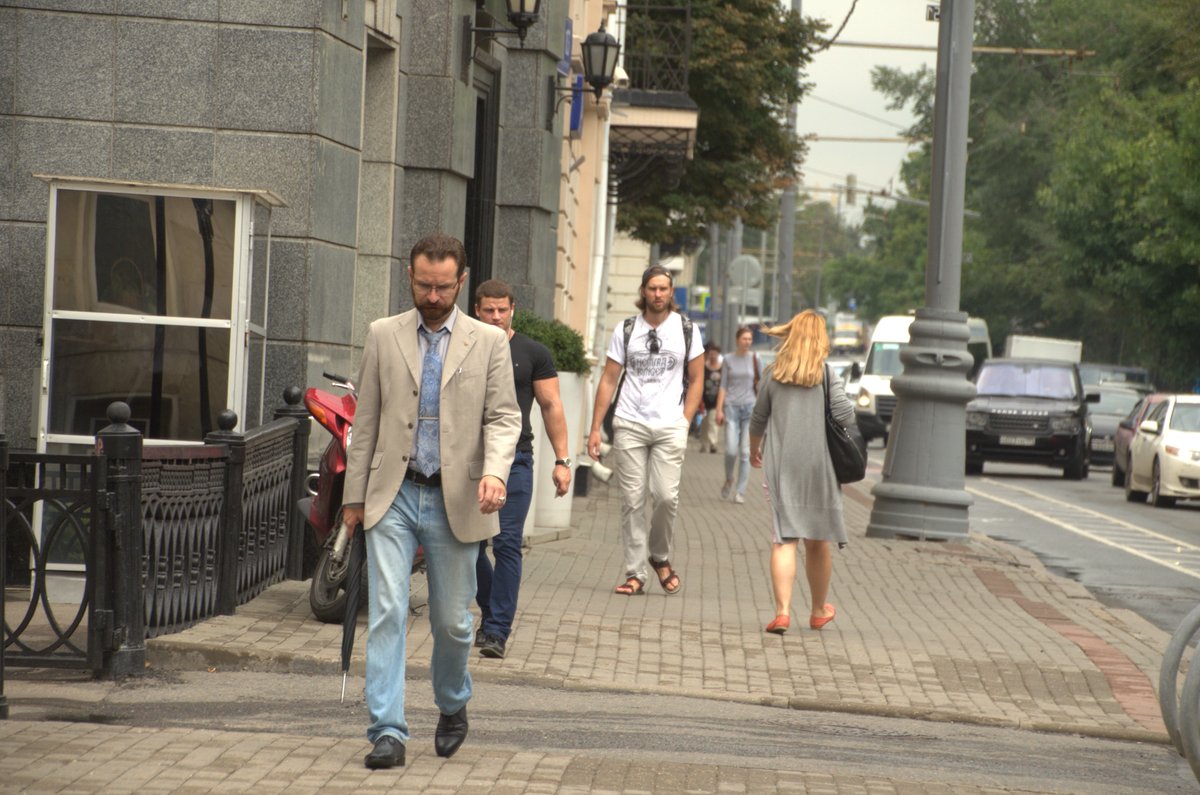
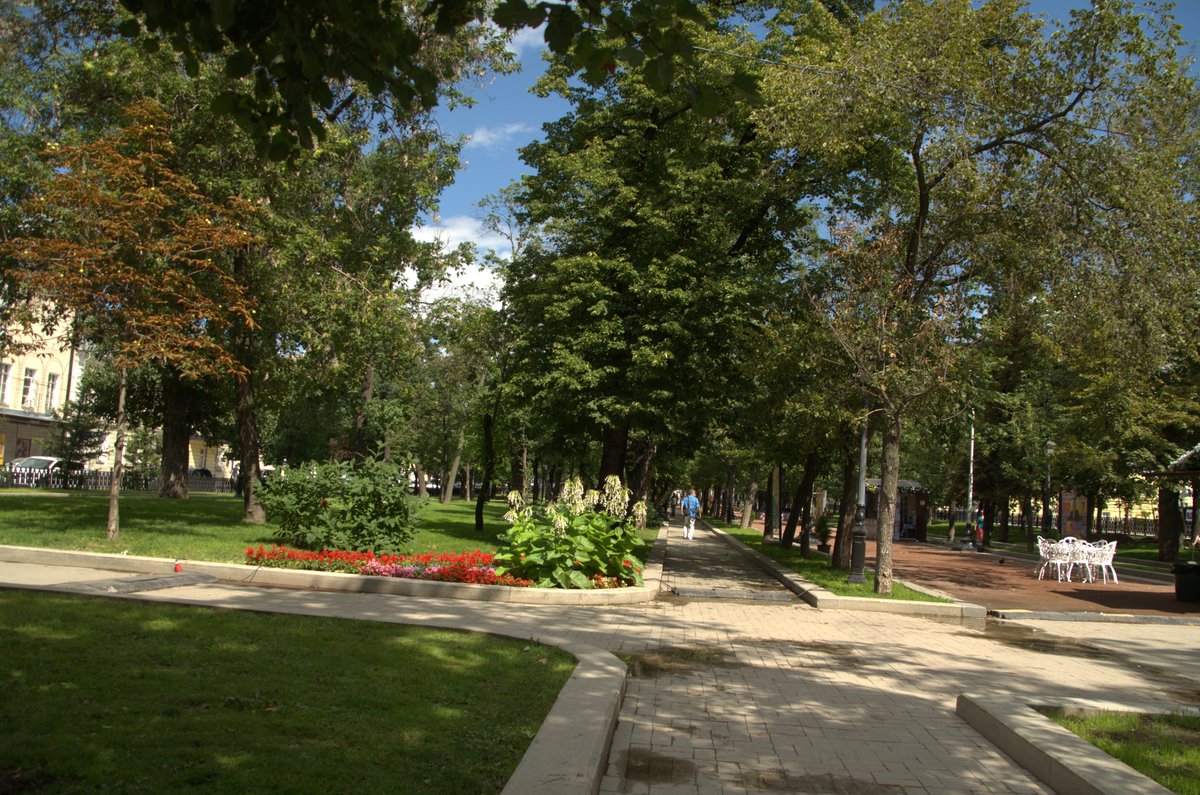
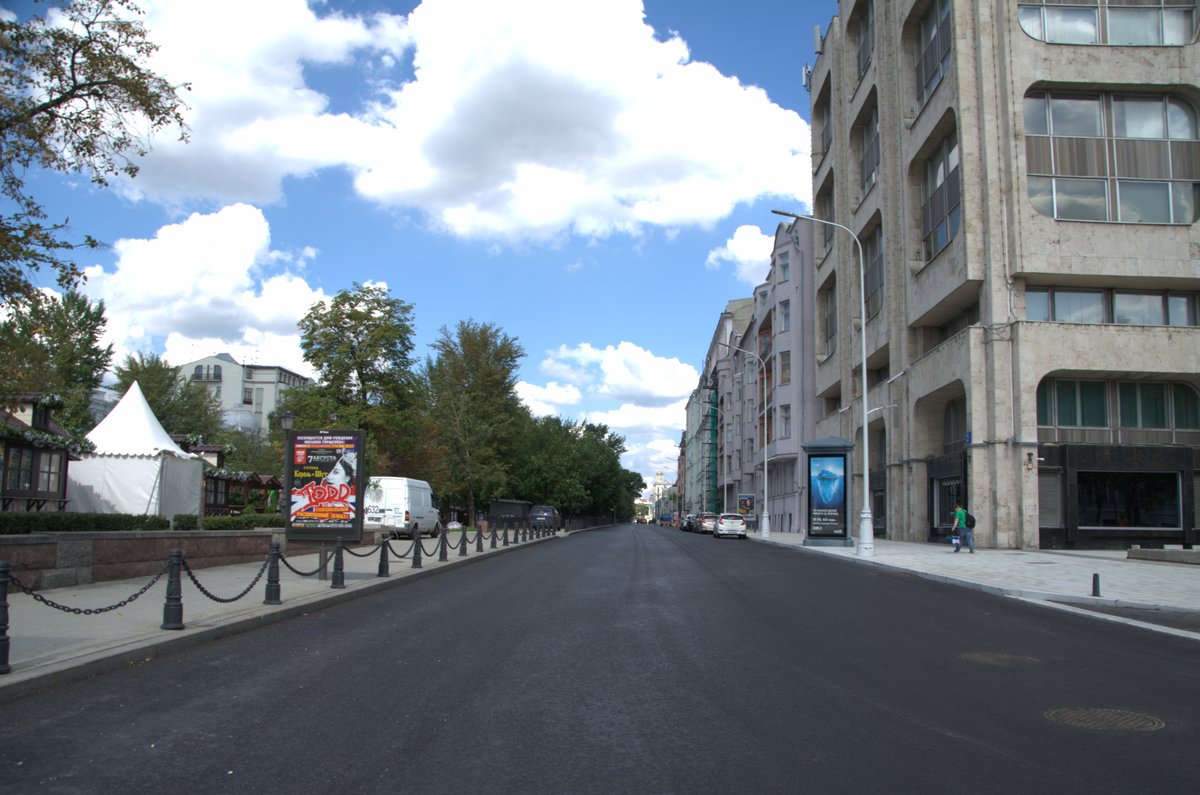
The boulevard’s architectural landscape evolved from wooden homes to stone and brick mansions as fire regulations tightened in the 19th century. Its wide, tree-lined promenade—flanked by linden and chestnut trees—became a model for Russian urban design (Architectural Heritage of Moscow). Noteworthy architectural highlights include:
- Yermolova Theatre: Housed in a 19th-century mansion.
- Moscow Art Theatre: An influential institution in Russian performing arts (Moscow Art Theatre).
- Savva Morozov Mansion: Art Nouveau masterpiece at No. 16 (Architectural Guide Moscow).
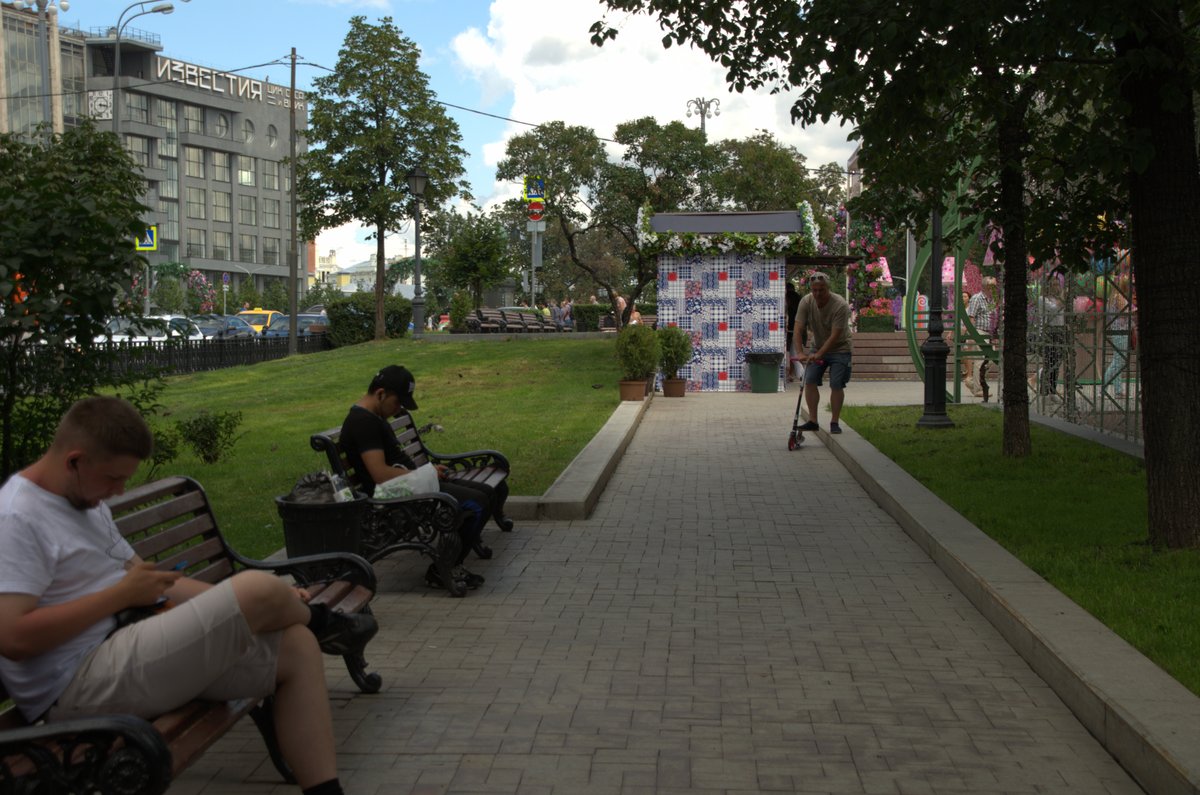
The boulevard is adorned with restored cast-iron benches, gas lanterns, and decorative fencing, fostering a welcoming environment for both residents and visitors.
Cultural Significance and Literary Associations
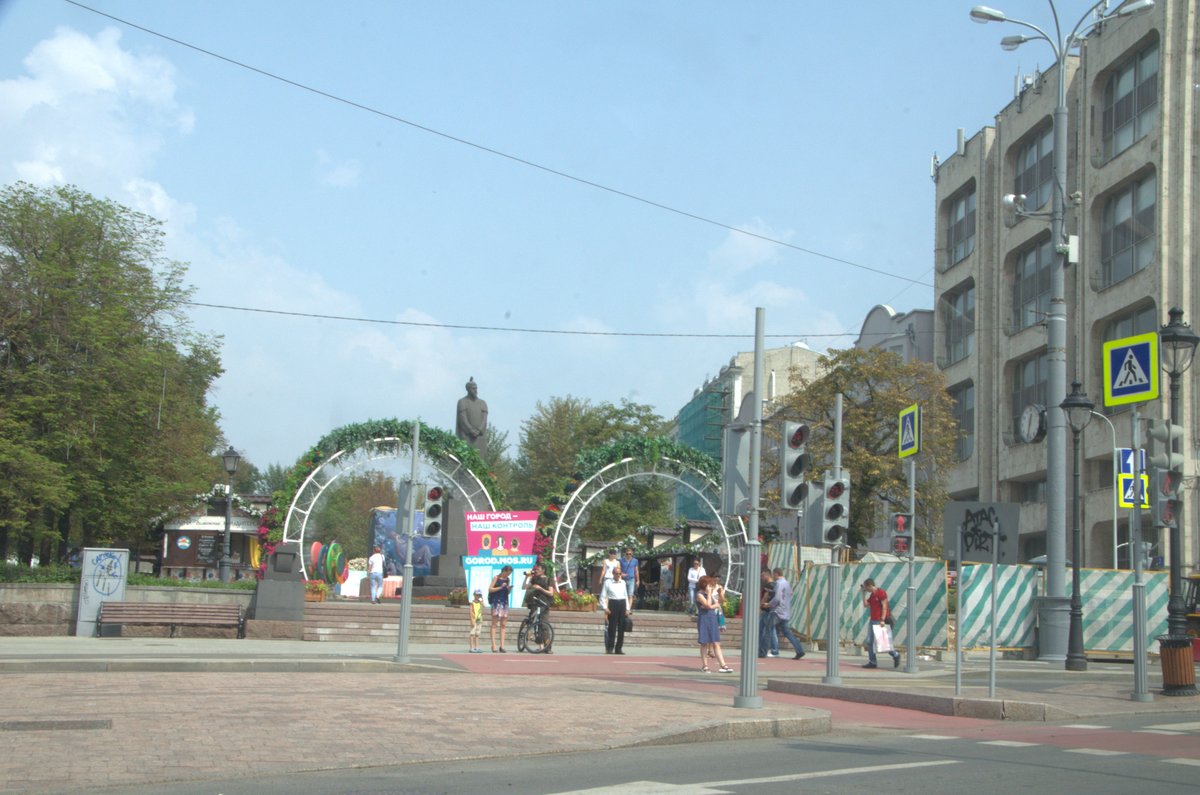
Tverskoy Boulevard has long been a meeting place for Moscow’s intellectual and artistic circles. Literary giants like Pushkin, Tolstoy, Chekhov, and Yesenin are closely associated with the area. The Pushkin Monument, unveiled in 1880 at the boulevard’s eastern end, remains a cultural focal point (Pushkin Monument).
Historic mansions served as literary salons, including Herzen’s House at No. 25, which hosted writers like Osip Mandelstam and Sergei Yesenin (abeautifulbook.wordpress.com). Cafés and salons on the boulevard fostered debates and creativity that helped shape Russian culture (Russia Beyond).
Political and Social Transformations
Tverskoy Boulevard has mirrored Russia’s political upheavals:
- Post-1917 Revolution: Aristocratic mansions were nationalized and repurposed as communal apartments or government offices.
- Soviet Era: It became a venue for demonstrations and public gatherings (Moscow Times).
- World War II: The area suffered bomb damage but was restored postwar.
- Perestroika & 1990s: The boulevard witnessed rallies and protests, maintaining its role as a center for civic life (Meduza).
Notable Events and Figures
- Pushkin Monument Unveiling (1880): Attended by Dostoevsky and Turgenev, symbolizing Russia’s literary reverence (Pushkin Museum).
- Frequented by Soviet Writers: Mayakovsky and Yesenin drew inspiration from the boulevard.
- Modern Political Life: Its proximity to major government institutions keeps Tverskoy Boulevard central to Moscow’s public life.
Preservation and Modern Identity
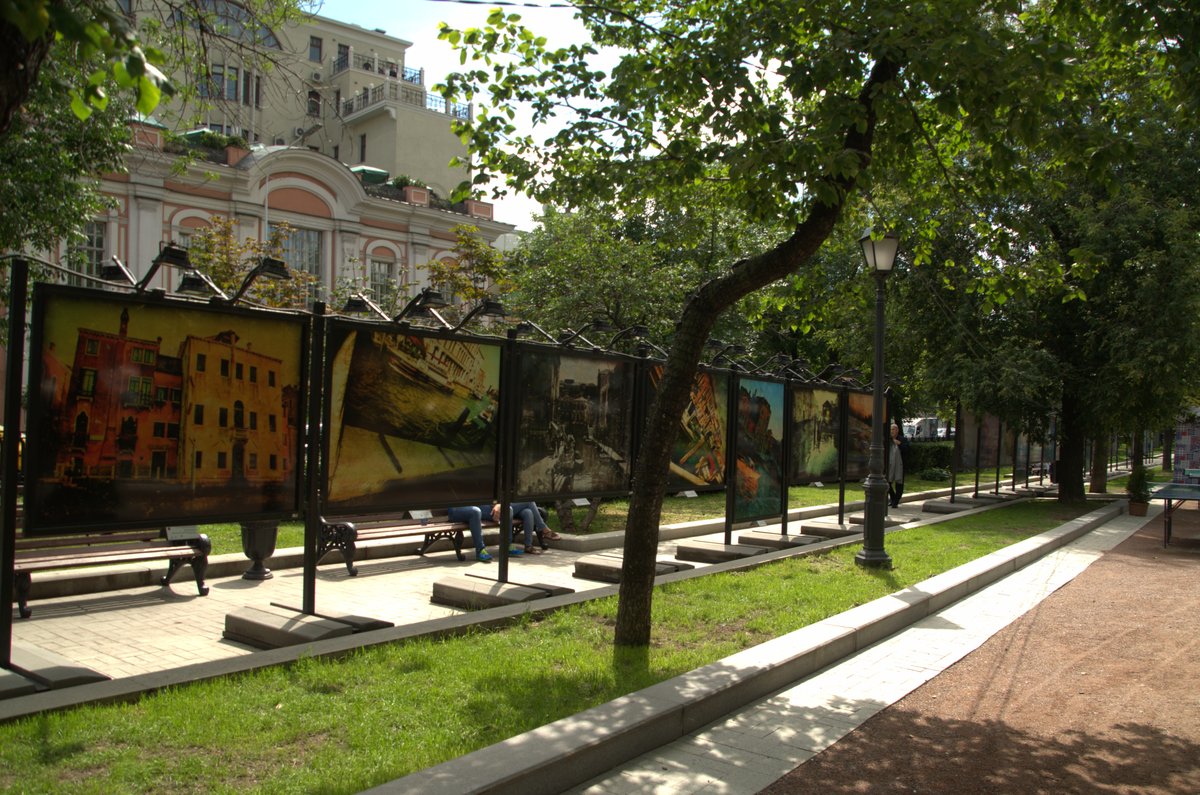
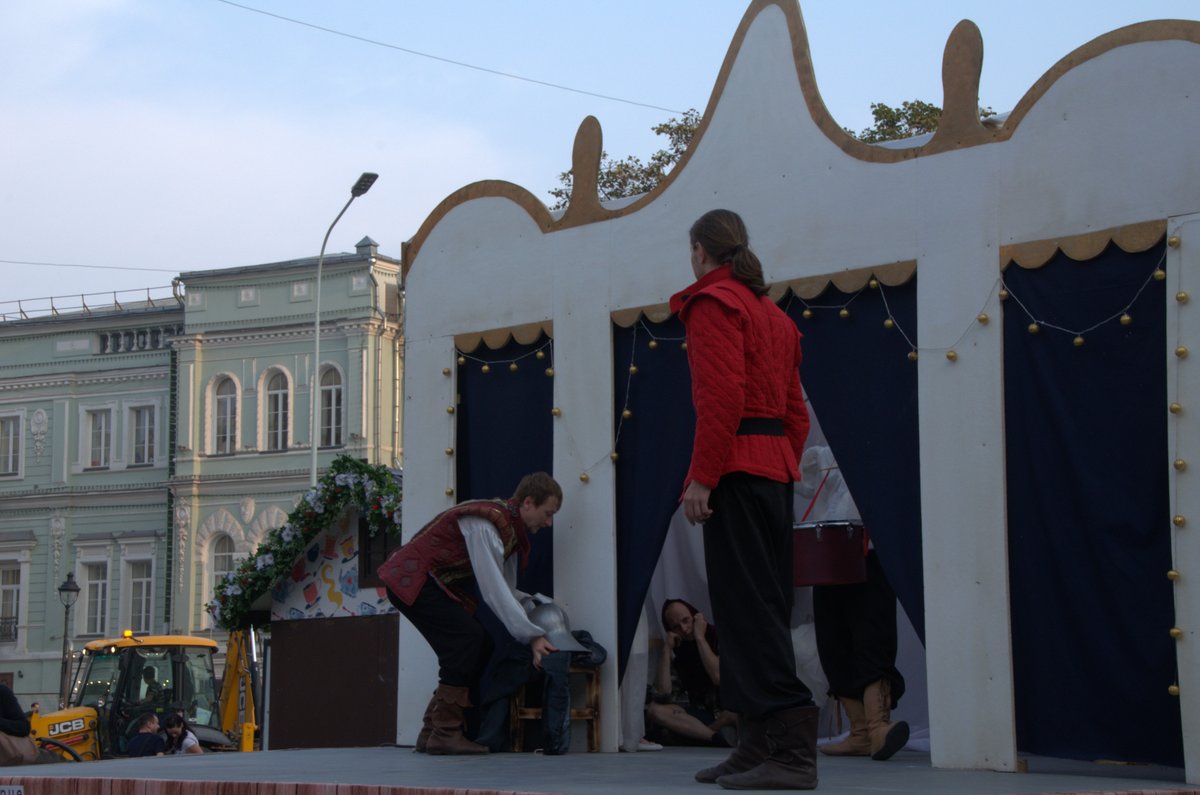
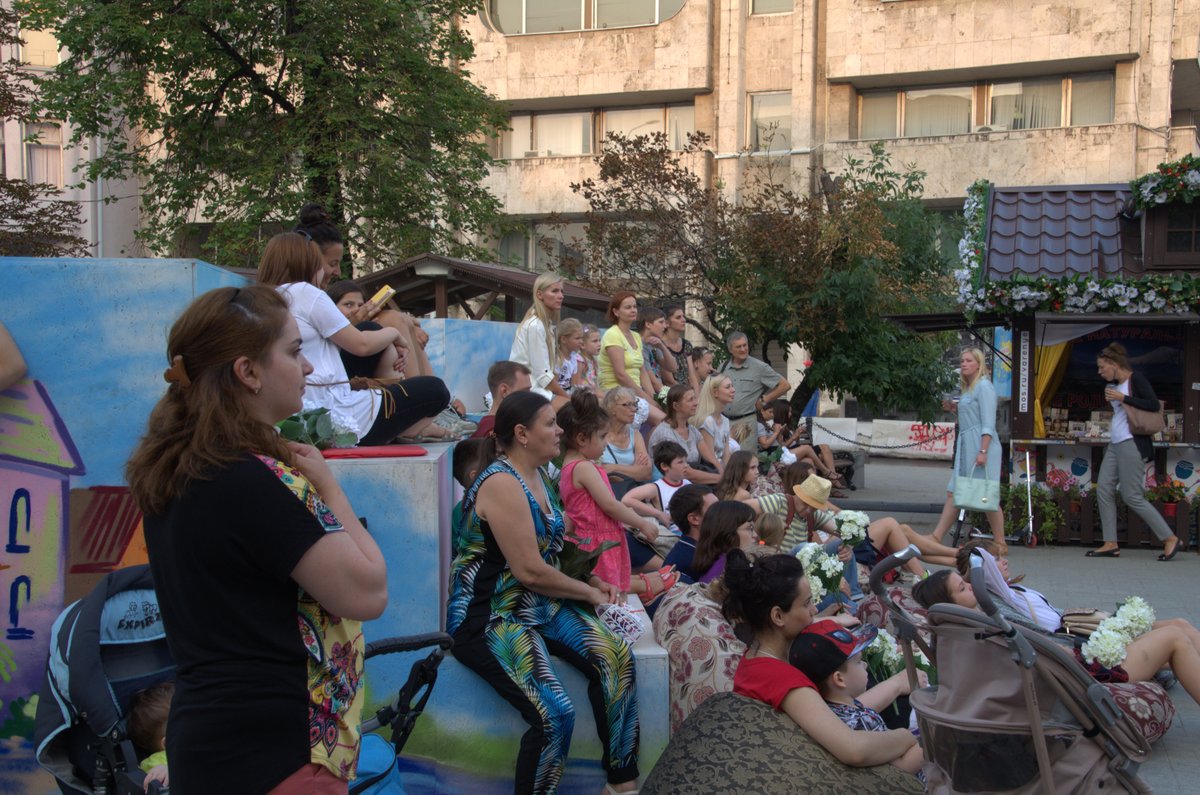
In recent years, restoration efforts have focused on preserving Tverskoy Boulevard’s historic character—balancing its unique blend of greenery, public art, and architecture with modern needs (Moscow City Government). The boulevard is protected as a cultural landmark, with annual festivals, concerts, and art installations reinforcing its status as a living symbol of Moscow’s heritage (Moscow Seasons).
Visiting Tverskoy Boulevard: Practical Information
Visiting Hours & Entry Fees
- Boulevard: Open 24/7, year-round; free entry.
- Museums/Theatres: Most operate from 11:00 to 20:00; closed on Mondays. Ticket prices vary by venue. Check official websites for schedules (Moscow Art Theatre, www.gorkytheatre.ru).
Accessibility
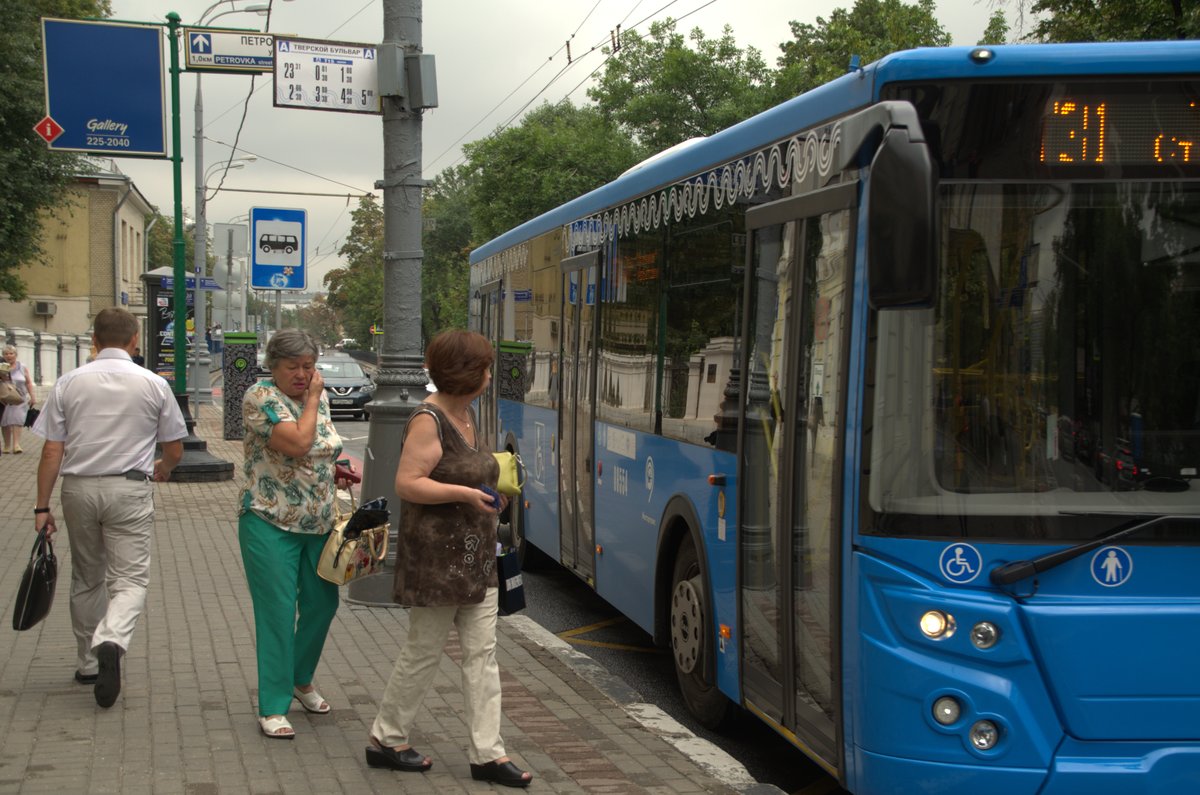
- Transport: Reachable by metro—Pushkinskaya, Tverskaya, and Chekhovskaya stations are all nearby (Moscow Metro).
- Pathways: Paved and mostly flat; suitable for wheelchairs and strollers. Some older buildings may have limited access.
- Facilities: Benches, playgrounds, and public Wi-Fi are available. Public restrooms are in nearby cafes and shopping centers.
Dining & Refreshments
- Café Pushkin: Legendary Russian restaurant at No. 26a (RBTH).
- Turandot Restaurant: Upscale pan-Asian cuisine in a restored mansion.
- Eliseevsky Store: Historic grocery store with palace-like interiors (Spotted by Locals).
Reservations are recommended for popular venues, especially during events and weekends.
Guided Tours & Events
Guided walking tours are available, often highlighting literary and architectural history (Moscow Free Tour). Special events include:
- Moscow City Day: Early September, with open-air concerts and workshops (ETS Russia Travel).
- Maslenitsa Festival: Late winter folk festivities.
- Christmas/New Year Markets: Festive lights and stalls from December to January.
Check official event calendars for up-to-date information.
Nearby Attractions
- Pushkin Square: Cultural hub with frequent events.
- Moscow Art Theater (MKHAT): World-renowned performances and guided tours.
- Red Square & Kremlin: 15-minute walk or one metro stop.
- Herzen’s House & Yermolova Museum: Literary and cultural sites.


Explore Tverskoy Boulevard on Google Maps
Frequently Asked Questions (FAQ)
Q: Is there an entry fee for Tverskoy Boulevard?
A: No, the boulevard is a public space with free access at all times.
Q: What are the best times to visit?
A: Spring and summer for greenery and festivals; autumn for foliage; winter for festive lights.
Q: Are guided tours available?
A: Yes, many operators offer historical and literary walking tours.
Q: How do I get there by public transport?
A: Use metro stations Pushkinskaya, Tverskaya, or Chekhovskaya.
Q: Is Tverskoy Boulevard accessible for people with disabilities?
A: Yes, paths are paved and mostly flat; some older buildings may have limited access.
Q: Where can I find restrooms?
A: In cafes, restaurants, or shopping centers near the boulevard.
Discover More
Ready to explore Tverskoy Boulevard? Download the Audiala app for immersive audio tours and up-to-date event information. Follow us on social media for more travel tips and discover related articles on Moscow’s historical sites. Experience the best of Moscow’s history, culture, and city life on Tverskoy Boulevard!
Listen to the full story in the app
The whole Tverskoy Boulevard,
told well.
Audio guides for 1,100+ cities across 96 countries. History, stories, and local insight — offline ready.
Verified, and shown.
Researched and written by the Audiala editorial team from historical records, architectural archives, and local expertise.
Researched from Wikidata, Wikipedia & official sources · fact-checked · How we make our guides →