Plan and listen to Tverskaya Square with Audiala.
Audio guide in your pocket, itinerary in your browser. Built for the way you actually visit.
Introduction: History and Significance of Tverskaya Square
Tverskaya Square stands as a central symbol of Moscow’s rich past and dynamic present. Located at the intersection of Tverskaya Street and Mokhovaya Street, the square has witnessed the evolution of Moscow from a medieval trade hub in the 12th century to the bustling metropolis it is today. Its significance is underscored by a blend of imperial grandeur, Soviet-era transformation, and post-Soviet revitalization, all reflected in its architecture and urban design.
Today, Tverskaya Square is an open public space accessible 24/7 at no cost. It is a focal point for cultural events, civic gatherings, and daily city life. The square’s location—near major metro stations such as Tverskaya, Pushkinskaya, and Chekhovskaya—makes it easy to access Moscow’s renowned landmarks, including Red Square, the Kremlin, and the Bolshoi Theatre. Visitors can enjoy guided tours, seasonal festivals, shopping, and dining, immersing themselves in the unique atmosphere of central Moscow.
For further information, consult resources such as uVisitRussia, DiscoverWalks, and the Official Moscow Tourism Website.

Early Origins and Medieval Significance
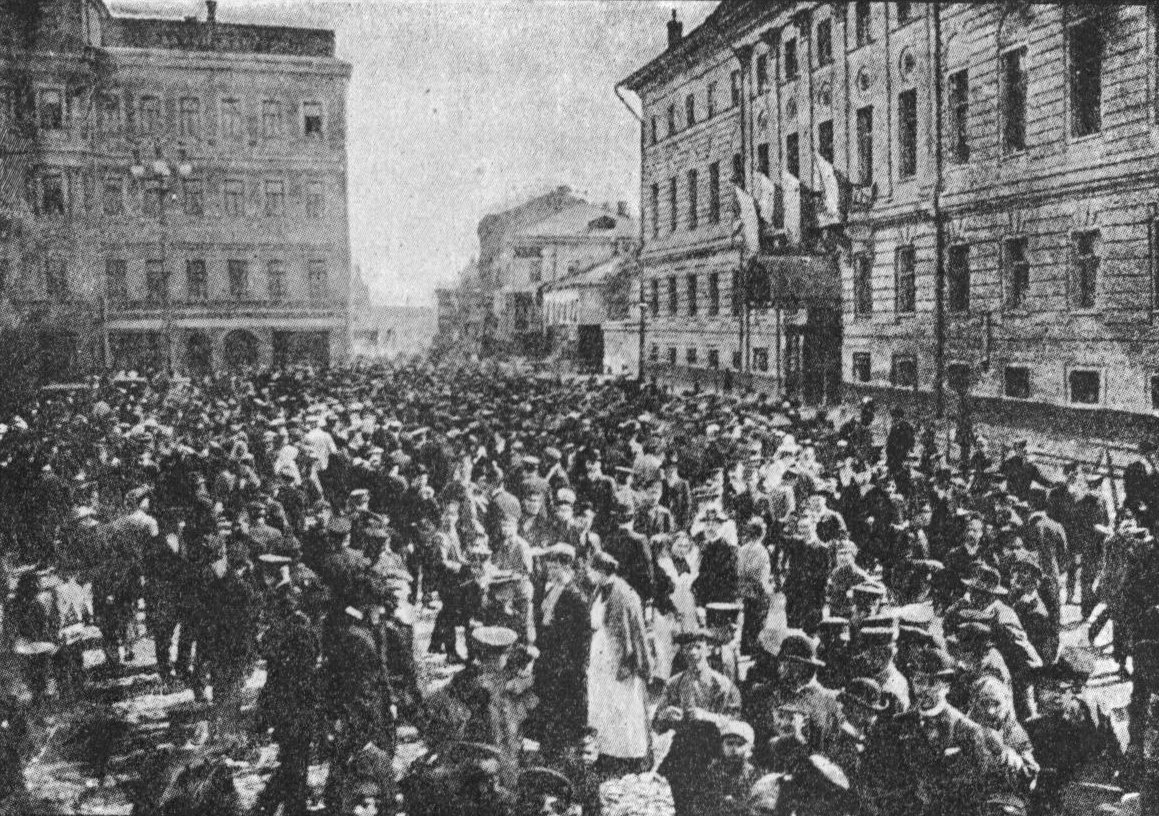
Tverskaya Square traces its roots to the 12th century, when Tverskaya Street served as a vital trade route linking the Kremlin to Tver. The street, once known as Tsarskaya (“Tsar’s Street”), became the main thoroughfare for Russian nobility and merchants entering Moscow. In the 14th century, under Ivan Kalita, its prominence increased as the principal road for trade and processions. The Tverskaya-Yamskaya settlement, established in the 16th century during Boris Godunov’s reign, further solidified the area’s status as a key hub for commerce and travelers (uVisitRussia; ComfortCity24).
Imperial Grandeur: 17th–18th Centuries
The 17th and 18th centuries brought a surge of aristocratic influence, with lavish mansions and boyar chambers rising along Tverskaya Street. The palace of Matvey Gagarin, governor of Siberia, and other grand residences marked the area as the center of Moscow’s elite society (DiscoverWalks). Tverskaya Square, formally laid out in front of the Governor-General’s residence (now Moscow City Hall) in 1792, became the site of official ceremonies and processions (uVisitRussia). The square quickly established itself as a stage for imperial celebrations and city gatherings.
19th Century: Commercialization and Urban Development
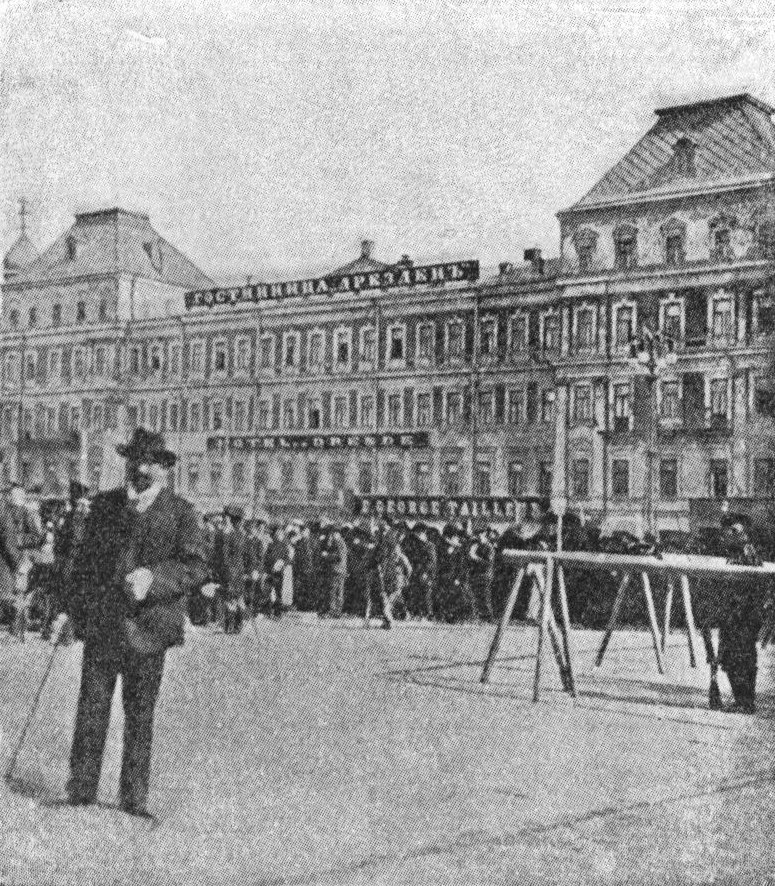
In the 19th century, Tverskaya Square and Street underwent substantial urbanization. Stately neoclassical mansions were replaced by grand commercial buildings and fashionable hotels. The Hotel National (built 1901–1903) exemplifies this era’s blend of historic and modern styles, while the Eliseevsky Store, opened in 1898, became a culinary landmark renowned for its opulent decor and gourmet goods (uVisitRussia; DiscoverWalks).
Soviet Era: Radical Changes and Symbolism
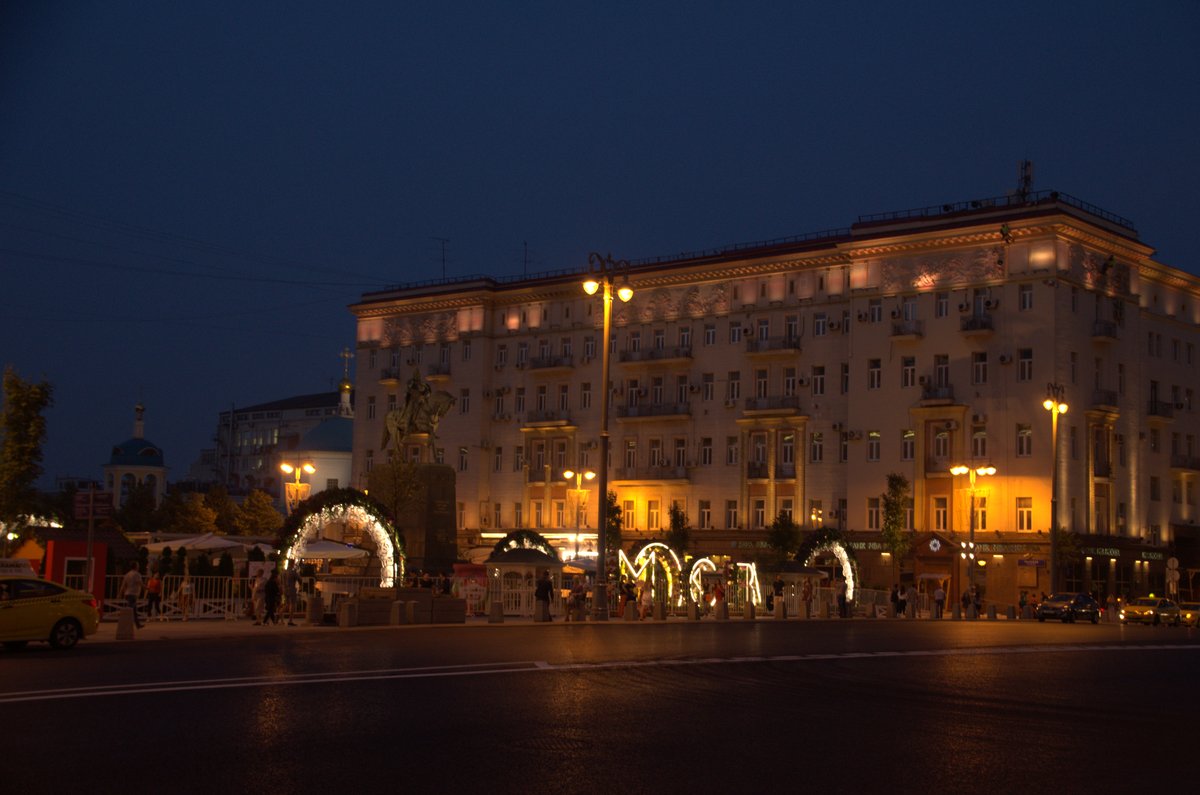
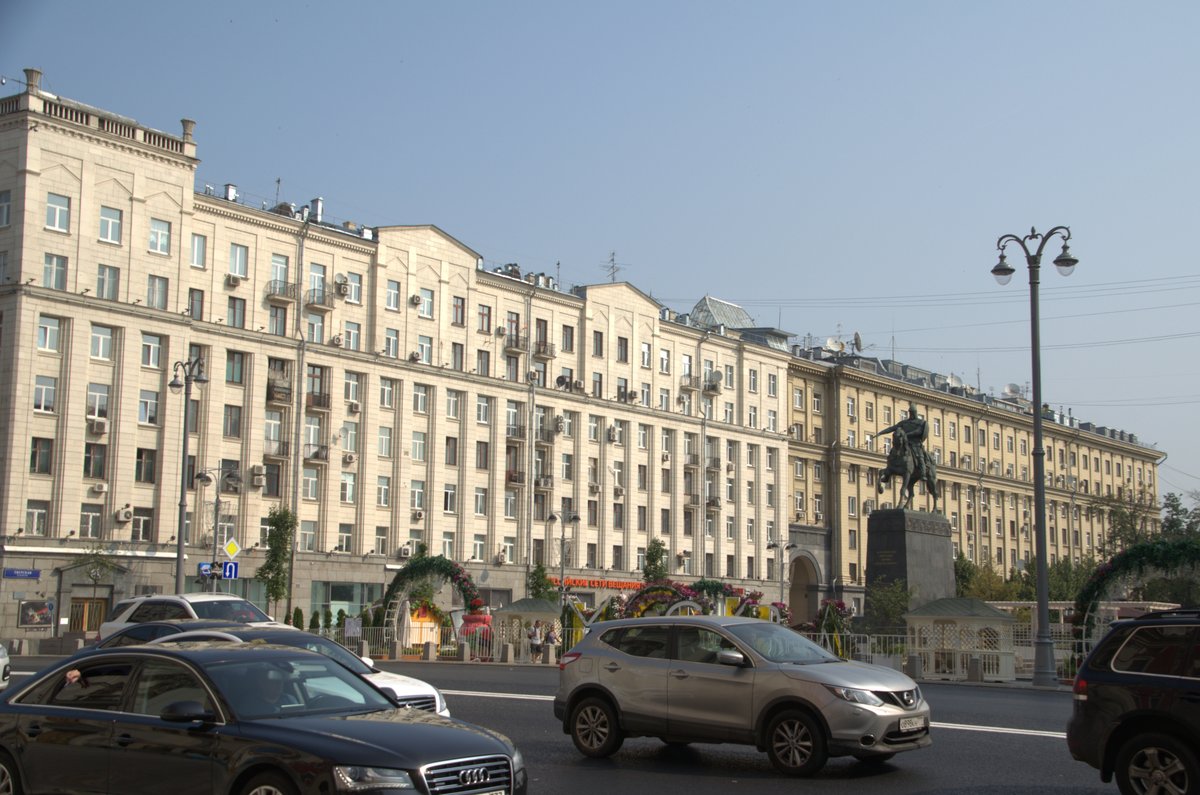
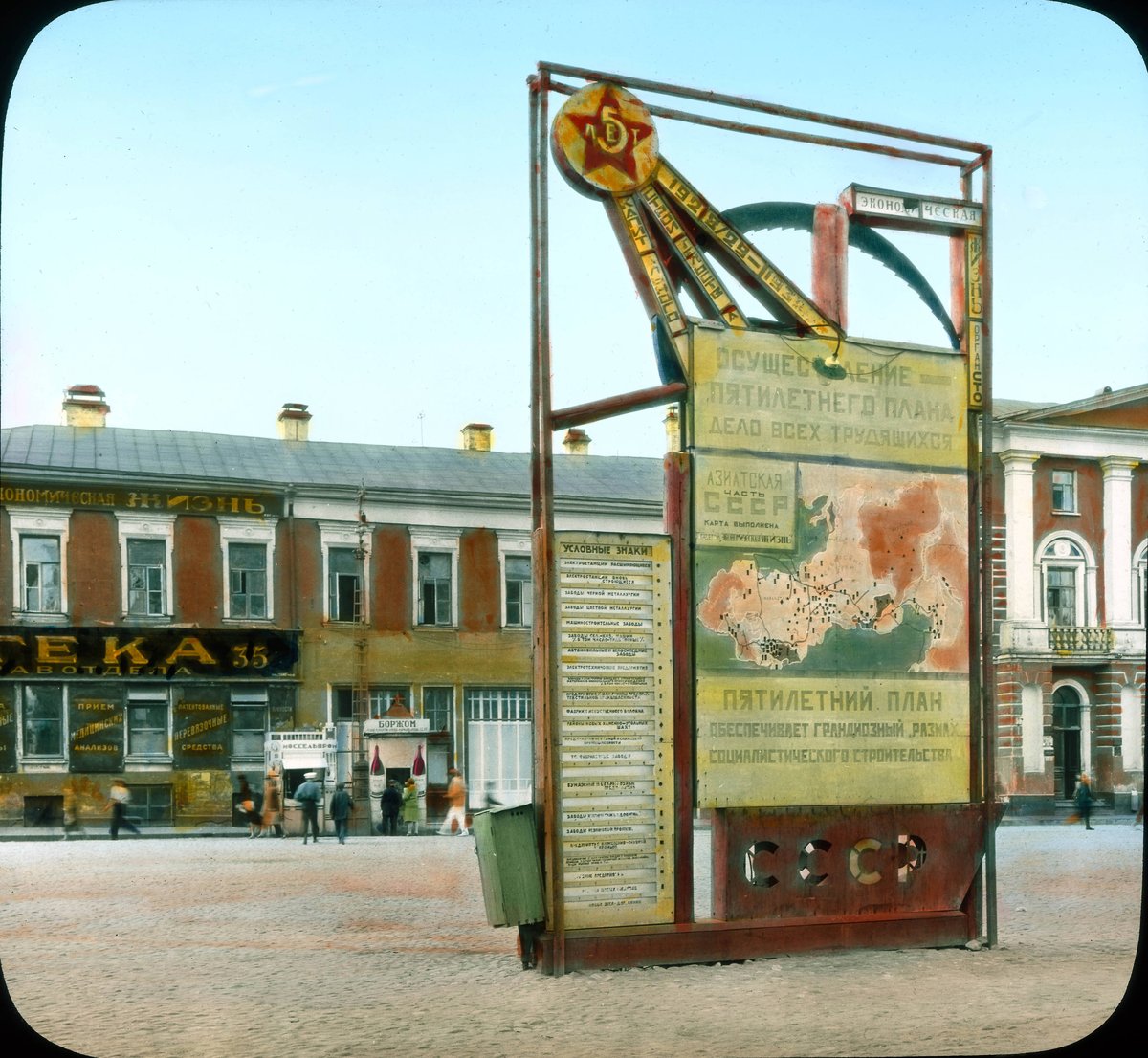
The Soviet period saw dramatic transformation. In the 1930s, Tverskaya Street was widened and straightened, with many historic buildings—especially churches—demolished or moved. The Moscow City Hall was physically relocated 13 meters during this reconstruction (uVisitRussia). From 1935 to 1990, the street was renamed Gorky Street in honor of Maxim Gorky (DiscoverWalks). The square hosted Soviet parades, rallies, and demonstrations, reinforcing its role as a symbol of state power. In 1947, the equestrian statue of Yuri Dolgoruky was installed, commemorating Moscow’s legendary founder (ComfortCity24).
Post-Soviet Revival and Modern Identity
After 1990, Tverskaya Square reclaimed its original name and underwent a revival blending tradition and modernity. The area is now home to prestigious hotels, the State Museum of Contemporary History of Russia, and various cultural institutions (uVisitRussia). The square remains a venue for festivals, public events, and civic life. Its architecture showcases layers of Moscow’s history, from neoclassical to Soviet monumentalism and contemporary design (ComfortCity24).
Key Historical Landmarks
- Moscow City Hall: Former Governor-General’s residence, built by Matvey Kazakov in the late 18th century. Moved and expanded during the Soviet era (uVisitRussia).
- Statue of Yuri Dolgoruky: Erected in 1947, this equestrian monument celebrates Moscow’s founder (ComfortCity24).
- Eliseevsky Store: An opulent food hall from 1901, famous for its architecture and culinary offerings (DiscoverWalks).
- State Museum of Contemporary History of Russia: Housed in the former Moscow English Club, the museum traces Russian history through the 20th century (uVisitRussia).
Visitor Information: Hours, Tickets, and Accessibility
- Visiting Hours: Tverskaya Square is open 24 hours a day, year-round. Museums and theatres nearby have specific hours—typically 11:00 AM to 7:00 PM, closed Mondays.
- Tickets: The square is free to access. Tickets are required for museums and performances; check the respective venues for details.
- Accessibility: The area is wheelchair accessible, with ramps, wide sidewalks, and nearby metro stations equipped with elevators.
- How to Get There: Use metro stations Tverskaya, Pushkinskaya, or Chekhovskaya. Bus and taxi options are also available.
- Nearby Attractions: Red Square, the Kremlin, Bolshoi Theatre, and diverse shops and restaurants are all within walking distance.
- Events and Tours: Seasonal festivals such as Maslenitsa and New Year’s celebrations take place here. Guided walking tours that include Tverskaya Square are widely available.
Tverskaya Square in Contemporary Moscow
Today, Tverskaya Square is a vibrant hub at the core of Moscow’s political, commercial, and cultural life. It is the site of public gatherings, festivals, and rallies, and offers a unique perspective on the city’s layered history. The square’s accessibility and central location make it an excellent starting point for exploring Moscow’s most notable sites (ComfortCity24; discover.moscow).
Frequently Asked Questions (FAQs)
Q: What are the visiting hours of Tverskaya Square?
A: The square is open to the public 24/7, year-round.
Q: Is there an entrance fee?
A: No, Tverskaya Square is free to enter. Some nearby attractions may require tickets.
Q: How do I get there by public transport?
A: Use nearby metro stations: Tverskaya, Pushkinskaya, or Chekhovskaya.
Q: Are guided tours available?
A: Yes, walking tours including Tverskaya Square can be booked through local operators.
Q: Is the square accessible for wheelchair users?
A: Yes, with ramps and accessible metro stations.
Discover More
For up-to-date information, downloadable audio guides, and insider travel tips, download the Audiala app and follow us on social media. Explore related articles on Moscow’s historical sites and cultural venues for a well-rounded city itinerary.
Listen to the full story in the app
The whole Tverskaya Square,
told well.
Audio guides for 1,100+ cities across 96 countries. History, stories, and local insight — offline ready.
Verified, and shown.
Researched and written by the Audiala editorial team from historical records, architectural archives, and local expertise.
Researched from Wikidata, Wikipedia & official sources · fact-checked · How we make our guides →