Plan and listen to Troitskaya Tower with Audiala.
Audio guide in your pocket, itinerary in your browser. Built for the way you actually visit.
Introduction to Troitskaya Tower and Its Historical Significance
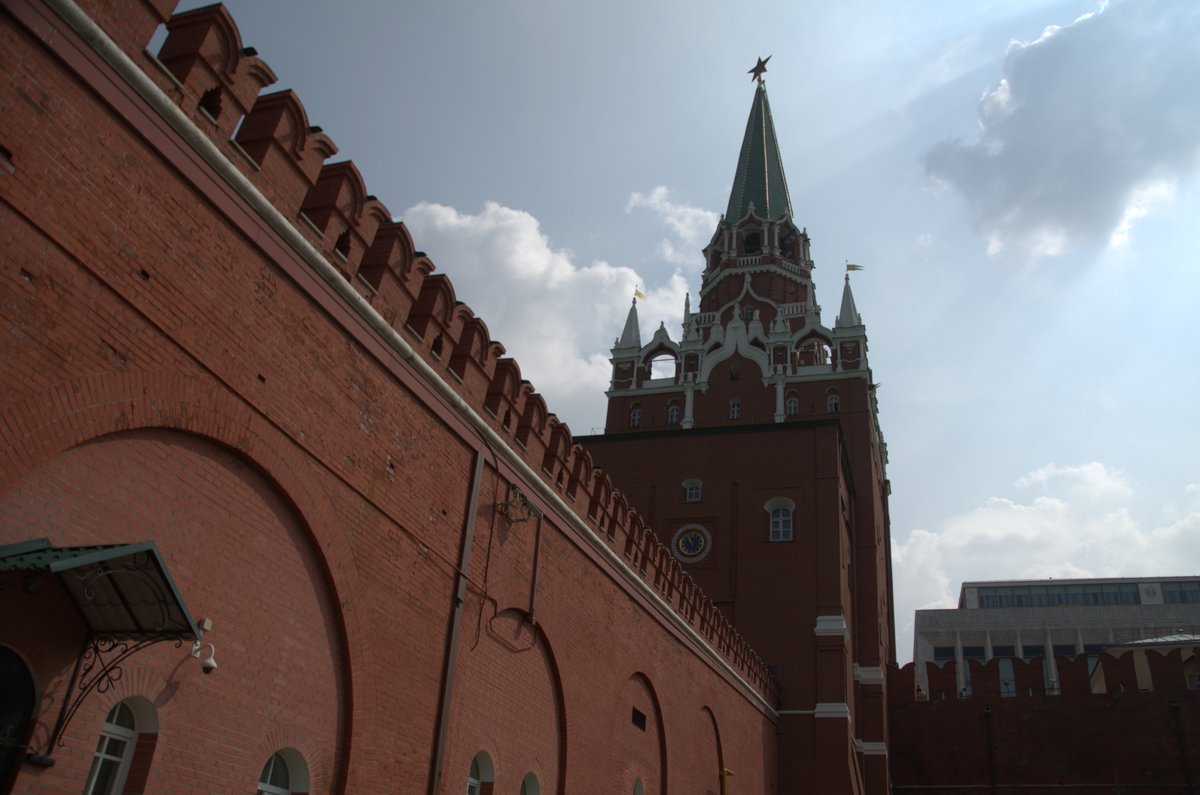
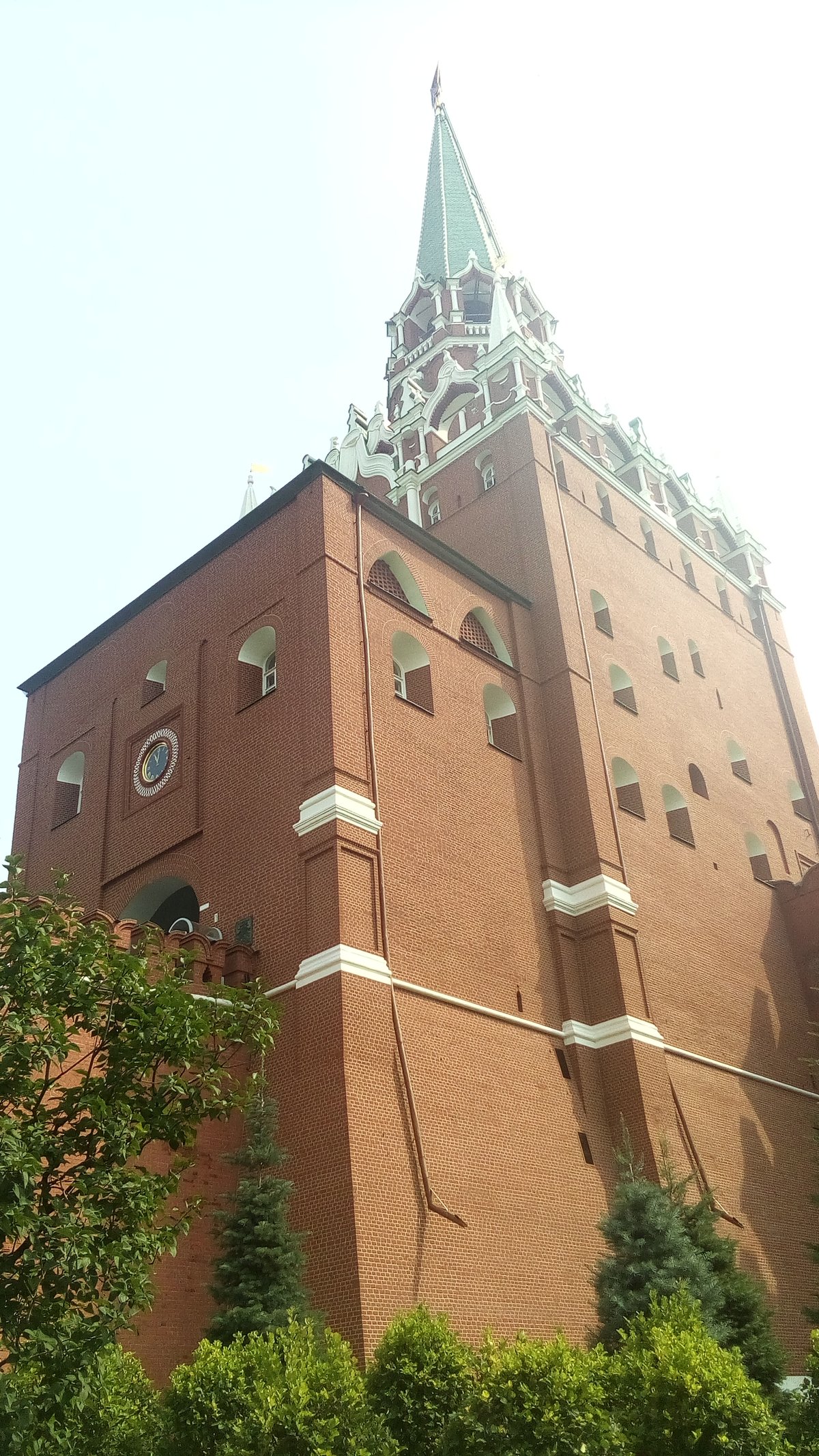
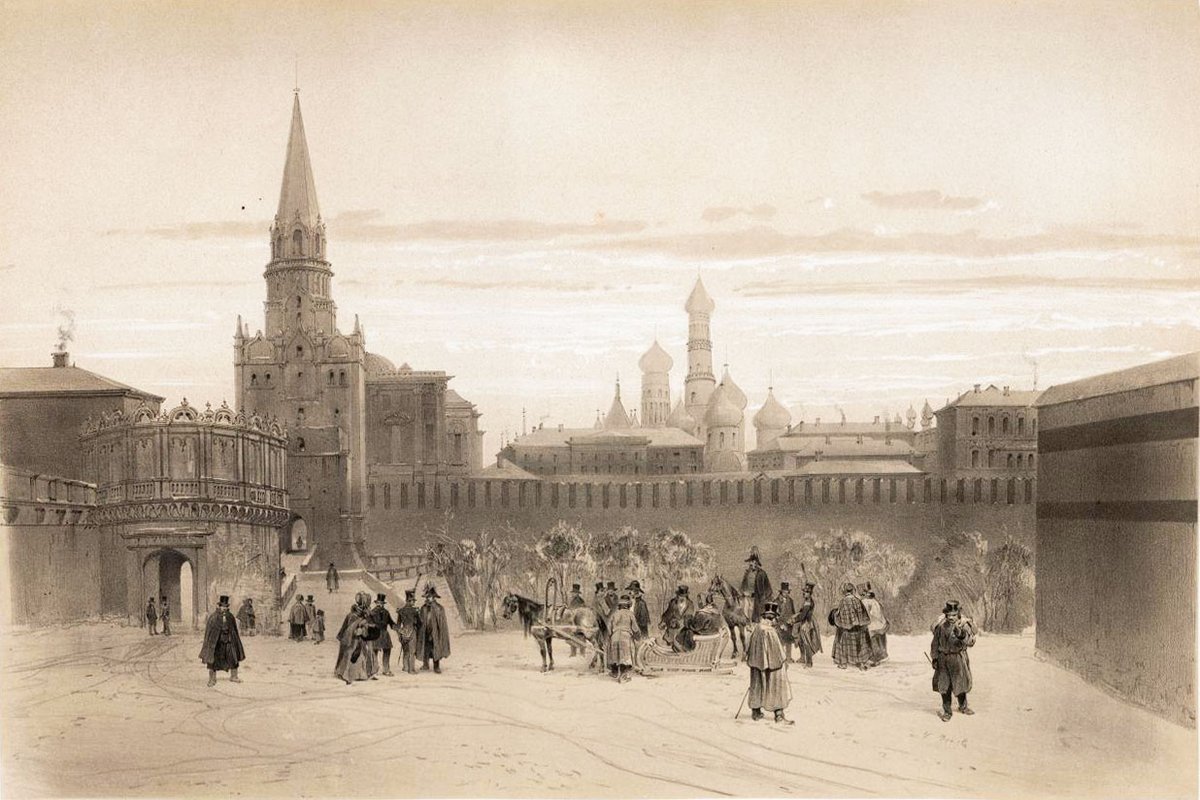
Troitskaya Tower, also known as Trinity Tower, is the tallest and one of the most iconic towers of the Moscow Kremlin. Constructed between 1495 and 1499 under the supervision of leading Italian and Russian architects—such as Aloisio da Milano (Aleviz Fryazin Milanets)—the tower marks a significant phase in the Kremlin’s transformation from medieval white-stone walls to robust red-brick fortifications. Its design harmoniously blends Italian Renaissance military architecture with traditional Russian motifs, exemplifying the era’s architectural ingenuity (Kremlin Architectural Ensemble; Official Kremlin Website).
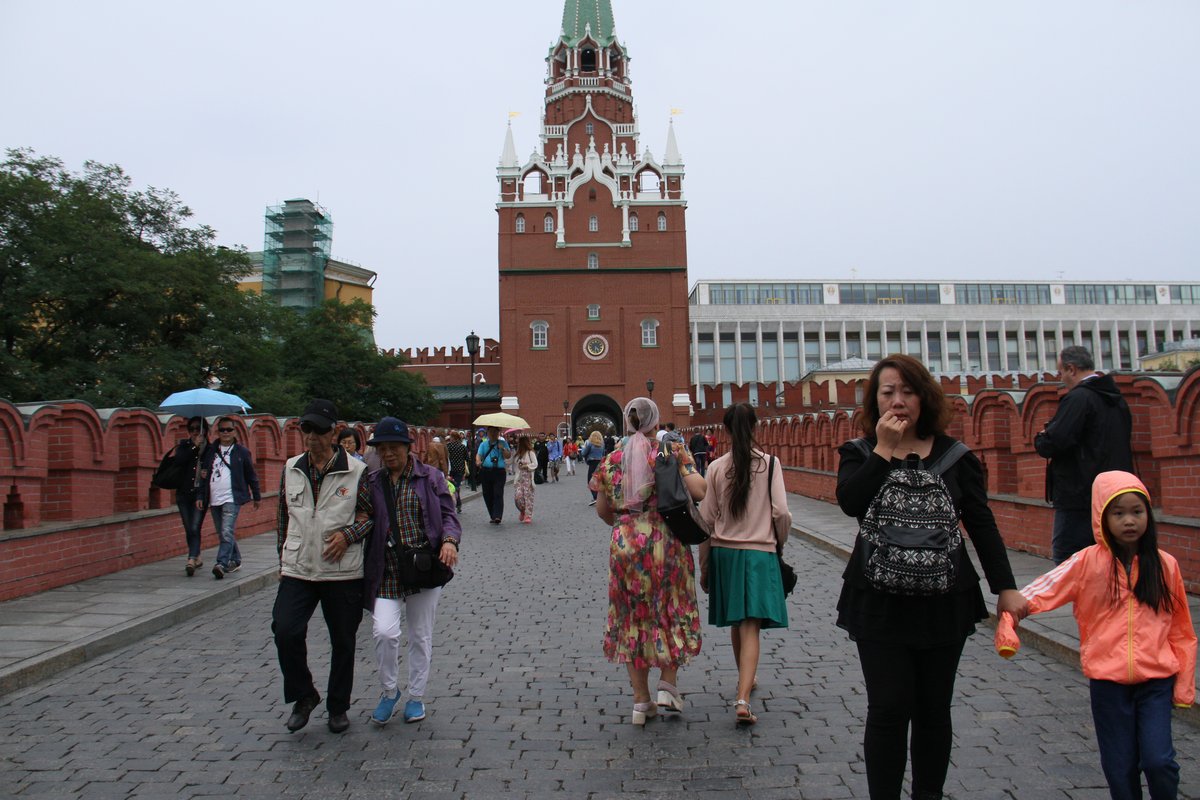
Towering at 80 meters including its ruby-red Soviet star, Troitskaya Tower historically served both as a critical defensive structure—guarding the northwestern approach via the Neglinnaya River and Troitsky Bridge—and as a ceremonial gateway for welcoming dignitaries and official processions. Over centuries, it has witnessed pivotal moments in Russian history, including the Time of Troubles, Napoleonic invasions, and major symbolic changes during the Soviet era. Today, Troitskaya Tower is the main pedestrian entrance to the Kremlin, providing visitors with a tangible connection to Moscow’s layered past (Express to Russia).
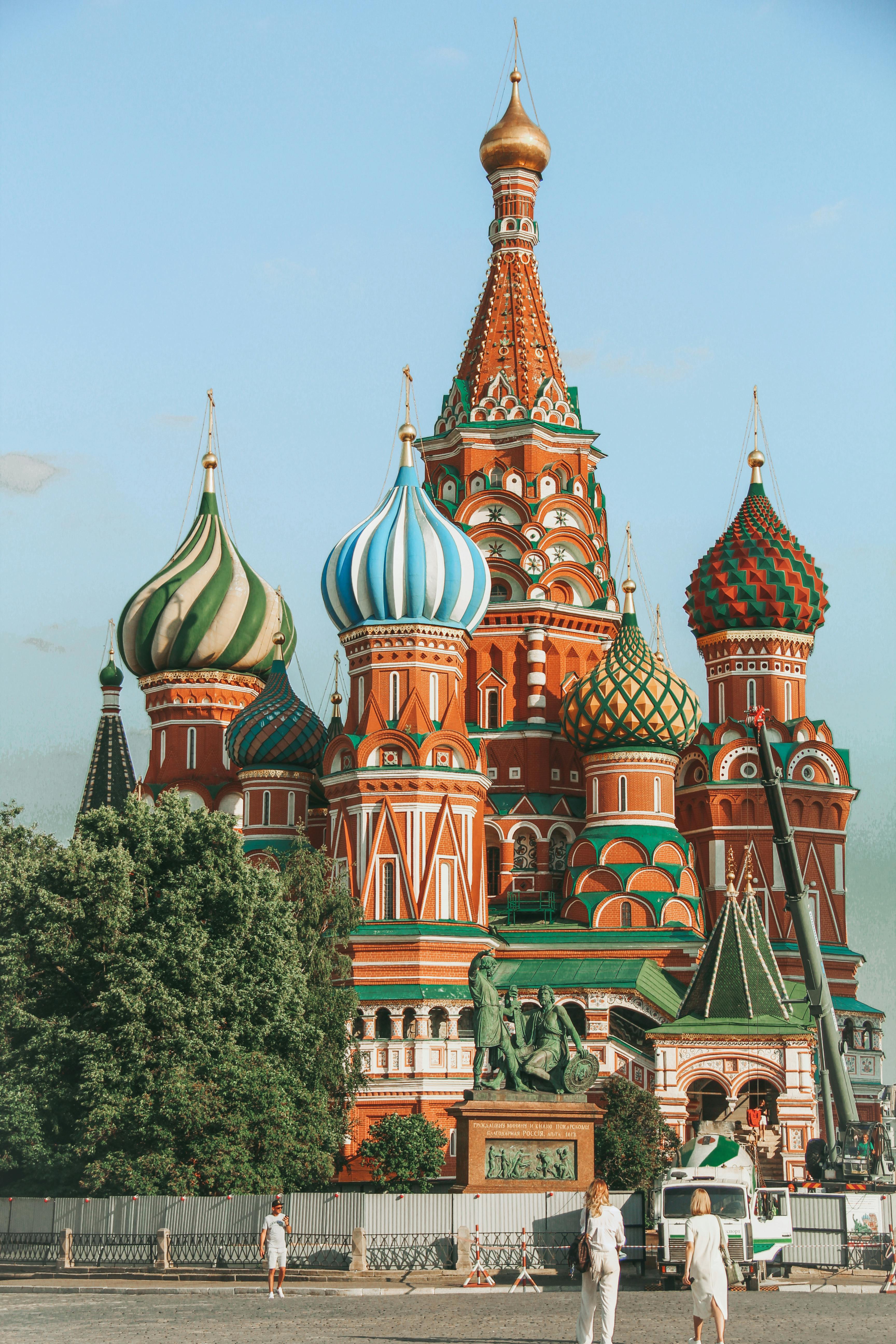
Practical information such as visiting hours (typically 10:00 AM to 5:30 PM, Tuesday through Sunday), ticketing, accessibility, and tour options is essential for planning your visit. Its proximity to Alexander Garden, Red Square, and St. Basil’s Cathedral makes it a central hub for exploring Moscow’s historical treasures (Official Kremlin Website; The Broke Backpacker).

Origins and Construction
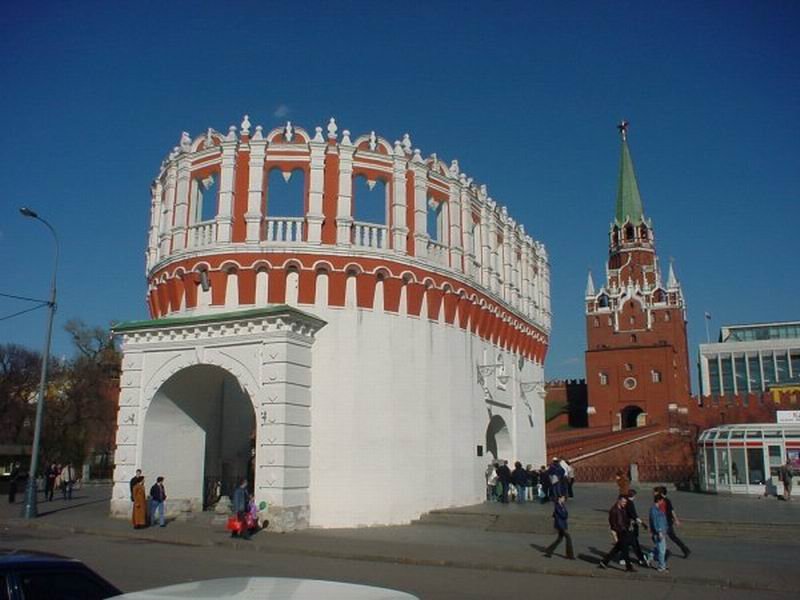
Troitskaya Tower was built between 1495 and 1499 as part of a comprehensive effort to strengthen the Kremlin’s defenses and replace older structures with more advanced brick fortifications. Renowned architects, including Anton Fryazin, Marco Fryazin, Pietro Antonio Solari, and Aleviz Fryazin, contributed their expertise, blending Italian and Russian architectural traditions (Kremlin Architectural Ensemble). The tower’s strategic location on the Kremlin’s northwestern side, facing the Neglinnaya River, made it a critical point for both defense and access.
Architectural Features and Evolution
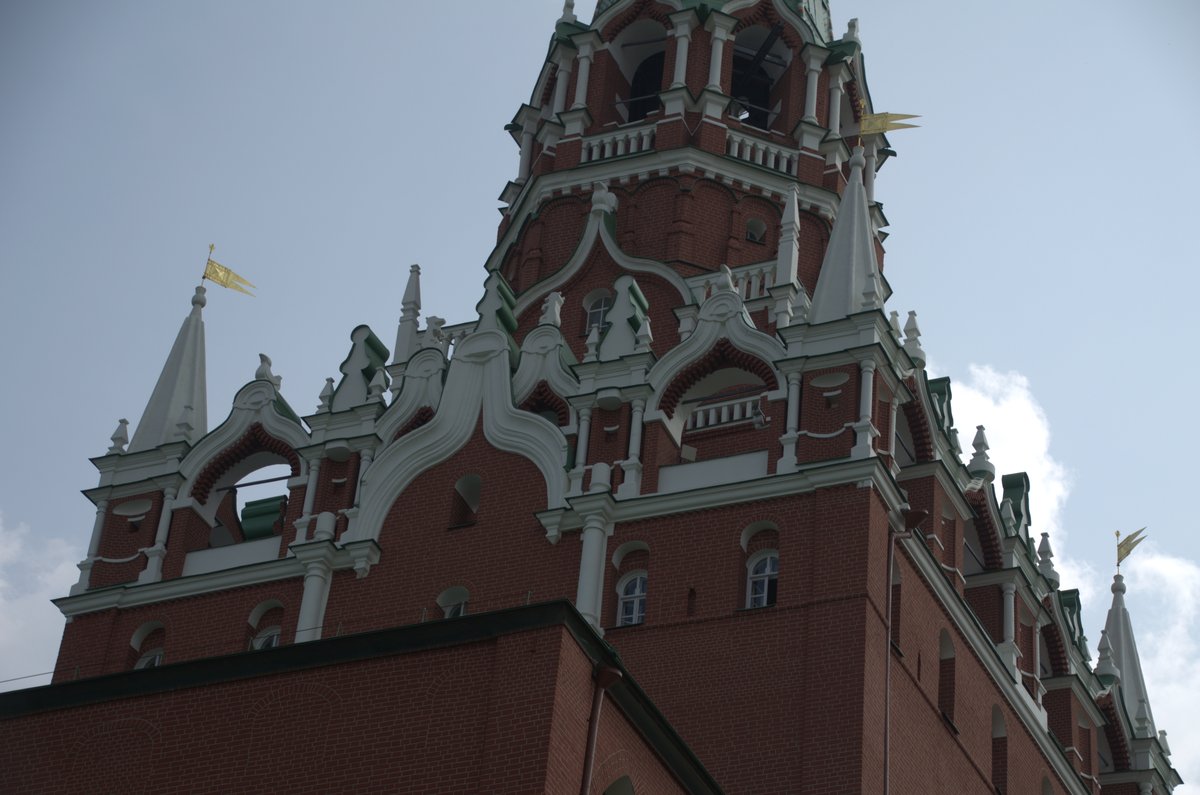
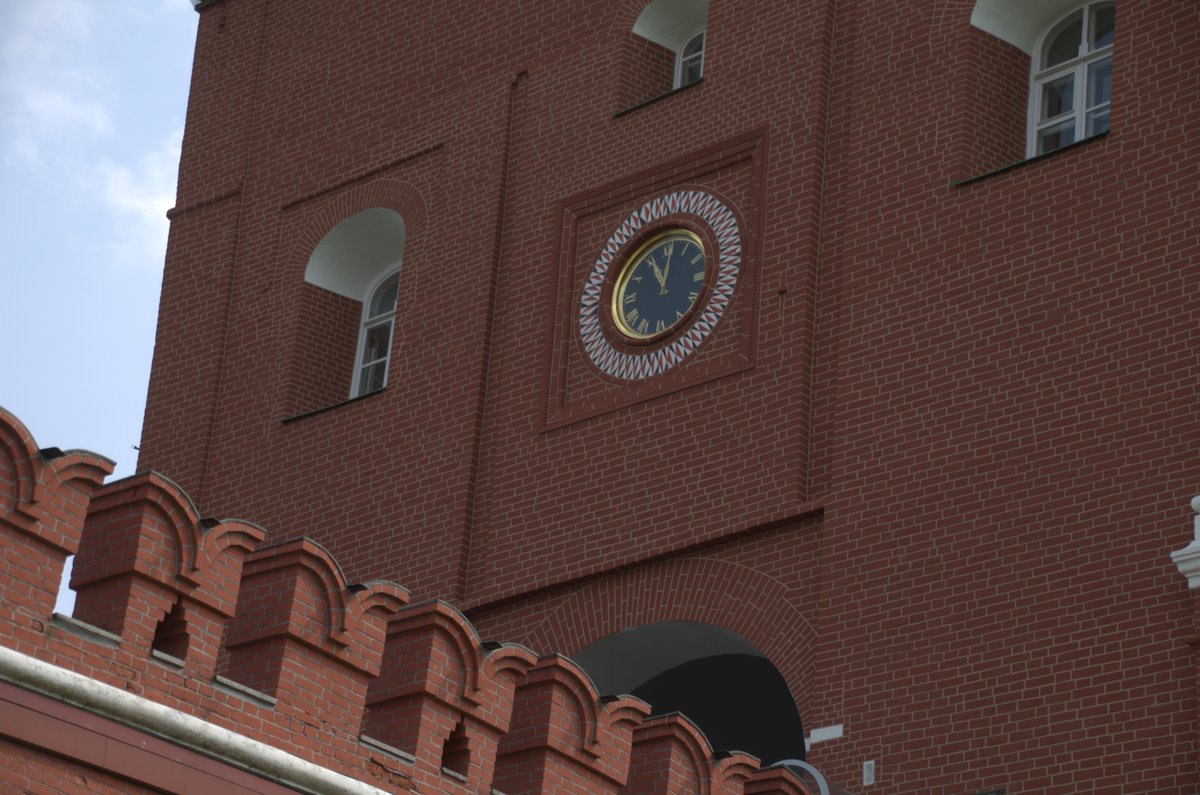
Troitskaya Tower is notable for its impressive height and multi-tiered structure. Its original defensive function is reflected in the thick walls (3.5–6.5 meters) and robust base. In the 17th century, the addition of an ornate hipped roof—typical of Russian design—enhanced both the tower’s aesthetics and its symbolic importance. Decorative brickwork, pinnacles, and ornamental details showcase the fusion of Italian Renaissance and Russian traditions. The tower’s spire, crowned by the largest Kremlin ruby star (installed in 1935), marks a distinctive visual and political symbol (Kremlin Architectural Ensemble).
Strategic and Ceremonial Roles
Historically, Troitskaya Tower served as both a defensive stronghold and a ceremonial gateway. Its gate—Trinity Gate—was used to receive foreign ambassadors and official delegations, emphasizing the Kremlin’s status as Russia’s political and cultural center. Defensively, its elevated position and integration with the Troitsky Bridge and Kutafya Tower formed a layered barrier, with the Neglinnaya River and a protective moat further enhancing security (Kremlin Architectural Ensemble).
Historical Transformations
Troitskaya Tower has witnessed and withstood many significant events, including sieges during the Time of Troubles and the Napoleonic invasion. Restoration efforts in the 19th and 20th centuries preserved its historical character, while modifications—such as replacing the imperial eagle with the Soviet star—reflect Russia’s evolving political identity.
The Tower in the Modern Era
Today, Troitskaya Tower is a prominent feature of the Moscow Kremlin and a UNESCO World Heritage site. It remains the main pedestrian entrance to the Kremlin, connecting visitors to centuries of Russian statehood and architectural brilliance (Kremlin Architectural Ensemble). Its preservation highlights the ongoing importance of Russia’s cultural and architectural heritage.
Defensive and Architectural Innovations
Troitskaya Tower exemplifies late 15th- and early 16th-century fortification strategies. Its multi-tiered design allowed for artillery placement at different levels, while thick walls and strategic positioning maximized its defensive potential. The integration with Troitsky Bridge and Kutafya Tower added layers to the Kremlin’s defenses, making it a formidable obstacle for would-be attackers (Kremlin Architectural Ensemble).
Cultural and Symbolic Legacy
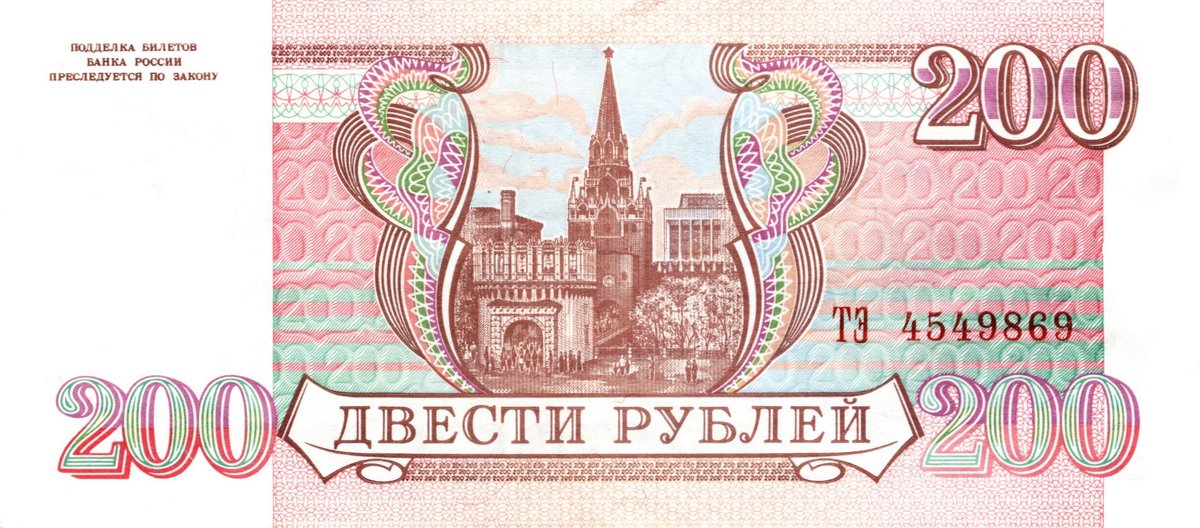
The tower’s name, derived from the nearby Trinity Monastery, reflects the interconnectedness of Moscow’s spiritual and secular history. Its enduring presence in art, literature, and celebrations makes it a symbol of Moscow’s resilience and renewal. The ruby star atop the spire is a powerful image of the nation’s 20th-century transformation.
Visiting Troitskaya Tower: Practical Information
Visiting Hours and Tickets
- Hours: Generally open Tuesday to Sunday, 10:00 AM to 5:30 PM (last entry 5:00 PM); closed Mondays. Schedule may vary due to special events or seasonal changes.
- Tickets: Required for entry to the Kremlin. Purchase online via the Official Kremlin Website or at the ticket office near Kutafya Tower. Prices typically range from 700 to 1,500 rubles with discounts for children, students, and seniors.
Getting There
- Located on the Kremlin’s northwestern wall, adjacent to Alexander Garden.
- Nearest Metro stations: Biblioteka Imeni Lenina, Alexandrovsky Sad, and Arbatskaya.
- Accessible via Moscow’s public transport network (The Broke Backpacker).
Accessibility
- The approach to Troitskaya Tower is paved and relatively flat, suitable for wheelchairs and strollers. Inside the Kremlin, cobblestone surfaces may pose challenges.
Guided Tours and Tips
- Guided tours (in English, Russian, and other languages) offer insights into the Kremlin’s history and Troitskaya Tower’s significance.
- Early morning visits are recommended to avoid crowds.
- Dress modestly, especially when visiting religious sites within the Kremlin.
Nearby Attractions
- Alexander Garden: Home to the Tomb of the Unknown Soldier and well-manicured pathways.
- Red Square: Iconic city landmark a short walk away.
- St. Basil’s Cathedral, State Historical Museum, Lenin’s Mausoleum: All within easy reach.
- Ostankino Television Tower: Offers panoramic city views (The Broke Backpacker).
Frequently Asked Questions (FAQ)
Q1: Can I enter Troitskaya Tower?
A1: Entry to the tower’s interior is not permitted; it serves as a gateway to the Kremlin.
Q2: What are the visiting hours?
A2: Typically, 10:00 AM to 5:30 PM, Tuesday through Sunday; closed Mondays (check official site for updates).
Q3: Are guided tours available?
A3: Yes, many tours include Troitskaya Tower and other Kremlin highlights.
Q4: Is the area accessible for disabled visitors?
A4: The approach is accessible, though cobblestones inside the Kremlin may present difficulties.
Q5: Can I take photos?
A5: Photography is allowed in most outdoor areas, but restrictions apply in certain museums and during ceremonies.
Visual Media

Virtual Tour of Moscow Kremlin
Related Articles
- Moscow Kremlin: A Complete Visitor's Guide
- Exploring Red Square and its Landmarks
- Top 10 Historical Sites in Moscow
Listen to the full story in the app
The whole Troitskaya Tower,
told well.
Audio guides for 1,100+ cities across 96 countries. History, stories, and local insight — offline ready.
Verified, and shown.
Researched and written by the Audiala editorial team from historical records, architectural archives, and local expertise.
Researched from Wikidata, Wikipedia & official sources · fact-checked · How we make our guides →